Are Finger Tattoo Designs the Key to Perfecting Tricky Placements
6 Finger Tattoo Ideas That Are Perfect for This Tricky Placement
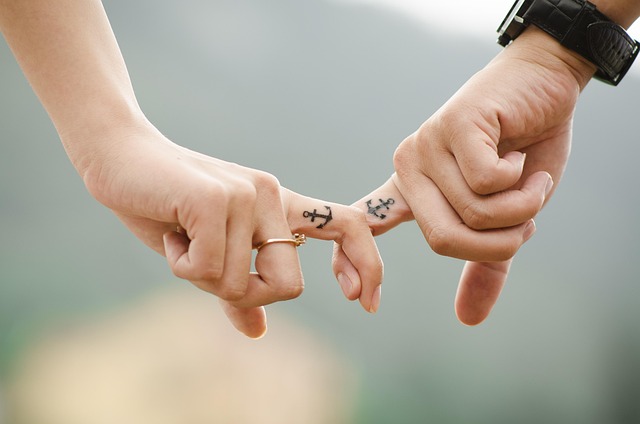
Finger tattoos combine artistry with precision, yet their placement demands technical mastery. The skin’s constant motion and exposure make these tattoos prone to fading and distortion. Despite these challenges, well-planned designs—especially minimalist or geometric ones—retain striking visual impact. The key lies in understanding anatomy, scale, and ink behavior. For professionals exploring finger tattoo designs, success depends on balancing aesthetic clarity with durability. This article analyzes the anatomical constraints, design strategies, and six concept ideas that suit this delicate area, while also addressing maintenance techniques and client expectations.
Understanding the Challenges of Finger Tattoo Placement
Finger tattoos test both technical skill and patience. Artists must adapt to an environment where ink longevity is naturally compromised by friction and frequent washing. Achieving consistency requires a deep grasp of how skin texture and motion influence pigment retention.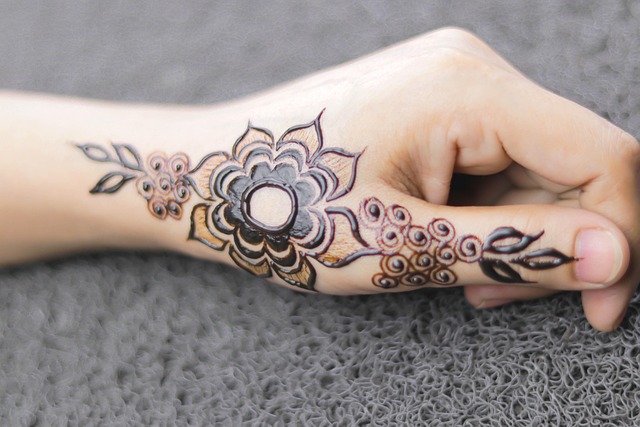
Anatomical and Technical Considerations
The skin on fingers is thin, mobile, and constantly exposed to environmental stress. Because of this mobility, ink disperses unevenly if applied at standard depth. Artists often adjust needle angles to follow natural folds, avoiding blowouts caused by over-penetration. Additionally, the lack of fatty tissue beneath finger skin complicates shading work, making line precision critical.
Longevity and Maintenance Factors
Finger tattoos fade faster than most body placements due to continuous use of hands in daily activities. Soap, sunlight, and abrasion all strip pigment over time. Regular touch-ups—often every 12 to 18 months—help maintain crispness. Aftercare routines emphasizing hydration and sun protection are vital; even minor neglect can lead to blurred lines or patchy color loss.
Design Principles for Finger Tattoos
Designing for fingers requires restraint. Space is limited, so clarity must outweigh complexity. Each design choice—from line thickness to placement symmetry—affects readability as the tattoo ages.
Scale and Proportion in Small Spaces
Minimalist compositions perform best because they remain legible despite wear. For example, a fine triangle or small rune retains meaning without overcrowding the surface. Symmetry across both hands enhances balance when viewed together. Line thickness should be bold enough to survive fading yet delicate enough to preserve detail.
Placement Strategy for Maximum Impact
Placement dictates tone: inner finger tattoos offer subtlety suitable for discreet expression, while top or side placements make stronger statements visible during gestures or handshakes. Aligning designs with joints ensures natural flow; misalignment can distort imagery when fingers bend.
Six Finger Tattoo Design Concepts Suited for This Placement
Each concept below addresses spatial limitations while maximizing artistic expression through structure or symbolism.
Geometric Line Work Designs
Clean geometric lines emphasize order and precision on small surfaces. Triangles, circles, or intersecting lines translate well onto fingers because they rely on symmetry rather than shading depth. These designs appeal to professionals seeking understated yet modern aesthetics that pair easily with larger body art compositions.
Symbolic Micro Tattoos
Tiny symbols such as arrows, hearts, or runes deliver personal significance without cluttering space. Their simplicity allows quick healing and easier maintenance during touch-ups. Precision in execution is essential since even slight deviations can distort meaning at such scale.
Botanical or Nature-Inspired Motifs
Leaves or vines curve naturally along finger contours, creating organic movement that complements anatomy. Small flowers positioned near knuckles soften appearance while maintaining elegance. Natural motifs age gracefully because their irregular shapes disguise minor fading better than rigid patterns.
Lettering and Script Tattoos
Short words or initials fit neatly along finger lengths when executed with balanced spacing. Font selection determines long-term readability: serif fonts may blur faster than clean sans-serif styles under friction exposure. Artists often recommend uppercase lettering for durability in high-motion zones.
Abstract or Dotwork Patterns
Dotwork techniques create subtle gradients without heavy saturation risks common in small areas. Abstract arrangements—like constellations or wave-like forms—offer creative freedom while minimizing blowout potential since dots heal more predictably than solid fills.
Ornamental Band Tattoos
Ring-style bands mimic jewelry aesthetics but allow cultural personalization through motifs like Celtic knots or tribal borders. Their circular form works harmoniously around phalanges if line weight remains consistent throughout rotation.
Techniques That Enhance Finger Tattoo Quality
Technical refinement determines whether a finger tattoo heals cleanly or blurs prematurely. Artists must adjust equipment settings carefully while selecting inks formulated for resilience under frequent exposure.
Adjusting Needle Depth and Ink Saturation
Shallow needle penetration prevents pigment blowouts but demands steady control to avoid patchiness. Layered passes using controlled saturation achieve even tone distribution despite thin dermal layers. Excessive force risks scarring; hence experienced artists rely on tactile feedback rather than machine speed alone.
Selecting Appropriate Ink Types
High-quality pigments resist UV breakdown better than cheaper alternatives frequently used in non-professional settings. Black ink remains most stable under sunlight; colored inks require multiple passes for comparable endurance but may still fade sooner due to pigment composition differences recognized by professional suppliers across Europe’s tattoo industry standards (referencing ISO 9001-certified pigment manufacturing practices).
Professional Insights on Client Consultation and Expectations
Transparent dialogue between artist and client prevents disappointment later. Since finger tattoos inherently fade faster than others, setting realistic expectations builds trust before needle meets skin.
Managing Client Expectations Regarding Longevity
Clients should understand that no matter how skilled the artist is, finger tattoos will lose intensity quicker than arm or back placements because of epidermal turnover rates unique to hand skin documented in dermatological studies published by IEEE biomedical research archives (2022). Discussing likely touch-up intervals upfront fosters long-term satisfaction rather than surprise fading complaints months later.
Advising on Aftercare Protocols
Aftercare begins immediately post-session: gentle cleansing with fragrance-free soap prevents infection while keeping the area hydrated promotes pigment retention during healing’s critical first week. Avoiding gloves or rings reduces friction-induced pigment loss; sunscreen application remains necessary even after full recovery since UV exposure accelerates fading dramatically according to ISO skincare photoprotection standards (ISO 24444:2019).
The Aesthetic Role of Finger Tattoos in Modern Body Art
Beyond personal expression, finger tattoos now occupy a distinct niche within fashion culture and professional artistry alike.
Integration with Broader Tattoo Compositions
Finger pieces often complement wrist cuffs or sleeve extensions by bridging visual continuity between hand gestures and forearm flowlines. When designed cohesively with larger works, they act as punctuation marks completing narrative sequences across limbs rather than isolated symbols.
Cultural and Fashion Influences
Visible hand tattoos once carried stigma but have evolved into mainstream style identifiers embraced by designers and musicians globally since early 2010s fashion cycles tracked by Reuters cultural trend reports (2023). Minimalist black-line finger tattoo designs now signal individuality more than rebellion—a shift reflecting broader acceptance of visible ink in creative industries from architecture to digital media roles.
FAQ
Q1: How long do finger tattoos usually last?
A: Typically three to five years before noticeable fading occurs; however, regular touch-ups extend vibrancy significantly depending on lifestyle habits like handwashing frequency.
Q2: Do finger tattoos hurt more than other areas?
A: Yes, because fingers have less cushioning tissue over bone endings which amplifies vibration sensation during needle contact.
Q3: Can colored inks hold well on fingers?
A: They can but tend to fade faster than black pigments due to smaller molecular stability against UV light exposure documented under ISO pigment analysis standards.
Q4: What’s the ideal healing time for a finger tattoo?
A: Initial healing averages seven days though full epidermal recovery may take up to four weeks given constant motion interference from daily tasks like typing or cleaning.
Q5: Are inner-finger tattoos harder to maintain?
A: Yes; moisture buildup from sweat accelerates pigment breakdown inside folds requiring more frequent retouches compared with outer placements exposed primarily to air circulation.