Which Tattoo Pattern Styles Are Best for a Timeless First Tattoo?
What Makes Tattoo Pattern Styles Feel Timeless?
Choosing tattoo pattern styles is more than picking a nice picture from a phone. The design has to sit well on skin, fit your normal routine, and still feel right after the first excitement has passed. Pew Research Center reported in 2023 that 32% of U.S. adults had at least one tattoo, and 24% of tattooed adults said they regretted one or more of them. That does not mean tattoos are a bad choice. It means the planning stage should not be rushed.
Clean Shape and Clear Meaning
A timeless tattoo usually starts with a clear shape. A rose, dragon, skull, koi fish, snake, sun, mandala, or family symbol should be easy to read from a normal distance. The style can still have detail, but the main idea should not get buried. If a pattern needs a long explanation every time someone sees it, it may be too busy or too tied to one passing mood.
Readable Lines at Real Skin Size
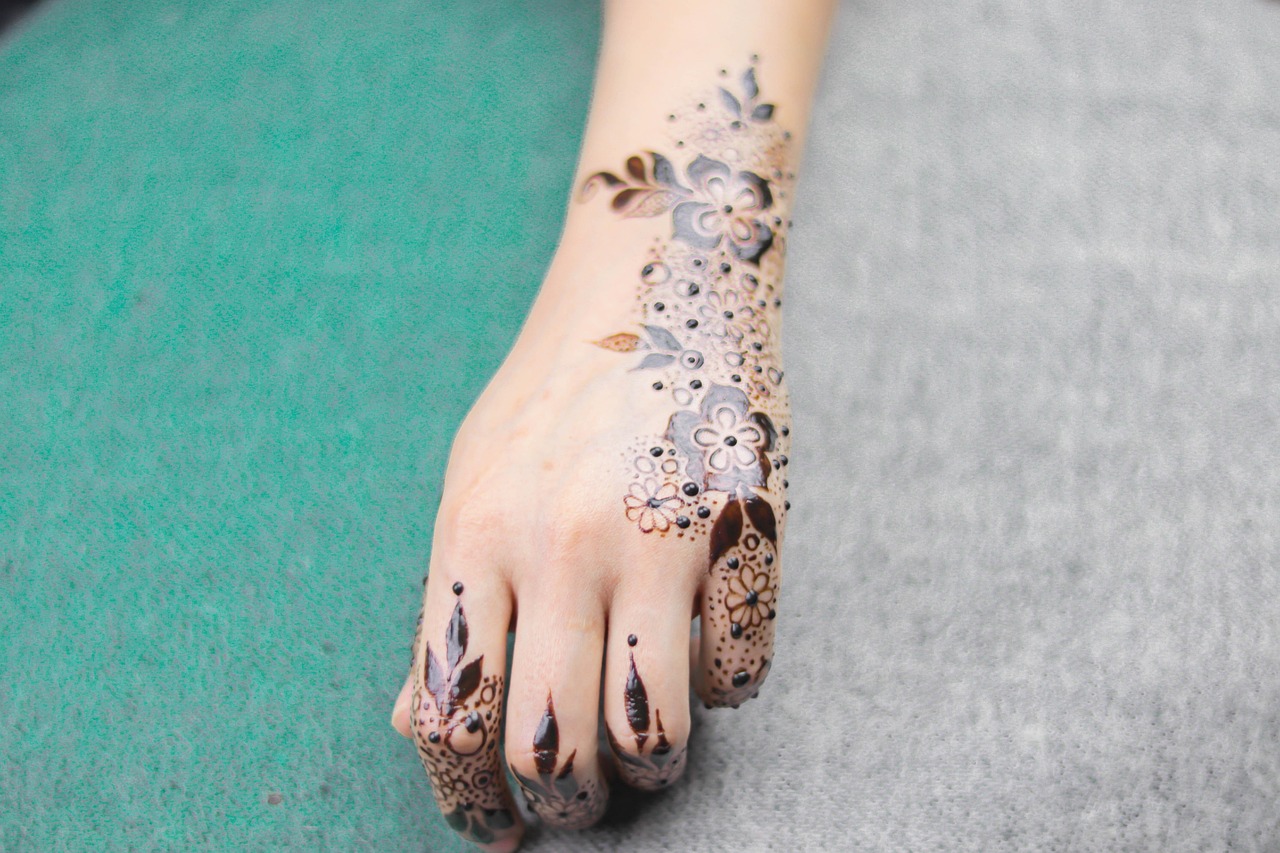
Phone photos can make small tattoos look sharper than they are in real life. Skin moves, heals, and changes, so lines can spread a little over time. A solid pattern gives each line enough space. For a first tattoo, that often means fewer details, clear spacing, and a size that suits the design instead of forcing a large idea into a very small area.
Placement That Fits Daily Life
Placement changes how a tattoo feels. A bold black pattern on the forearm is easy to see, while the same idea on the ribs feels more private. You also need to think about work, family, sports, sun exposure, and clothing. A design can look good and still be wrong for your daily routine, so this part is worth checking before booking.
Which Classic Tattoo Pattern Styles Should You Compare First?
Classic styles last because they were made for skin, not only for social media. They use contrast, flow, and clear shapes that hold up after healing. Fortune Business Insights stated in its July 2026 tattoo market report that the global tattoo market was valued at USD 2.43 billion in 2025 and was projected to reach USD 5.99 billion by 2034. With more studios, products, and styles in the market, basic design rules matter even more. They help you tell solid work from noise.
American Traditional for Bold Longevity
American traditional tattoos use thick outlines, strong color blocks, and clear icons such as eagles, daggers, roses, panthers, ships, and hearts. This style is not quiet, but it was built to age well on skin. If you want a tattoo that can be read from across a room, this is one of the safer style families to study. It also works well as flash, which helps if you want a tested design instead of a fully custom piece.
Japanese Inspired Work for Flow and Scale
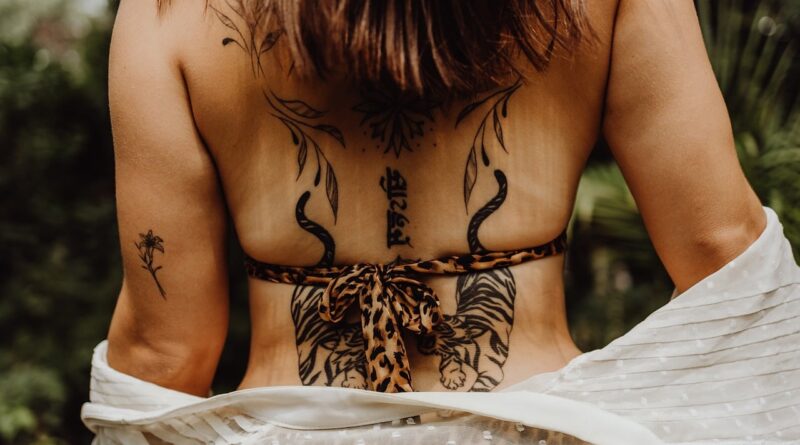
Japanese inspired tattooing often uses waves, wind bars, flowers, masks, koi, tigers, dragons, and large background flow. It works well on arms, legs, backs, and chest panels because the pattern follows the body rather than sitting like a sticker. This style needs planning before the first session. A small koi on the ankle is simple enough, but a sleeve with water, peonies, and a dragon is a long project with several design parts to balance.
Blackwork and Tribal for Strong Silhouettes
Blackwork covers many looks, from heavy abstract shapes to ornamental bands and sacred geometry. Tribal styles also differ by culture and history, so it is better to be careful with symbols that are not from your own background. Their shared strength is the silhouette. A clean black pattern can stay readable for many years, and it can also help with cover-ups when older work no longer fits.
Which Modern Styles Fit Minimal and Detailed Ideas?
Modern tattoo pattern styles are not weak just because they are newer. Some work very well when the artist understands the style and the placement. YouGov reported in a 2025 U.S. tattoo survey that common tattoo inspirations included a favorite animal, flower, or symbol, and designs chosen simply because the person liked the look. That matches real studio work. Some tattoos carry grief, faith, or family meaning. Some are just a small frog with a hat, and that can be a fine reason too.
Fine Line for Small Personal Symbols
Fine line tattoos suit initials, small flowers, script, stars, birth years, and quiet symbols. They look clean when fresh, but very thin lines can soften faster, especially on hands, fingers, feet, and spots that rub against clothing. If you choose fine line, ask the artist what size gives the design a fair chance after healing. A good artist may suggest making it a little larger, and that advice is usually based on healed work, not sales talk.
Geometric Patterns for Order and Balance
Geometric tattoos fit people who like symmetry, ordered shapes, or spiritual pattern work. Circles, triangles, dotwork, mandalas, and repeating lines can look calm and neat when done well. The hard part is accuracy. A crooked circle or uneven dot pattern is easy to see, so check healed photos from the artist, not only fresh photos taken under perfect light.
Watercolor and Illustrative Looks Need Careful Planning
Watercolor and illustrative tattoos can look good for flowers, animals, birds, fantasy subjects, and soft memorial pieces. The issue is that color without structure can fade into a loose patch over time. Many experienced artists add a light outline, stronger contrast, or black anchor points. That helps the tattoo keep its shape after the softer color settles into the skin.
How Do You Match a Pattern Style to Placement?
Good placement makes a tattoo look planned. Poor placement can make even a strong design feel awkward. YouGov’s 2025 survey found forearms and upper arms among the common tattoo locations in the U.S., each named by 8% of Americans, with shoulders close behind at 7%. That makes sense from a studio point of view. These areas give artists workable space, heal reasonably well for many people, and can be shown or covered with normal clothing.
Arms and Legs for Easier Growth
Arms and legs are practical places for a first tattoo. They offer flat and curved areas, easy checking during healing, and enough room to add more work later. If you think you may want a sleeve someday, avoid placing a random tiny design in the middle of useful space. Put it where it can later connect with a larger story or border.
Chest Back and Ribs for Bigger Stories
The chest, back, ribs, and stomach suit larger patterns, especially animals, florals, Japanese inspired work, ornamental pieces, and symmetrical designs. These areas can hurt more, and healing may be harder because of sleep position and clothing. The benefit is scale. Bigger tattoos often age better because the lines have more room and the design does not have to be squeezed.
Hands Neck and Fingers Need Extra Thought
Hands, neck, and fingers are high-visibility areas. They also fade faster for many people because of sun, washing, friction, and movement. A finger tattoo may need touch-ups, and some designs never heal as sharp as the fresh photo. If this is your first tattoo, it is usually smarter to start somewhere less exposed and learn how your skin heals first. See also: tattoo care.
How Should Skin Tone, Aging, and Ink Safety Shape Your Choice?
Your skin is not a blank white sheet. It has tone, texture, scars, freckles, hair, movement, and its own healing pattern. A style that looks bright on one person may look softer on another. This is why a good consultation should cover skin tone and contrast, not only the drawing. The U.S. Food and Drug Administration notes that tattoo inks can cause infections, allergic reactions, granulomas, keloids, sun sensitivity, swelling, and other problems. It also states that more than 50 pigments and shades are used in tattooing, while no color additives are approved by the FDA for injection into the skin.
Contrast Matters More Than Trend
High contrast helps a tattoo stay visible. Black ink usually gives the strongest base, and it is often the safest visual choice for long-term readability. Color can work on many skin tones, but the palette should be chosen with care. Deep reds, greens, blues, and warm browns can look good when placed correctly, while pale yellow or soft pastel may fade out on some skin.
Small Details Can Blur Over Time
Aging does not ruin every tattoo, but it does change small detail. Tiny eyes, thin script, micro dots, and tight lace patterns can merge as years pass. If the design has meaning, give it enough space from the start. For example, a pet portrait needs enough size for the eyes and fur texture, while a tiny paw print may work better as a simple symbol.
Safe Studios and Ink Questions Come First
Safety is part of style because a damaged tattoo will not look good. The FDA has reported that even sealed tattoo inks can contain bacteria or other microorganisms. A 2025 review indexed by PubMed, covering tattoo-associated infections since 1820, said bacterial outbreaks have increased since 2000 and contaminated inks contributed to 11 outbreaks and later recalls. Before you book, ask about sterile needles, ink handling, gloves, surface cleaning, aftercare, and licensing rules in your area.
How Can You Brief an Artist Without Copying a Trend?
A useful brief gives the artist direction without boxing them in. You do not need special art terms. You need a clear subject, size range, placement, mood, and a few style references. The point is not to copy someone else’s tattoo. It is to help the artist build a pattern that fits your body and still follows good tattoo craft.
A Short Mood Board Beats a Messy Folder
Bring five to eight references, not eighty. Too many images make the job harder, because the artist has to guess what you actually want. Choose one for line weight, one for mood, one for placement, and one or two for subject matter. Add short notes like ‘bold outline,’ ‘less shading,’ ‘botanical but not cute,’ or ‘dark, simple, no tiny script.’
Reference Meaning, Not Someone’s Tattoo
If you want a memorial tattoo, explain the person, place, or object behind it. If you want a travel tattoo, share the landmark, map shape, flower, or animal connected to that memory. A direct copy may feel easy at first, but it can feel empty later. Custom details do not need to be big, and a date hidden in a leaf vein or a flower from a hometown can be enough.
Ask for a Stencil Check and Healing Plan
The stencil is your last quiet check before the needle starts. Look at it while standing and moving, not only while sitting still in a chair. Check the angle in a mirror, then bend your arm or leg if the tattoo is near a joint. If the pattern twists in a strange way, speak up before the session starts, and after that, follow the aftercare plan closely.
FAQ
Q1: What Are the Best Tattoo Pattern Styles for a First Tattoo? A: American traditional, fine line, simple blackwork, small florals, and clean geometric designs are common first choices because they can be clear, personal, and easy to place.
Q2: Do Fine Line Tattoos Age Well? A: They can age well when the design is not too tiny and the artist leaves enough spacing. Very thin lines on fingers, hands, and feet often fade or blur faster.
Q3: Which Tattoo Pattern Styles Are Easiest to Cover Later? A: Bold blackwork, dark ornamental patterns, and some traditional designs are easier to adapt into cover-ups than pale, scattered, or extremely detailed tattoos.
Q4: Should You Choose Color or Black Ink? A: Choose black ink if you want strong contrast and long-term readability. Choose color if it suits the subject and your artist can show healed examples on similar skin tone.
Q5: How Long Should You Think Before Booking a Tattoo? A: For a first tattoo, sit with the idea for at least a few weeks. If you still like the subject, placement, and style during normal daily life, it is probably a steadier choice.