
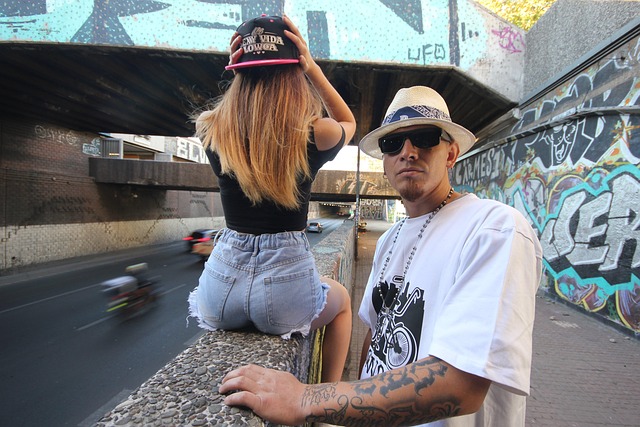
What Defines Chicano Style Tattoo As A Cultural And Historical Statement
Chicano Tattoo Art: A Blend of Culture and History
Chicano style tattooing stands as one of the most distinctive visual languages in modern tattoo culture. Rooted in the Mexican-American experience, it merges art, identity, and resistance into a deeply personal form of expression. Emerging from the struggles and pride of Chicano communities, it evolved from prison walls to global studios while maintaining its cultural integrity. Today, Chicano tattoo art functions not just as body decoration but as a living archive of heritage, faith, and resilience.
The Origins of Chicano Style Tattoo
The emergence of Chicano style tattooing cannot be separated from the socio-political context that shaped Mexican-American identity. It developed as both an act of self-definition and a visual response to marginalization.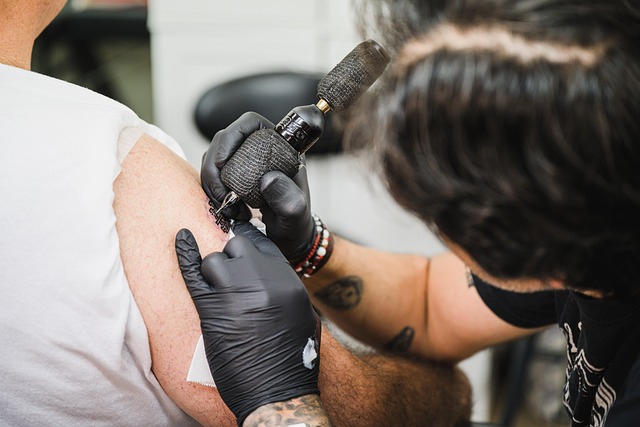
Historical Roots in Chicano Identity
The origins trace back to mid-20th-century Mexican-American neighborhoods where tattoos became emblems of pride and survival. During the Chicano Movement of the 1960s and 1970s, artists used skin as a canvas for cultural affirmation. Tattoos featuring Aztec symbols, family portraits, or barrio names expressed belonging amid social exclusion. They were declarations of identity rather than rebellion alone—symbols that said “we exist” in a society that often ignored them.
Influence of Prison Art and Street Culture
Much of the early aesthetic came from prisons and barrios where limited tools forced innovation. Inmates created tattoo machines from radios or electric razors and used single needles or guitar strings to produce fine-line black and gray designs. This necessity gave birth to the precision-based shading that defines the style today. The imagery—saints, lovers, mothers—carried emotional weight tied to faith, loyalty, and struggle. These works were intimate narratives carved into skin when paper or paint was unavailable.
Cultural Symbolism Embedded in Chicano Tattoo Art
Chicano tattoos are not random decorations; they are layered with meaning drawn from religion, family ties, and political defiance. Every motif tells a story about survival within complex cultural intersections.
Religious and Spiritual Iconography
Faith remains central in Chicano iconography. The Virgin Mary (La Virgen de Guadalupe), crosses, praying hands, and angels appear frequently as symbols of redemption and divine protection. For many artists, these images bridge Catholic devotion with personal redemption stories born from hardship. In marginalized communities where institutional support was scarce, such religious motifs offered spiritual armor—a constant reminder that faith endures beyond circumstance.
Familial and Community Representations
Family occupies sacred space in this tradition. Portraits of mothers or children often adorn chests or arms as tributes to unconditional love. Names of neighborhoods—“East Los,” “El Paso,” “San Jo”—signify unity among those who grew up together facing shared adversity. Tattoos thus become collective memory maps linking individuals to their lineage and community roots even when life scatters them across borders.
Political and Social Commentary Through Imagery
Beyond personal devotion lies political expression. Many designs echo civil rights themes: clenched fists symbolizing resistance or Aztec warriors representing ancestral strength against colonization. The visual storytelling embedded in these tattoos challenges stereotypes while preserving narratives erased from mainstream history books. Each piece becomes both protest art and cultural preservation tool.
Artistic Characteristics Defining the Chicano Style Tattoo
Over time, certain artistic traits came to define this genre—most notably its technical finesse with black-and-gray realism and its signature typography inspired by urban calligraphy.
The Fine-Line Black and Gray Technique
Born from scarcity inside prisons, this technique relies on diluted black ink for depth instead of color saturation. Artists manipulate gradients through meticulous shading that gives lifelike texture without heavy outlines. The result is soft yet powerful imagery capable of capturing emotion through subtle contrast rather than bright pigment. This approach later influenced global tattoo realism movements but remains uniquely tied to its Chicano origins.
Typography and Script Work as Signature Elements
Lettering plays an equally vital role. Flowing script inspired by graffiti murals or old English fonts conveys messages like “Mi Vida Loca” or family dedications in elegant curves across ribs or backs. Each line carries rhythm reminiscent of calligraphy found on lowrider cars or religious texts displayed at home altars. Typography transforms language into ornamentation while preserving authenticity through bilingual phrasing.
Evolution of Chicano Tattooing in Contemporary Art Forms
As decades passed, what began as underground expression gained recognition worldwide without losing its cultural essence.
Transition from Underground Expression to Global Recognition
Once dismissed as gang-related imagery, Chicano tattoos now appear in international exhibitions and fine art galleries. Artists such as Freddy Negrete helped legitimize the craft by bridging street practice with studio professionalism during the late 20th century. Today’s practitioners blend traditional motifs with modern techniques like photorealism or digital stencil design while keeping emotional sincerity intact.
Cross-Cultural Influences and Adaptations
Globalization brought fusion styles where Japanese waves meet Aztec skulls or neo-traditional roses intertwine with script lettering. International artists reinterpret these aesthetics respectfully by acknowledging their roots in Mexican-American struggle rather than appropriating them superficially. This cross-pollination expanded creative vocabulary but also sparked dialogue about ownership versus homage within tattoo communities worldwide.
The Role of Chicano Style Tattoo as a Cultural Archive
Beyond artistry lies documentation—the ability of tattoos to record lived experiences otherwise absent from written archives.
Visual Preservation of Heritage and Identity
Each design functions like a historical artifact etched onto skin: stories of migration across borders, faith maintained under pressure, families rebuilt after displacement. Tattoos preserve oral histories visually when formal institutions fail to do so. They encode symbols recognizable only within certain circles—rosaries intertwined with barbed wire representing both devotion and confinement; faces shaded softly to evoke memory rather than photographic accuracy.
Continuing Legacy Within Modern Chicano Communities
Younger generations reinterpret these traditions through fresh lenses while staying loyal to their ancestors’ messages. For many second- or third-generation Mexican-Americans, getting a Chicano style tattoo is an act of reclaiming heritage long suppressed by assimilation pressures. Studios across Los Angeles, San Diego, Houston, and beyond serve as cultural spaces where storytelling continues through ink rather than textbooks—a dialogue between past oppression and present empowerment still unfolding daily.
FAQ
Q1: What defines a true Chicano style tattoo?
A: It is defined by fine-line black-and-gray work combined with culturally symbolic imagery such as religious icons, family portraits, barrio lettering, and social justice themes rooted in Mexican-American identity.
Q2: How did prison culture influence this tattoo style?
A: Limited tools inside prisons led artists to use single-needle machines made from improvised materials like guitar strings, creating precise shading techniques that became hallmarks of the style.
Q3: Why is black-and-gray ink preferred over color?
A: Originally due to resource scarcity; over time it became an aesthetic choice emphasizing realism, emotional tone, and timelessness more effectively than bright colors could convey.
Q4: Are modern artists changing traditional motifs?
A: Yes—but most maintain respect for original symbolism while integrating new influences such as photorealism or hybrid global elements that expand artistic range without diluting authenticity.
Q5: What cultural role do these tattoos play today?
A: They function as living archives preserving stories of migration, resistance, spirituality, and community pride within modern Chicano identity across generations worldwide.