
Is Best Tattoo Care the Key to Ensuring Proper Aftercare Longevity
Proper Aftercare Can Help Your New Tattoo Last Longer
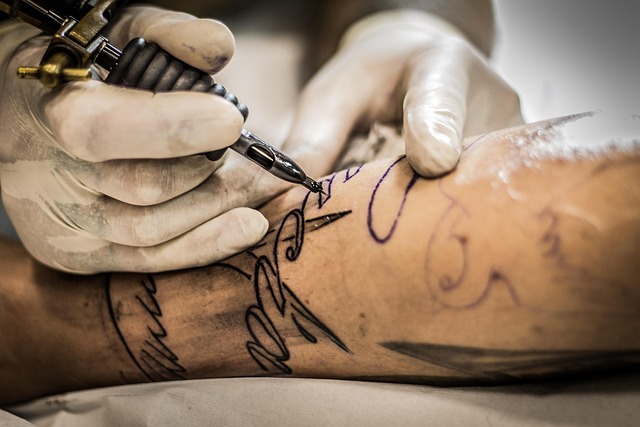
Tattoo longevity depends less on the artist’s skill and more on the client’s discipline after leaving the studio. Proper aftercare is not only about hygiene; it’s a controlled biological process that preserves pigment stability, prevents infection, and maintains line precision. Professionals agree that consistent care during the first few weeks determines how a tattoo will age over decades. The best tattoo care combines medical insight with practical daily habits—gentle cleansing, hydration, and UV protection—to sustain both skin health and ink vibrancy.
Understanding the Importance of Tattoo Aftercare Longevity
A tattoo is a controlled skin injury that demands structured healing. The durability of its color and clarity relies on how well the body regenerates tissue while retaining pigment in the dermis.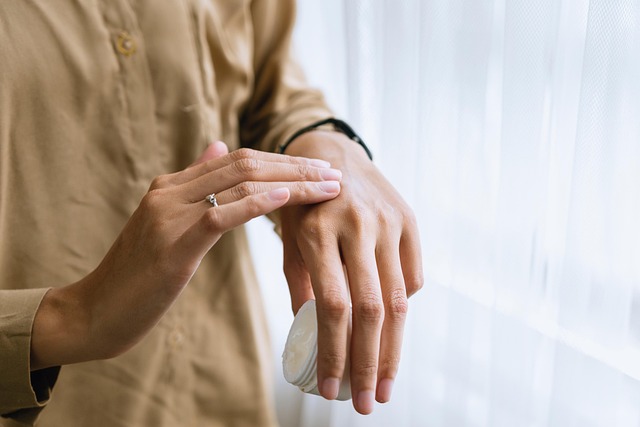
The Relationship Between Skin Healing and Tattoo Preservation
Proper aftercare ensures pigment remains vibrant and evenly distributed throughout the skin layers. When healing occurs under sterile, hydrated conditions, pigment particles settle uniformly within fibroblast cells. Poor aftercare—like scratching or over-moisturizing—can dislodge these pigments, leading to patchy fading or blurred outlines. Scarring often occurs when clients peel flakes prematurely or expose new tattoos to friction from tight clothing. Over time, this neglect distorts lines and alters tonal balance.
The Biological Process Behind Tattoo Healing
The immune system treats tattooing as a microtrauma. Macrophages attempt to engulf ink particles, but many remain trapped in the dermis, forming the permanent design. During epidermal regeneration, keratinocytes rebuild surface layers over these pigments. This process typically spans three stages: inflammation (days 1–3), proliferation (days 4–14), and maturation (weeks 3–6). Applying heavy ointments too early can suffocate regenerating tissue, while skipping moisturization later may cause cracking or dryness that compromises pigment retention.
Defining “Best Tattoo Care” in Professional Terms
Professionals define best tattoo care through both dermatological science and studio hygiene standards. It involves product selection based on skin physiology rather than marketing claims.
Evaluating the Components of Effective Aftercare
Effective routines balance cleansing, hydration, and protection from irritants. Mild antibacterial soaps remove plasma without stripping essential lipids. Hydration should come from fragrance-free emollients containing panthenol or aloe vera, which soothe inflammation while supporting collagen synthesis. Petroleum-heavy products may create an occlusive barrier that traps heat and bacteria, slowing oxygen exchange necessary for tissue recovery.
Professional Standards for Post-Tattoo Maintenance
Licensed artists follow medical-grade sanitation protocols before recommending home care steps. They advise using sterile bandages for initial coverage and medically approved ointments during early healing phases. Consistency is crucial: washing twice daily with clean hands prevents bacterial buildup without disrupting natural oils. Environmental conditions also matter—humid climates may require lighter lotions to avoid pore blockage, while dry environments demand thicker creams to retain moisture.
Techniques for Enhancing Tattoo Longevity Through Aftercare Practices
Tattoo care evolves as healing progresses. Early interventions focus on preventing infection; later ones sustain elasticity and pigment brightness.
Optimizing the Initial Healing Phase (Days 1–7)
During this phase, gentle cleansing with lukewarm water removes plasma residue that could form thick scabs. Only thin layers of ointment should be applied to let skin breathe while maintaining moisture balance. Scratching or peeling disrupts pigment placement and increases infection risk by reopening micro-wounds. Artists often recommend sleeping in loose cotton clothing to minimize friction against fresh ink.
Transitioning to Long-Term Skin Maintenance (Weeks 2–6)
As scabs naturally detach, switching from ointments to lightweight moisturizers supports continued hydration without clogging pores. Daily use of non-comedogenic lotions preserves suppleness as new epidermal cells mature around embedded pigments. Clients should avoid swimming pools since chlorine dehydrates skin and accelerates fading. Sun exposure during this period can oxidize pigments before they stabilize fully.
The Role of Environmental Factors in Tattoo Longevity
Even perfectly healed tattoos degrade faster under environmental stressors like sunlight or dehydration. External management becomes lifelong maintenance rather than temporary treatment.
UV Radiation and Its Impact on Pigment Stability
Ultraviolet radiation causes photodegradation of tattoo pigments by breaking molecular bonds within dyes embedded in the dermis. This leads to dullness or color shifting over time—reds turning brownish or blues fading into gray tones. Broad-spectrum sunscreens with SPF 30 or higher shield both tattooed areas and adjacent skin from UV damage. Reapplying every two hours during outdoor activity helps maintain long-term vibrancy even years after healing.
Lifestyle Influences on Tattoo Durability
Daily habits strongly affect how tattoos age. Diets rich in antioxidants such as vitamins C and E improve collagen structure and protect against oxidative stress that dulls colors prematurely. Adequate hydration keeps dermal layers flexible, reducing cracking that distorts fine lines over time. Smoking restricts microcirculation in capillaries beneath tattooed areas; reduced oxygen flow slows cellular repair and leads to uneven fading patterns commonly seen among smokers.
Advanced Professional Insights on Tattoo Aftercare Innovation
Recent advances merge dermatological research with cosmetic formulation science to refine post-tattoo recovery methods beyond traditional ointments.
Emerging Formulations in Modern Tattoo Care Products
Peptide-enriched creams stimulate fibroblast activity for faster epidermal regeneration without interfering with ink stability. Silicone-based barriers provide breathable moisture retention superior to petroleum jelly alternatives by maintaining humidity equilibrium across healing tissue layers. Researchers are exploring nanotechnology carriers capable of delivering nutrients deeper into dermal structures where pigment resides, potentially improving longevity through enhanced cellular nourishment.
Integrating Dermatological Research Into Aftercare Protocols
Collaborations between dermatologists and tattoo professionals now drive safer formulations tailored for compromised skin barriers post-tattooing. Studies examining transdermal absorption rates guide ingredient choices that minimize allergic reactions while preserving ink integrity across different pigment chemistries. Data-driven frameworks emerging from clinical dermatology contribute measurable standards for evaluating product efficacy—bridging artistry with evidence-based skincare science for lifelong tattoo preservation.
FAQ
Q1: How long should a new tattoo be covered after application?
A: Most professionals suggest keeping it wrapped for two to four hours before gently washing it with mild soap and water.
Q2: When can sunscreen be applied on a healed tattoo?
A: Sunscreen should only be used once all peeling has stopped—usually around week three—to prevent irritation of regenerating tissue.
Q3: Why does my tattoo look cloudy during healing?
A: A cloudy appearance indicates dead skin cells covering fresh pigment; it clears naturally as exfoliation completes around week four.
Q4: Can exercise affect early healing?
A: Yes, excessive sweating can introduce bacteria into open pores or soften scabs prematurely; moderate activity is safer after day five if kept clean.
Q5: What defines the best tattoo care routine long-term?
A: Consistent moisturization, sun protection, balanced nutrition, and avoiding harsh chemicals together form the foundation of best tattoo care practices for lasting color fidelity.