Which Back Tattoo Positions Look Best for Your Body and Design?
Which Back Tattoo Positions Fit Your Design Best?
Choosing tattoo placements is easier when you look at back tattoo positions as part of the design, not as random open skin. The back can hold a small symbol, a straight spine tattoo, or a full back piece that takes several sessions to finish. For context, Pew Research Center reported in August 2023 that 32% of U.S. adults had at least one tattoo, based on a survey of 8,480 adults conducted July 10 to 16, 2023. That is a large group of clients, so placement should be discussed properly instead of copied from one quick screenshot.
Upper Back for Balanced Pieces
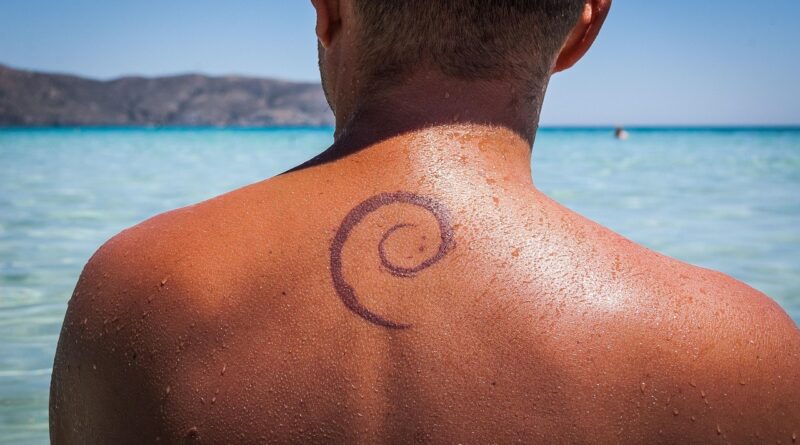
The upper back is a steady choice when a design needs balance. It gives the artist space across the shoulder line, so wings, mandalas, name pieces, ornamental frames, and wide floral designs can sit in a natural way. If you wear T-shirts most days, the upper back usually stays covered. With tank tops, open-back dresses, or gym clothes, it can show a little without being fully exposed. A palm-sized design between the shoulder blades also tends to hold better than very small detail placed on a joint that moves all day.
Spine for Strong Vertical Flow
A spine tattoo works well when the design has a clear top-to-bottom line. Script, moons, botanical stems, fine-line symbols, geometric dots, and a narrow dragon all suit this area. The spine gives the artist a center line to work from, so even a simple design can look planned. The main issue is accuracy. If the stencil tilts by only a few millimeters, you may see it every time you take a mirror photo. Ask your artist to check the stencil while you stand, sit, and bend forward a little.
Shoulder Blade and Side Back for Movement
The shoulder blade is useful for designs that need some movement, such as birds, butterflies, flowers, snakes, and abstract brush shapes. The side back near the ribs gives a more private look, and it can feel softer because it follows the body curve. That curve also makes straight lettering harder to place. If your design includes a face, circle, or neat frame, the flatter shoulder blade is usually safer. If the artwork is more natural and flowing, the side back can suit it better.
How Do Pain, Size, and Healing Change by Position?
Pain charts online may look exact, but there is no reliable public medical dataset that ranks tattoo pain by each back position. Pain changes with sleep, stress, skin sensitivity, artist technique, needle grouping, and session length. Placement still matters because bone, thin skin, and clothing friction can change the session and the healing period. Treat pain ratings as a rough talking point with your artist, not as a fixed result.
Spine and Rib Edge Feel Sharper
The spine, lower ribs, and bony areas near the shoulder blade often feel sharper than the fleshier upper back. That does not mean these spots are a bad choice. It only means the plan should be practical. A narrow spine tattoo with light shading may be easier to sit through than a dense black piece running from the neck to the lower back. If this is your first tattoo, a small upper back or shoulder blade piece is usually a calmer way to start.
Upper Back Handles Longer Sessions
The upper back can take larger work because the skin is broad and fairly stable. Large animals, ornamental patterns, and black-and-grey realism often need two to six sessions, and some pieces need more. A first session often runs two to four hours, depending on detail and the artist’s working speed. Bigger does not always mean better. The design still needs space around the neck, shoulders, bra line, and waistband line, unless you are planning a full-back piece from the start.
Lower Back Needs Smart Clothing Choices
The lower back is easy to cover and can look good with symmetrical shapes, ornamental lines, butterflies, script, or small centered designs. Healing can be a hassle if your waistband keeps rubbing the area. Tight jeans, leggings, belts, and long seated workdays can irritate fresh skin. Before you book, look at what you normally wear for work, training, and sleep. It sounds basic, but clothing friction causes more healing trouble than many people expect.
Which Position Hides or Shows Your Tattoo Better?
Visibility is not only about confidence. It can affect work settings, family events, travel, formal clothing, and how often strangers ask about your tattoo in public places. Pew Research Center also found in 2023 that 80% of U.S. adults said society had become more accepting of people with tattoos over the past two decades. Even with that change, many people still want a tattoo they can show only when they decide to.
Collar Line and Back of Neck Visibility
The uppermost back and back of neck are partly visible areas. They can look clean with tiny symbols, script, stars, insects, or fine-line ornaments. If your hair is short or tied up often, this placement is not really hidden. It may appear in wedding photos, office shirts, and passport-style pictures. Choose it if you are comfortable with that. Skip it if you need full control over visibility.
Mid Back Privacy
The mid back gives many people the best control. A tattoo here stays covered under normal shirts and shows only with swimwear, backless outfits, or private styling. It also gives enough flat space for detailed artwork without turning into a full back project. If the tattoo has personal meaning, this position can feel more protected. Pew’s 2023 survey found that 69% of tattooed adults cited honoring or remembering someone or something as a major or minor reason for their tattoo, so privacy can matter.
Full Back Commitment
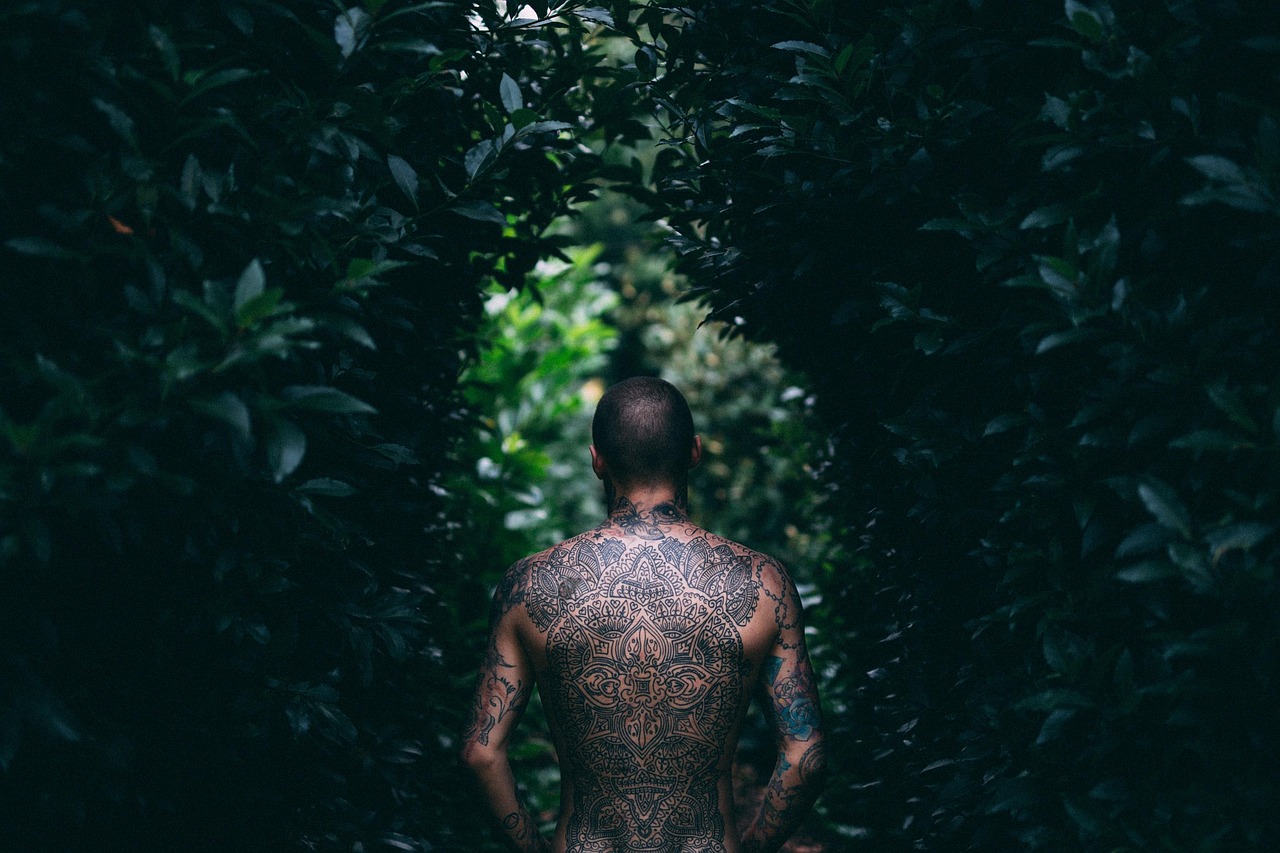
A full back tattoo is the largest choice among back tattoo positions. It can link the neck, shoulders, spine, ribs, and lower back into one complete piece. Japanese-inspired backgrounds, large myth figures, phoenixes, tigers, koi, sacred geometry, and dark ornamental work all fit this size. The tradeoff is cost, time, and patience. You need to trust the artist’s long-term plan, not only the first stencil.
How Should You Match Art Style to Back Placement?
Good placement helps a design look like it belongs on the body. Poor placement can make solid artwork look pasted on. Start with the shape of the design, then compare it with the shape of the back. A long design needs length. A wide design needs shoulder space. A round design needs a flatter, calmer area. It sounds simple, but it is easy to forget when a flash sheet looks good.
Fine Line Symbols and Script
Fine-line symbols, dates, names, and short quotes work well on the spine, upper back center, or shoulder blade. Keep lettering large enough so it has space around it. Very small script can blur as skin changes with time. For spine script, short phrases usually look cleaner than full paragraphs. If the phrase means a lot to you, print it at actual size and tape it to a mirror. If you cannot read it from a normal distance, the tattoo may not read clearly later. See also: tattoo care.
Floral, Animal, and Myth Designs
Flowers can follow the shoulder blade, curve along the side back, or climb the spine. Animals usually need more room, especially when the eyes, fur, feathers, or scales are important. A wolf head squeezed into a small shoulder blade can lose impact. A dragon or snake can move well from the upper back toward the ribs. Myth designs, such as phoenixes, angels, or deities, usually need enough height so they do not look cramped.
Geometric and Japanese Inspired Layouts
Geometric tattoos need clean alignment, so the midline of the back is useful. Mandalas can sit between the shoulder blades or cover the upper back like armor. Japanese inspired work often needs background elements, such as wind bars, waves, clouds, or petals, so it works well on the full back or upper-to-mid back. Ask for a rough body-map sketch, not just a design floating on a tablet screen. This helps you see how the layout will sit when the body moves.
What Safety and Aftercare Facts Should Shape Your Choice?
A tattoo is art, but it is also a skin procedure. Placement changes how easy it is to wash, moisturize, protect from sun, and watch for skin changes. If you cannot reach the area by yourself, plan help for the first few days. That small point matters more than a good photo angle.
Skin Condition and Mole Checks
The American Academy of Dermatology advises choosing skin that is free of moles when considering a new tattoo, because tattoo pigment can make early skin changes harder to see. This point matters more on the back, where you already need a mirror or another person to check your skin. If you have many moles, a history of keloids, or active eczema in the area, talk with a dermatologist before booking. It is better to handle this before the stencil is on your skin.
Ink Reactions and Contamination Risk
The U.S. Food and Drug Administration’s tattoo safety guidance, current as of December 17, 2024, says infections and allergic reactions can happen after tattooing, and even sealed inks have been found with bacteria or other microorganisms. A 2023 Frontiers in Microbiology study of U.S. tattoo and permanent makeup ink recall records from 2003 to 2021 found 15 voluntary recalls, with 14 mainly tied to microbial contamination. The practical point is simple: choose a licensed studio, ask about sterile setup, and keep ink brand details if your artist provides them. If a reaction happens later, those details can help the studio or a clinician trace the issue faster.
Sun Care and Healing Access
The American Academy of Dermatology recommends water-based lotion for dry tattooed skin and broad-spectrum, water-resistant SPF 30 or higher when healed skin is exposed to sun. Cleveland Clinic aftercare guidance notes that washing and moisturizing twice daily are common early steps, and the top skin layer may look healed around two months while deeper layers can take longer. A back tattoo may need a clean hand, a lotion applicator, or a trusted helper. It is not exciting advice, but it is real aftercare.
FAQ
Q1: What Are the Best Back Tattoo Positions for a First Tattoo? A: The upper back or shoulder blade is usually a good first choice because the area gives your artist room, stays covered under clothing, and often feels easier than the spine or rib edge.
Q2: Are Spine Tattoos More Painful Than Upper Back Tattoos? A: Many people find the spine sharper because the skin sits close to bone and nerves, but pain is personal. Session length, design density, sleep, stress, and artist technique can change the experience a lot.
Q3: Which Back Position Is Best for a Hidden Tattoo? A: The mid back is usually the best hidden placement. It stays covered by most shirts but can still show with swimwear, open-back clothing, or private styling.
Q4: Do Lower Back Tattoos Still Look Good? A: Yes. Lower back tattoos can look clean when the design follows the natural waist line and avoids heavy clothing friction. Symmetrical ornament, script, butterflies, and soft floral layouts work especially well.
Q5: How Should You Prepare for a Back Tattoo Appointment? A: Bring reference images, wear loose clothing, eat before the session, and plan aftercare help if the tattoo sits where you cannot reach. Also take standing mirror photos so the stencil can be checked on your real posture.