
Which Different Arm Tattoo Placements Look Best for Your Next Tattoo?
Which Different Arm Tattoo Placements Fit Your Style?
If you are looking at different arm tattoo placements, start with three plain questions: how visible should it be, how much room does the design need, and what happens when your arm bends? The arm is a common choice because it gives both flat and curved skin, with options you can cover or show. You can also check more placement ideas in the tattoo placements section before you decide on one spot.
Public data shows how normal arm tattoos have become. Pew Research Center reported in August 2023 that 32% of U.S. adults have at least one tattoo, and 22% have more than one. That is useful to know because placement is not only about hiding ink now. For many people, it is about where the tattoo fits work clothes, daily habits, gym time, sun exposure, and skin that changes with age. (pewresearch.org)
Upper Arm for Bigger Art and Easier Coverage
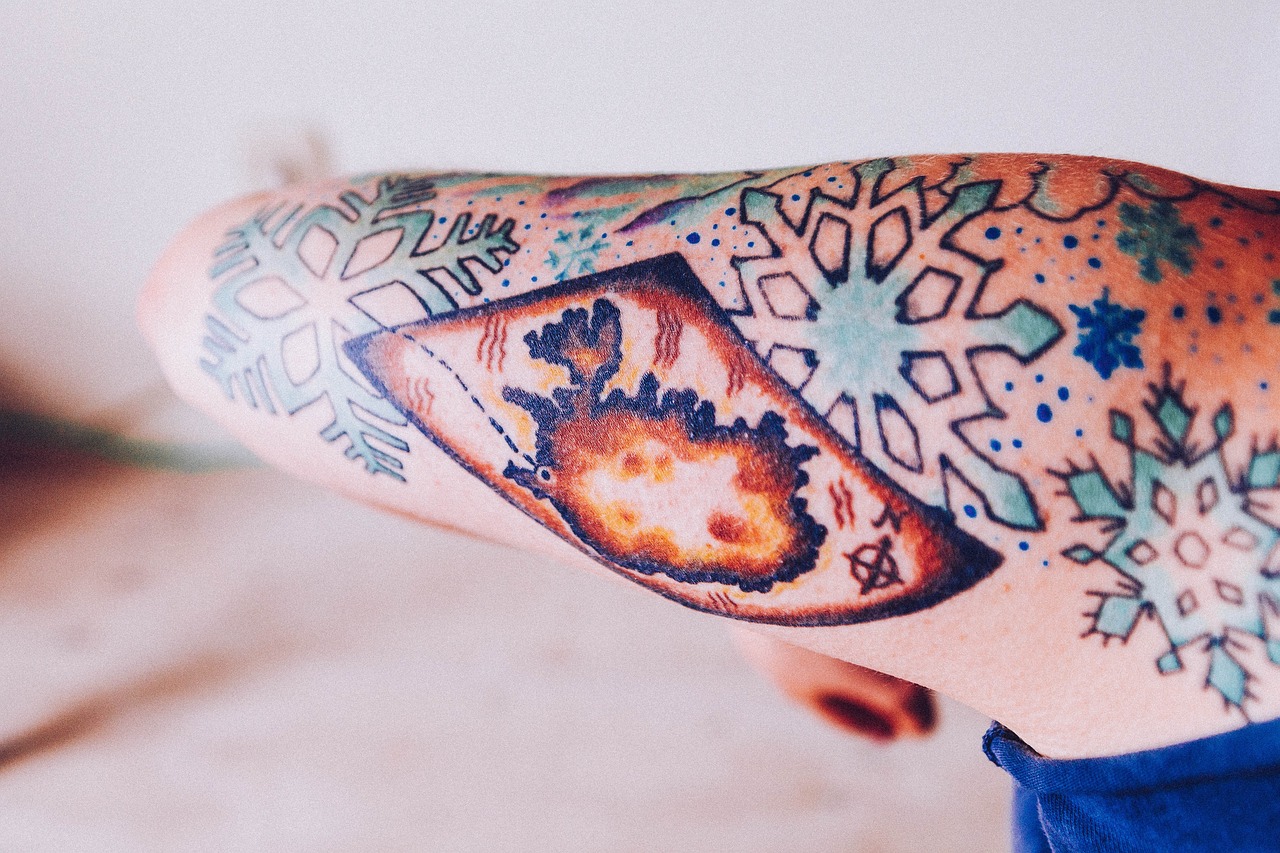
The upper arm is a solid place for a first medium or large tattoo. It gives enough space for portraits, animals, floral work, tribal patterns, geometric pieces, and traditional flash. A short sleeve can usually cover it, which helps if your workplace still has strict rules. The outer upper arm also keeps shape fairly well, since the skin is wide and does not fold as much as the elbow area.
Forearm for Daily Visibility and Clean Detail
The forearm works well for designs you want to see often. Fine-line symbols, script, small realism, botanical pieces, and compass-style designs can sit cleanly there. The outer forearm is easier to show, while the inner forearm feels a bit more personal. There is one simple point to think about: if you use your phone all day, you will see the tattoo all the time. Choose a design you still like on a slow Tuesday morning, not only in the studio mirror.
Wrist and Inner Arm for Smaller Personal Pieces
The wrist, inner bicep, and inner forearm are good for names, dates, short quotes, tiny icons, and delicate line art. These spots feel more private because they sit closer to the body and are not always in full view. They also have less space, so the design needs room around it. Very small lettering can soften or blur later, so ask your artist if the size is practical. A small tattoo still needs enough skin to breathe.
How Do Visibility and Work Rules Change Your Choice?
Arm tattoos can look open or low-key depending on the exact spot. The same 3-inch design can feel bold on the outer forearm and much quieter on the inner upper arm. Before you choose placement, think about your normal clothes, weather, job, and the places you spend time. A tattoo should match how you really live, not just how it looks in a fresh photo.
Outer Forearm for Open Display
The outer forearm is one of the most visible arm placements. It works if you want the tattoo to be part of your daily look. YouGov’s March 31 to April 2, 2025 U.S. tattoo survey found that 8% of U.S. adult citizens reported having a tattoo on the forearm, 8% on the upper arm, and 7% on the shoulder. Put simply, arm placements are common, and the forearm is one of the main visible choices. (yougov.com)
Inner Upper Arm for Flexible Coverage
The inner upper arm is easier to hide than the forearm, but it still gives enough room for meaningful work. It suits memorial tattoos, family symbols, soft florals, and designs you do not want every stranger asking about. Since this skin can rub against clothing and the side of the body, the first week of healing may feel irritating. Loose sleeves usually make that stage easier.
Shoulder Cap for a Strong Frame
The shoulder cap gives a tattoo a natural frame on the arm. Round mandalas, animal heads, armor shapes, and floral clusters can follow the curve of the deltoid. This spot also connects well if you want a sleeve later. If that may happen, tell your artist before the first stencil goes on. A standalone shoulder tattoo can work on its own, but a sleeve plan needs cleaner edges and better spacing. Planning early saves a lot of fixing later.
Which Arm Area Hurts More and Heals Better?
Pain charts are easy to find online, but there is no single reliable public dataset that gives exact pain scores for every arm placement. Pain changes with sleep, stress, needle style, tattoo size, shading, and your own skin. Even so, artists and clients tend to notice some patterns. Areas with more muscle are usually easier to sit through. Areas near bone, nerves, or thin skin can feel sharper.
Outer Upper Arm Usually Feels Manageable
The outer upper arm is a common first-tattoo spot because it has more padding than the wrist or elbow. It can still hurt, especially during heavy shading, but most people find it easier to handle than tighter or bonier areas. It also heals in a more steady way because it does not bend as much as the elbow ditch. Keep it clean, wear soft fabric, and do not let a backpack strap rub across it. Small habits during the first week matter more than people think.
Inner Arm and Elbow Ditch Need Extra Care
The inner arm and elbow ditch can feel sore because the skin is thinner and moves often. Fresh ink in these spots may swell more, and bending the arm can pull at the skin. The FDA explains that tattooing breaks the skin barrier, and infection risk can come from unsterile practices or contaminated ink. So placement is not only about style. It also changes how carefully you need to protect the area while it heals. (fda.gov)
Wrist and Elbow Can Feel Sharp
The wrist and elbow can sting more because bone sits close to the surface. The elbow also has tougher skin and several angles, so circular or symmetrical designs need an artist with a steady hand. If you want a small wrist tattoo, keep the layout simple. If you want elbow work, expect a harder session. Plan your week so you are not lifting heavy items, scraping the skin, or leaning on it right after.
How Should Size and Design Match Each Placement?
A good arm tattoo is not only a good drawing. It is a drawing that fits the part of the arm where it sits. Arms twist, flex, tan, gain muscle, lose muscle, and hit desks. Placement has to work with all of that. This is where rushed tattoos often go wrong. A design can look clean on paper and still feel too tight on skin.
Bands Need True Arm Measurements
Arm bands, bracelet tattoos, and wraparound patterns need careful measuring. Your arm is not a perfect cylinder, so a straight stencil may not meet cleanly once it wraps around. This matters even more for geometric bands, blackout bands, and repeating symbols. Ask to see the stencil from the front, side, and back. Raise your arm too, because movement can change the line. A band that looks level at rest can shift when you move.
Script Needs Space and Calm Skin
Script tattoos look better when the letters have enough space. The wrist and inner forearm are popular for words, but tiny cursive can age poorly if the lines are too close together. Short phrases usually work better than long paragraphs. If the quote needs a magnifying glass, it is probably too small. Clean block lettering, simple serif fonts, and slightly wider spacing tend to hold up better. Ask your artist to size it for healed skin, not just for the stencil photo.
Sleeves Need a Plan Before the First Line
A sleeve does not have to be finished in one year, but it should have a clear direction. Decide whether you want a patchwork sleeve, a full connected sleeve, a half sleeve, or a forearm sleeve. Patchwork gives you more freedom over time. A connected sleeve needs flow, background, and smart negative space. If you may want a sleeve later, do not place a random small tattoo in the center of prime space unless it truly belongs there. That one early choice can limit the whole arm. See also: tattoo care.
What Should You Ask Before Booking the Appointment?
Placement choices get easier when you ask the right questions before the needle starts. A good artist will not rush this part. Bring references, but do not expect a copy of someone else’s arm. Your skin tone, arm shape, hair growth, job, and design style all affect the final call.
Portfolio Photos of Similar Placements
Ask to see healed work on the same arm area. Fresh photos are useful, but healed photos tell you more about the real result. Look at line spread, color softness, and how the design sits when the arm is relaxed. For forearm pieces, check whether the tattoo reads clearly from normal conversation distance. Not every tattoo has to be loud, but it should not look like a smudge from three feet away.
Stencil Checks While Your Arm Moves
Do not judge placement only while your arm hangs straight. Bend your elbow, cross your arms, lift your hand, and look in a mirror. This matters for inner forearm designs, elbow pieces, and wraparounds. A small stencil shift can change the whole feel of the tattoo. It is normal to ask for a minor adjustment. Most artists expect it. Five extra minutes with the stencil is better than years wishing it sat half an inch higher.
Aftercare Talk Before the Needle Starts
Ask how to care for that exact placement before the session begins. The American Academy of Dermatology notes that some redness and swelling can be normal after tattooing, but signs such as worsening redness, unusual pain, pus, fever, or a spreading rash deserve medical attention. For arm tattoos, friction from sleeves, watches, gloves, gym equipment, and sun can slow healing if you ignore it. Good aftercare is part of the placement decision, not a side note. (aad.org)
What Are the Best Arm Placement Ideas by Goal?
The best placement depends on what you want the tattoo to do. Some tattoos are meant to be seen. Some are meant to be found. Some are starting points for a sleeve. Start with the goal, then choose the spot.
First Tattoo with Low Drama
For a first tattoo, the outer upper arm or outer forearm is a sensible pick. Both spots give the artist room and let you see the design take shape. If you are worried about pain or workplace visibility, the outer upper arm is usually the safer choice. If you want to enjoy the tattoo every day, the forearm makes more sense. A small flower, clean symbol, animal outline, or simple traditional piece can work well in either area.
Bold Piece with Room to Grow
For a bold design, look at the upper arm, shoulder cap, or full forearm. These areas can hold bigger shapes without making the tattoo feel crowded. Common options include:
- Japanese-style flowers, waves, koi, or masks on the upper arm
- Traditional daggers, roses, eagles, or skulls on the forearm
- Geometric mandalas or ornamental pieces on the shoulder cap
- Blackwork panels that can connect into a sleeve later
If you want color, ask how the tones may heal on your skin. If you want black and gray, talk about contrast before the design is final. Arm tattoos get sun, so strong contrast often ages better than very pale shading.
Discreet Tattoo with Personal Meaning
For a discreet piece, consider the inner bicep, inner forearm, back of the upper arm, or small wrist area. These placements suit personal symbols, coordinates, initials, small spiritual designs, and quiet memorial pieces. Keep the design readable and do not pack too much into a small spot. Sometimes the best arm tattoo is not the largest one. It is the one that still feels right when nobody else notices it.
FAQ
Q1: What Is the Best Arm Placement for a First Tattoo? A: The outer upper arm is often the easiest starter spot because it has more space, is easy to cover, and usually feels more manageable than the wrist or elbow.
Q2: Are Forearm Tattoos Too Visible for Work? A: It depends on your job and dress code. If you often meet clients or wear short sleeves, choose the inner forearm, upper arm, or another placement you can cover when needed.
Q3: Which Arm Placement Works Best for Small Tattoos? A: The wrist, inner forearm, and inner bicep work well for small tattoos. Keep lines clean and avoid tiny crowded text, because small details can soften over time.
Q4: Can an Arm Tattoo Become a Sleeve Later? A: Yes, but planning helps. Tell your artist if you may want a sleeve later, so the first tattoo leaves room for flow, background, and future pieces.
Q5: How Do You Choose Between Upper Arm and Forearm? A: Pick the upper arm if you want easier coverage and more room. Pick the forearm if you want daily visibility and a design you can see without a mirror.