
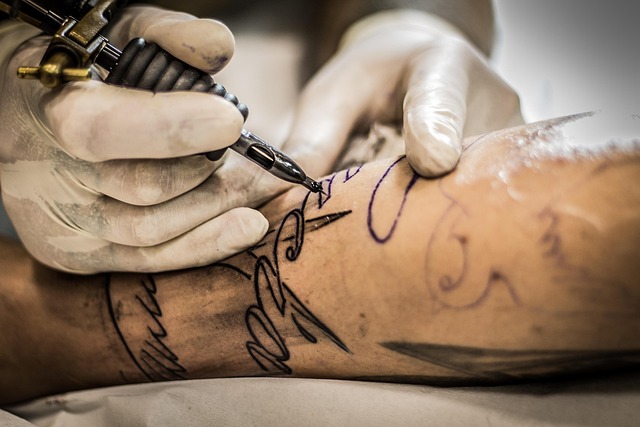
What Defines an American Traditional Tattoo Artist in Sean Da-anton’s Creative Journey
Sean Da‑anton on His Tattoo Journey, Building Pale Rose, and American Traditional Style
American traditional tattooing remains one of the most enduring art forms in Western visual culture. Its bold lines, limited palette, and symbolic power have shaped generations of artists. Among them, Sean Da‑anton has emerged as a defining figure whose practice bridges heritage and contemporary craft. His studio, Pale Rose, stands as both a workshop and a cultural statement—rooted in discipline, reverence for lineage, and an evolving sense of authenticity.
The Foundations of American Traditional Tattoo Art
The American traditional style is more than an aesthetic; it is a visual language built upon symbolism and continuity. Before exploring Da‑anton’s contribution, one must first grasp how this style became the backbone of modern tattoo artistry.
Defining the Core Principles of the American Traditional Style
Bold outlines form the skeleton of every design. The limited color palette—usually red, green, yellow, black—creates visual clarity that survives decades on skin. Symbolism is central: daggers for courage, swallows for loyalty, roses for love. Each motif carries layers of meaning shaped by seafaring life and working‑class identity. Heritage plays a vital role too; artists often trace their lineage through mentors rather than institutions. This generational transmission preserves both technique and ethos.
Evolution of the American Traditional Tattoo Artist
From early pioneers like Sailor Jerry to today’s practitioners, the american traditional tattoo artist has evolved from tradesman to cultural custodian. Maritime influences brought nautical themes; military service popularized patriotic motifs like eagles and anchors. Folk art traditions added narrative simplicity that made tattoos accessible to everyday people. Yet even as tools improved—from hand‑poked needles to electric machines—the core remained fidelity to linework and symbolism. Modern artists now face the challenge of balancing preservation with innovation without diluting authenticity.
Sean Da‑anton’s Artistic Formation
Sean Da‑anton’s trajectory mirrors the larger evolution of the style itself: rooted in tradition but constantly searching for new expression. His journey reflects a disciplined apprenticeship system where repetition builds mastery.
Early Influences and Entry into Tattooing
Da‑anton’s early exposure to visual culture came through classic flash sheets and mid‑century illustration. He entered tattooing through mentorships that emphasized technical rigor over stylistic experimentation. Apprenticeships taught him control—how to pull clean lines consistently and shade without overworking skin. Discipline was not optional; it was foundational to achieving permanence in design.
Developing a Personal Visual Language
Over time, Da‑anton began integrating classical motifs with subtle reinterpretations—roses rendered with softer gradients or tigers drawn with anatomical precision uncommon in older flash sets. His work explores symbolism beyond conventional iconography: faith, loss, resilience expressed through minimal yet deliberate detail. While many clients seek novelty, he maintains authenticity by grounding every piece in structural integrity rather than trend.
Building Pale Rose: A Studio Philosophy Rooted in Tradition
Pale Rose represents more than a physical space—it embodies Da‑anton’s philosophy about craft as ritual and community as legacy. The studio merges historical reverence with modern sensibility.
Conceptualizing Pale Rose as a Creative Space
Designed as both workshop and archive, Pale Rose preserves flash collections alongside contemporary works-in-progress. Its interior favors tactile materials—wood panels, brass fixtures—that echo early 20th‑century parlors where american traditional tattoo artist culture first thrived. Every architectural choice reinforces respect for lineage while providing a serene environment for focused craftsmanship.
Collaborative Dynamics Within Pale Rose
Collaboration defines daily life at Pale Rose. Artists exchange sketches, critique compositions, and share pigment mixing techniques that maintain color consistency across projects. Mentorship remains central: younger apprentices learn not only technical execution but ethical conduct—respecting client consent and honoring source imagery without appropriation. Community engagement extends beyond tattoo sessions through exhibitions that celebrate tattoo history and guest spots inviting cross‑regional dialogue among peers.
Technique, Symbolism, and Process in Da‑anton’s Work
Da‑anton’s technical precision distinguishes his portfolio within contemporary circles. Each piece demonstrates balance between mechanical control and emotional resonance.
Technical Mastery of Line, Color, and Composition
His linework shows near‑mathematical consistency; outlines neither waver nor close too tightly around shading fields. Saturated hues are applied sparingly yet decisively to enhance contrast without overpowering form. Composition follows timeless rules—symmetry when needed for clarity or asymmetry when narrative demands movement—ensuring tattoos age gracefully on skin even after years of wear.
Symbolic Frameworks Underpinning His Designs
Traditional motifs such as daggers or eagles appear frequently but are reinterpreted through subtle shifts in proportion or gesture that convey personal narratives unique to each client. Juxtaposition plays key role: pairing roses with hourglasses may suggest fleeting beauty; combining snakes with compasses evokes moral navigation amid chaos. Emotional depth arises not from complexity but restraint—the fewer elements used, the stronger their impact becomes over time.
Navigating Tradition and Modernity in Contemporary Tattoo Culture
Today’s tattoo landscape is globalized and digitalized; trends spread instantly across platforms once confined to subcultures. For artists like Da‑anton, maintaining integrity amid such flux requires deliberate choices anchored in principle.
Preserving Integrity Amidst Evolving Aesthetics
Digital media encourages stylistic hybridization that can erode distinct traditions if unchecked. Da‑anton counters this by teaching historical literacy within his studio—artists study archival flash before designing new pieces—to remind them that innovation grows best from knowledge of roots rather than imitation of novelty alone. Ethical concerns also surface around cultural borrowing; authenticity demands transparency about sources and intent.
The Future Trajectory of American Traditional Tattooing Through Da‑anton’s Lens
Looking ahead, Da‑anton anticipates subtle shifts rather than radical departures: finer needle groupings improving detail retention; biodegradable inks aligning craft with environmental responsibility; broader audience appreciation driven by museum exhibitions recognizing tattooing as legitimate art form. Yet he insists craftsmanship will remain central even amid technological change—the steady hand behind each line still defines value more than any digital tool ever could.
FAQ
Q1: What makes Sean Da‑anton stand out among american traditional tattoo artist peers?
A: His disciplined approach combines classical technique with refined symbolism while maintaining deep respect for historical lineage.
Q2: How does Pale Rose differ from typical studios?
A: It operates as both creative workspace and cultural archive emphasizing mentorship, heritage preservation, and ethical artistry.
Q3: What are common motifs in his tattoos?
A: Daggers, roses, eagles, snakes—all rendered with clean lines and balanced composition reflecting emotional storytelling.
Q4: How does he balance tradition with modern influences?
A: By studying archival material before creating new designs and using modern tools only when they enhance—not replace—craftsmanship principles.
Q5: What future trends might shape american traditional tattoo artist practice?
A: Increased focus on sustainable materials, academic recognition of tattoo history, and continued blending of fine art discipline with timeless folk aesthetics.