
Can Forearm Tattoo Styles Influence Eligibility Under Delhi High Court Review
Delhi High Court Questions MHA Guidelines Barring Candidates With Right Forearm Tattoos From Joining Armed Forces
Tattoo restrictions in armed forces recruitment have long reflected the tension between personal identity and institutional discipline. The Delhi High Court’s recent scrutiny of the Ministry of Home Affairs (MHA) guidelines barring candidates with right forearm tattoos marks a pivotal moment in administrative law. The court’s intervention signals that such blanket prohibitions may not withstand constitutional tests of equality and reasonableness. If revised, these rules could reshape how India’s uniformed services assess visible body art, particularly forearm tattoo styles that carry cultural or symbolic meaning.
Legal Context of Tattoo Regulations in Armed Forces Recruitment
The legal framework governing tattoo restrictions stems from administrative policies designed to maintain uniformity and decorum within disciplined forces. However, as social norms evolve, these regulations face increasing judicial examination.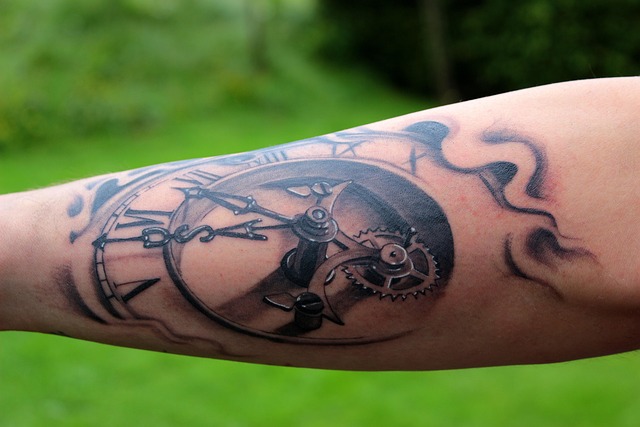
Overview of Existing MHA Guidelines on Tattoos
The Ministry of Home Affairs has issued detailed instructions restricting tattoos on visible body parts for candidates applying to paramilitary and armed forces roles. Among these, the prohibition of tattoos on the right forearm has been particularly contentious. The rationale lies in preserving visual uniformity during ceremonial duties where right arms are prominently visible during salutes or drills. These rules aim to prevent any form of distraction or deviation from standardized presentation.
The guidelines also reflect a broader institutional ethos—discipline and neutrality in appearance. Tattoos, especially those with political or religious connotations, are viewed as potential sources of discord within a regimented environment. Yet, critics argue that such reasoning fails to differentiate between innocuous designs and objectionable symbols.
Judicial Review and Constitutional Grounds
When administrative directions like tattoo bans are challenged, courts examine them through constitutional lenses such as Article 14, which guarantees equality before law. The judiciary applies proportionality and reasonableness tests to determine whether restrictions serve legitimate objectives without being excessive. In previous rulings concerning physical standards—such as height or eyesight—courts have upheld administrative discretion but emphasized fairness and non-arbitrariness.
Judicial precedents reveal that while service conditions can impose certain appearance norms, they cannot arbitrarily infringe upon personal expression unless justified by operational necessity. This evolving jurisprudence forms the backdrop against which the Delhi High Court now evaluates tattoo-related exclusions.
The Delhi High Court’s Examination of Tattoo Restrictions
The court’s inquiry into MHA’s tattoo rules reflects growing awareness that appearance-based exclusions must align with both constitutional rights and practical service requirements.
Key Issues Raised Before the Court
Central to the proceedings is whether eligibility should depend on a tattoo’s style, size, or placement rather than its mere existence. The court has questioned whether small or symbolic forearm tattoos truly undermine discipline or decorum. Judges have also probed how cultural or religious tattoo practices—common among several Indian communities—fit within rigid administrative frameworks.
This debate extends beyond aesthetics; it concerns balancing individual autonomy with collective identity within uniformed institutions.
Arguments Presented by Petitioners and Respondents
Petitioners contend that excluding candidates solely for having visible tattoos is arbitrary and disproportionate. They argue that modern society increasingly accepts body art as a form of personal expression unrelated to professional competence. Many applicants come from regions where traditional tattoos signify heritage rather than rebellion.
In contrast, government representatives defend the restriction as essential for maintaining decorum and operational readiness. They assert that visible tattoos could create inconsistencies in appearance during official ceremonies or interactions with civilians. The bench has queried whether similar standards apply uniformly across all forces or if inconsistencies exist between Army, Navy, Air Force, and paramilitary organizations.
Understanding Forearm Tattoo Styles in the Context of Eligibility
Recruitment authorities often classify forearm tattoo styles based on visibility and symbolism to determine acceptability during screening processes.
Classification of Common Forearm Tattoo Styles
Minimalist and Symbolic Tattoos
Minimalist designs—such as small geometric shapes or initials—are typically discreet and rarely interfere with official decorum. Their limited visibility raises questions about whether an outright ban serves any functional purpose. In many international military systems, such tattoos are tolerated if they remain covered by standard uniforms.
Traditional and Cultural Tattoos
Certain communities practice culturally significant tattooing on forearms as rites of passage or expressions of faith. When such markings conflict with formal appearance codes, legal complexity arises: does enforcing uniformity override cultural rights? Courts may need to weigh heritage protection against institutional discipline when evaluating these cases.
Elaborate or Full Forearm Tattoos
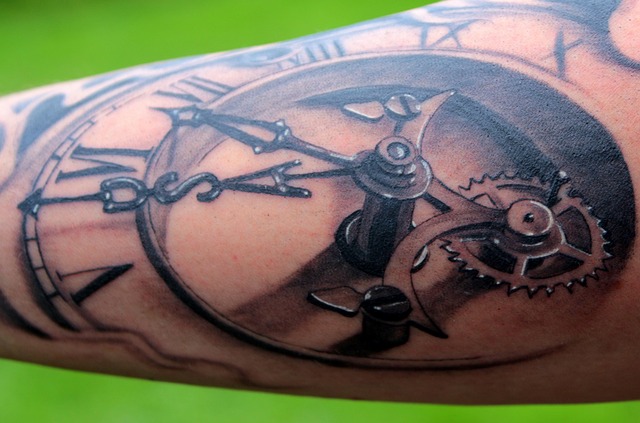
Larger designs covering substantial portions of the arm pose greater challenges for uniform presentation. Such tattoos can draw public attention during parades or media coverage, potentially detracting from collective identity. Hence, administrators often cite them when justifying stricter enforcement under MHA norms.
Evaluating Visibility and Professional Standards
Recruitment boards assess “visible” tattoos based on whether they remain exposed while wearing half-sleeve uniforms. Some guidelines distinguish between left and right forearms because saluting protocols make the right arm more publicly noticeable. Internationally, several defense organizations—including those in the UK and US—have relaxed earlier bans but still restrict offensive imagery or excessive coverage.
These comparative practices suggest India’s policy could evolve toward nuanced evaluation rather than categorical prohibition.
Implications for Policy Reform and Recruitment Standards
As judicial scrutiny intensifies, policymakers may need to revisit existing directives to align them with constitutional principles while retaining institutional cohesion.
Potential Outcomes of Judicial Scrutiny
If the Delhi High Court finds current MHA rules overly restrictive, it may direct revisions clarifying permissible tattoo types or placements. Such an outcome would influence ongoing recruitment cycles across paramilitary units like CRPF, BSF, and CISF where thousands of applications remain pending review due to tattoo disqualifications.
Need for Standardized Evaluation Criteria Across Forces
Currently, each force interprets tattoo norms differently—a gap that fuels litigation and confusion among aspirants. Establishing unified definitions for acceptable designs could streamline medical board assessments and reduce subjective interpretation during selection stages.
Medical officers play a crucial role here; their evaluations must balance health considerations (like infection risk) with aesthetic compliance under revised policies.
Balancing Individual Rights with Institutional Discipline
Reconciling personal freedom under constitutional protection with service expectations demands objective frameworks free from cultural bias. A transparent system distinguishing harmless artistic expression from disruptive symbols would uphold both equality principles and organizational integrity.
Broader Significance for Administrative Law and Recruitment Ethics
Beyond immediate recruitment implications, this case shapes broader debates on how state institutions regulate physical appearance within lawful boundaries.
Evolving Jurisprudence on Appearance-Based Eligibility Criteria
Judicial interpretations arising from this matter could redefine limits of administrative discretion across sectors—from police services to civil employment—where grooming standards persist as legacy controls over individuality.
Such jurisprudence underscores that fairness in public employment extends beyond written exams; it includes equitable evaluation of personal attributes shaped by culture or belief systems.
Ethical Considerations in Modernizing Recruitment Policies
Ethically sound recruitment frameworks must reflect inclusivity without compromising professionalism. As societal attitudes toward body art shift globally, rigid prohibitions risk alienating qualified candidates over superficial factors unrelated to merit or conduct.
A modernized approach would acknowledge diversity while maintaining decorum expected from those representing national institutions—a balance both ethical and pragmatic in today’s context.
FAQ
Q1: What prompted the Delhi High Court to question MHA’s tattoo guidelines?
A: The court intervened after candidates challenged their disqualification due to right forearm tattoos, arguing such exclusion violated equality principles under Article 14.
Q2: Are all tattoos banned for armed forces applicants?
A: No. Current rules primarily restrict visible tattoos on specific body parts like the right forearm; non-visible ones may be permitted subject to content review.
Q3: How do other countries treat visible military tattoos?
A: Many Western militaries allow non-offensive visible tattoos but prohibit extremist or discriminatory imagery to preserve professionalism without suppressing individuality.
Q4: Could MHA revise its policy after judicial review?
A: Yes. If courts find existing norms disproportionate, MHA may issue clarified criteria defining acceptable sizes, placements, or symbolic meanings for evaluation boards.
Q5: Do cultural tattoos receive special consideration?
A: Courts often recognize traditional markings tied to heritage but expect balanced assessment ensuring they do not conflict with operational discipline standards within forces.