
Traditional American tiger tattoo meaning, design choices, and placement guide
What a traditional American tiger tattoo means
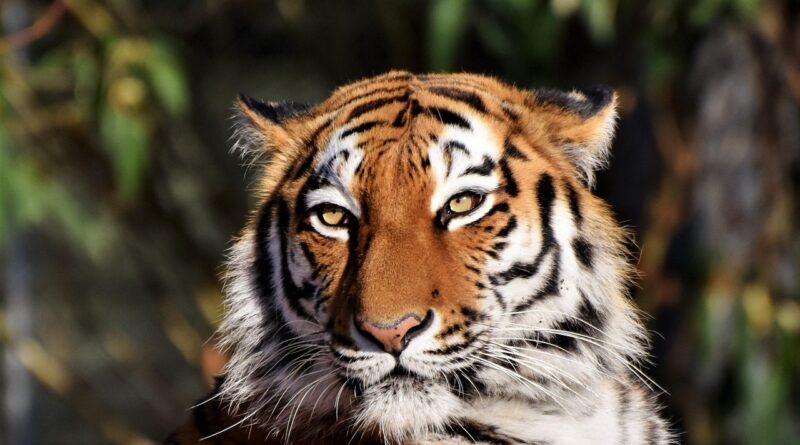
A traditional American tiger tattoo usually stands for courage, protection, power, independence, and a refusal to back down. In old-school tattoo language, the tiger is not treated like a natural-history illustration. It is reduced to a strong, readable image: heavy black outlines, saturated color, fierce eyes, sharp teeth, and a compact shape that can be recognized quickly from a distance.
That direct visual language is why the tiger works so well in American traditional tattooing. It can stand alone as a head, crawl across a forearm, fill a thigh, or sit inside a larger flash-inspired composition with roses, daggers, flames, banners, or clouds.
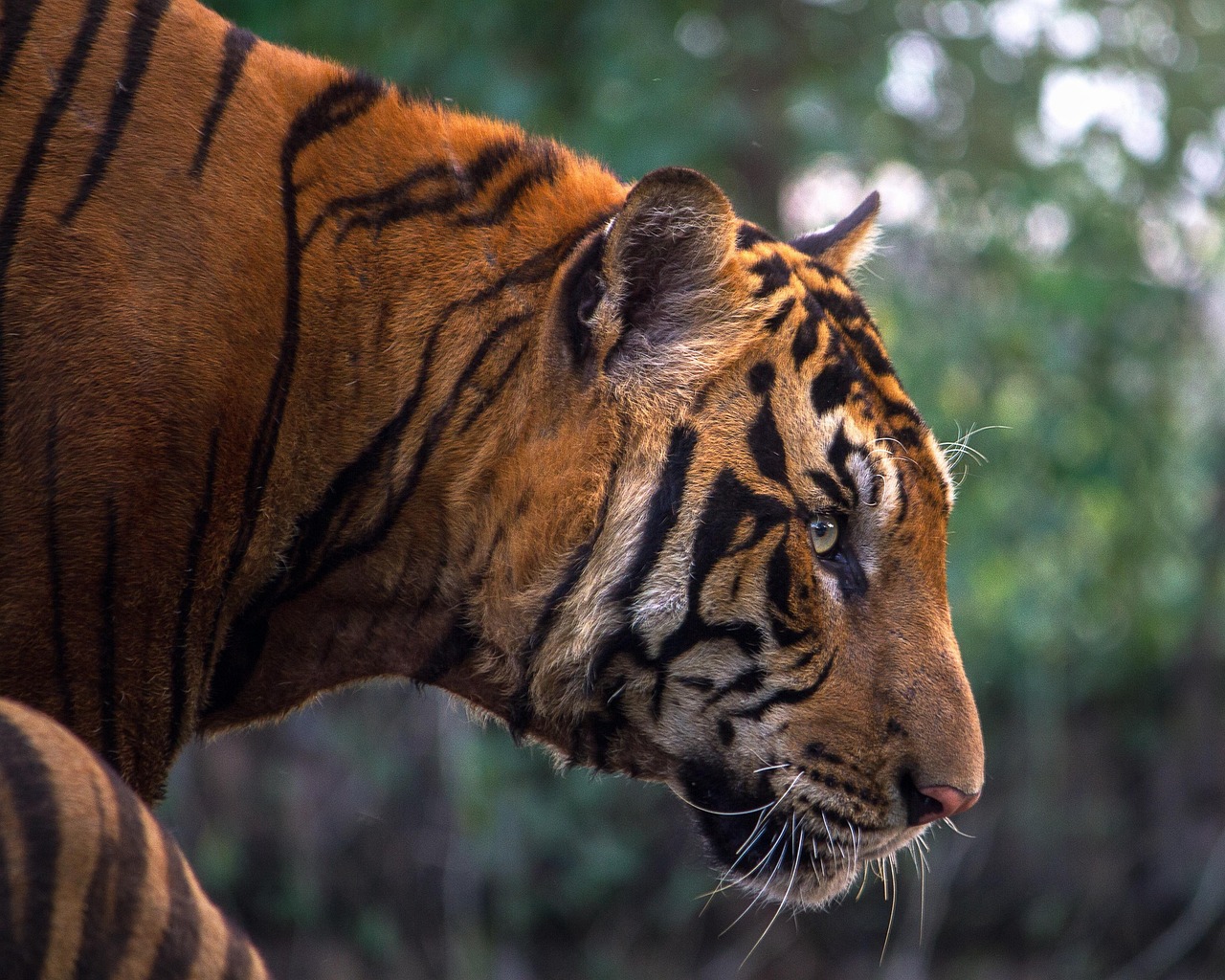
The meaning is not the same for every wearer. Some people choose the tiger as a personal emblem of resilience after a difficult period. Others are drawn to its connection with confidence, alertness, and self-protection. Museum sources on East Asian art commonly describe the tiger as a protective and powerful animal, while American tattoo history connects bold animal designs with sailor, military, and street-shop flash traditions. In a modern tattoo, those histories often meet in a design that feels aggressive, decorative, and symbolic without needing a long explanation.
If you are comparing tiger designs with other motifs, browse more guides in the tattoo styles section before narrowing your idea.
Why the tiger fits the American traditional style
American traditional tattooing is built for clarity. Its classic visual grammar favors bold black keylines, simplified shapes, compact shading, and a limited but high-contrast palette. That approach developed partly because tattoos had to remain legible on skin, not just look impressive on paper. The U.S. Navy’s historical material on sailor tattoos and Smithsonian coverage of tattoo history both point to seafaring culture as an important pathway for tattoo imagery in the West. Over time, flash sheets, port-city shops, and military communities helped turn certain symbols into recognizable tattoo shorthand.
The tiger fits that system because it has a strong silhouette. A snarling tiger head can be reduced to eyes, stripes, muzzle, teeth, and whiskers without losing its identity. A crawling tiger can be stylized through a curved back, long tail, extended claws, and striped body. The design does not need soft realism to communicate motion or threat. In fact, too much detail can weaken a traditional tiger at a smaller size, because fine fur textures and subtle gradients may blur together as the tattoo ages.
Traditional tattooing also relies on immediate emotional impact. Eagles look proud, daggers look decisive, panthers look fast, and tigers look alert and dangerous. A tiger can feel more controlled than a roaring panther and more personal than an eagle. It suggests power held close to the body rather than power displayed as a national or military emblem.
Classic design elements to discuss with your artist
A strong tiger tattoo starts with a clear design brief. Instead of asking only for a tiger, decide what kind of tiger you want, what attitude it should have, what size makes sense, and which supporting elements fit your body and long-term taste.
Tiger head or full-body tiger
A tiger head is the most direct choice. It works well on the upper arm, chest, knee, calf, hand, or shoulder because the face can be centered and symmetrical. The expression does most of the work. A full-body crawling tiger has more movement and usually needs a longer placement such as the forearm, thigh, ribs, shin, or side of the torso. It can look more dynamic, but it also needs enough room for the head, body, legs, paws, tail, and stripes to breathe.
Expression, teeth, and eyes
Small design decisions can change the mood quickly. Open jaws and visible teeth make the tattoo feel confrontational. A closed mouth can make it feel calm, guarded, or watchful. Wide eyes create intensity; narrowed eyes feel more suspicious or predatory. In traditional work, these features should be simple enough to stay readable after healing. If the design depends on tiny pupils, thin whiskers, or delicate fur strokes, it may be moving away from the traditional approach.
Color palette and contrast
Classic American traditional color often uses black, red, yellow, green, and sometimes brown or blue. For a tiger, orange or yellow body color, black stripes, red mouth details, and pale teeth create a familiar old-school effect. Black-and-grey traditional tigers can also work, especially if the artist keeps the outline strong and the stripe pattern bold. The key is contrast. A tiger with weak stripes or low contrast may lose impact, especially on placements that move often or receive frequent sun exposure.
Flowers, daggers, banners, and background shapes
Roses soften the aggression and add a classic flash feel. A dagger can push the design toward themes of conflict, survival, or decisiveness. A banner can carry a name, phrase, or date, but the lettering needs to be large enough to heal cleanly. Flames add energy; clouds or wind lines can connect the tiger to East Asian visual traditions without making the piece fully Japanese. Keep supporting elements secondary. If everything competes for attention, the tiger stops being the focal point.
Placement and sizing guide
Placement should be planned around both the design and the way the body moves. Traditional tiger tattoos benefit from enough space for bold linework and clear negative space. A design that looks sharp as a large stencil can become crowded if it is compressed into a small area.
| Placement | Works well for | Planning note |
|---|---|---|
| Upper arm | Tiger head, crawling tiger, tiger with roses | A balanced choice with enough room for classic flash proportions. |
| Forearm | Long crawling tiger or vertical tiger head | Consider how the design reads when the arm is relaxed and turned. |
| Chest | Large tiger head or paired tiger composition | Good for symmetry, but the sternum and collarbone areas can be more intense. |
| Thigh | Full-body tiger, tiger with dagger, large color piece | Offers space for movement, stripes, and supporting elements. |
| Knee | Round tiger head | Visually striking, but the shape must account for bending and swelling during healing. |
| Hand | Simplified tiger head | High visibility and higher wear; many artists are selective about hand tattoos. |
For a first traditional tiger, the upper arm, forearm, calf, or thigh is often easier to plan than the hand, knee, neck, or ribs. High-movement areas and high-sun areas can still work, but they require more careful aftercare and realistic expectations. A traditional tiger should not be sized only by budget. If the design needs six inches to read clearly, shrinking it to three inches may compromise the face, stripes, and mouth details.
American traditional tiger vs Japanese tiger tattoo
Tiger imagery appears in several tattoo traditions, so it helps to understand what makes the American version different. Japanese tiger tattoos are often connected to irezumi composition, larger body flow, wind, clouds, bamboo, waves, and a strong relationship between the main figure and the background. Museum writing on East Asian art describes the tiger as a long-standing symbol of power and protection, and the tiger-and-dragon pairing is especially important in Chinese, Japanese, and Korean visual culture.
The American traditional tiger usually works differently. It is often more compact, graphic, and flash-oriented. The design may borrow some motion or ferocity from Asian tiger art, but it tends to reduce the animal into a bolder, more emblematic form. A Japanese tiger sleeve might wrap through clouds and background across the arm. An American traditional tiger might sit as a single, self-contained image that can be recognized instantly. See also: tattoo care.
| Feature | American traditional tiger | Japanese tiger |
|---|---|---|
| Linework | Heavy black outline and simple interior shapes | Strong lines with more flowing body movement and background integration |
| Composition | Often a standalone flash-style image | Often part of a larger body composition |
| Color | Limited, high-contrast palette | Can use broader color transitions and layered backgrounds |
| Common mood | Bold, direct, confrontational, graphic | Powerful, mythic, dynamic, atmospheric |
| Best use | Arms, legs, chest pieces, flash collections | Sleeves, back pieces, ribs, large flowing work |
Neither style is automatically better. The right choice depends on whether you want a compact emblem or a larger flowing composition. If you like both, ask an artist who understands both traditions to help you avoid a mix that looks accidental.
Planning, safety, and aftercare
A tiger tattoo depends heavily on execution. Look for healed examples, not only fresh photos. Fresh tattoos often appear brighter and sharper than healed work, so healed photos show whether the artist’s lines, color packing, and shading remain clean. Ask whether the artist enjoys American traditional work specifically. A strong realism artist is not automatically the right person for a classic tiger head, and a fine-line specialist may not be the right fit for a heavy old-school piece.
Before the appointment, confirm that the studio follows sterile practice, uses single-use needles, and explains aftercare clearly. The U.S. Food and Drug Administration has noted that tattoo inks can be associated with infections and allergic reactions, and CDC guidance on tattoo-related infection prevention emphasizes sterile ink, sterile water, and hygienic procedures. These points matter for every tattoo style, but large color tattoos can involve more skin trauma and longer sessions, so studio hygiene and aftercare are not minor details.
Aftercare instructions can vary by artist and bandage method, so follow the instructions given for your specific tattoo. In general, keep the tattoo clean, avoid picking at scabs or flakes, and do not soak it while it is healing. Dermatology guidance from the American Academy of Dermatology recommends moisturizing dry tattooed skin with a water-based lotion and protecting healed tattoos from ultraviolet exposure with broad-spectrum, water-resistant sunscreen of SPF 30 or higher. Sun exposure is one of the main reasons color tattoos lose brightness over time.
If you notice spreading redness, unusual swelling, pus, fever, severe pain, or a rash that does not settle, contact a qualified medical professional. A tattoo can be art, but it is also a controlled wound during the healing period.
How to brief your artist
Bring references, but do not ask for a direct copy of another person’s tattoo. A better brief is specific without being rigid. For example: a palm-sized American traditional tiger head for the upper arm, open mouth, yellow-orange face, black stripes, red mouth, and two red roses. That gives the artist enough direction while leaving room for a custom drawing that fits your body.
It also helps to state what you do not want. If you do not want a Japanese-style background, realistic fur, blue eyes, a cartoon expression, or a banner, say so early. Clear limits prevent revisions later. Ask for a stencil size that keeps the stripes, teeth, and eyes readable. If the artist recommends going larger, take that advice seriously; traditional tattoos often look stronger when the design has room to breathe.
Frequently asked questions
Is a traditional American tiger tattoo only for men?
No. The design is not gender-specific. The tiger can be aggressive, elegant, protective, decorative, or symbolic depending on composition, placement, scale, and color. A bold tiger head on the shoulder and a smaller tiger with roses on the calf can carry very different moods while still belonging to the same style family.
Can a tiger tattoo be done in black and grey?
Yes. While many traditional tiger tattoos use yellow, orange, red, and black, a black-and-grey version can still look traditional if the outline is strong, the contrast is high, and the shapes are simple. The risk is that the tattoo may drift toward realism if the artist adds too much soft shading and fine texture.
What size should a traditional tiger tattoo be?
The right size depends on placement and complexity. A simple tiger head can be smaller than a full-body crawling tiger, but the eyes, stripes, teeth, and whiskers still need enough space. If the design includes roses, a dagger, or a banner, plan for a larger tattoo rather than forcing every element into a small stencil.
Does a tiger tattoo have to look angry?
No. Many traditional tigers snarl because the open mouth creates a strong visual center, but a calm or watchful tiger can be just as effective. A closed-mouth tiger may feel more protective than aggressive. Discuss the emotional tone before the drawing stage.
How do I keep the color looking strong?
Choose an artist with healed color work, follow aftercare instructions, avoid picking during healing, moisturize when the skin is dry, and protect the healed tattoo from sun. Over time, all tattoos change with the skin, but strong design, proper healing, and sun protection give a traditional tiger its best chance to remain readable.