
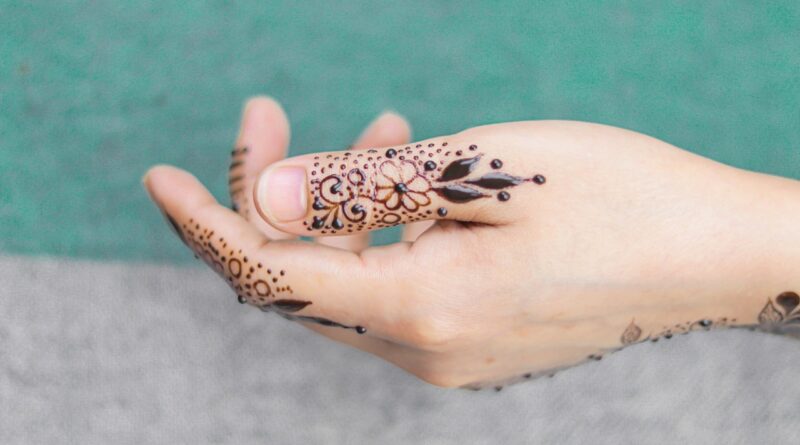
New style of tattoo trends and how to choose a modern design
What does a new style of tattoo mean today?
A new style of tattoo is not a single category. In current tattoo culture, the phrase usually refers to delicate linework, micro realism, cybersigilism, ornamental blackwork, fine script, patchwork placement, and designs shaped by social media aesthetics. The main shift is that many people now want tattoos that feel personal, wearable, and designed for the body rather than copied directly from a fixed sheet of flash. The harder question is which modern styles are short-term visual trends, which have deeper roots, and which choices will still look clear after years of sun exposure, skin movement, and natural ink softening.
That makes style selection more important than simply choosing an image. A tiny pet portrait, a sharp cyber-inspired spine piece, and a fine-line floral sleeve can all look current, but they call for different artists, line weights, placements, and expectations. If you are comparing tattoo styles, the most useful question is not only what looks new, but what suits your skin, body area, lifestyle, and tolerance for future touch-ups.

The biggest shift is from fixed flash to personal visual language
Traditional tattoo flash still matters. Classic American traditional, Japanese, blackwork, and neo-traditional styles remain influential. What feels newer is the way clients combine references from fashion, gaming, pop culture, digital art, architecture, jewelry, and personal memory into custom compositions. Instead of asking for one established symbol, many clients arrive with a mood board: a line texture, a placement idea, a memory, a color palette, and a desired feeling.
This shift reflects broader acceptance of tattoos. Pew Research Center reported in August 2023, based on a July 10-16, 2023 survey of U.S. adults, that 32% of American adults had at least one tattoo, including 22% who had more than one. The same analysis found that 69% of tattooed adults said honoring or remembering someone or something was a major or minor reason for getting tattooed, while 47% cited making a statement about beliefs and 32% cited improving personal appearance. Those numbers help explain why many modern tattoo choices blend meaning and aesthetics rather than treating them as separate goals.
Editorial trend coverage in 2025 and 2026 from beauty and tattoo publications has repeatedly pointed to micro realism, fine-line florals, cybersigilism, ornamental placement, fine script, retro imagery, charms, and body-contouring designs. These reports are best read as trend signals, not permanent rankings. A style can be popular online and still require careful technical judgment when it is translated into real skin.
Modern tattoo styles to know
Fine line and fine script
Fine-line tattoos use thin, delicate marks to create florals, symbols, small illustrations, abstract details, or script. Fine script focuses on names, phrases, dates, or short words written in a light handwritten or cursive style. These tattoos often appeal to first-time clients because they can feel subtle, elegant, and easy to place on the wrist, ribs, collarbone, ankle, neck, or arm.
The strength of fine linework is restraint. The risk is that very thin lines can soften, spread, or lose contrast over time, especially if the design is too small or placed on high-friction skin. A skilled artist will simplify tiny details, leave enough negative space, and recommend a size that allows the design to breathe. If a reference image looks crisp mainly because it was photographed immediately after the session, ask how similar work looks after one, three, or five years.
Micro realism
Micro realism translates realistic images into a small format. Common subjects include pets, portraits, flowers, film stills, statues, insects, architecture, jewelry-like objects, and meaningful everyday items. The style depends on controlled shading, soft contrast, and careful use of small details. Its appeal comes from compressing a detailed image into a compact piece of skin.
The limitation is scale. Skin is not paper, and ink does not remain perfectly fixed forever. A micro-realistic portrait may need more room than a client expects, especially if the subject includes eyes, fur, hair, lettering, or complex highlights. For longevity, larger micro realism often ages better than ultra-tiny realism. Strong value contrast and smart simplification usually matter more than squeezing every detail from the reference photo into the design.
Cybersigilism and neo-tribal blackwork
Cybersigilism, sometimes discussed alongside cyber tribal or neo-tribal blackwork, uses sharp black linework, spikes, symmetrical forms, abstract symbols, and digital or gothic-looking shapes. It can look like a mix of circuit patterns, occult sigils, biomechanical influence, Y2K graphics, and ornamental blackwork. The style has become highly visible on social platforms because it photographs dramatically and often follows the natural centerlines of the spine, sternum, shoulders, hips, or limbs.
The important distinction is that cybersigilism is not the same as Indigenous tribal tattooing. Because some modern designs borrow from the visual memory of 1990s tribal trends, clients and artists should pay attention to cultural context. Abstract black shapes are not automatically a problem, but copying sacred or culturally specific motifs without understanding is avoidable. A stronger approach is to build custom forms from body flow, personal symbolism, and original linework.
Ornamental and body-flow designs
Ornamental tattoos use repeated lines, dots, symmetry, lace-like structures, geometric elements, and decorative motifs to frame the body. They often appear on sternums, backs, shoulders, hips, wrists, and legs. Some designs are purely decorative, while others borrow from architecture, jewelry, botanical forms, or spiritual geometry.
Body-flow design is one of the most important ideas in modern tattooing. Instead of treating skin as a flat poster, the artist places shapes so they move with muscles, bones, and posture. A shoulder piece may wrap around the deltoid; a sternum design may follow the ribcage; a spine design may use symmetry to lengthen the back. This planning can make even a minimal tattoo feel intentional.
Patchwork, sticker-style, retro, and charm tattoos
Patchwork tattooing describes a collection of separate pieces placed across an arm, leg, torso, or body area over time. The pieces may share a theme, or they may look like a curated collage. Sticker-style tattoos, tiny charms, retro objects, chrome effects, bows, stars, fruit, insects, and nostalgic icons all fit into this broader movement when they are placed as individual visual moments rather than one connected sleeve.
The benefit is flexibility. A person can add designs gradually without committing to a full sleeve at once. The drawback is planning. If spacing, scale, and style are inconsistent, a patchwork collection can look accidental instead of curated. Even when the goal is casual, it helps to decide whether the collection will be mostly black, mostly color, fine-line, bold, realistic, cartoon-like, or intentionally mixed. See also: tattoo care.
How new tattoo styles compare
| Style | Common look | Works well for | Main caution |
|---|---|---|---|
| Fine line | Thin, delicate outlines and light detail | Florals, symbols, small illustrations, subtle first tattoos | Can soften if too small or placed on high-friction areas |
| Fine script | Light cursive or handwritten lettering | Names, dates, short phrases, memorial designs | Letters need enough spacing to stay readable |
| Micro realism | Small realistic shading and detail | Pets, portraits, objects, architecture, flowers | Too much detail at tiny scale may blur over time |
| Cybersigilism | Sharp black abstract forms, spikes, symmetry | Spine, sternum, shoulders, hips, body-flow pieces | Needs precise linework and cultural awareness |
| Ornamental | Decorative symmetry, dots, fine lines, lace-like structure | Body-framing tattoos, sternum, back, wrists, legs | Dense detail needs enough skin space |
| Patchwork | Separate tattoos arranged as a collection | Gradual sleeves, mixed memories, flexible collecting | Requires spacing and style planning |
What makes a modern tattoo age well?
A tattoo that looks new today still has to live in skin for years. Longevity depends on more than style names. Line weight, contrast, placement, sun exposure, skin texture, aftercare, and artist skill all affect how a design settles. Bold traditional tattoos are known for long-term readability because they use strong outlines and clear shapes. Many newer styles can also age well, but they need enough size and space.
For fine-line and micro-detail work, the common risk is crowding. Lines that look separate on day one can visually merge as ink settles. Small shaded areas can become muddy if the tonal range is too compressed. This does not mean delicate tattoos are a poor choice. It means the design should be edited for skin rather than copied from a high-resolution digital image.
Placement also matters. Areas that experience frequent rubbing, stretching, washing, or sun exposure may fade faster or need more maintenance. Hands, fingers, feet, elbows, knees, waistbands, and areas under tight straps can be challenging. The American Academy of Dermatology advises protecting healed tattoos from ultraviolet light with broad-spectrum, water-resistant sunscreen of SPF 30 or higher, because UV exposure can fade some tattoo inks. That is especially relevant for delicate color, pale shading, and fine-line designs.
How to choose a new-style tattoo without chasing a trend
The safest way to approach a new style of tattoo is to separate inspiration from execution. Inspiration can come from social media, fashion, art, music, heritage, or memory. Execution should come from an artist who understands the specific technique and can adapt it to your body.
- Start with the reason. Decide whether the tattoo is mainly symbolic, decorative, commemorative, identity-based, or part of a larger collection.
- Choose the style before the exact image. A rose can be traditional, fine-line, micro-realistic, ornamental, abstract, or cyber-inspired. The style changes the entire result.
- Match scale to detail. If you want realism, faces, animals, lettering, or complex shading, be open to a larger size.
- Think about placement early. A design for the spine will not work the same way on the wrist. Body-flow pieces should be drawn for the body area.
- Ask for healed examples. Fresh photos show technical cleanliness, but healed photos show whether the artist’s choices hold up.
- Avoid copying culturally specific symbols casually. If a design references religious, Indigenous, sacred, or heritage motifs, research the meaning and discuss it honestly with the artist.
- Plan for future tattoos. If you may want a sleeve, patchwork leg, or full back, leave space and keep a consistent visual direction.
Safety should be part of the style decision
Modern tattoo design often focuses on aesthetics, but safety is not separate from style. A complex tattoo may require a longer session, more skin trauma, more shading, or multiple appointments. A very small tattoo may seem simple, but it can still carry risk if it is done in an unsafe environment.
The U.S. Food and Drug Administration issued final guidance on tattoo ink contamination in October 2024, focusing on insanitary conditions in the preparation, packing, and holding of tattoo inks and the risk of microbial contamination. The FDA also notes that tattoos can involve risks such as infections, allergic reactions, scarring, granulomas, and rare swelling or burning during MRI exams. These points do not mean people should avoid tattoos altogether; they mean the studio, artist, ink handling, hygiene process, and aftercare instructions matter.
Before booking, confirm that the artist works in a licensed environment where single-use needles, proper barriers, clean workstations, and professional sterilization practices are standard. Discuss allergies, skin conditions, medications, pregnancy, immune concerns, and healing history when relevant. Follow the artist’s aftercare instructions, and seek medical advice if redness spreads, pain worsens, pus appears, fever develops, or a rash becomes severe.
Frequently asked questions
What is the most popular new style of tattoo?
There is no single verified global ranking for the most popular new tattoo style. Current trend coverage and social media visibility point to fine linework, micro realism, cybersigilism, ornamental designs, fine script, and patchwork collections as major modern directions. Popularity can also vary by city, artist community, age group, and platform.
Is cybersigilism the same as tribal tattooing?
No. Cybersigilism is a contemporary abstract blackwork style influenced by digital aesthetics, sharp geometry, gothic forms, and personal symbolism. It can visually overlap with neo-tribal shapes, but it should not be treated as the same as Indigenous tribal tattooing, which may carry specific cultural, family, spiritual, or historical meanings.
Do fine-line tattoos fade faster?
Fine-line tattoos can lose crispness faster when they are too small, too crowded, poorly placed, or exposed to frequent sun and friction. However, well-planned fine-line tattoos can age attractively when the artist uses appropriate spacing, the design has enough scale, and the wearer protects healed skin from UV exposure.
Is micro realism a good choice for a first tattoo?
It can be, especially for someone who wants a meaningful pet, object, flower, or portrait tattoo. The key is choosing an artist with healed examples of micro realism and accepting the size needed for clarity. A slightly larger piece often looks better long term than a highly detailed image forced into a tiny area.
How do I make a modern tattoo feel personal instead of trendy?
Use trends as a visual starting point, not as the whole concept. Personal meaning can come from placement, composition, a memory, a symbol, a private reference, or the way the design interacts with your body. A custom tattoo that fits your life and skin will usually feel more lasting than a direct copy of a viral image.