

Goth style tattoo ideas, meanings, and placement guide
What makes a goth style tattoo distinct?
A goth style tattoo combines dark visual themes with personal symbolism. It usually relies on black ink, strong contrast, ornate detail, and imagery tied to mortality, romance, mystery, faith, decay, literature, or night. It is not a single tattoo technique. It can overlap with blackwork, fine line, dark art, illustrative realism, ornamental tattooing, and Gothic or blackletter script. The strongest designs feel intentional, not simply dark for the sake of it: the mood, symbol, placement, and level of detail all need to work together.
For readers comparing tattoo aesthetics, goth sits within a wider family of expressive tattoo styles. What separates it is tone. A rose can read as traditional, botanical, or goth depending on whether it is paired with thorns, candle smoke, skulls, mourning jewelry, a cathedral window, or a thin black veil of shading.
Where the goth tattoo look comes from
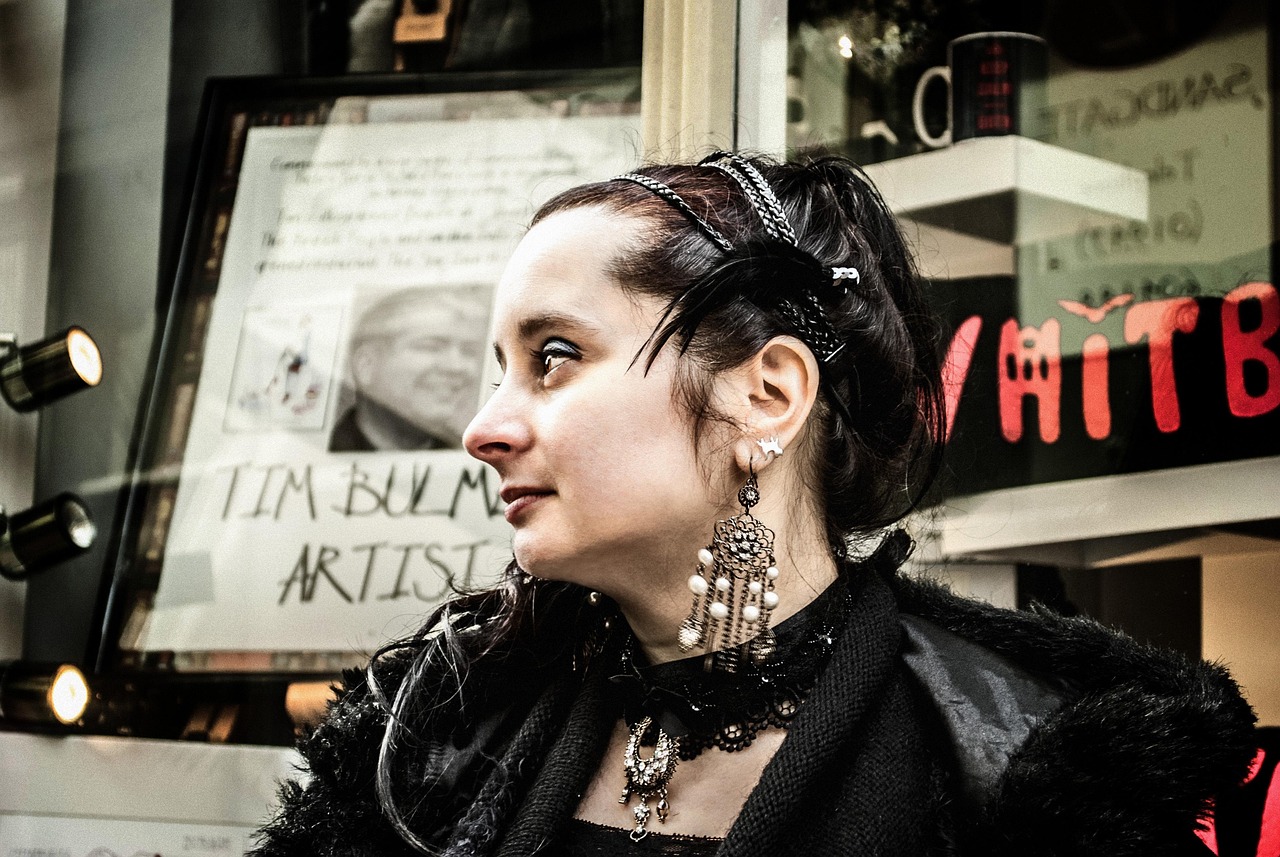
Modern goth style draws from several sources rather than one fixed origin. Cultural histories generally connect goth subculture to late 1970s and early 1980s post-punk and gothic rock scenes, especially in the United Kingdom. Its visual language later expanded through fashion, club culture, literature, horror cinema, medieval references, Victorian mourning dress, religious architecture, and dark romantic art.
That range explains why goth tattoos can look very different from one person to another. One design may use a delicate bat and crescent moon in fine line. Another may use a full blackwork back piece shaped like cathedral tracery. A third may focus on blackletter script across the chest. All can fit the goth category if the design carries the same atmosphere of shadow, drama, symbolism, and controlled elegance.
It is also useful to separate Gothic and goth. Gothic, with a capital G, often points to medieval art, architecture, or later Gothic literature. Goth usually refers to the modern subculture and aesthetic. Tattoo designs often borrow from both: pointed arches and manuscript lettering from historical Gothic sources, plus music-scene darkness, fashion, and personal identity from modern goth culture.
Common goth tattoo motifs and what they can mean
Symbolism matters in goth tattooing because many designs use familiar dark imagery. The meaning is not universal, so it should be defined before the artist turns the idea into a permanent design. A skull may express mortality, survival, humor, grief, or rebellion depending on the composition. A candle may suggest memory, ritual, knowledge, or life burning down with time.
- Bats: Often linked with night, transformation, intuition, and outsider identity. They work well as small black silhouettes or as larger winged compositions.
- Ravens and crows: Commonly used for memory, prophecy, intelligence, death, or the unknown. They are strong choices for shoulder, chest, back, and forearm designs.
- Roses, thorns, and dead flowers: These add romance and vulnerability. A wilted rose can shift the design from pretty to melancholic.
- Skulls and bones: Classic symbols of mortality. They can be realistic, illustrative, ornamental, or almost abstract.
- Cathedral windows and arches: These bring an architectural mood and are useful for symmetrical placements such as the sternum, spine, or upper back.
- Candles, mirrors, keys, and books: These motifs suggest ritual, memory, secrets, self-knowledge, or hidden histories.
- Blackletter script: Sometimes called Gothic or Old English lettering, it can create a strong medieval or devotional feel, but it must remain readable at tattoo scale.
- Moons, daggers, snakes, and sacred hearts: These motifs can lean mystical, romantic, dangerous, or devotional depending on the surrounding elements.
The most effective goth tattoos usually avoid stacking every symbol into one piece. A focused tattoo with one main subject and one or two supporting details often ages better visually than an overcrowded design.
Goth style tattoo compared with related styles
Many people search for a goth tattoo when they may actually be looking for blackwork, dark art, fine line, or blackletter. These categories overlap, but they are not identical. Knowing the difference helps when choosing references and explaining the brief to an artist.
| Style | Typical look | How it connects to goth tattoos |
|---|---|---|
| Blackwork | Solid black ink, high contrast, patterns, bold silhouettes, ornamental fills | Often used for bats, cathedral shapes, thorns, sigils, and dramatic negative space |
| Dark art | Macabre, horror-influenced, surreal, sometimes realistic or heavily shaded | Useful for skulls, demons, decay, haunted portraits, and unsettling symbolism |
| Fine line | Thin lines, lighter detail, minimal shading, smaller scale | Works for delicate moons, tiny bats, script, lace, small daggers, or subtle floral designs |
| Ornamental | Symmetry, filigree, lace-like detail, geometry, decorative pattern | Strong for sternum, spine, hand, and throat-inspired compositions with Gothic mood |
| Blackletter | Dense calligraphic lettering inspired by historical manuscript forms | Common for names, phrases, dates, devotional words, and statement placements |
A useful distinction is this: goth describes the mood and cultural language, while blackwork, fine line, realism, and lettering describe execution. A goth style tattoo can be technically simple or complex, but it should have a clear visual point of view.
Design choices that affect how the tattoo will age
Goth tattoos often rely on black ink, fine detail, heavy shadow, and small symbolic objects. These can look powerful on fresh skin, but they need enough space to remain readable over time. Tattoo lines naturally soften as skin heals and ages. Very tiny details, narrow gaps, and miniature lettering can blur together if the design is too small for the amount of information inside it.
Contrast and negative space
Contrast is one of the most important tools in goth tattooing. Solid black areas can make a piece feel bold and permanent, while untouched skin creates light. Cathedral windows, lace, bat wings, and thorn patterns often depend on this balance. If every area is dark, the design may lose shape from a distance.
Line weight and scale
Thin lines can suit delicate goth designs, but they are not always the right choice for every symbol. Blackletter, spiderwebs, filigree, and small ornamental patterns need careful scaling. A phrase that looks beautiful on paper may become difficult to read if it is compressed onto a wrist or finger.
Color decisions
Many goth tattoos use black and grey, but small accents of red, deep purple, muted blue, or bone white can work when used with restraint. Red drops on a black rose, a tiny flame in a candle, or a muted halo behind a sacred heart can add focus without turning the design into a full-color piece.
Reference quality
Bring references for mood, not only exact images to copy. A strong reference set may include one image for the subject, one for shading, one for lettering or ornament, and one for placement. This gives the artist direction while leaving room for an original composition. See also: tattoo care.
Placement ideas for different goth tattoo concepts
Placement changes the meaning and visual effect of a goth tattoo. A bat behind the ear feels discreet and playful. A blackwork raven across the ribs feels dramatic. A sternum design with arches and thorns can feel ceremonial. Before choosing placement, think about visibility, pain tolerance, clothing, workplace expectations, and how the design will move with the body.
- Forearm: Good for readable symbols, ravens, roses, daggers, keys, candles, and medium script. It is visible and works well for vertical compositions.
- Upper arm: Useful for larger designs with shading, frames, portraits, or dark floral work. It can also expand into a sleeve later.
- Chest and sternum: Strong for symmetrical ornamental goth designs, sacred hearts, cathedral shapes, and winged motifs. These placements require careful planning around anatomy.
- Back and spine: Ideal for tall Gothic arches, blackletter phrases, moths, swords, skeletal forms, and large architectural pieces.
- Hands and fingers: Visually striking but demanding. Small script, symbols, and fine details may fade or blur faster here because the skin experiences frequent movement and exposure.
- Neck and throat: High-impact placements suited to committed collectors. These areas are visible, sensitive, and should be approached with extra care.
- Legs: Good for larger dark art pieces, framed florals, skulls, and vertical ornamental patterns with room for detail.
If this is a first tattoo, a small to medium design on the upper arm, outer forearm, calf, or upper back is often easier to manage than hands, ribs, throat, or sternum. That is not a rule, but it is a practical planning point.
Safety, aftercare, and planning before the appointment
A goth tattoo is still a skin procedure, no matter how artistic the design is. The U.S. FDA describes tattoos as permanent marks made by inserting colored ink into the skin with needles or similar equipment. The agency also warns that contaminated ink and unsafe practices can lead to adverse reactions. In June 2023, the FDA issued guidance focused on insanitary conditions in tattoo ink manufacturing and distribution because microbial contamination is a recognized concern.
The CDC has also documented infection investigations connected with tattoo ink, showing that problems can occur even when a studio appears to follow normal hygiene practices. For readers, the practical lesson is not fear; it is preparation. Choose a licensed studio where required by local rules, ask about sterilization, confirm that single-use needles and ink caps are used, and follow the artist’s aftercare instructions carefully.
- Do not get tattooed over irritated, sunburned, or broken skin.
- Tell the artist about relevant allergies or skin sensitivities before the session.
- Ask how the stencil size supports long-term readability, especially for blackletter or fine detail.
- Avoid copying another person’s custom tattoo. Use references to guide a new design.
- Follow cleaning and moisturizing instructions exactly, and avoid soaking the tattoo while it heals.
- Seek medical advice if redness, swelling, pain, discharge, fever, or unusual symptoms worsen instead of improving.
Planning also includes emotional clarity. Many goth motifs touch grief, death, devotion, or identity. If the design includes a memorial date, religious symbol, or phrase in another language, verify spelling, meaning, and personal significance before the stencil is applied.
Frequently asked questions
Is a goth style tattoo always black?
No. Black is common because it supports contrast, shadow, and a darker mood, but goth tattoos can include grey shading or restrained color accents. The design still reads as goth when the composition, symbols, and atmosphere feel dark, romantic, mysterious, or macabre.
What is the difference between goth and Gothic lettering tattoos?
Goth is a broad aesthetic connected with dark subculture, music, fashion, and symbolism. Gothic lettering usually refers to blackletter or Old English-inspired script. A tattoo can use Gothic lettering without being fully goth, and a goth tattoo can avoid lettering entirely.
Are goth tattoos suitable for small designs?
Yes, but the idea must be simplified. Small bats, moons, thorns, candles, keys, and simple florals can work well. Highly detailed skulls, cathedral windows, and blackletter phrases usually need more space to remain clear over time.
What should I bring to a tattoo artist for a goth design?
Bring a short concept, placement preference, approximate size, and a few references for mood, linework, and symbols. Explain what the design should mean, but allow the artist to adjust scale, spacing, and contrast for tattooing.
Can a goth tattoo look elegant instead of scary?
Absolutely. Many goth tattoos are more romantic than horror-based. Fine line roses, lace, ornamental arches, candles, moons, mourning jewelry, and script can create a refined dark look without leaning into gore or shock imagery.