
What Is the Best Placement for a Tattoo and How Does It Reflect Personal Meaning
20 Tattoo Placements and What They Mean to Others
Tattoo placement is more than a design choice; it’s a statement of identity, emotion, and intent. The best placement for a tattoo depends on how one wishes to communicate meaning—whether through visibility, intimacy, or symbolism tied to body anatomy. Each area of the body carries its own cultural and emotional weight. From the shoulder’s strength to the ankle’s grace, placement shapes interpretation as much as the artwork itself. This article explores twenty distinct tattoo placements and what they signify to others, offering insights into how location transforms ink into language.
The Relationship Between Tattoo Placement and Personal Expression?
Tattoo placement defines how meaning is perceived by both the wearer and observers. It reflects personal philosophy while interacting with cultural norms and body movement. Placement is not random—it’s intentional storytelling through skin.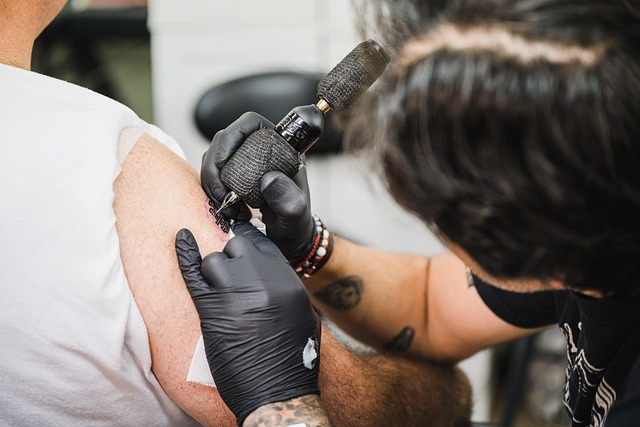
The Significance of Body Placement in Tattoo Symbolism
Where a tattoo sits changes its message entirely. Visibility determines whether it’s private or public art; symmetry aligns it with harmony or chaos. Movement adds life to static imagery—think of how a forearm design flexes during conversation. Historically, warriors marked shoulders or chests as badges of courage, while spiritual figures used back tattoos for protection symbols.
Factors Influencing Placement Decisions
Pain tolerance often dictates where ink goes first. Areas like ribs or ankles test endurance, while forearms invite openness. Lifestyle matters too—professionals may prefer hidden spots such as thighs or ribs to balance expression with workplace discretion. Anatomical flow also shapes design success; curved lines follow muscle contours for natural integration.
Upper Body Placements: Visibility, Strength, and Identity
Upper body tattoos often project confidence and authority. These placements interact directly with posture and presence, making them ideal for themes of power or emotional depth.
Shoulder Tattoos: Representations of Strength and Responsibility
The shoulder embodies resilience—the part that carries physical and metaphorical burdens. Many choose this area for symbols of leadership or protection like shields or animals known for endurance. Its rounded surface suits symmetrical emblems that move naturally with muscle contraction.
Chest Tattoos: The Seat of Emotion and Personal Truths
The chest connects directly to emotion and conviction. Designs near the heart often memorialize loved ones or express courage in facing life’s challenges. For many cultures, this area represents honesty—the willingness to wear truth over one’s heart.
Back Tattoos: Privacy and Legacy
The back serves as an expansive canvas for storytelling—a mural hidden from daily view yet deeply personal. It symbolizes introspection; designs here are often spiritual or ancestral in nature. Because it’s unseen by the wearer without effort, it can represent trust in one’s journey or unseen protection.
Arm Placements: Communication Through Movement
Arms naturally draw attention during interaction, turning tattoos into dynamic expressions that shift with gesture.
Forearm Tattoos: Openness and Self-Presentation
Forearms are among the most visible yet controllable areas—a handshake reveals them instantly but sleeves can conceal them just as easily. People often place motivational quotes here as reminders visible during work or training sessions.
Bicep Tattoos: Power, Transformation, and Inner Strength
Biceps link physical power with inner growth. Athletes favor this area for designs symbolizing transformation—snakes shedding skin or phoenixes rising from ashes—reflecting both discipline and resilience earned through effort.
Wrist Tattoos: Subtlety and Constant Reminder
Small yet expressive, wrist tattoos act as daily affirmations visible at every glance. Words like “faith” or minimalist icons serve as quiet anchors amid routine stressors.
Hand and Finger Placements: Public Statements of Identity
Hand tattoos leave no room for concealment—they’re declarations worn openly in every interaction.
Hand Tattoos: Commitment to Lifestyle or Belief Systems
Highly visible hand tattoos often indicate full dedication to one’s craft or belief system—from artisans marking tools of trade to spiritual practitioners displaying sacred geometry. Their permanence in social perception makes them acts of confidence rather than rebellion today.
Finger Tattoos: Precision Symbols with Intimate Meaning
Finger designs are small but loaded with significance—initials shared between partners, rings inked instead of worn, minimal icons representing key life moments. Their scale demands precision but rewards subtle symbolism.
Torso Placements: Core Identity and Inner Meaning
Tattoos on the torso align closely with self-perception—the body’s core mirrors internal transformation.
Ribcage Tattoos: Vulnerability and Personal Growth
Painful yet meaningful, rib tattoos symbolize emotional honesty. Many choose quotes reflecting survival or rebirth here because enduring the pain mirrors their message—growth through discomfort builds authenticity.
Stomach Tattoos: Rebirth and Personal Evolution
The stomach area connects symbolically to creation and renewal across cultures. Designs placed here often celebrate fertility, strength after hardship, or cycles of change—marking confidence in both body image and personal evolution.
Lower Body Placements: Grounding, Movement, and Freedom
Lower body tattoos reflect grounding energy while celebrating motion—the balance between stability and exploration.
Hip Tattoos: Sensuality and Private Expression
Hidden beneath clothing, hip tattoos carry intimate meanings reserved for select viewers. They embody sensuality blended with secrecy—a quiet assertion of control over one’s narrative.
Thigh Tattoos: Empowerment Through Concealment
Thighs offer large surfaces ideal for detailed storytelling while remaining private if desired. Many use this space for portraits or mythological scenes symbolizing empowerment without public display pressure.
Calf Tattoos: Endurance and Journey Representation
Calves emphasize movement; designs here come alive when walking or running. Common motifs include waves symbolizing flow through life or pathways representing ongoing journeys toward goals.
Foot and Ankle Placements: Mobility and Life Pathways
These placements speak about travel—both literal steps taken on earth and metaphorical paths walked through experience.
Ankle Tattoos: Balance Between Grace and Stability
Ankle designs highlight poise under pressure—delicate yet steady. They suit individuals valuing subtle elegance over bold statements while maintaining symbolic connection to mobility.
Foot Tattoos: Connection to Earth and Life’s Journey
Feet ground every step; tattoos here represent roots or direction in life’s path. Mandalas, footprints, or compass symbols commonly mark spiritual grounding combined with wanderlust energy.
Neck and Head Placements: Bold Statements of Identity
Few areas command attention like the neck or head—they communicate fearlessness in embracing visibility without compromise.
Neck Tattoos: Visibility as a Form of Defiance or Devotion
Once associated solely with rebellion, neck tattoos now express authenticity unfiltered by societal expectation. They require confidence due to constant exposure but reward wearers seeking raw truthfulness in presentation.
Behind-the-Ear Tattoos: Whispered Symbols of Individuality
Discreet yet stylish, behind-the-ear placements allow personal motifs like musical notes or initials that remain partially hidden unless intentionally revealed—a mix of quiet defiance with refined subtlety appealing to creative professionals.
Integrating Design Concept With Placement Choice
Every tattoo achieves harmony when art meets anatomy thoughtfully; poor alignment can distort meaning visually over time.
Harmonizing Symbolism With Anatomy
Designs should follow natural muscle lines rather than fight them—curves along shoulders enhance flow while vertical motifs elongate limbs visually. Proper proportion amplifies meaning by blending seamlessly into form rather than sitting flat against it.
Considering Longevity and Aesthetic Evolution
Skin ages differently across regions; sun-exposed zones fade faster than covered ones like thighs or ribs. Choosing strategic placement preserves clarity decades later—a crucial factor when deciding the best placement for a tattoo meant to endure both time and trend shifts.
FAQ
Q1:What factors determine the best placement for a tattoo?
A:Pain tolerance, lifestyle visibility needs, professional environment rules, anatomical structure alignment, and symbolic intent all influence ideal placement decisions.
Q2:Why do some people prefer hidden tattoo locations?
A:Hidden placements allow private symbolism while maintaining professional discretion; they also create intimate connections between wearer intention and chosen message.
Q3:Which tattoo placements age best over time?
A:Areas less exposed to sunlight such as upper thighs, ribs, back shoulders tend to maintain pigment clarity longer than hands or neck regions frequently exposed outdoors.
Q4:Are certain placements culturally significant?
A:Yes; different societies attach unique meanings—for example Polynesian shoulder markings denote lineage while Japanese back pieces narrate heritage stories across generations.
Q5:How does movement affect tattoo design perception?
A:Muscle motion animates static art—forearm gestures bring phrases alive while calf flexion adds rhythm to dynamic motifs like waves or flames enhancing visual storytelling naturally.