
What Are the Best Tattoo Placements That Age Well?
Which Tattoo Placements Age Well for Most People?
If you are planning new ink, the choice of tattoo placements can matter just as much as the artwork. A clean design on the wrong part of the body may blur, fade, or change shape sooner than expected. A simple piece on steadier skin can still read clearly after many years. Pew Research Center reported in 2023 that 32% of U.S. adults had a tattoo, and 24% of tattooed adults said they had regretted at least one tattoo, so placement is not a small point. It is part of the real decision. (pewresearch.org)
There is no solid public dataset that ranks every tattoo placement by 10-year or 20-year results. A study like that would need many people, many artists, different inks, and long follow-up. In practice, the best advice comes from skin aging research, tattoo aftercare guidance, and what artists see in the studio. The short version is simple: the upper outer arm, outer thigh, calf, shoulder blade, and upper back are usually safer choices than hands, fingers, feet, elbows, knees, and areas that stretch a lot.
Upper Outer Arm as a Reliable Canvas
The upper outer arm is a common choice for a good reason. It has a wide and fairly steady surface, it does not rub against shoes or waistbands all day, and it can be covered when the sun is strong. Medium and large designs usually sit well here, including portraits, animals, florals, script with enough spacing, and traditional pieces. If you want a tattoo you can show but still protect, this area gives you more control.
Outer Thigh With Large Stable Space
The outer thigh gives the artist enough room for stronger lines and cleaner spacing. It also works well for bigger compositions because the design does not have to be squeezed into tiny details. A thigh tattoo can still change if your body weight changes a lot, but it usually gets less daily friction than the inner thigh or hip crease. For people who want bold art with easy coverage, it is a steady long-term option.
Calf and Upper Back for Shape Retention
The calf and upper back often age well because they give firm skin and enough room to place the design properly. Calves work well for vertical designs, mandalas, animals, and illustrative work. The upper back and shoulder blade are better for larger pieces that need space around the main shapes. One thing to keep in mind: if you often wear open-back tops or train outdoors shirtless, sun care has to be part of the plan from the start.
Why Does Placement Change How a Tattoo Looks Later?
A tattoo sits in skin, and skin changes over time. That sounds basic, but it is easy to forget when you are looking at a fresh stencil under bright studio lights. MedlinePlus notes that aging skin can become thinner, lose strength and elasticity, and develop pigment changes in sun-exposed areas. These changes do not destroy every tattoo, but they can affect line sharpness, contrast, and shape. (medlineplus.gov)
Sun Exposure Fades Contrast
Sun exposure is one of the main reasons tattoos lose contrast. The American Academy of Dermatology says ultraviolet light can fade some tattoo inks and recommends broad-spectrum, water-resistant SPF 30 or higher on tattooed skin when you are in the sun. This is why forearms, hands, necks, and lower legs may age differently from areas usually covered by clothing. If your tattoo sees beach days, outdoor work, or long walks in summer, that habit will show over time. (aad.org)
Friction Softens Fine Details
Friction is not as obvious as sunburn, but it builds up day after day. Socks, shoes, waistbands, bra bands, backpack straps, and sleeves can rub the same tattooed skin again and again. Over time, tiny script and fine lines in high-rub spots may look less sharp. This is one reason finger tattoos and foot tattoos often need touch-ups sooner than upper arm or back tattoos. The placement is not risky because it is popular. It is harder to maintain because that skin works all day.
Skin Stretch Changes Proportions
Some body parts stretch more with weight change, muscle gain, pregnancy, or regular movement. The stomach, ribs, hips, and inner upper arm can still hold nice tattoos, but they need better planning before the first line goes in. Larger shapes, softer backgrounds, and designs that can handle some movement usually age better than tiny symmetrical pieces placed across stretch-prone skin. The idea is not to avoid these areas every time, but to design for the way they move.
Which Areas Usually Need More Caution?
High-caution areas are not off-limits. Many people like hand tattoos, sternum pieces, knee webs, and foot designs. The point is to understand the trade-off before the appointment starts. If a placement gets more sun, bending, rubbing, or stretching, the design should be planned around that.
Hands, Fingers, and Feet Face More Wear
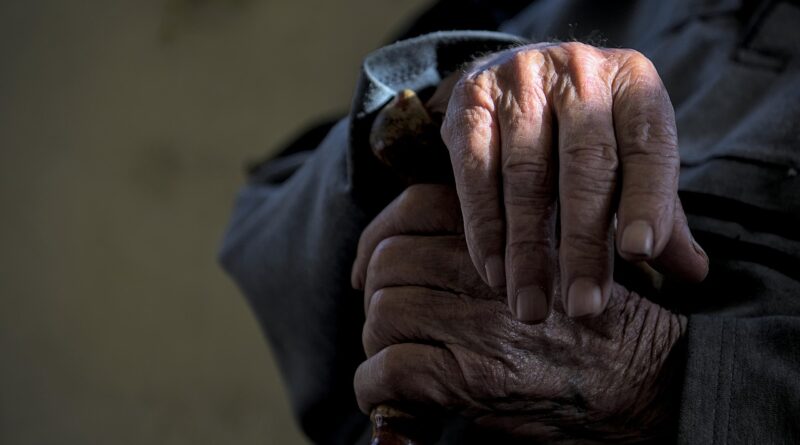
Hands and fingers are popular because they are visible and personal. They are also exposed to washing, sunlight, skin turnover, and constant movement. Feet deal with shoes, socks, sweat, and pressure, so the tattoo has to handle a rougher daily routine. If you choose these spots, expect a bolder design, less tiny detail, and possible touch-ups. A fine-line finger word can look lovely on day one and softer by year two. That is not poor work by itself; it is skin, movement, and wear.
Ribs, Stomach, and Hips Can Shift
Ribs, stomach, and hip tattoos can age nicely when the design works with the body instead of fighting it. These areas can stretch with normal life changes, so rigid geometry and small lettering need extra care. Florals, ornamental shapes, animals, and flowing designs often handle these spots better because small shifts do not look out of place. A design that follows the body usually stays easier to read later.
Elbows, Knees, and Inner Arms Bend Often
Joints bring their own issues. Elbows and knees bend, crease, and shed faster than flatter areas, while inner arms can rub against the body and collect sweat. Bold traditional work, heavy black, ornamental fillers, and designs that use the joint shape can still work well. Tiny realism on a kneecap, though, is harder to keep clean over time. In some cases, the most eye-catching placement is also the one that needs the most care.
How Should Design Style Match Long-Lasting Placement?
Good placement helps, but the design style does a lot of the work too. A tattoo that ages well usually has clear shapes, enough spacing, and contrast that can survive some softening. Fresh tattoos are often photographed right after wiping, under good light, at the best angle. Real life is not that neat, so the design needs to hold up outside the photo.
Bold Lines Beat Tiny Detail
Bold does not mean rough or simple. It means the design has enough structure to stay readable as the skin changes. A rose with clear petals, a dragon with a strong outline, or a clean skull with proper shading will usually last better than a micro design packed with hair-thin lines. If the tattoo needs phone zoom to understand it, it may not be the best choice for long-term clarity.
Black and Gray Often Ages Cleaner
Black ink often gives a tattoo its main structure. Color can age well too, especially when it is packed properly and protected from UV, but pale colors and small color gradients may soften sooner. If you like color, choose the placement carefully and keep the design readable even if some brightness fades. A good artist will think about how the tattoo looks from five feet away, not only from five inches away.
Negative Space Keeps the Image Readable
Skin breaks inside a design help the eye separate one shape from another. This is why smart negative space can make a sleeve, thigh piece, or back tattoo age better. Filling every inch may look strong at first, but heavy detail can merge as the lines settle. A little breathing room is not wasted space; it is part of the design. See also: tattoo care.
How Can You Help Any Placement Age Better?
Even the best placement still needs care. The American Academy of Dermatology advises water-based lotion for dry tattooed skin, sun protection with SPF 30 or higher, and avoiding tanning beds and sunlamps because UV can fade tattoo ink and raise skin cancer risk. It also advises placing new tattoos on skin without moles when possible, since ink can make early skin cancer signs harder to see. (aad.org)
Sunscreen Is Not Optional
If your tattoo sees daylight, sunscreen is part of keeping it sharp. Apply it before outdoor time, reapply during long exposure, and use clothing when the sun is strong. This matters most for forearms, shoulders, calves, chest, and neck. A small sunscreen habit can help protect a tattoo that cost much more than the bottle.
Moisture and Healing Habits Matter
Dry and cracked skin makes tattoos look dull. During healing, follow your artist’s care sheet, keep the area clean, and do not pick flakes. After healing, use a simple moisturizer when the skin feels dry. Heavy petroleum products may not be the best daily choice for tattoo brightness, according to AAD guidance. Long-term care is not complicated: keep the skin clean, calm, and protected.
Safer Ink Choices Start Before the Appointment
Placement is not the only safety decision. The FDA says tattoo inks can be linked with infections or allergic reactions, and even sealed ink containers may be contaminated in some cases. It also notes that long-term effects of pigments and contaminants are still being studied. Choose a licensed studio, ask about sterile setup, and avoid bargain sessions that feel rushed or unclear. (fda.gov)
How Should You Choose Your Final Placement?
The best long-aging tattoo placement is the one that fits your body, your work, your clothes, your sun habits, and your design style. A placement chart can help, but your real routine matters more. Someone who wears long sleeves most days has different risks than someone who surfs every weekend. The same tattoo can age differently on two people because their daily habits are not the same.
Lifestyle Comes Before Trend
Trends can make a placement feel urgent. Finger symbols, red fine-line tattoos, neck script, and tiny ankle pieces all get attention at different times. Before copying one, ask how that spot lives day to day. Does it rub against clothing or shoes? Does it burn in the sun? Will you still like the visibility at work, at a wedding, or at a family dinner? The answer does not need to be perfect, but it should be honest.
Visibility Should Fit Your Work and Family Life
Tattoo acceptance has grown, but visibility still matters in some workplaces and cultures. Pew found that a large majority of U.S. adults said society has become more accepting of people with tattoos in recent decades. Even so, your field, family, and comfort level may shape the best location. A shoulder or thigh can be private when needed. A hand tattoo cannot take a day off. (pewresearch.org)
Artist Feedback Matters More Than a Mockup
A digital mockup can look perfect and still fail on real skin. Listen when an experienced artist suggests making the design larger, moving it slightly, or removing small details. That feedback is not meant to kill the idea. In many cases, it is the difference between a tattoo that looks good in one photo and a tattoo that still reads clean years later.
FAQ
Q1: What Tattoo Placements Age Well the Best? A: The upper outer arm, outer thigh, calf, shoulder blade, and upper back are often strong choices because they offer stable skin, enough space, and lower daily friction.
Q2: Do Forearm Tattoos Age Well? A: Forearm tattoos can age well if the design has clear lines and you protect it from sun. Because forearms see more UV exposure, sunscreen and clothing matter.
Q3: Are Finger Tattoos a Bad Idea? A: Finger tattoos are not always a bad idea, but they are high-maintenance. They fade and blur faster for many people because fingers move, rub, wash, and shed skin often.
Q4: Should Small Tattoos Be Placed in Low-Friction Areas? A: Yes, usually. Small tattoos with fine detail often do better on calmer areas like the upper arm, shoulder, upper back, or outer thigh rather than fingers, feet, or joints.
Q5: Can Aftercare Make a Tattoo Placement Age Better? A: Aftercare cannot change the body part, but it can help the tattoo settle well and stay brighter. Clean healing, moisture, sun protection, and safe studio practices all matter.