
Does the Meaning of Tattoo Placements Really Matter?
Why Does the Meaning of Tattoo Placements Matter?
The meaning of tattoo placements is not a fixed code that everyone reads in the same way. In real life, it comes from visibility, personal memory, pain level, skin changes, and the kind of daily life you have. If you are checking body areas before making an appointment, this guide sits well with the wider tattoo placements topic and can help you avoid a few common regrets.
Placement Sets the First Impression
A tattoo on the forearm gets noticed faster than one on the ribs. A hand tattoo may be seen before you even start talking. That does not mean visible ink is better or worse. It just has less privacy. The Pew Research Center reported in August 2023 that 32% of U.S. adults had at least one tattoo, and 22% had more than one, based on a survey of 8,480 adults conducted July 10 to 16, 2023. Tattoos are normal now, but placement still decides how soon people see them.
Meaning Comes From Motive
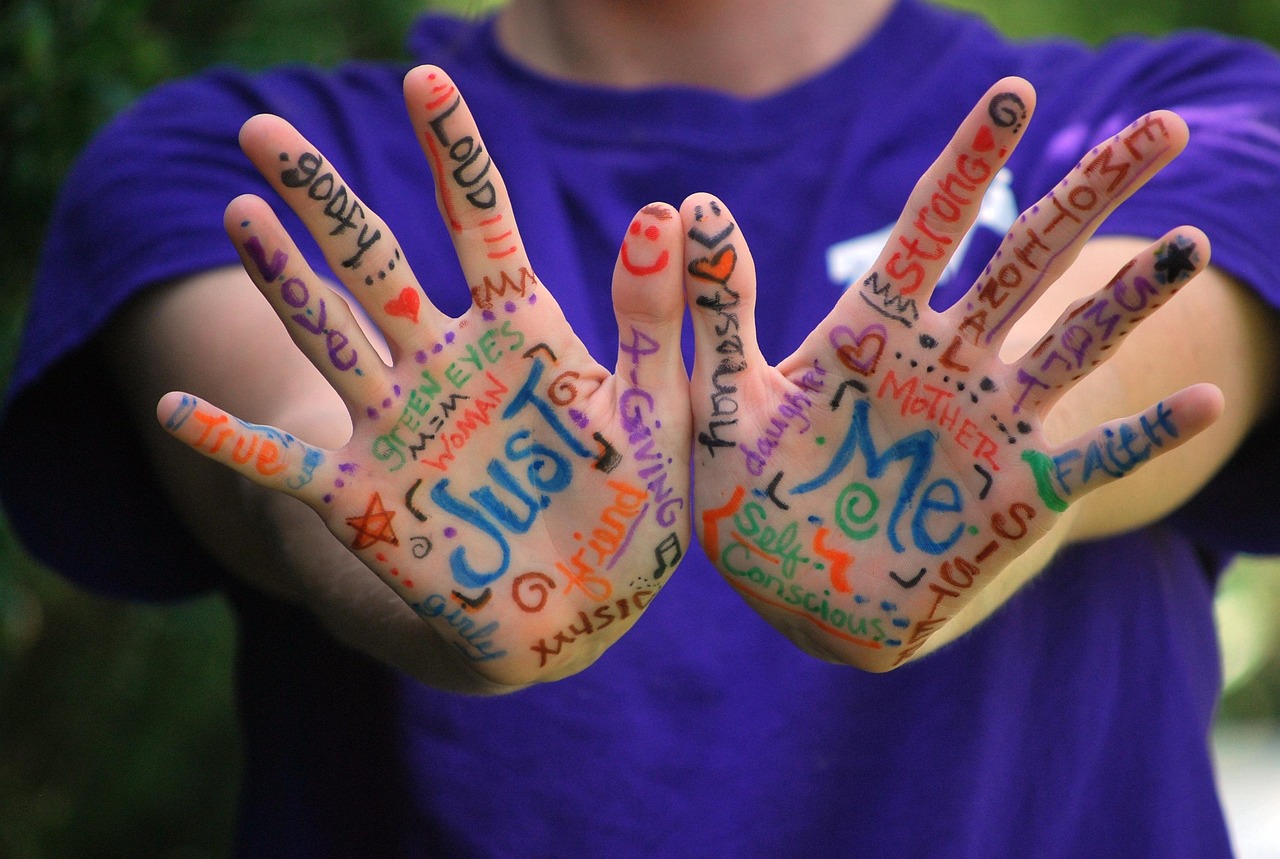
Pew also found that 69% of tattooed adults said honoring or remembering someone or something was a reason for their tattoo. Another 47% said they wanted to make a statement about what they believe, while 32% cited personal appearance. Those figures are useful because they show that placement is not just about looks. A memorial near the heart can feel different from a belief on the wrist. A floral piece on the shoulder may carry a softer message, even if the art style is close.
No Single Universal Code
There is no solid public dataset showing that every wrist tattoo means freedom or every chest tattoo means love. Culture, religion, family background, job field, and personal history all change how people read a tattoo. A snake on the arm may feel bold to one person. To another person, it may feel protective. That is why the better choice starts with your own reason, then moves to visibility, comfort, and long term wear.
What Do Visible Tattoo Placements Say About You?
Visible placements carry social weight because people see them before they know the story. You do not need to be afraid of that, but it is worth thinking about. A small symbol on the wrist and a full neck piece sit in very different public spaces.
Arm Tattoos Feel Open
Upper arm, forearm, and sleeve tattoos often feel easy to live with because normal clothing can show or cover them. The arm also gives the artist enough room for clean lines, readable lettering, and layered images. If you want the tattoo to be part of your daily style without controlling every first impression, the arm is a useful middle option.
Hand and Finger Tattoos Speak Fast
Hand, finger, and knuckle tattoos are hard to hide, so people often read them as strong identity choices. They can suggest confidence, commitment, or a clear taste for bold style. Hands also wash, bend, rub, and catch sun all the time. Because of that, small details may fade or soften sooner than expected. Many artists ask more questions before doing a first tattoo there, and that caution makes sense.
Neck and Face Tattoos Feel Definite
Neck and face placements are among the most visible choices. Depending on the design and the setting, they can feel fearless, spiritual, artistic, or rebellious. A small word behind the ear is not the same as a full throat piece, even though both are public. If your career, family setting, or local culture is conservative, take more time before choosing this area. A week of thinking costs nothing. Removal costs much more.
Which Private Tattoo Placements Carry Deeper Meaning?
Private placements are not less meaningful. In many cases, they feel more personal because the tattoo is not always asking for attention from strangers. These areas work well for grief, love, faith, healing, or a story that mostly belongs to you.
Chest Tattoos Stay Close
The chest is tied to the heart in everyday language, so many people place family names, dates, portraits, sacred symbols, or protective designs there. It can feel personal without being hidden all the time. You can show it at the beach, in a mirror, or to someone close. One practical note from the chair: chest tattoos move with posture, so check the stencil while standing naturally, not only while stretching tall.
Rib Tattoos Feel Personal
Rib placements are common for quotes, fine line florals, birds, and vertical designs. They feel private because shirts cover them easily, but they can still look clean with fitted clothing or swimwear. The tradeoff is comfort. The ribs are bony, breathing moves the skin, and longer sessions can be rough. If the message is emotional, this placement can match that private weight.
Back Tattoos Hold Big Stories
The back gives the largest canvas, so it suits mythic scenes, full floral layouts, wings, animals, geometric work, and multi session pieces. Since you do not see it every minute, the meaning often feels more like a major chapter than a quick note. A back tattoo can carry a full story instead of one small line. It also tends to age well when it is protected from sun and heavy rubbing.
How Should Pain, Healing, and Skin Safety Shape Placement?
A meaningful placement still has to heal properly. The U.S. Food and Drug Administration explains that tattooing creates a permanent mark by inserting ink into skin with needles or similar equipment. So placement is also a health and aftercare choice, not only an art choice.
Bony Areas Usually Feel Sharper
Ribs, ankles, elbows, knees, spine, sternum, feet, and hands usually feel sharper because there is less padding between skin and bone. Pain is different for every client, but bony spots are rarely the easy route. If it is your first tattoo, a forearm, outer upper arm, thigh, or calf may give you a calmer start. These areas still leave enough room for good artwork.
High Friction Areas Need Patience
Waistbands, bra straps, socks, shoes, watch bands, and work gloves can bother a fresh tattoo. A hip tattoo may look great in the stencil, but tight denim can make the first week annoying. A foot tattoo may look light and neat, then deal with shoes all day. Before choosing placement, picture your normal week: commute, gym, uniform, sleeping position, and how you sit at work.
Medical Risk Is Not Just Theory
The FDA has reported infections linked to contaminated tattoo inks and allergic reactions to tattoo inks. It also says that even sealed ink can contain bacteria or other microorganisms, and tattoo pigments are not approved by the FDA for injection into skin for cosmetic purposes. The American Academy of Dermatology warns that reactions can include intense itch, swelling, bumps, scarring, sun related rashes, and keloids in people prone to raised scars. If a reaction lasts more than a week, or if fever, serious swelling, or strong pain shows up, get medical care instead of waiting it out.
Can Tattoo Placement Affect Work, Style, and Future Regret?
Placement does not lock your future in place, but it can affect daily choices. Clothing, interviews, family events, and aging skin all matter. This is where a good tattoo can feel easy to live with, or slowly become tiring. See also: tattoo care.
Workplace Views Are Changing
A 2018 Human Relations study, widely summarized by Harvard Business Review, surveyed more than 2,000 people in the United States and found no overall employment or wage penalty for tattooed people compared with people without tattoos. That is helpful context, but it is not a free pass for every role. Customer facing luxury jobs, healthcare rules, school policies, military standards, and local company dress codes may still treat visible ink differently. If your work has a uniform or client meetings, check the real rules before choosing a hard to hide spot.
Style Needs Room to Change
Your wardrobe changes over time. Your body changes too. A tattoo on the shoulder may work with gym shirts, formalwear, and casual clothes. A tattoo across the throat asks for a stronger style choice every morning. If fashion matters to you, think about sleeves, necklines, rings, watches, sandals, and formal events. These sound like small details, but small daily friction can become a real bother.
Regret Often Starts With Timing
Pew reported in 2023 that 24% of tattooed Americans said they regretted at least one tattoo. The survey did not rank placement as the only cause, so it would be wrong to say one body part creates regret by itself. Still, rushed timing, trendy designs, weak execution, and hard to hide areas can raise the risk. A simple rule works well here: if the placement feels exciting only because it shocks people, wait a month.
How Do You Choose the Best Placement for Your Tattoo Meaning?
The best placement connects the message, the body area, and your real routine. Do not choose only from a photo online. A tattoo on someone else’s arm has a different skin tone, muscle shape, job setting, and pain threshold. Use references, but do not treat them as an exact map.
Match Message With Visibility
If the tattoo is a daily reminder, wrist, forearm, or inner arm may suit it. If it is a private tribute, chest, ribs, back, or upper thigh may feel better. If it is mainly decorative and style driven, shoulder, calf, hip, or upper arm can give you some balance. Ask one plain question before booking: is this tattoo for you, for close people, or for everyone who sees you?
Fit Design to Body Flow
Long scripts fit well on forearms, ribs, spine, and collarbone. Round symbols often work on shoulder caps, upper arms, calves, and sternum areas. Large animals or flowers need enough space to read clearly. Tiny detail on a moving finger may blur sooner than the same detail on the upper arm. A skilled artist will adjust size and angle so the design sits with the body, not against it.
Use a Simple Pre Booking Checklist
Before paying a deposit, run through a quick check. It is not exciting, but it can save a lot of trouble later.
- Can this placement be covered when needed?
- Will clothes, shoes, or straps rub it during healing?
- Does the design still read clearly from normal viewing distance?
- Are you prone to keloids, eczema, psoriasis, or skin allergies?
- Can you protect the area from sun? The American Academy of Dermatology recommends broad spectrum, water resistant SPF 30 or higher on exposed skin.
If most answers feel steady, the placement is probably a good candidate. If two or three answers bother you, keep working on the idea. A slower choice usually leads to a better tattoo.
FAQ
Q1: What is the most meaningful tattoo placement? A: The most meaningful placement depends on your reason. Chest and ribs often feel private and emotional, while wrist and forearm placements work well for daily reminders.
Q2: Do wrist tattoos always mean something personal? A: Not always. Many wrist tattoos are personal because you see them often, but some are chosen for style, balance, or easy visibility.
Q3: Are visible tattoos bad for work? A: Not always. Research from 2018 found no broad employment or wage penalty, but some workplaces and client facing roles still have rules about visible tattoos.
Q4: Which placements are best for a first tattoo? A: Outer forearm, upper arm, calf, and thigh are common first choices because they usually offer enough space, manageable pain, and easier aftercare.
Q5: Should placement matter more than design? A: Placement and design should be planned together. A strong design can fail in the wrong spot, and a good placement cannot save art that is too small or poorly shaped.