Best tattoo placements for guys based on visibility, pain, and design fit
The best tattoo placements for guys come down to three practical questions: how visible should the tattoo be, how much pain and healing inconvenience are you prepared for, and does the design actually fit the body part? For most first tattoos, the upper arm, outer forearm, shoulder, calf, chest, and upper back offer a strong balance of space, style flexibility, and everyday wearability. More exposed placements such as the hands, neck, face, and fingers can look striking, but they also bring higher visibility, a greater risk of faster fading, and more professional or social considerations. This guide compares common men’s tattoo placements in practical terms so the location supports the artwork instead of working against it.
How to choose a tattoo placement before choosing the design
Placement should not be treated as the last detail. It affects scale, line direction, aging, visibility, pain, and how naturally the tattoo sits on the body. A design that works well on the outer forearm may feel cramped on the wrist, while a wide symmetrical piece may look stronger across the chest or upper back than on a narrow limb.
A useful starting point is to decide whether the tattoo should be public, private, or flexible. Public placements include the forearm, hand, neck, and lower leg when wearing shorts. Private placements include the ribs, upper thigh, back, chest, and torso. Flexible placements include the upper arm, shoulder, calf, and upper back because they can be covered or shown depending on clothing.
If you are still comparing body areas, browse our broader tattoo placement guides for more placement-focused ideas before narrowing the design.
- For a first tattoo: upper arm, outer forearm, shoulder, calf, or upper back.
- For a bold but coverable tattoo: chest, shoulder, back, thigh, or upper arm.
- For a statement tattoo: full sleeve, hand, neck, sternum, or large back piece.
- For lower pain tolerance: choose fleshier areas away from thin skin and bone.
- For long-term clarity: give the design enough space and avoid extremely tiny detail in high-friction areas.
Best overall tattoo placements for guys
The placements below are not ranked as universal winners because bodies, jobs, style preferences, and pain tolerance vary. Instead, they are grouped by what each location tends to do best.
| Placement | Best for | Visibility | Pain tendency | Main limitation |
|---|---|---|---|---|
| Upper arm | First tattoos, medium pieces, sleeves | Easy to cover | Usually moderate | Shape must work with arm movement |
| Outer forearm | Script, symbols, geometric work, visible art | High | Usually moderate | Harder to hide in short sleeves |
| Shoulder | Round designs, tribal, Japanese, armor-like pieces | Flexible | Usually moderate | Needs good flow over the deltoid |
| Chest | Large, symmetrical, meaningful designs | Usually private | Moderate to high | Sternum and collarbone areas can be intense |
| Back | Large scenes, wings, lettering, full compositions | Private | Varies widely | Hard to see without a mirror |
| Calf | Bold images, animals, traditional work, sports-related designs | Seasonal | Usually moderate | Shape changes with muscle flex |
| Thigh | Large private pieces, realism, illustrative work | Low | Usually moderate | Often hidden in everyday clothing |
| Hand or fingers | Highly visible statement tattoos | Very high | Often high | Fading, job visibility, frequent touch-ups |
Upper arm
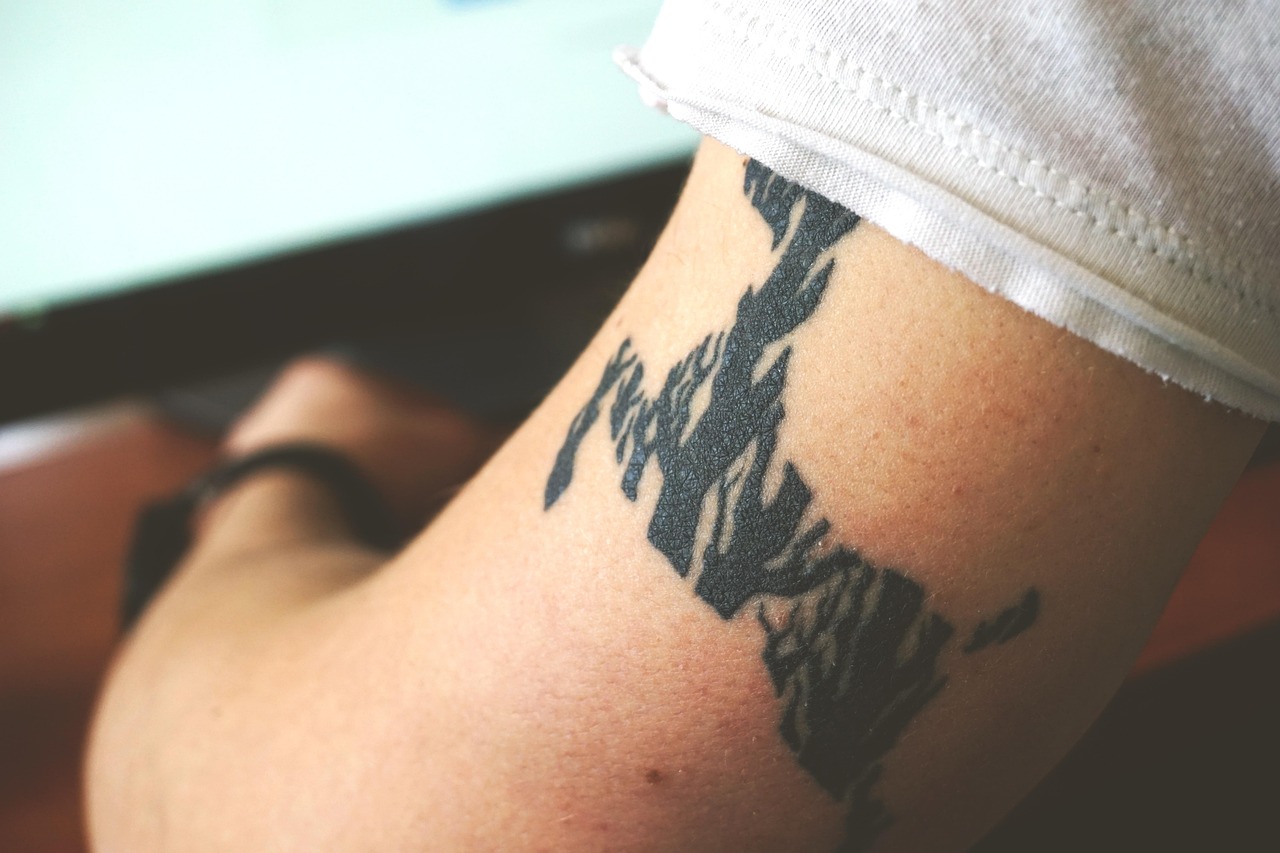
The upper arm is one of the safest choices for men because it gives the artist enough space for detail while remaining easy to cover. It suits traditional flash, portraits, family symbols, animals, religious pieces, biomechanical work, and the start of a sleeve. The outer upper arm is generally more beginner-friendly than the inner bicep because it has more muscle and less sensitive skin.
It also leaves room for future planning. A single upper-arm tattoo can later expand into a half sleeve, shoulder cap, or full sleeve without looking like an afterthought. If you may want more tattoos later, ask the artist to leave room for flow instead of placing the first piece like a standalone sticker in the middle of the arm.
Outer forearm
The outer forearm is ideal for men who want a visible tattoo that reads clearly at normal viewing distance. It works well for script, dates, compasses, animals, fine-line symbols, blackwork, and geometric pieces. Because the forearm is seen often, weak lettering, poor spacing, or a design that is too small can become obvious quickly.
The main trade-off is visibility. Even though workplace attitudes toward tattoos have become more relaxed in many industries, forearm tattoos are still hard to hide in warm weather or short sleeves. If you work in a conservative environment, the upper arm may be a better first step.
Shoulder
The shoulder is a strong placement for designs that need a natural circular or armor-like flow. It can carry bold blackwork, tribal-inspired layouts, Japanese clouds, mandalas, animal heads, and designs that wrap from the chest to the upper arm. A good shoulder tattoo should respect the roundness of the deltoid rather than forcing a flat design onto a curved surface.
Shoulder tattoos also tend to age well when the design has enough contrast and size. They are less exposed to constant friction than hands and fingers, and they are easier to protect from sun exposure than the lower arm.
Best placements by tattoo style
A placement works better when it matches the structure of the design. Before asking where a tattoo will look good, consider what the design needs: length, width, symmetry, curve, or room for detail.
Script and lettering
Forearms, chest, upper back, ribs, and collarbone areas are common choices for lettering. The key is readability. Long quotes need enough length and clean spacing, while short names or dates can fit smaller areas. Avoid squeezing detailed script into fingers, wrists, or narrow spaces unless the artist confirms it has a realistic chance of staying readable as it ages.
Portraits and realism
Realism usually needs more space than people expect. Upper arm, thigh, calf, chest, and back placements give the artist room for soft shading and recognizable details. Very small portrait tattoos can lose clarity over time because skin is not a static canvas; it moves, sheds, stretches, and changes with sun exposure and age.
Geometric and symmetrical designs
Geometric tattoos depend on alignment. Forearms, calves, chest, sternum, upper back, and spine can work well, but the artist must account for muscle movement and natural asymmetry. A design that looks perfectly straight on paper may shift visually when placed on a living body.
Traditional and neo-traditional tattoos
Traditional designs often work across many placements because they use bold lines, strong shapes, and readable contrast. Upper arm, forearm, calf, thigh, and chest are especially reliable. These areas give classic motifs such as eagles, daggers, panthers, skulls, roses, and ships enough room to stay legible.
Large compositions
Back, chest, sleeve, thigh, and torso placements are best for large compositions. They allow the tattoo to breathe and give the artist room to connect background elements. Large work also benefits from planning in stages. A back piece or sleeve may require multiple sessions, and the placement should be designed with healing breaks and future additions in mind.
Visibility, work, and lifestyle considerations
Visibility is not only about whether people can see the tattoo. It also affects how often you may need to explain it, how much sun it receives, how much friction it gets from clothing or tools, and whether it fits your professional life.
For men who want control over when the tattoo is visible, upper arm, shoulder, chest, back, ribs, thigh, and upper calf are practical choices. For men who want the tattoo to be part of their everyday appearance, forearm and lower-leg placements are more direct. Hand, neck, and face tattoos should be approached more carefully because they are visible in almost every setting. See also: tattoo care.
Friction matters too. Fingers, palms, sides of hands, feet, elbows, knees, and waistline areas can fade or blur faster because they bend often, rub against clothing, or experience frequent contact. This does not mean they are off-limits, but they do require realistic expectations. A bold, simple design generally holds up better in these areas than tiny fine-line detail.
Sun exposure is another long-term factor. Dermatology guidance commonly emphasizes protecting tattooed skin from sun damage once healed, because ultraviolet exposure can dull contrast and affect the surrounding skin. For exposed placements such as forearms, calves, and neck, sunscreen and clothing choices become part of long-term tattoo care.
Pain and healing by placement
Pain is subjective, but some patterns are consistent enough to help with planning. Areas with more muscle or fat generally feel easier for many people, while thin skin, dense nerves, and areas close to bone tend to feel sharper. Public health and medical sources such as the FDA and Mayo Clinic also emphasize that tattooing breaks the skin barrier, so clean equipment, safe procedures, and proper aftercare matter regardless of placement.
Generally easier placements
- Outer upper arm
- Outer forearm
- Shoulder
- Calf
- Outer thigh
- Upper back away from the spine
These areas are often chosen for first tattoos because they offer a more manageable balance of discomfort, space, and healing. They are not painless, but for many clients they tend to be less intimidating than ribs, sternum, hands, feet, or spine.
More intense placements
- Ribs and sternum
- Spine
- Elbow and knee areas
- Hands and fingers
- Feet and ankles
- Neck, throat, and head
- Inner bicep and armpit-adjacent areas
These placements can still produce excellent tattoos, but they are better chosen with a clear reason. For example, ribs are strong for large vertical designs and private tattoos, but breathing movement and thin skin can make the session more demanding. Hands create a bold visual statement, but they are exposed, high-friction, and often harder to maintain.
Healing inconvenience matters as much as pain
A placement that hurts less during the appointment may still be frustrating to heal. Waistline tattoos can rub against belts. Foot tattoos can conflict with shoes. Inner-arm tattoos can feel irritated when the arm rests against the body. Back tattoos may be difficult to wash or moisturize without help. Plan around work, exercise, sleep position, clothing, and weather during the healing period.
Placement mistakes to avoid
Many placement regrets come from a mismatch between the idea and the body area. The design may be meaningful, but if it is too small, too detailed, too visible, or placed without regard for movement, the result can feel weaker over time.
- Choosing tiny detail for a high-friction area: fingers, hands, feet, and elbows are not ideal for delicate detail that needs to stay crisp.
- Ignoring future tattoos: a small design in the middle of a prime sleeve area can limit later composition options.
- Following trends without considering lifestyle: neck and hand tattoos photograph well but are difficult to hide.
- Forcing symmetry: the human body is not perfectly symmetrical, so chest, spine, and sternum work needs careful stencil placement.
- Picking placement only for pain: an easier spot is not always the best spot if the design needs a different shape or scale.
Another overlooked issue is skin history. If you are prone to keloids, allergic reactions, chronic skin irritation, or unusual scarring, discuss the tattoo with a qualified health professional before booking. Medical sources consistently note infection, allergic reactions, and scarring as possible tattoo complications, even when serious problems are not the norm.
Frequently asked questions
What is the best first tattoo placement for guys?
The upper arm, outer forearm, shoulder, calf, and outer thigh are strong first-tattoo placements. They offer enough room for clean artwork, are usually manageable for pain, and can be shown or covered depending on clothing.
Where should guys get small tattoos?
Good small tattoo placements include the outer forearm, upper arm, chest, shoulder, ankle, and calf. The design should still be large enough to age well. Very small lettering or fine detail can blur, especially on fingers, hands, and feet.
What tattoo placements are easiest to hide?
Chest, ribs, back, upper arm, shoulder, thigh, and upper hip placements are usually easy to hide under everyday clothing. They are useful choices if you want a meaningful tattoo without making it part of your public appearance.
Are hand and neck tattoos a good idea for men?
They can be a good idea for someone who already understands the visibility and maintenance involved, but they are rarely the best first tattoo placements. Hand and neck tattoos are hard to conceal and may fade, blur, or attract more attention than expected.
Which placement is best for a sleeve?
A sleeve usually starts best from the upper arm or shoulder because those areas create a strong anchor for future work. If you already know you want a full sleeve, tell the artist before placing the first tattoo so the composition can be planned as a connected piece.
Final thoughts on choosing the right placement
The best tattoo placements for guys are the ones that match the artwork, lifestyle, and long-term expectations. Upper arm, shoulder, forearm, calf, chest, thigh, and back placements are reliable because they balance design space with practical wearability. More extreme placements such as hands, fingers, neck, ribs, sternum, and spine can look powerful, but they should be chosen with a full understanding of pain, visibility, healing, and aging.
Before booking, review the design at actual size, ask how it will move with the body, and think beyond the first photo. A well-placed tattoo should still make sense years later, not only on the day it is finished.