Best tattoo locations on body for pain, visibility, and long-term wear
Quick answer for choosing a tattoo location
The best tattoo locations on body vary from person to person. For a first tattoo, the outer upper arm, outer forearm, outer thigh, calf, and upper back are often practical choices because they offer usable surface area, moderate discomfort for many people, and easier aftercare than hands, ribs, feet, or joints. If visibility matters, the forearm is one of the clearest placements. If discretion matters, the upper arm, thigh, hip, back, or shoulder blade is usually easier to cover. If long-term sharpness matters, look for an area with less constant friction, less sun exposure, and less extreme skin movement.
A solid placement decision comes down to four questions: how much pain you can tolerate, whether the tattoo should be visible or private, how the area moves or rubs against clothing, and whether the design fits the natural shape of that part of the body.
Placement comparison by pain, visibility, and wear
Tattoo pain is subjective, but placement does make a difference. Peer-reviewed research on tattoo pain has noted that body region can influence the experience because skin thickness, nerve-ending density, and pain radiation vary by area. Medical sources such as the FDA, the American Academy of Dermatology, and Mayo Clinic also emphasize that tattooing breaks the skin barrier. That means aftercare, infection prevention, and sun protection should be part of the placement decision, not an afterthought.
| Body location | Typical pain level | Visibility | Long-term wear considerations | Good for |
|---|---|---|---|---|
| Outer upper arm | Low to moderate | Easy to cover | Usually protected from sun and heavy friction | First tattoos, medium designs, traditional pieces |
| Outer forearm | Low to moderate | High | More sun exposure, but easy to monitor during healing | Script, illustrative work, visible statement pieces |
| Outer thigh | Low to moderate | Usually private | Large surface area; clothing friction depends on wardrobe | Large designs, florals, animals, fine-line compositions |
| Calf | Moderate | Seasonal visibility | Good shape for vertical designs; sun exposure varies | Portraits, animals, geometric work |
| Upper back or shoulder blade | Moderate | Mostly coverable | Stable surface, but aftercare can be harder to reach | Large symmetrical designs, wings, ornamental pieces |
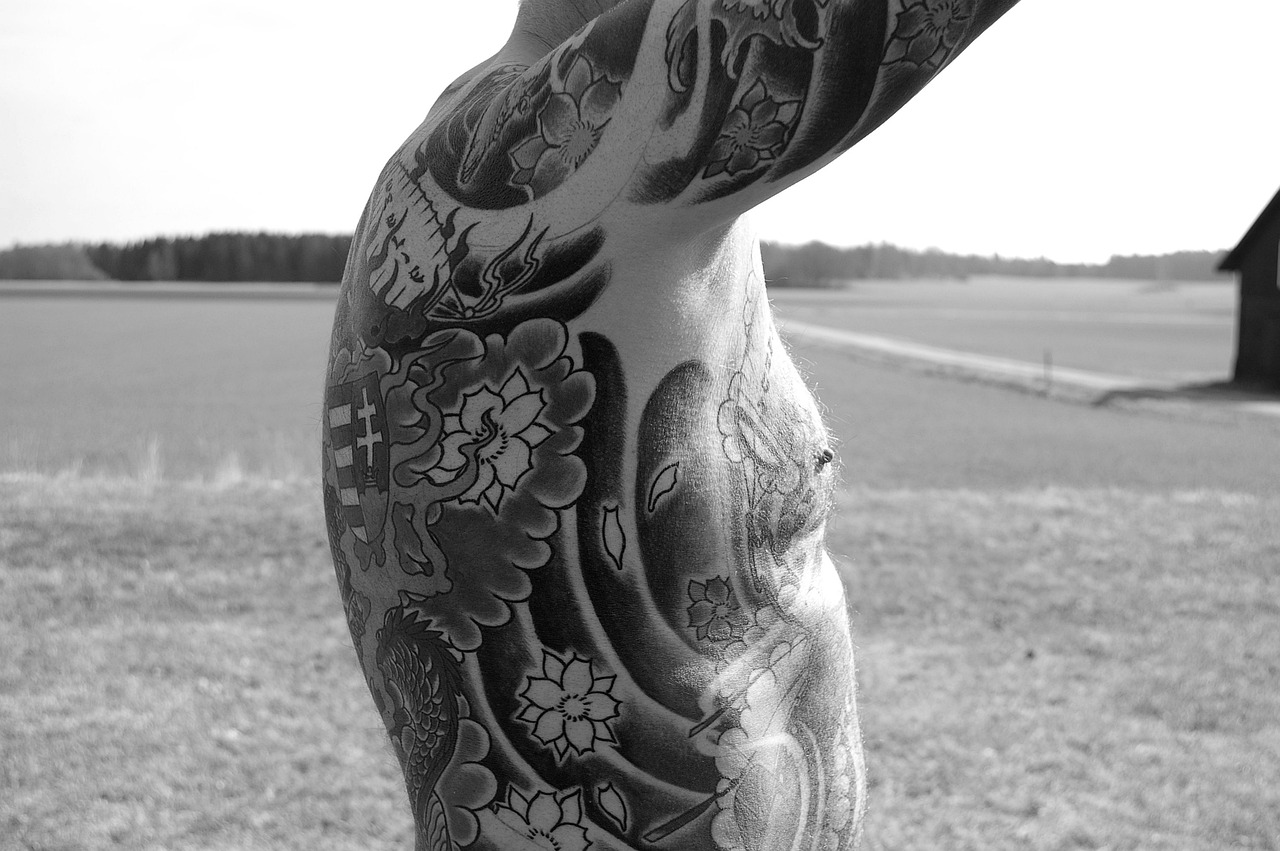
| Ribs or sternum | High | Private | Thin skin over bone; breathing movement during tattooing | Experienced collectors, narrow vertical designs |
| Hands and fingers | Moderate to high | Very high | Frequent washing, sun, and friction can affect longevity | Small symbols, bold simple work, touch-up tolerant clients |
| Feet and ankles | Moderate to high | Seasonal visibility | Shoes and socks can complicate healing and wear | Small designs, ornamental bands, minimal pieces |
This table is a practical comparison, not a medical rule. Individual anatomy, tattoo size, line weight, shading time, artist technique, and personal pain tolerance can all change the experience significantly.
Best beginner-friendly tattoo locations
Outer upper arm
The outer upper arm is one of the most balanced placements for a first tattoo. It gives the artist a workable surface, can hold small or medium designs, and is easy to cover with everyday clothing. Because it is not as exposed as the hand or neck, it is also more forgiving for people who are still deciding how visible they want their tattoo to be in work, family, or formal settings.
Outer forearm
The outer forearm is popular because the wearer can see the tattoo easily, the skin is accessible for aftercare, and the area works well for script, fine-line pieces, illustrative designs, and long vertical compositions. The trade-off is visibility. A forearm tattoo is difficult to hide in short sleeves, and it may receive more UV exposure than areas usually covered by clothing.
Outer thigh
The outer thigh works well for people who want a larger tattoo without making it visible every day. It offers enough space for florals, animals, ornamental work, and detailed scenes. Pain is often more manageable than on bony areas, although the inner thigh and areas near the knee can feel more intense. Clothing friction matters during healing, especially with tight jeans, athletic wear, or uniforms.
Calf
The calf can support designs with strong vertical flow, including animals, figures, daggers, botanicals, and geometric work. It is more visible in warm weather but still easy to cover with pants. Some people find the calf more sensitive than expected, particularly near the back of the knee or close to the ankle, but it remains a practical placement for many medium-sized tattoos.
Best visible tattoo locations
Visible tattoos should be chosen with more than aesthetics in mind. Visibility can affect workplace presentation, family expectations, sun exposure, and how often strangers notice or comment on the tattoo. The most flexible visible placements are usually those that can still be covered when needed.
Forearm
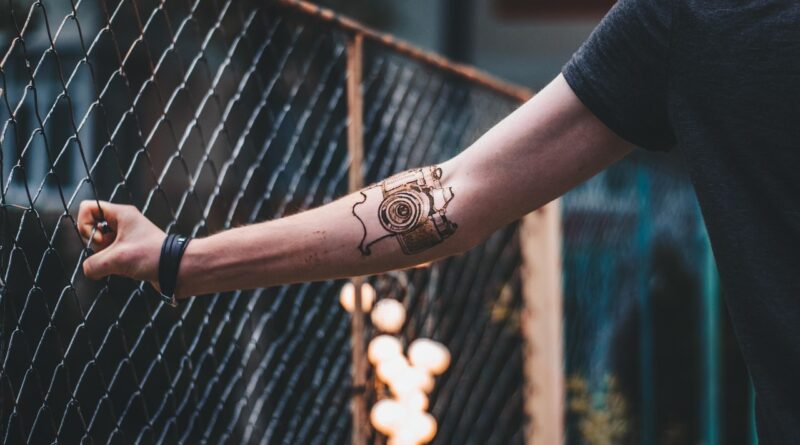
The forearm is often the strongest visible placement for people who want a tattoo they can see and enjoy daily. It photographs well, suits both small and medium work, and allows the artist to align the design with the arm’s natural length. For long-term appearance, sunscreen and protective clothing matter because the forearm can receive frequent sun exposure.
Wrist
The wrist suits small symbols, short lettering, delicate bands, and minimalist work. It is highly visible to the wearer, which is part of its appeal. However, the wrist bends constantly, may rub against watches or bracelets, and offers limited space. Very detailed designs can blur if they are too small, so scale and simplicity are important.
Hand and finger tattoos
Hand and finger tattoos are among the most visible placements, but they need careful planning. The skin is exposed to washing, sunlight, friction, and daily use. Fine details may not stay crisp as long as they would on the upper arm or thigh, and some artists recommend bolder, simpler designs for these areas. A hand tattoo can also be harder to separate from professional or social identity, so it is rarely the most flexible first placement.
Best hidden or easy-to-cover tattoo locations
Hidden placements are useful for people who want personal artwork without constant public visibility. They can also suit careers with conservative dress codes, although policies vary by employer and region. For more placement ideas, explore the site’s tattoo placement guides.
Upper arm and shoulder
The upper arm and shoulder are easy to cover, adaptable to many design styles, and well suited for future expansion into a sleeve, chest piece, or back piece. The rounded shape makes planning important. A design that looks flat on paper may need adjustment so it flows naturally around the deltoid and shoulder cap.
Back and shoulder blade
The back offers one of the largest canvases on the body. It can hold symmetrical designs, large illustrative pieces, script, ornamental work, and multi-session projects. The main limitation is aftercare access. Reaching the area to wash and moisturize can be difficult, so arranging help at home may be useful during the early healing period. See also: tattoo care.
Hip and thigh
The hip and thigh are strong choices for private tattoos, especially for designs that follow curves or wrap slightly around the body. These areas can work well for florals, snakes, abstract shapes, and ornamental pieces. The wearer should think about waistband placement, underwear lines, swimwear, and tight clothing during healing.
Locations that need extra caution
Some placements are not “bad,” but they demand more planning. Pain, healing difficulty, fading risk, and lifestyle fit can be less forgiving.
- Ribs and sternum: These areas are close to bone and move with breathing. They can be painful and are better suited to people prepared for a more intense session.
- Elbows, knees, and ditches: Joints bend, stretch, and rub. Swelling and healing irritation can be more noticeable, and designs must be planned around movement.
- Feet and ankles: Shoes, socks, sweat, and walking can complicate healing. These placements may require more careful scheduling around work, travel, and exercise.
- Hands and fingers: High visibility and high friction make these placements less predictable over time. Touch-ups may be more likely than with protected areas.
- Neck and face: These placements are highly visible and socially significant. They are usually better considered after a person already understands how living with visible tattoos feels.
Medical sources consistently advise watching for signs of infection or unusual reactions after tattooing. The FDA notes that contaminated inks or unsterile equipment can cause infections, while dermatology guidance stresses proper aftercare and sun protection. If redness, swelling, pain, discharge, fever, or a spreading rash seems unusual or gets worse, the safest step is to contact a qualified medical professional rather than assume it is normal healing.
How to match placement with the design
Good tattoo placement is not only about choosing the lowest-pain area. A design should fit the body’s natural structure. Long designs often work well along the forearm, calf, spine, ribs, or side thigh. Round or compact designs may suit the shoulder, upper arm, chest, or outer thigh. Wide compositions often need the back, chest, stomach, or thigh so the details do not have to be reduced too much.
Scale is especially important. Small lettering on fingers, tiny portraits on wrists, or highly detailed micro designs in high-friction areas may look sharp at first but have less room to age gracefully. A slightly larger design on a stable surface usually gives lines, spacing, and shading more room to hold.
Body changes should also be considered without overthinking them. Weight change, muscle gain, pregnancy, aging, and scars can affect skin. No placement is completely immune to change, but areas with less stretching, less rubbing, and less daily sun often give a design a better chance of aging cleanly.
Frequently asked questions
What is the least painful place to get a tattoo?
Many people find outer upper arms, outer forearms, outer thighs, and calves more manageable than ribs, sternum, spine, feet, or hands. Pain still depends on the individual, the artist’s technique, the length of the session, and how much shading or color packing is involved.
Where do tattoos last the longest?
Tattoos often age better on areas with less sun exposure, less friction, and less constant movement. Upper arms, shoulders, upper back, and outer thighs are commonly practical choices. Long-term appearance also depends on ink quality, technique, aftercare, skin type, and sun protection.
What is the best tattoo placement for work?
If you need flexibility, choose a placement that is easy to cover with normal clothing, such as the upper arm, shoulder, thigh, hip, ribs, or back. Workplace rules and social expectations vary, so a visible forearm, hand, neck, or face tattoo should be considered more carefully.
Should I choose placement before the design?
It is better to think about placement and design together. The same artwork may need a different size, angle, or level of detail depending on whether it sits on a forearm, shoulder, thigh, ribs, or back. A skilled tattoo artist can adapt the composition to the body instead of forcing a flat image onto a curved surface.
Are small tattoos better for first tattoos?
Small tattoos can be a good first step, but smaller is not always easier. Tiny designs with too much detail may blur faster or become hard to read. A simple, well-spaced design in a practical placement is usually a better first tattoo than a very small design placed in a difficult area.