
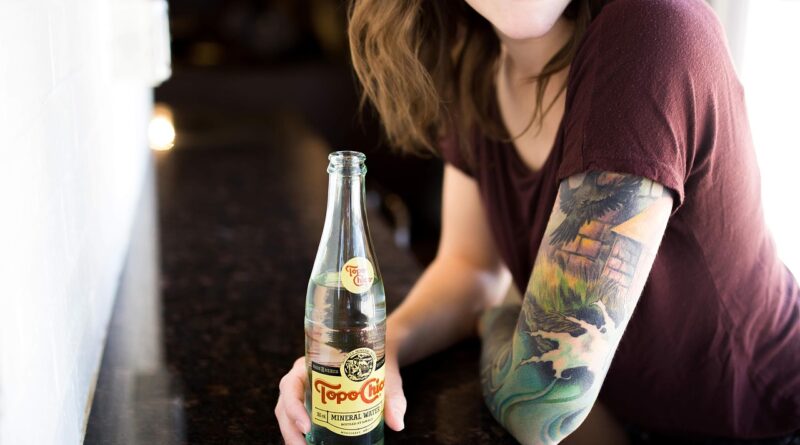
Arm placements for tattoos and how each area changes the design
Choosing arm placements for tattoos starts with visibility, movement, and design flow
Arm placements for tattoos are popular because the arm offers several usable surfaces, from the broad outer upper arm to the narrow wrist and the highly visible forearm. Placement affects more than how a tattoo looks on the first day. It influences how often the tattoo is seen, how the artwork bends with the body, how much detail can fit, how clothing covers it, and how the tattoo may age as skin moves and changes over time.
A practical starting point is to match the part of the arm to the design’s shape and your comfort with visibility. Long designs often suit the forearm. Round, portrait-style, or emblem-like pieces often work well on the outer upper arm or shoulder cap. Personal text, fine-line symbols, and smaller tattoos can suit the inner arm or wrist, but those areas need careful sizing, spacing, and orientation.
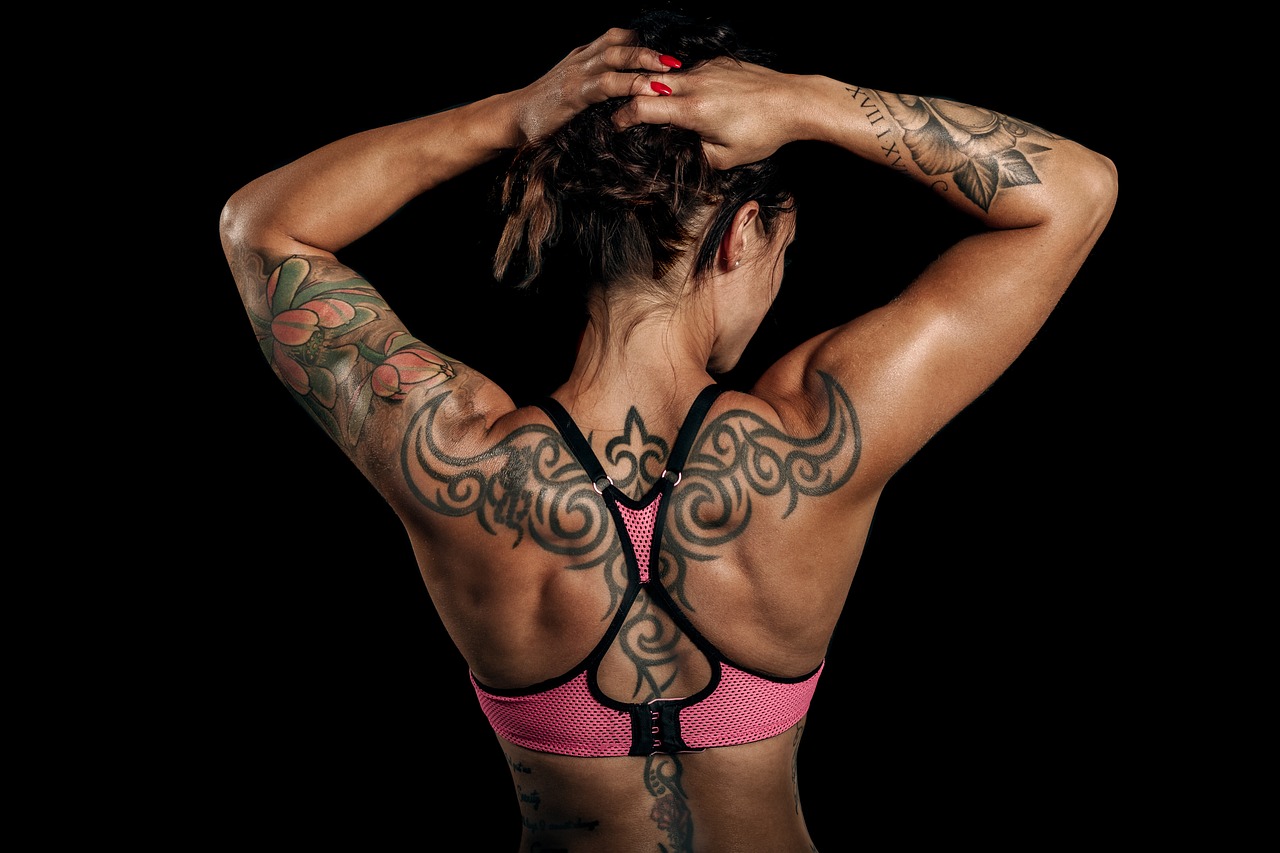
This guide compares the main arm placement options so you can discuss the stencil, scale, and long-term layout more clearly with your tattoo artist.
Quick comparison of common arm tattoo placements
The arm is not one flat canvas. It includes curved muscle, bony points, softer inner skin, and areas that twist when the wrist or elbow moves. The table below gives a practical overview before looking at each placement in more detail.
| Placement | Visibility | Good for | Placement notes |
|---|---|---|---|
| Outer upper arm | Moderate | Portraits, animals, bold symbols, traditional designs | A forgiving area with enough space for medium designs and easy shirt coverage. |
| Inner bicep | Low to moderate | Personal text, delicate pieces, hidden designs | More private, but the softer skin and friction can affect comfort and healing. |
| Forearm | High | Script, florals, geometric work, illustrative pieces | Easy to see and show, but harder to hide in short sleeves. |
| Inner forearm | High when arm is turned | Readable text, meaningful symbols, fine-line designs | Often chosen for personal pieces because the wearer can view it easily. |
| Elbow and elbow ditch | Moderate to high | Bold shapes, mandalas, filler, sleeve transitions | Movement-heavy areas need designs that tolerate bending and stretching. |
| Wrist | High | Small symbols, dates, minimal linework | Limited space means simple designs usually read better than crowded detail. |
| Full or half sleeve | High to moderate | Large concepts, themed collections, connected imagery | Requires planning so separate elements flow naturally around the arm. |
If you are still comparing general body areas, the site’s tattoo placements section can help you place arm tattoos in the wider context of visibility, pain, and long-term design planning.
Outer upper arm placements are versatile and easier to cover
The outer upper arm is one of the most flexible places for a first tattoo or a larger standalone piece. It has enough surface area for artwork beyond a tiny symbol, while still being easy to cover with many short-sleeve or long-sleeve shirts depending on the exact position. The rounded shape of the deltoid and upper arm can also make bold imagery feel naturally framed.
This placement suits designs that need a stable central focus. Animal heads, traditional flash, floral clusters, mythological figures, shields, skulls, and portrait-inspired pieces can all work well when the artist positions the focal point on the broadest part of the arm. Because the arm curves, the stencil may need a slight adjustment so the design looks balanced from the front and side, not only when viewed straight on.
The outer upper arm is also useful if you may want a sleeve later. A strong upper arm tattoo can become the anchor for a half sleeve or full sleeve. If future expansion is possible, avoid placing a small design randomly in the center of the area without considering background, filler, or connected imagery. Intentional negative space can make the next stage easier.
Inner bicep placements feel more private but need careful planning
The inner bicep is often chosen for tattoos with personal meaning because it is less visible in a relaxed, arms-down position. It can hold text, small illustrative work, fine-line symbols, or a design the wearer wants to reveal selectively. This makes it appealing for memorial tattoos, short quotes, names, coordinates, or artwork that does not need to be on display all the time.
The inner bicep behaves differently from the outer upper arm. The skin can be softer, the area may rub against the body or clothing, and some people find it more sensitive during tattooing. Designs placed here should not be too cramped. Script needs enough height and spacing to remain readable as the arm moves, and very tiny lettering may blur visually over time even when the tattoo is well executed.
Orientation matters. A phrase can be placed so it reads to the wearer when the arm is lifted, or so it reads to another person when the arm is extended. Neither choice is automatically wrong, but deciding before the stencil goes on helps prevent regret. For longer text, your artist may recommend following the natural length of the arm instead of forcing a straight horizontal line across a curved area.
Forearm tattoos are visible, readable, and strong for long designs
The forearm is one of the clearest arm placements because it offers a relatively long surface for vertical or diagonal artwork. It is a natural fit for script, botanical stems, snakes, daggers, geometric bands, ornamental patterns, and illustrative scenes. It also lets the wearer see the tattoo without a mirror, which is one reason meaningful designs often end up here.
The trade-off is visibility. A forearm tattoo may be easy to cover with long sleeves, but it is usually visible in short sleeves, rolled sleeves, gym clothing, and warm weather. That does not make the placement a poor choice. It simply means the decision should match your everyday life. If you work in a setting with strict appearance standards, ask about written policies rather than relying on assumptions.
Outer forearm
The outer forearm is a strong choice for designs meant to be seen by others. It catches light easily and gives the artist a relatively clear surface for bolder linework or larger graphic shapes. Because the outer forearm rotates when the wrist turns, the design should be checked in several natural positions before tattooing.
Inner forearm
The inner forearm is popular for tattoos the wearer wants to view often. It is also common for text because the area can present a cleaner reading surface when the arm is turned upward. Short quotes, dates, symbols, and fine-line work can be effective here, but spacing is essential. Too many words in a narrow area can quickly become hard to read.
Side forearm
The side of the forearm can work well for narrow designs such as vines, small animals, blades, abstract lines, or vertical lettering. It is a good option when you want the tattoo to appear slimmer from one angle and more visible from another. The challenge is that the side plane can shift visually as the forearm rotates, so stencil checks are especially important.
Wrist, elbow, and ditch placements need simpler, movement-aware designs
Some arm placements are attractive because they are distinctive, but they demand more restraint. The wrist, elbow, and elbow ditch all involve frequent movement, skin folds, or limited surface area. They do not need to be avoided, but the design should be built for the placement rather than forced into it.
Wrist tattoos
Wrist tattoos are highly visible and often small. They work well for simple symbols, initials, tiny florals, short words, or minimal ornamental lines. Because space is limited, clarity matters more than complexity. A design that looks detailed on a large screen may become crowded when reduced to wrist size. Placement also affects watches, bracelets, and cuffs, so consider how jewelry or clothing may rub the area during healing.
Elbow tattoos
The elbow is a challenging but visually strong placement. Round designs, webs, mandalas, stars, and bold traditional shapes are common because they can use the elbow as a center point. Fine detail is harder to preserve visually because the skin bends and stretches often. A strong elbow design usually depends on clear shapes, confident lines, and enough open space. See also: tattoo care.
Elbow ditch tattoos
The elbow ditch, the soft crease inside the arm, is one of the most movement-heavy areas. It can be used as part of a sleeve transition or for a design that intentionally follows the bend of the arm. Since the area folds regularly, heavy detail or very tight linework may not be ideal. Healing can also require extra attention because the arm naturally bends throughout the day.
How to match design style with arm placement
Choosing a placement becomes easier when the artwork’s shape, detail level, and viewing distance match the body area. A tattoo that depends on tiny detail needs enough room and a relatively stable surface. A design built from bold shapes can handle curves, movement, and distance more comfortably.
- Script and lettering: Works well on the inner forearm, side forearm, or inner bicep when the text is short enough to remain readable.
- Fine-line designs: Often suit the inner forearm, wrist, or upper arm, but they need enough size and breathing room.
- Traditional and neo-traditional designs: Often work well on the outer upper arm, outer forearm, and sleeve areas because bold lines and clear color blocks hold shape visually.
- Geometric designs: Need careful stencil alignment, especially around the forearm, elbow, and shoulder curve.
- Floral tattoos: Can adapt well to the arm because stems, leaves, and petals can follow natural length and movement.
- Portraits and realism: Usually need larger, smoother areas such as the outer upper arm or broader forearm sections. Very small realism can lose clarity.
Scale is one of the most common reasons a placement succeeds or fails. If an artist suggests making a design larger, the point is often not to sell a bigger tattoo. It may be necessary for line spacing, shading, and long-term readability. On the other hand, if a design is too large for the chosen area, it may wrap awkwardly or lose its focal point when the arm turns.
Planning a half sleeve or full sleeve before adding separate arm tattoos
If you think you might eventually want a half sleeve or full sleeve, placement planning should happen before the first piece is tattooed. A sleeve is not just a collection of tattoos on the same limb. The most coherent sleeves use flow, spacing, background, and transitions so the arm looks intentional from shoulder to wrist.
A half sleeve usually focuses on the upper arm or lower arm. A full sleeve connects the shoulder, upper arm, elbow, forearm, and wrist area into one larger visual system. The elbow and inner arm often become transition zones, which means early tattoos placed without a plan can make later composition harder.
Before starting a sleeve, consider these planning questions:
- Will the sleeve be one continuous theme or a collection of separate pieces?
- Do you want open skin between tattoos or background shading to connect them?
- Which areas should carry the main focal points?
- How visible do you want the tattoo to be in short sleeves?
- Are you willing to tattoo the elbow, inner arm, or wrist if the design needs full coverage?
For a patchwork sleeve, individual placements can stay more independent. For a unified sleeve, the artist may sketch the arm as a complete composition. In that case, it is helpful to bring reference images for style and mood, while allowing the final layout to be adjusted to the actual shape of your arm.
Healing, safety, and long-term wear should influence placement
Placement also affects the practical side of getting a tattoo. Areas that bend, rub, sweat, or sit under tight clothing may need more care during healing. Public health and dermatology guidance commonly emphasizes using a professional studio, following aftercare instructions, keeping the tattoo clean, avoiding unnecessary picking or scratching, and watching for signs of infection or unusual reaction.
For arm tattoos, think about your routine before scheduling. If you lift weights, play contact sports, swim, work outdoors, or wear tight uniforms, ask your artist how long you should modify those activities. The answer can vary by tattoo size, placement, skin response, and the artist’s aftercare method. The key is to plan ahead instead of discovering the conflict after the appointment.
Sun exposure is another long-term factor. Forearm and wrist tattoos often receive more sun than upper arm or inner arm tattoos. Over time, repeated sun exposure can affect how tattoos look, especially designs with subtle shading or lighter colors. Once a tattoo is fully healed, many artists and dermatology sources recommend protecting tattooed skin from excessive sun exposure as part of normal skin care.
No placement can guarantee that a tattoo will age in a specific way. Skin type, ink color, technique, aftercare, sun exposure, and lifestyle all matter. A good placement simply gives the design a better chance to stay readable and balanced.
Frequently asked questions
What is the easiest arm placement for a first tattoo?
The outer upper arm is often a practical first choice because it offers enough space, is not as constantly visible as the forearm, and can be covered with clothing. However, comfort varies by person, so the best first placement also depends on design size, pain tolerance, and daily visibility concerns.
Are forearm tattoos hard to hide?
Forearm tattoos are easy to cover with long sleeves but often visible in short sleeves or warm weather clothing. If you need a tattoo that stays private in most settings, the upper arm or inner bicep may be easier to manage.
Which arm placement is best for text?
Short text often works well on the inner forearm, side forearm, or inner bicep. The lettering should be large enough to read clearly, with spacing that allows the words to hold up over time. Long quotes usually need more space than people expect.
Can a small arm tattoo become part of a sleeve later?
Yes, but it depends on where it is placed and how much space remains around it. If you may want a sleeve later, tell your artist before getting the small tattoo so they can position it with future composition in mind.
Do arm tattoos age well?
Many arm tattoos can age well when the design is properly sized, placed thoughtfully, tattooed by a skilled professional, and cared for during healing and afterward. Areas with heavy movement, frequent sun exposure, or very tiny detail may need more careful planning.