

What Is the True Meaning Medusa Tattoo and Why Scholars Revisit Its Symbolism
What Does a Medusa Tattoo Mean? TikTok Users Are Sharing the Meaning Behind Their Body Art Based on Greek Myth
Across social media, especially TikTok, the meaning of the Medusa tattoo has become a subject of cultural and academic interest. Experts note that while ancient myths portrayed Medusa as a monstrous Gorgon, modern interpretations see her as a symbol of survival and transformation. The tattoo often represents reclaiming power after trauma, echoing feminist reinterpretations of Greek mythology. For many wearers, it is both a protective emblem and a statement of defiance. This duality—between fear and empowerment—mirrors how myth continues to evolve in contemporary culture.
The Historical Roots of Medusa in Greek Mythology
The story of Medusa has evolved through centuries of retelling, reflecting changing values in art, religion, and gender politics. Ancient poets and sculptors shaped her image not only as a monster but also as a mirror for human emotion and divine justice.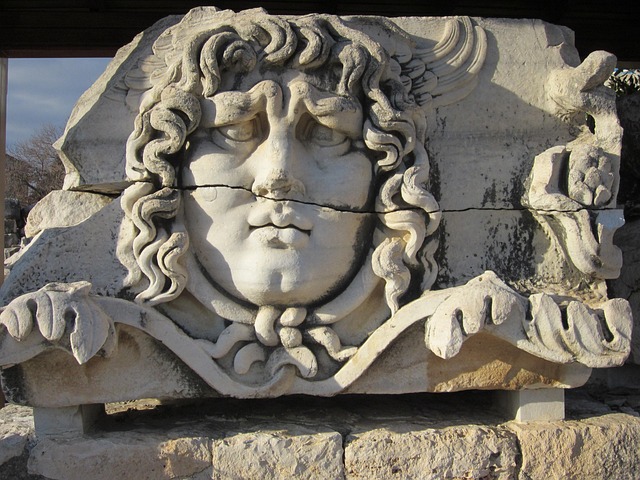
The Origin and Transformation of Medusa’s Character
In early Greek mythology, Medusa was not always monstrous. Hesiod’s Theogony described her as one of three Gorgon sisters, but later authors like Ovid reimagined her as once-beautiful before being cursed by Athena. This shift from mortal woman to Gorgon represents both punishment and metamorphosis—a reflection on divine power and human vulnerability. Classical scholars interpret this transformation as symbolic: her serpentine hair and petrifying gaze embody the tension between beauty and terror.
The Influence of Hesiod, Ovid, and Later Classical Authors on Her Mythic Identity
Hesiod established the genealogical roots of the Gorgons, while Ovid’s Metamorphoses added psychological depth by framing Medusa’s curse as a response to violation rather than vanity. Later Roman writers amplified this moral dimension, making her tragedy central to discussions about justice and divine retribution. Through these texts, her identity became layered—part victim, part avenger.
Symbolic Interpretations of Her Transformation as Both Punishment and Empowerment
Medusa’s transformation has long been read through dual lenses: divine punishment for desecration or an act of empowerment reclaiming control over male aggression. Modern feminist theory often favors the latter view, arguing that her petrifying power symbolizes resistance against patriarchal violence. This reinterpretation has profoundly influenced how her image circulates in modern art and tattoo culture.
Medusa’s Role in Ancient Greek Society and Art
As myths spread through visual media in antiquity, Medusa’s face became one of the most recognizable symbols across Greek temples, pottery, and armor.
Representation of Medusa in Archaic and Classical Art Forms Such as Pottery and Sculpture
Archaic artisans depicted Medusa with tusks, bulging eyes, and protruding tongues—features meant to ward off evil spirits. By the classical period, artists softened these traits into more humanized depictions that emphasized tragic beauty over monstrosity. Sculptures from temple pediments reveal how myth could serve both aesthetic and spiritual purposes.
The Apotropaic Function of the Gorgoneion in Temples, Shields, and Armor
The Gorgoneion—Medusa’s severed head—was widely used as an apotropaic device to repel harm. Warriors engraved it on shields; architects placed it above temple entrances to protect sacred spaces. Its presence was less about horror than defense—a reminder that even terrifying images could serve benevolent ends.
How Medusa’s Image Served as Both a Protective and Fear-Inducing Emblem
This paradox defined much of Greek religious iconography: what frightens also protects. The same gaze that turned enemies to stone symbolized safety for those under its guard. That contradiction persists today in how people interpret the meaning medusa tattoo—as both shield and scar.
The Evolution of Medusa’s Symbolism Through History
Over time, Western thought reinterpreted Medusa from mythological monster into metaphor for broader social themes—from Renaissance art to psychoanalytic theory.
From Monster to Feminist Icon
Renaissance painters revived classical myths but emphasized beauty over terror; Caravaggio’s Medusa captured both rage and grace in equal measure. In the 19th century, Freud linked her head to castration anxiety—a reading later challenged by feminist scholars who reframed her as emblematic of suppressed female anger. By the late 20th century, she had become an icon for women reclaiming their voices after silencing or abuse.
Nineteenth and Twentieth-Century Reinterpretations Through Psychoanalysis and Feminist Theory
Psychoanalytic readings treated her gaze as projection of male fear; feminist writers countered that such fear reveals deeper truths about gendered power dynamics. Writers like Hélène Cixous described looking at Medusa without turning away—as acceptance rather than avoidance—a radical inversion of ancient dread.
The Reimagining of Medusa as a Symbol of Female Rage, Trauma, and Resilience
Modern literature and art increasingly portray Medusa not as villain but survivor. Her snakes signify renewal; each one shed skin yet lived anew. Tattoos inspired by this imagery often mark recovery after assault or hardship—transforming pain into strength etched permanently on skin.
Academic Reassessment of Medusa in Modern Scholarship
Contemporary scholarship approaches Medusa through interdisciplinary frameworks combining classics, gender studies, psychology, and visual culture analysis.
Scholarly Debates on Whether Medusa Represents Victimhood or Agency
Academics remain divided: some argue she embodies victimization under divine cruelty; others see agency reclaimed through transformation. This debate underscores how myth resists singular interpretation—its ambiguity sustains its relevance across eras.
Intersectional Readings Connecting Gender, Power, and Violence in Mythological Studies
Intersectional analyses explore how class, sexuality, and race intersect with gendered violence within mythic narratives. By situating Medusa among other figures punished for transgression—like Pandora or Lilith—scholars reveal recurring structures of control embedded within cultural storytelling.
Comparative Analyses Between Classical Sources and Contemporary Reinterpretations
Comparative studies trace continuities between ancient vase paintings depicting Perseus’ triumph and modern tattoos portraying Medusa alone—no hero required. This shift from conquest to self-possession encapsulates changing societal attitudes toward autonomy.
The Cultural Resurgence of the Medusa Tattoo
In recent years, digital platforms have transformed ancient symbolism into viral self-expression. TikTok users share personal stories linking body art with healing journeys rooted in myth.
The Tattoo as a Medium for Mythological Expression
Tattoos function like living manuscripts where individuals inscribe their own myths onto their bodies. For many wearers today, choosing a Medusa tattoo meaning reflects identification with resilience born from suffering—a dialogue between ancient archetype and personal narrative.
How Body Art Transforms Traditional Symbols Into Individualized Expressions
Each depiction varies: some prefer realistic portraits evoking tragedy; others stylize serpents into minimalist lines symbolizing rebirth. These reinterpretations demonstrate how body art democratizes mythology by allowing private ownership over public symbols.
The Role of Social Media Platforms in Amplifying Symbolic Reinterpretations
Platforms like TikTok accelerate these reinterpretations by connecting global audiences around shared experiences of trauma recovery or empowerment narratives tied to mythic imagery. Viral videos showing new ink often accompany confessions about surviving assault or reclaiming confidence—a digital ritual echoing communal catharsis once found in temples or theaters.
Popular Interpretations Among Modern Audiences
While meanings differ across individuals, recurring motifs link most interpretations: protection from harm, survival after violence, or assertion of independence against oppression.
Common Associations Between the Medusa Tattoo and Themes of Protection or Survival
Many describe their tattoos as protective charms akin to ancient amulets—the modern equivalent of wearing the Gorgoneion on armor. Others see it as declaration that they have faced fear itself without turning away.
How Trauma Narratives Influence Tattoo Symbolism Among Younger Generations
Younger audiences especially adopt the design following public discussions about consent culture online. For them, it symbolizes surviving trauma while rejecting shame imposed by others—a visible refusal to be victimized again.
Variations in Meaning Across Cultural and Gender Contexts Within Online Communities
Interpretation also shifts across cultures: some emphasize spiritual defense against negativity; others highlight feminist solidarity or queer identity reclamation. Social media threads reveal ongoing negotiation between collective meaning-making and personal storytelling.
Scholarly Perspectives on the Meaning Behind the Medusa Tattoo
Researchers studying visual culture increasingly treat tattoos as legitimate texts capable of expressing complex mythological ideas through contemporary aesthetics.
Symbolism Interpreted Through Classical Studies Frameworks
Through semiotic analysis rooted in classical studies, scholars decode recurring motifs such as serpents representing regeneration or eyes symbolizing vigilance against harm. These frameworks trace continuity from temple carvings to tattoo parlors—ancient iconography reborn through ink.
Discussion on How Mythic Motifs Evolve Within Visual Culture Over Time
Art historians note that visual motifs rarely vanish; they mutate with context shifts—from marble reliefs to digital sketches shared online before becoming permanent designs on skin. Each iteration carries echoes of earlier epochs yet speaks fluently within its own time.
Examination of Artistic Continuity Between Ancient Depictions and Modern Tattoos
Comparative iconographic studies highlight surprising fidelity between archaic Gorgoneia carved into shields and minimalist line tattoos trending today—the same circular framing around fierce eyes persists millennia later because its geometry inherently commands attention.
Psychological and Sociocultural Dimensions of the Motif
Beyond aesthetics lies deep psychological resonance connecting personal healing with collective myth memory.
The Tattoo as an Embodiment of Psychological Reclamation After Trauma or Injustice
Psychologists interpret such tattoos as acts of reclamation where survivors externalize inner scars into controlled symbols they choose themselves—a reversal from passive suffering toward active authorship over one’s story.
Connections Between Mythological Imagery and Identity Formation in Postmodern Society
In postmodern contexts saturated by media imagery, adopting mythic symbols helps individuals anchor identity amid flux; wearing Medusa becomes shorthand for resilience recognized across subcultures regardless of language barriers.
Critical Perspectives on Appropriation Versus Authentic Reinterpretation Within Tattoo Culture
Some critics caution against superficial use detached from historical context; others argue reinterpretation itself keeps myths alive by allowing marginalized voices to reshape inherited narratives according to lived realities rather than museum canonization.
Why Scholars Continue to Revisit the Symbolism of Medusa Today?
Academic fascination endures because myths like hers illuminate enduring questions about gendered power structures within evolving cultural mediums—from marble statues to Instagram feeds.
Relevance in Contemporary Gender Discourse
Feminist scholarship reframes her not as villain but emblematic survivor whose story parallels ongoing struggles over bodily autonomy worldwide. Debates around representation show how ancient archetypes still inform modern gender politics when mediated through digital storytelling platforms such as TikTok trends around meaning medusa tattoo hashtags.
The Ongoing Dialogue Between Mythological Archetypes and Modern Gender Politics
This dialogue bridges millennia: Athena’s punishment mirrors societal policing of women’s bodies today; Perseus’ triumph becomes metaphor for dismantling patriarchal hero narratives still dominant in popular media imagery.
Academic Interest in How Digital Spaces Reshape Collective Mythmaking Processes
Digital ethnographers now study how memes transform classical icons into participatory myths circulating within online communities where users remix legends into personal affirmations rather than passive tales told by authority figures.
The Enduring Power of Mythological Symbols in Visual Culture
Even amid technological change, ancient symbols retain emotional potency because they distill universal experiences—fear turned courage, pain turned art—that transcend linguistic boundaries.
Reasons Why Classical Myths Remain Potent Sources for Artistic Inspiration
Artists return repeatedly to figures like Medusa because she encapsulates contradictions central to human experience: beauty entwined with danger; silence erupting into voice; destruction birthing renewal—all visually compelling themes suited for permanent inscription on skin or canvas alike.
Cross-Disciplinary Studies Linking Art History, Anthropology, and Cultural Theory to Tattoo Symbolism
Interdisciplinary research reveals tattoos operate at intersection between ritual anthropology (marking rites), art history (stylistic lineage), and cultural theory (semiotic meaning)—fields converging around shared fascination with how images migrate across mediums yet retain emotional charge intact over centuries.
Future Directions for Scholarly Inquiry Into Myth-Based Body Art Representations
Future studies may map geographic diffusion patterns using digital databases tracking motif frequency globally or analyze algorithmic influence shaping which designs trend first online before entering physical practice—a new frontier merging data science with humanities inquiry into living mythology inked upon human flesh.
FAQ
Q1: Why is the Medusa tattoo popular among women survivors?
A: It represents reclaiming control after trauma; many see it as symbolizing strength born from adversity rather than shame tied to victimhood narratives rooted in mythic punishment stories.
Q2: Does every culture interpret the meaning medusa tattoo similarly?
A: No; Western audiences emphasize feminist empowerment while Eastern contexts may stress protection against evil spirits reflecting older apotropaic traditions inherited from antiquity.
Q3: Are there historical precedents for wearing protective images like this?
A: Yes; Greeks used Gorgoneia on shields or architecture believing they warded off harm—the same principle informs modern tattoos serving symbolic defense today.
Q4: How did TikTok influence renewed interest in this motif?
A: Viral storytelling allowed survivors worldwide to share reasons behind their tattoos creating supportive networks where myth meets lived experience amplified through short-form video aesthetics appealing especially among younger demographics.
Q5: What distinguishes academic study from popular interpretation here?
A: Scholars contextualize imagery within long historical continuities analyzing power dynamics whereas popular discourse focuses more on emotional resonance making both perspectives complementary lenses revealing why this symbol endures so vividly today.