
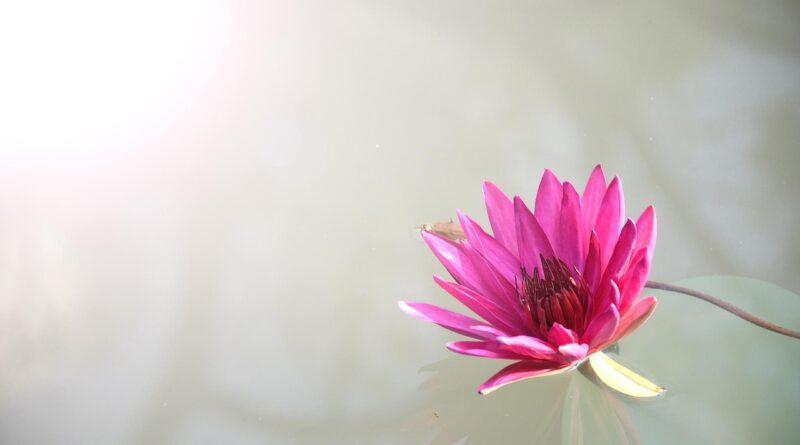
Lotus meaning tattoo guide for symbolism, colors, and placement
What a lotus meaning tattoo usually represents
A lotus meaning tattoo usually points to growth through difficulty. The flower grows from muddy water and opens clean above the surface, which makes it a clear symbol of resilience, renewal, purity, healing, and spiritual progress. In tattoo design, the lotus can be religious, quietly personal, or simply a reminder that one difficult chapter does not have to define the whole story.
The lotus does not have one fixed meaning. Its symbolism changes with culture, color, style, body placement, and the wearer’s own experience. A fine-line lotus on the wrist may read as a private recovery symbol, while a large lotus mandala on the back may suggest balance, meditation, and a more spiritual design language. For more symbol guides, see our tattoo meanings collection.
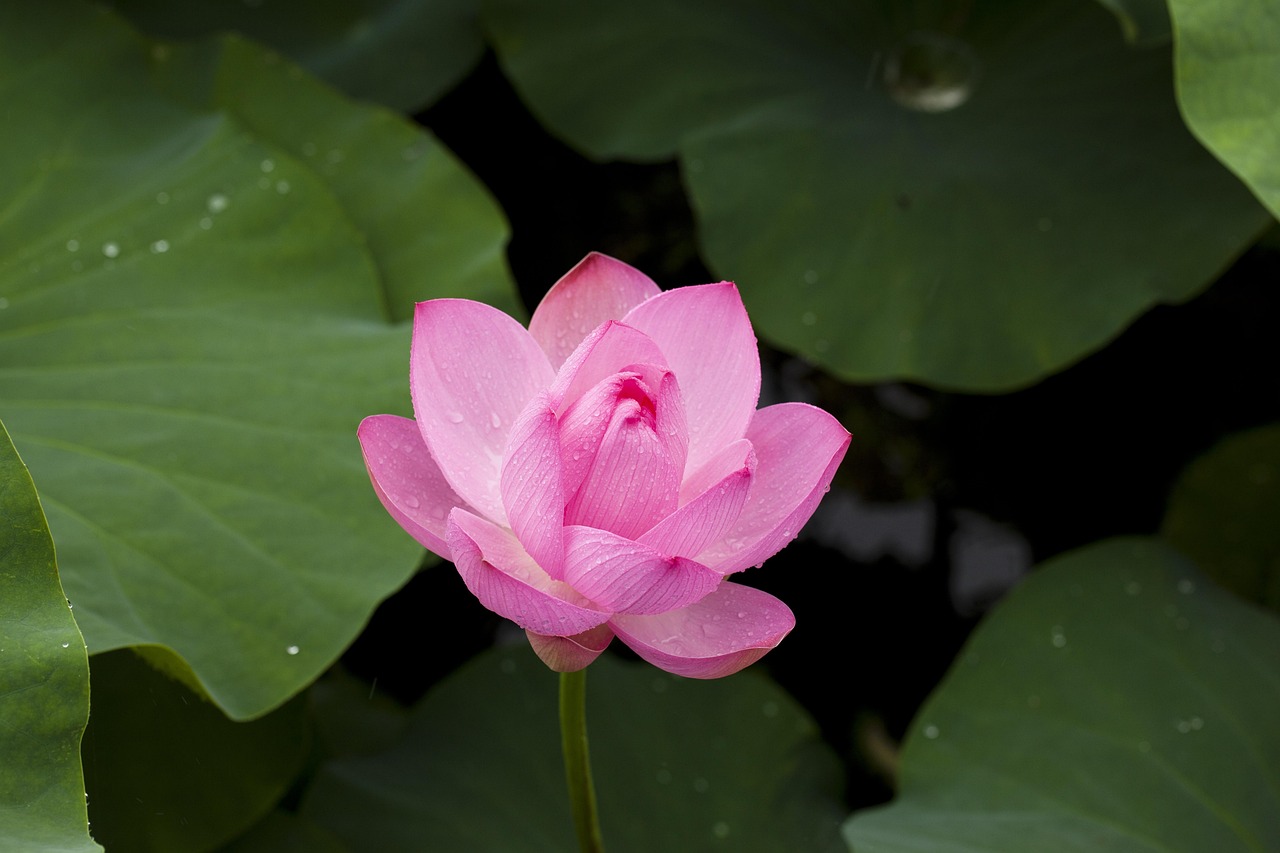
Why the lotus is linked to growth and renewal
The lotus carries meaning because of the contrast between where it begins and how it appears. It is rooted in mud, rises through water, and opens into a clean, balanced flower. That life cycle is why many people connect lotus tattoos with overcoming hardship, emotional recovery, transformation, and the ability to stay grounded while moving toward something better.
In a tattoo, this symbolism is often read in several ways:
- Resilience: the flower grows from difficult conditions rather than avoiding them.
- Renewal: the opening bloom can suggest a new phase, a fresh start, or a return to self.
- Purity: the clean flower above muddy water suggests clarity despite surrounding chaos.
- Spiritual growth: the upward movement can represent awakening, learning, or inner discipline.
- Balance: the symmetrical form works naturally with mandalas, geometric art, and centered body placements.
This is why the lotus is often chosen after recovery, grief, burnout, major life change, or a period of personal rebuilding. The image says, in a quiet way, that beauty and strength can come from imperfect conditions.
Cultural roots behind lotus symbolism
Lotus symbolism is older and broader than modern tattoo culture. Museum collections and religious art references commonly discuss the flower in connection with purity, rebirth, enlightenment, and sacred presence. A lotus tattoo does not need to copy religious art, but understanding the background helps avoid shallow or inaccurate symbolism.
Buddhist symbolism
In Buddhist art and literature, the lotus is widely associated with purity and enlightenment. Sources such as the Encyclopedia of Buddhism and the Rubin Museum of Himalayan Art describe the lotus as a flower that rises from muddy water unstained, making it a strong metaphor for awakening beyond attachment and suffering. This is why Buddhas and bodhisattvas are often shown seated on or connected with lotus forms in Buddhist visual traditions.
For tattoo wearers, that background often translates into meanings such as mindfulness, spiritual discipline, compassion, and the effort to rise above destructive patterns. If the design includes explicitly Buddhist elements, such as sacred syllables, deity imagery, or ritual symbols, research them carefully instead of using them as decoration.
Hindu and Indian art associations
In Hindu and wider Indian art traditions, the lotus is also a major sacred symbol. It is often associated with beauty, divine presence, prosperity, and spiritual unfolding. Deities may be depicted seated on lotus flowers or holding them, so the image carries more than a botanical meaning. It can suggest a higher state, abundance, grace, and the unfolding of consciousness.
In tattoo form, this background can inspire designs that feel devotional, meditative, or symbolic of inner expansion. The more directly a tattoo borrows from sacred iconography, the more care it deserves. A simple lotus flower is usually flexible; a lotus combined with deity imagery or mantras carries more specific cultural and religious weight.
Ancient Egyptian rebirth symbolism
The lotus also appears in ancient Egyptian art. The Metropolitan Museum of Art describes the Egyptian water lily, commonly called the lotus, as one of ancient Egypt’s important plant symbols, connected with the sun, creation, daily rebirth, and rejuvenation because of the way the flower opens with light. The same museum notes that lotus and papyrus could also represent different regions of Egypt in ancient visual language.
For tattoo design, this history supports the lotus as a symbol of rebirth, not only spirituality. Someone choosing a lotus after a major transition may be drawing on an idea that appears across more than one culture: the flower marks a return of life, light, and possibility.
Lotus tattoo meanings by color and style
Color can change the emotional tone of a lotus tattoo, but color meanings are not universal rules. Some associations come from religious art, some from modern tattoo convention, and some from personal interpretation. If you want the tattoo to carry a specific cultural meaning, confirm that meaning before committing. If you want a personal symbol, choose the color that honestly fits your story.
| Lotus tattoo style or color | Common meaning | Design notes |
|---|---|---|
| White lotus | Purity, peace, clarity, spiritual intention | Works well in fine line, black-and-gray, or soft shading; pure white ink alone may age unpredictably on some skin tones. |
| Pink lotus | Compassion, devotion, gentle renewal, feminine energy for some wearers | A popular choice for soft floral pieces, watercolor styles, and designs with other flowers. |
| Blue lotus | Wisdom, self-control, insight, calm focus | Often chosen by people who want a cooler, more meditative mood rather than a romantic floral look. |
| Red lotus | Love, courage, passion, emotional strength | Can feel bold and heart-centered, especially with chest, sternum, or arm placements. |
| Purple lotus | Mystery, spirituality, intuition, inner transformation | Pairs naturally with moon, mandala, or ornamental details, but can become visually busy if overdesigned. |
| Black lotus | Survival, independence, grief, strength after darkness | Not a traditional single meaning; it is usually a modern tattoo interpretation. |
| Fine-line lotus | Simplicity, quiet growth, minimalism | Best when the artist leaves enough space so the petals remain readable as the tattoo ages. |
| Geometric lotus | Balance, order, self-discipline | Symmetry matters; placement and stencil alignment are especially important. |
Design details that change the meaning
The lotus is simple enough to stand alone, but many tattoos add symbols around it. These details can sharpen the meaning or make it less clear, depending on how they are used. The strongest designs usually focus on one main idea instead of stacking every possible symbol into one piece.
Closed bud, half bloom, or full bloom
A closed lotus bud can represent potential, patience, or the beginning of healing. A half-open flower suggests transition: the wearer is still becoming, not finished. A full bloom usually reads as awakening, acceptance, confidence, or arrival after a long process. For someone marking recovery or a new phase, the bloom stage may be more meaningful than the color.
Lotus with water, mud, or roots
Many lotus tattoos show only the flower, but including roots, water lines, or mud can make the resilience message clearer. A flower without roots may symbolize purity or beauty; a flower with visible roots says, more specifically, that growth came from struggle. This can be a strong choice for people who want the tattoo to acknowledge the past without being defined by it. See also: tattoo care.
Lotus mandala
A lotus mandala combines floral symbolism with circular balance. The result often suggests wholeness, meditation, harmony, and a centered inner life. Because mandala designs rely on repetition and symmetry, they work especially well on the sternum, upper back, shoulder cap, thigh, or forearm. The main risk is overcrowding: too many tiny petals and dots can blur over time if the tattoo is too small.
Lotus with unalome or spiritual linework
The unalome is often used in contemporary tattoos to suggest a winding path toward clarity or awakening. When paired with a lotus, the combined message is usually spiritual growth after difficulty. Because this design is often linked with Buddhist-inspired imagery, it is best approached respectfully. Avoid placing sacred-looking symbols in areas that may be considered disrespectful in some cultural contexts unless you fully understand the meaning.
Lotus with moon, koi, snake, or butterfly
A moon and lotus design often points to cycles, intuition, and emotional renewal. A koi with lotus may suggest perseverance and upward movement, especially in Japanese-inspired compositions. A snake with lotus can represent transformation, shadow work, or rebirth, while a butterfly adds a more direct message of change and emergence. These pairings are popular because they extend the lotus meaning without replacing it.
Placement ideas and what they suggest
Placement does not create a fixed meaning, but it does influence how the tattoo is read. A visible lotus can feel like a daily affirmation; a hidden one can feel more private and intimate. Shape also matters. The lotus is naturally symmetrical, so it works well on body areas where the design can sit centered or follow a clear line.
- Wrist or inner forearm: a visible reminder of growth, recovery, or calm. Best for small, simple lotus designs.
- Upper arm or shoulder: a balanced option for medium designs, mandalas, or lotus pieces with leaves and shading.
- Sternum or chest: often chosen for personal transformation, heart-centered symbolism, or ornamental symmetry.
- Back or spine: suitable for vertical lotus designs, lotus with unalome, or larger spiritual compositions.
- Ribcage: private and elegant, often used for fine-line floral work, though it can be a more sensitive area for many people.
- Ankle or foot: subtle and delicate, but small details may need to be simplified because these areas can experience friction.
- Thigh: useful for larger lotus tattoos with mandala, moon, snake, or water elements.
If meaning matters more than decoration, ask where you want to see the tattoo in daily life. A lotus on the wrist may help you remember your intention. A lotus on the back may feel more like a chapter you carry privately. Neither is better; they simply communicate differently.
How to choose a lotus tattoo that still feels personal
Because the lotus is popular, the challenge is not finding inspiration; it is avoiding a design that feels generic. Start by choosing the exact meaning you want the flower to hold. Is it about survival, spiritual practice, grief, sobriety, self-respect, motherhood, a fresh start, or peace after a difficult period? Once the meaning is clear, the design decisions become easier.
Use this simple process before your appointment:
- Write one sentence of meaning. For example, “This lotus represents rebuilding after loss.”
- Choose a bloom stage. Bud for beginning, half bloom for becoming, full bloom for arrival.
- Limit supporting symbols. One or two additions are usually stronger than five.
- Decide whether the tattoo is cultural, spiritual, or personal. This helps you avoid symbols you do not fully understand.
- Match size to detail. Tiny tattoos need simple petals; complex mandalas need room.
- Think about aging. Leave enough negative space so lines do not merge over time.
- Prioritize safety. Public guidance from the U.S. Food and Drug Administration notes that tattoos can involve risks such as infections and allergic reactions, especially when inks or practices are unsafe. Choose a licensed professional, ask about sterile equipment, and follow aftercare instructions.
A meaningful tattoo does not need to explain everything at once. In many cases, the cleanest lotus design lasts best because it leaves room for the wearer’s own story.
Frequently asked questions
What does a lotus tattoo mean for a woman?
A lotus tattoo does not have a separate meaning only for women. Many women choose it for resilience, self-love, healing, motherhood, spiritual growth, or renewal, but those meanings are not limited by gender. The design becomes personal through style, placement, color, and the story behind it.
Is a lotus tattoo religious?
It can be, but it does not have to be. The lotus has important roles in Buddhist, Hindu, and ancient Egyptian symbolism, but many modern tattoos use the flower as a broader sign of growth or rebirth. If you include religious figures, mantras, or sacred symbols, research them carefully and discuss respectful placement with a knowledgeable artist.
What does a lotus mandala tattoo mean?
A lotus mandala tattoo usually combines the lotus meaning of growth and purity with the mandala’s sense of balance, wholeness, and focus. It is often chosen by people who connect the tattoo with meditation, healing, or inner order.
What color lotus tattoo should I choose?
Choose the color that best matches the meaning you want. White suggests clarity and peace, pink feels gentle and compassionate, blue suggests wisdom and calm, red adds passion or courage, purple leans spiritual and mysterious, and black often feels strong, modern, or tied to survival.
Where is the best place for a lotus tattoo?
The best placement depends on size, visibility, and personal meaning. Wrists and forearms work for daily reminders, the sternum and back suit symmetrical spiritual designs, and the thigh gives enough space for larger lotus compositions. Ask your artist to scale the petals so the tattoo stays readable as it ages.