

Japanese koi tattoo meaning and how to read color, direction, and water
What a Japanese koi tattoo means
The central Japanese koi tattoo meaning is perseverance under pressure. A koi pushing through waves, climbing a waterfall, or moving toward a dragon is commonly read as courage, ambition, endurance, and personal growth. It is not a fixed dictionary symbol, though. In Japanese-inspired tattooing, the meaning shifts with direction, color, water, flowers, season, and placement.
A koi swimming upstream can suggest an ongoing struggle or a goal still being pursued. A downstream koi may suggest release, maturity, or a challenge already passed. The strongest koi designs usually connect cultural symbolism with the wearer’s own story, without reducing the fish to a single slogan.
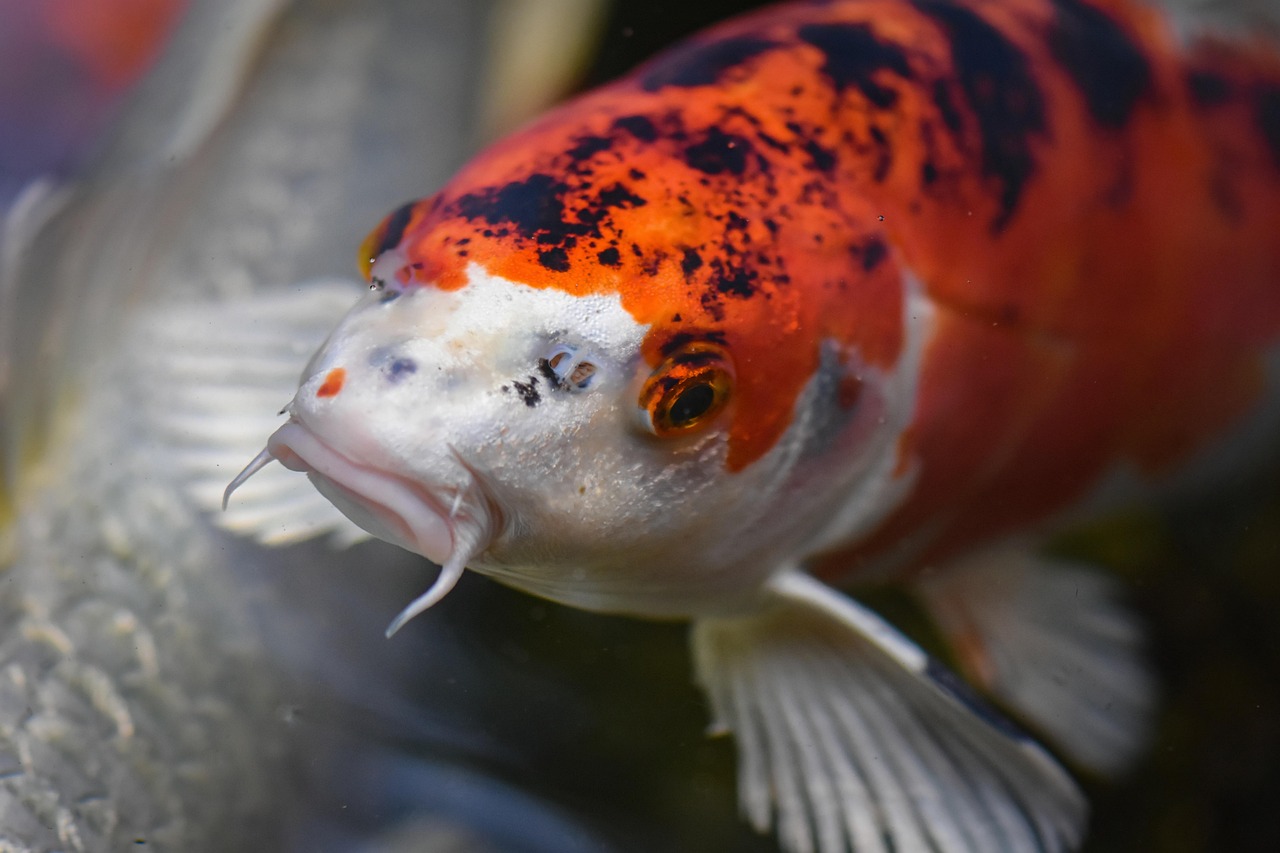
Koi tattoos remain popular because they are visually strong and emotionally flexible. They can support a full sleeve or back piece, but they can also work as a smaller forearm, calf, shoulder, or chest design. The motif appears in traditional Japanese irezumi, neo-Japanese work, blackwork, fine-line tattooing, illustrative styles, and contemporary color pieces.
The cultural background behind the koi symbol
The koi, or carp, carries several layers of meaning in Japanese visual culture. Cultural sources on Japanese Children’s Day describe carp streamers, called koinobori, as symbols of strength, healthy growth, bravery, and perseverance. These streamers are displayed around May 5, Children’s Day in Japan, and their upward movement in the wind echoes the idea of a strong carp rising against force.
The tattoo meaning is also linked to the Dragon Gate legend. In the East Asian story, carp that fight their way upstream and leap a powerful waterfall are transformed into dragons. The legend is Chinese in origin, but it became part of the wider symbolic language used in Japan. In tattoo design, this is why koi are often shown with rushing water, waterfalls, foam, clouds, or dragon-like energy. The fish is not just decorative; it is a creature in motion, tested by the current.
Japanese tattooing also developed through printed images. Museum writing on Japanese prints often points to Edo-period woodblock artists such as Utagawa Kuniyoshi, whose warrior prints helped spread tattoo imagery and large-scale body designs. Koi, dragons, waves, peonies, maple leaves, and heroic figures became part of a shared visual vocabulary. Modern tattooers still adapt that vocabulary, but responsible artists usually treat it as a living design language rather than a rigid checklist.
Upstream vs downstream koi tattoo meaning
Direction is one of the first details people ask about when planning a koi tattoo. Upstream and downstream can change the emotional tone, but direction should also work with the body’s flow and the full composition.
| Design choice | Common reading | Best used when |
|---|---|---|
| Koi swimming upstream | Struggle, persistence, ambition, active resistance | You want the tattoo to represent a goal, recovery, discipline, or a challenge still being faced |
| Koi swimming downstream | Completion, acceptance, peace, moving with life | You want the tattoo to mark survival, emotional release, or a phase already overcome |
| Koi facing a waterfall | Transformation, testing, the Dragon Gate journey | You want a design centered on growth through difficulty |
| Koi paired with a dragon | Change, power after hardship, earned strength | You want the story to show the result of perseverance, not just the struggle itself |
There is no universal rule that an upstream koi is always better or more traditional than a downstream koi. In large Japanese compositions, artists often prioritize movement: the fish should look at home in the water, wrap naturally with the limb or torso, and lead the eye through the design. A koi that flows well on the body may communicate more clearly than one forced into a symbolic direction that weakens the composition.
Common koi tattoo color meanings
Color meanings are popular in tattoo guides, but they are not standardized. Some associations come from broader cultural symbolism, some from modern tattoo convention, and some from personal interpretation. A good artist can help you choose colors that support the story, the composition, and your skin tone.
Black koi
A black koi is often chosen for resilience, survival, and overcoming hardship. In a bold Japanese composition, black can also create visual weight and contrast against waves, red maple leaves, or open skin breaks. It is a strong choice when the tattoo should feel grounded rather than purely decorative.
Red koi
Red koi tattoos are commonly linked with passion, courage, intensity, love, and vitality. Red is visually powerful, especially in traditional Japanese color palettes. It also deserves a practical note: medical sources such as Mayo Clinic note that red ink is more often associated with allergic reactions than some other tattoo colors. That does not mean red should be avoided by everyone, but it is worth discussing with a licensed artist if you have sensitive skin or a history of reactions.
Blue koi
Blue koi designs often suggest calm strength, emotional control, masculinity in some modern readings, or a steady path through difficulty. Blue also pairs naturally with water, so it can make the fish feel integrated into the waves instead of separate from them.
Gold or yellow koi
Gold and yellow koi are frequently associated with prosperity, success, optimism, and achievement. In tattooing, gold can be difficult to represent literally, so artists usually build the effect through yellow, orange, brown, and highlights. The meaning works best when the design still reads as a living fish, not only as a wealth symbol.
White koi
White koi can suggest clarity, renewal, spiritual reflection, or a new chapter. Because white pigment can age differently and may not stay bright on every skin tone, many tattooers use open skin, gray shading, or soft contrast to create the impression of a pale koi instead of relying heavily on white ink.
Water, flowers, dragons, and other design elements
In traditional Japanese design, a koi tattoo rarely stands alone. The surrounding elements help explain what kind of journey the koi is taking. Water is the most important companion because it gives the fish force and direction. Calm water can make the design feel reflective, while waves and waterfalls add struggle, energy, and dramatic movement.
Waves and waterfalls
Waves make the koi active. Large curling waves can show resistance, while foamy water adds speed and tension. A waterfall makes the Dragon Gate theme clearer because it creates a vertical challenge. If the fish is climbing toward the top, the tattoo reads as effort and transformation. If the koi has passed the fall or is moving away from it, the story may feel closer to completion. See also: tattoo care.
Lotus, peony, cherry blossom, and maple leaves
Flowers and leaves add season, mood, and emotional nuance. A lotus can suggest growth from difficulty or spiritual steadiness. Peonies often bring richness, bravery, and elegance to Japanese tattoo compositions. Cherry blossoms can introduce beauty, impermanence, and the briefness of life. Maple leaves often create an autumn feeling and can make the piece feel reflective, mature, or transitional.
Dragon koi and transformation
A dragon koi combines the fish with the result of the legend. It may be shown as a koi with dragon-like features, a koi moving toward a dragon, or a composition where both appear together. This idea works best when the tattoo is meant to focus on transformation rather than struggle alone. It suggests that strength is not simply inherited; it is earned through effort.
Placement and style choices that change the message
Placement affects both meaning and readability. A forearm koi is visible and direct, often suited to a personal reminder of persistence. A calf koi naturally supports upward or downward motion, especially with water wrapping around the leg. A shoulder or chest koi can feel protective and powerful. A full sleeve, back piece, or thigh panel gives the artist enough space for waves, flowers, rocks, wind bars, and background shading.
Traditional Japanese irezumi usually relies on bold outlines, strong black shading, controlled color, and background elements that unify the piece. A neo-Japanese tattoo may keep the same motifs while using brighter color, different anatomy, or more dramatic contrast. Blackwork and fine-line koi tattoos can also be effective, but they usually simplify the symbolic background. If waves, flowers, and direction are removed, the design may become more minimal and personal, but less readable as a traditional Japanese-inspired composition.
Scale matters as much as style. Koi have fins, scales, whiskers, eyes, and body curves that need space. A very small koi can lose the sense of movement that makes the symbol powerful. If you want a compact tattoo, consider simplifying the fish and using one clear element, such as a wave or lotus, instead of trying to fit an entire sleeve concept into a small area.
How to choose a koi tattoo with respect and clarity
A respectful Japanese koi tattoo begins with understanding, not fear. The motif is widely used in global tattoo culture, and many non-Japanese collectors wear Japanese-inspired tattoos thoughtfully. The key is to avoid treating cultural imagery as random decoration. Learn the basic story, choose elements that belong together, and work with an artist who understands Japanese composition if that is the style you want.
- Start with the personal meaning. Decide whether your koi represents struggle, recovery, ambition, grief, maturity, family, or transformation.
- Choose direction after choosing the story. Upstream, downstream, and waterfall designs all work when they match the message and body flow.
- Limit the supporting symbols. One koi, water, and one seasonal element can be stronger than a crowded design.
- Think about aging. Bold shapes, readable contrast, and enough space usually age better than tiny details packed too closely together.
- Ask about safety. The FDA notes that tattoo inks can be contaminated even when containers are sealed, and reputable artists should follow strict hygiene, aftercare, and local licensing practices.
If you are comparing different symbolic designs, you can explore more ideas in our tattoo meanings archive before committing to a final concept.
Frequently asked questions
What does a Japanese koi tattoo symbolize?
It most often symbolizes perseverance, courage, ambition, transformation, and strength developed through difficulty. The exact meaning depends on the direction of the koi, the water, the colors, and any added flowers or dragons.
Is a koi swimming upstream or downstream better?
Neither is automatically better. Upstream usually suggests active struggle or determination, while downstream can suggest completion, acceptance, or moving forward after hardship. The best choice is the one that fits your story and the tattoo’s placement.
What does a koi and dragon tattoo mean?
A koi and dragon tattoo refers to the Dragon Gate transformation story. It commonly represents earned power, major change, personal growth, and the idea that endurance can lead to a stronger form of self.
Can a woman get a Japanese koi tattoo?
Yes. Koi tattoos are not limited to one gender. The design can be made bold, elegant, minimal, fierce, or soft depending on color, placement, flowers, and overall style.
Is it disrespectful to get a Japanese koi tattoo?
Not inherently. It becomes more respectful when you understand the symbolism, avoid random cultural mixing, and choose an artist who can design the koi, water, and background with care. If you want a traditional Japanese look, work with someone experienced in that visual language.