
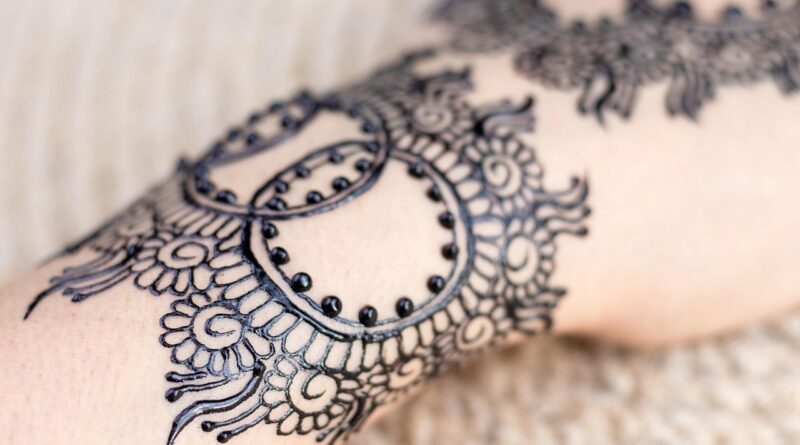
Deep meaningful tattoo symbols and how to choose one with lasting personal value
What makes a tattoo symbol deeply meaningful?
Deep meaningful tattoo symbols do not become meaningful simply because they appear on a popular list. They work when a simple image carries a clear personal story, value, memory, turning point, belief, or relationship. A lotus may point to recovery, an anchor may suggest steadiness, and a semicolon is often linked with continuing through mental health struggles. Still, no symbol has one fixed meaning for every person. The strongest tattoo ideas usually combine three things: a recognizable visual form, a meaning that genuinely belongs to the wearer, and respect for the symbol’s cultural or historical background.
This guide explains how to evaluate symbolic tattoos before choosing one. It also compares common symbols, discusses cultural sensitivity, and shows how placement and style can change the way a design is read. For more related symbolism guides, visit our tattoo meanings section.

Why simple symbols often carry the strongest tattoo meanings
Many lasting tattoo designs are visually simple. A wave, line, star, flower, bird, moon, or punctuation mark can be understood quickly, while still holding a private meaning that is not obvious to everyone who sees it. This balance is one reason symbolic tattoos remain popular: they can be public enough to feel expressive and private enough to feel protected.
Historical and anthropological sources often describe tattoos as decoration, identity markers, spiritual signs, status symbols, records of life events, and expressions of belonging. That does not mean every modern tattoo needs a heavy historical meaning, but it does help explain why people continue to treat body markings as more than surface design.
A meaningful symbol usually works on more than one level. It may look beautiful from a distance, but it should also reward closer attention. A mountain tattoo, for example, can show a love of nature. It can also represent endurance, grief, ambition, solitude, or the memory of a place where the wearer changed. The design becomes stronger when the wearer can explain why that mountain, that shape, and that placement matter.
Common deep meaningful tattoo symbols and what they can represent
The meanings below are not rules. They are widely recognized associations that can help you start a design conversation with your tattoo artist. The best version of any symbol should be adapted to your own story instead of copied exactly from a generic image.
| Symbol | Common meaning | Design notes |
|---|---|---|
| Lotus | Growth, recovery, clarity, rising through difficulty | Works well in fine line, ornamental, geometric, or blackwork styles |
| Semicolon | Continuation, survival, mental health awareness, a story not yet finished | Often small and discreet; should be chosen with emotional care |
| Anchor | Stability, grounding, loyalty, returning home | Can feel traditional, minimalist, nautical, or memorial depending on style |
| Compass | Direction, protection, purpose, finding one’s way | Pairs well with maps, stars, coordinates, or dates |
| Phoenix | Rebirth, resilience, transformation after loss | Often needs enough space for movement, wings, and flame detail |
| Tree | Family, roots, growth, patience, connection across generations | Can be personalized with branches, initials, leaves, or landscape elements |
| Moon | Change, intuition, cycles, time, feminine energy in some contexts | Phase sequences are useful for marking transformation or life stages |
| Butterfly | Transformation, freedom, recovery, a new chapter | Can be delicate, realistic, abstract, or paired with flowers |
| Eye | Awareness, protection, perception, inner truth | Meanings vary widely by culture, religion, and design details |
| Wave | Change, strength, surrender, emotional movement, connection to water | Minimal waves suit small tattoos; Japanese-inspired waves require more context |
Symbols of resilience, healing, and survival
Resilience tattoos are among the most personal symbolic designs. They often mark a period the wearer survived rather than an identity they want to advertise. For that reason, these tattoos benefit from thoughtful decisions about scale, placement, and privacy.
Semicolon tattoos
The semicolon has become one of the most recognizable symbols connected with mental health awareness and suicide prevention. Its meaning is usually explained through grammar: a semicolon appears where a sentence could end but continues. In tattoo form, that idea becomes a symbol of choosing to continue. Some wearers choose it as a visible sign of solidarity, while others place it somewhere discreet as a private reminder.
If you are considering a semicolon tattoo, think carefully about whether you want the symbol to invite conversation. A wrist or forearm placement may be visible in daily life. Behind the ear, on the ankle, or near the rib may feel more private. Neither choice is better; the right placement depends on how open you want the meaning to be.
Phoenix, broken chain, and kintsugi-inspired designs
The phoenix is a dramatic symbol of rebirth after destruction. It can be powerful for people marking recovery, divorce, grief, sobriety, illness, or a major life reset. Because the phoenix is visually complex, it often works better as a medium or large tattoo rather than a tiny design.
A broken chain can represent freedom from a harmful cycle, relationship, fear, or limitation. Kintsugi-inspired tattoos, based on the Japanese art of repairing broken pottery with visible seams, are often used to express the idea that healing can become part of beauty. When a design draws on culturally specific inspiration, it is better to understand the source concept than to treat it as a decorative trend.
Symbols of love, family, and remembrance
Not every meaningful tattoo needs to be about hardship. Many deep symbols are rooted in love, gratitude, ancestry, or memory. These designs often become more meaningful when they include a specific detail that only the wearer fully understands.
Trees, roots, and branches
Tree tattoos are flexible because they can represent family, growth, endurance, and connection to place. Roots can suggest ancestry or grounding. Branches can suggest children, chosen family, personal paths, or future growth. A bare tree may feel reflective or memorial, while a tree in bloom can suggest renewal.
Coordinates, dates, and handwriting
Some of the most personal tattoos use symbols that are almost plain: a date, a line of handwriting, a set of coordinates, a small initial, or a birth flower. These designs can be emotionally direct without being visually loud. The main risk is legibility. Very small script, thin numbers, and crowded coordinates may blur over time, so ask your artist how the design may age on your chosen body area.
Animals as personal symbols
Animal tattoos often combine instinctive meaning with personal memory. A wolf may represent loyalty or independence. A bird may suggest freedom, migration, or a loved one who has passed. A moth may symbolize attraction to light, transformation, or vulnerability. Rather than choosing an animal only because of a generic meaning, consider whether its behavior, habitat, or personal association fits your story.
Cultural symbols need research, respect, and restraint
Some tattoo symbols carry cultural, spiritual, or ceremonial meanings that are not interchangeable with general decoration. Polynesian tatau, Māori moko, certain Indigenous tattoo traditions, Buddhist imagery, Hindu symbols, sacred geometry, religious icons, and protective signs can have deep meaning within living communities. A design that looks beautiful online may belong to a cultural system with rules, lineage, or sacred significance. See also: tattoo care.
This does not mean every cross-cultural tattoo is automatically inappropriate. It does mean the wearer should avoid treating meaningful traditions as a visual shortcut. Before using a culturally specific symbol, ask three questions:
- Do I understand where this symbol comes from and how it is traditionally used?
- Is this design sacred, restricted, earned, or tied to a specific identity?
- Can I choose a more personal design that respects the influence without copying protected forms?
For example, a person who loves ocean symbolism may not need to copy a traditional Polynesian pattern. They could instead work with an artist to create a wave, shell, tide, or navigation-inspired design that reflects their own relationship with water. Respectful design often comes from slowing down, asking better questions, and avoiding symbols whose meaning you cannot explain.
How placement and style change a symbol’s meaning
The same symbol can feel completely different depending on where and how it is tattooed. A small fine-line moon behind the ear may feel private and poetic. A large blackwork moon phase design across the back may feel ritualistic and bold. Placement is not just a practical choice; it becomes part of the message.
Visible versus private placement
Visible areas such as the forearm, wrist, hand, neck, and lower leg tend to make a tattoo part of everyday presentation. Private areas such as the ribs, upper thigh, back, hip, or chest can make a design feel more intimate. If the tattoo marks grief, trauma, recovery, or a private relationship, a less visible placement may offer more control over when the story is shared.
Minimalist, traditional, blackwork, and fine line styles
Minimalist tattoos can make a symbol feel quiet and modern, but very small designs need enough spacing to age well. Traditional tattooing uses bold lines and strong shapes, which can make anchors, hearts, daggers, swallows, and roses feel timeless. Blackwork gives symbols more visual weight and can suit moons, eyes, trees, ravens, and abstract forms. Fine line work is elegant for delicate symbols, but it requires careful artist selection and realistic expectations about aging.
Combining symbols without overcrowding the design
Many people want one tattoo to represent everything: family, survival, faith, travel, love, and growth. That can lead to a crowded design with too many unrelated elements. A stronger approach is to choose one main symbol and one or two supporting details. For example, a compass with one coordinate can be clearer than a compass, rose, mountain, clock, quote, and three dates in the same small space.
A practical process for choosing a meaningful tattoo symbol
If you want a tattoo that still feels right years from now, start with meaning before imagery. A symbol should serve the story, not replace it.
- Write the meaning in one sentence. For example: “This tattoo represents choosing peace after a difficult period.”
- List three possible symbols. For peace after difficulty, you might consider a lotus, olive branch, wave, dawn, or open window.
- Check cultural context. Make sure the symbol is not sacred, restricted, or disconnected from your own experience.
- Choose a style that matches the emotion. Soft fine line may suit tenderness; bold blackwork may suit strength.
- Test the design at real size. Print or sketch it, then view it from a normal distance.
- Wait before booking. If the idea still feels meaningful after several weeks, it is more likely to last emotionally.
A good tattoo artist can also help translate meaning into design. Instead of saying only “I want a deep symbol,” bring the sentence, mood, references, placement idea, and any symbols you want to avoid. That gives the artist room to create something personal rather than simply reproducing a common image.
Frequently asked questions
What tattoo symbol has the deepest meaning?
There is no single deepest tattoo symbol because meaning depends on the wearer’s story. A semicolon may be deeply meaningful for one person, while a tree, bird, date, or simple line may carry more emotional weight for someone else. The deepest symbol is usually the one that connects clearly to a lived experience.
Are symbolic tattoos better than quote tattoos?
Neither is automatically better. Symbols are often more compact and flexible, while quotes can be more direct. The main advantage of a symbol is that it can hold private meaning without explaining everything to strangers. The main advantage of a quote is clarity. If you choose words, make sure the lettering is large enough to age well.
How do I avoid choosing a tattoo symbol I will regret?
Avoid rushing, copying viral designs, or choosing a symbol only because it looks mysterious. Research the meaning, check cultural context, consider visibility, and sit with the idea for a few weeks. If the tattoo represents a current relationship, trend, or intense temporary emotion, give yourself more time before committing.
Can I combine several meaningful symbols in one tattoo?
Yes, but the design needs hierarchy. Choose one main symbol and use supporting details sparingly. Too many symbols can make a tattoo harder to read and less visually powerful. A clear design with one strong idea often feels more meaningful than a crowded design trying to say everything at once.
What is a good first meaningful tattoo?
A good first meaningful tattoo is personal, readable, and not too dependent on a passing trend. Small flowers, simple waves, stars, moons, initials, dates, anchors, and minimalist animals can work well when they are connected to a specific memory or value. Choose a placement you can live with comfortably and an artist whose healed work you trust.