

Which Floral Tattoo Ideas Look Best and Age Beautifully?
Why Are Floral Tattoo Ideas Still So Popular?
Floral tattoo ideas keep coming up in tattoo studios because flowers can say enough without making the design feel loud. A rose can look classic, a peony can feel full and soft, and a small wildflower can feel personal without taking over your whole arm. If you are looking through styles in the tattoo ideas category, flowers are a steady place to start because they work with many sizes, skin tones, and placements. Pew Research Center reported in August 2023 that 32% of U.S. adults had at least one tattoo, based on a July 2023 survey of 8,480 adults. That broad audience is one reason floral designs run from small first tattoos to large custom sleeves.
Personal Meaning Without Heavy Symbolism
A flower can mean something, but it does not need to explain your full story. You may pick a birth month flower, a bloom from a family garden, or a flower linked to a city, wedding, or season. Other people may only see a clean design, while the more personal meaning stays with you.
Flexible Style for Small or Large Tattoos
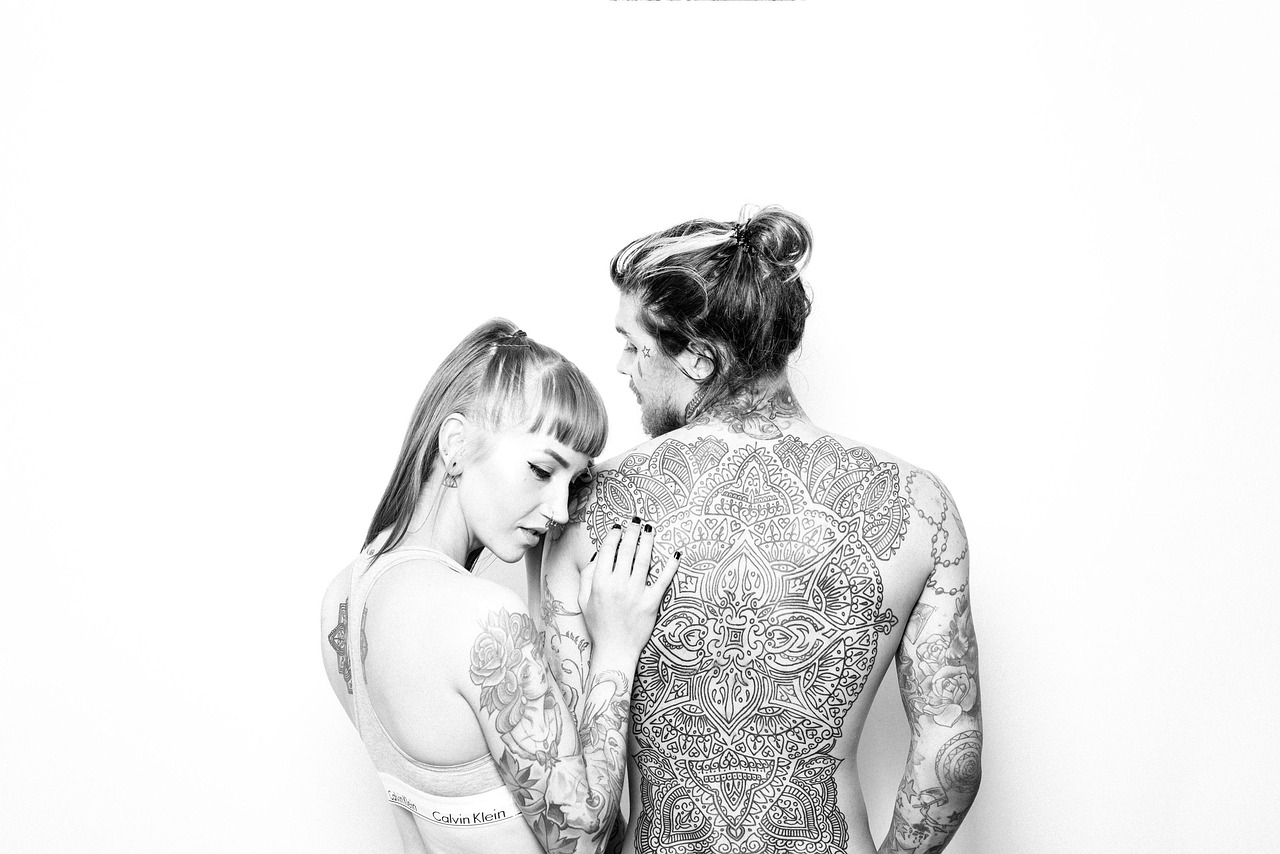
Floral art works in many sizes, which is useful when you are still deciding how much skin you want to use. A one-inch violet can sit behind the ear, while a full chrysanthemum can cover the shoulder cap. You can start with one stem and add leaves, insects, script, or background shading later if the first piece still feels right.
Designs That Suit Many Aesthetics
Flowers can be drawn in vintage, gothic, minimalist, feminine, masculine, soft, sharp, or unusual styles. A blackwork rose does not give the same feeling as a pastel cherry blossom, even if both are floral tattoos. YouGov reported in 2025 that 76% of Americans said tattoo design can be considered art, up from 65% in 2015. Floral work fits that change because it sits close to illustration, painting, and personal style.
Which Flower Should You Choose for Your Tattoo?
The best flower is not always the one that is popular this year. It is the one you can still see yourself liking when your clothes, job, and daily routine change. Before you choose the design, look at the petal shape, the detail level, and whether the flower will still be easy to read at the size you want.
Roses for Classic Beauty
Rose tattoos stay popular because the shape is clear and easy to recognize. They have firm lines, visible petals, and enough contrast to work in black and gray or color. A single rose on the forearm can look traditional, while a loose line rose on the ribs feels lighter. Red roses stand out, but black ink roses often need less upkeep over time.
Peonies for a Soft Statement
Peonies give a tattoo more body and space to work with. Their layered petals fit upper arms, thighs, backs, and shoulder blades well. They can look romantic without becoming too sweet. If you want a floral tattoo that feels full, like fabric or folds in an old painting, a peony is a practical choice.
Wildflowers for a Natural Look
Wildflowers fit people who do not want a formal bouquet. Lavender, poppies, daisies, bluebells, and small meadow stems are common choices. They look good as fine line tattoos, especially along the collarbone, ankle, or inner arm. The only point to watch is detail, because tiny petals can blur sooner if the artist packs too much into a small space.
Where Do Floral Tattoos Look Best on the Body?
Placement changes how a floral tattoo feels. The same lily can look quiet on the ribcage, direct on the forearm, and neat on the spine. Placement also affects pain, healing, sun exposure, and how often other people see the tattoo. A good placement follows the body shape instead of working against it.
Forearm Designs With Daily Visibility
The forearm is one of the easiest spots for showing a floral tattoo. It gives the artist a fairly flat area, which helps with clean linework. Long stems, bouquets, and vertical roses usually sit well here. If your workplace is strict, the inner forearm may be easier because sleeves can cover it when needed.
Shoulder Pieces With Natural Flow
The shoulder works well for round flowers such as peonies, chrysanthemums, dahlias, and sunflowers. The curve lets petals wrap around the area in a natural way. A shoulder flower can also be extended into a half sleeve later. Many people choose this spot because it shows in summer and is simple to cover in colder months.
Rib and Spine Tattoos With Quiet Drama
Rib and spine tattoos can look clean, but they are not the easiest starting point for everyone. These areas may feel sharp during the session, and healing can be bothersome if tight clothing rubs the skin. Even so, a single orchid down the ribs or a thin floral vine along the spine can look tidy and well placed. It is a good option when you want a tattoo that is more private.
How Can You Make a Floral Tattoo Feel Unique?
A flower by itself can work well, but small choices make it feel more like yours. The main thing is not to add too much. One or two useful details are often better than a crowded design. In tattoo work, open skin is part of the image, and that space helps the flower stay readable.
Birth Month Flowers With Personal Detail
Birth month flowers are popular because they give you a clear starting point. January has carnations, April has daisies, June has roses, and November has chrysanthemums. You can use your own flower, a child’s flower, or a mix for family members. Keep the layout simple so it does not start to look like a packed calendar on skin.
Botanical Drawings With Fine Labels
Botanical-style tattoos use thin lines, plain shapes, and sometimes small printed labels. They often look like drawings from an old field guide. This style suits people who like nature, gardening, or simple scientific details. If you add a word, keep it short, because tiny lettering can close up as skin changes.
Flowers Mixed With Symbols
Flowers pair well with moons, bees, butterflies, snakes, daggers, books, or simple geometric frames. Each added symbol changes the feeling of the tattoo. A rose and dagger feels more direct, while a moth and lavender stem feels quieter and more night-focused. A bee beside a daisy feels lighter, a bit like something seen on a warm sidewalk in June. See also: tattoo care.
Should You Choose Color or Black Ink?
Color can make a flower feel fresh, but black ink can stay clearer for longer. There is no single right answer for everyone. Your skin tone, sun habits, budget, and pain tolerance all matter. Larger color tattoos may take more time and may need touch-ups later, while black linework is often easier to maintain.
Black and Gray for Long-Term Clarity
Black and gray floral tattoos are a strong option if you care about contrast. Shading can show petal folds, leaf veins, and depth without relying on bright pigment. This style works well for roses, lilies, peonies, and darker botanical pieces. It also matches many wardrobes, which may sound minor, but people often think about it after the tattoo is done.
Soft Color for Romantic Florals
Color suits cherry blossoms, poppies, sunflowers, orchids, and watercolor-style bouquets. Ask your artist how the colors may settle on your skin tone after healing. Pale yellow, soft pink, and white highlights can look very light once healed. A stronger outline or deeper shadow can help the design stay easy to read.
Ink Safety and Skin Reaction Notes
The U.S. Food and Drug Administration warns that tattoo inks can cause infections or allergic reactions, and it has received reports linked to contaminated inks. The FDA also notes that non-sterile water used to dilute pigments has been a common cause of contamination. This does not mean you must avoid color tattoos. It does mean you should choose a licensed studio, ask how the ink is handled, and not cut costs on safety.
How Can You Help a Floral Tattoo Age Well?
A good floral tattoo is not only about the drawing. Size, spacing, aftercare, and daily habits all affect how it looks after healing. Petals, leaves, and stems can stay clear for years when the artist leaves enough room between the lines. Too much detail in a tiny tattoo is where problems often begin.
Clean Line Weight and Enough Space
Fine line flowers look good online, but healed skin is not paper. Lines can soften over time, especially on fingers, feet, wrists, and other high-friction areas. If you want a tiny flower, simplify it before the stencil stage. Three clear petals will age better than twelve small petals squeezed into the size of a dime.
Smart Aftercare During Healing
The American Academy of Dermatology says redness and swelling can be normal after a tattoo, but worsening pain, pus, fever, or spreading redness may signal infection. Follow your artist’s aftercare sheet, keep the tattoo clean, and avoid soaking it while it heals. Do not pick flakes, even when the skin looks messy. It is a simple rule, but it helps protect the lines.
Sun Protection After the Tattoo Heals
Sun can fade tattoos, especially color work. Once the tattoo is healed, use sunscreen on exposed floral tattoos when you are outdoors. A shoulder peony at the beach or a forearm bouquet during summer walks gets more UV exposure than many people expect. Good sun care helps black ink stay stronger and keeps color closer to its first tone.
FAQ
Q1: What Are the Best Floral Tattoo Ideas for a First Tattoo? A: Simple stems, small roses, lavender sprigs, daisies, and single-line wildflowers are good first choices. They are easy to size, easy to place, and usually feel less overwhelming than a large bouquet.
Q2: Do Floral Tattoos Hurt More Than Other Tattoos? A: Pain depends more on placement than the flower design itself. Ribs, spine, feet, and inner arms can feel more sensitive, while outer arms, thighs, and shoulders are usually easier for many people.
Q3: Are Color Floral Tattoos Harder to Maintain? A: They can need more care because some colors fade faster than black ink. Sun protection helps a lot, and a strong outline, smart shading, and a skilled artist also help color flowers age better.
Q4: Which Floral Tattoos Look Best in Small Sizes? A: Lavender, tiny daisies, simple roses, forget-me-nots, and clean wildflower stems work well. Avoid too many tiny petals or thin letters in very small designs because they may blur over time.
Q5: How Do You Choose a Good Floral Tattoo Artist? A: Look for healed photos, not just fresh ones. Check whether the artist can draw petals, leaves, and shading clearly, and make sure they adjust the design to your body instead of copying a flat picture.