
God tattoo ideas with meaning, symbolism, and placement tips
Choosing a god tattoo starts with meaning, not just imagery
The strongest god tattoo ideas usually start with a clear intention: faith, protection, discipline, wisdom, grief, rebirth, courage, or personal transformation. A god tattoo may be a direct religious image, a mythological figure, a symbolic object, or a quieter reference such as light, hands, wings, a trident, an owl, a sun, or a sacred phrase.
Because divine imagery can carry deep cultural and spiritual meaning, it deserves more planning than a purely decorative tattoo. Consider what the symbol means to you, how others may read it, and whether the placement feels respectful. If you are still comparing themes, browse more tattoo ideas before choosing a final direction.
What kind of god tattoo fits your intention?
Before choosing a style, decide what the tattoo is meant to say. “God tattoo” can mean very different things depending on the wearer. For some people, it means a Christian-inspired tattoo about prayer, grace, light, or divine protection. For others, it points to Greek, Roman, Egyptian, Norse, Hindu, or other mythological traditions. Some designs are devotional; others are symbolic, historical, artistic, or philosophical.
One useful way to narrow the idea is to write a single sentence before speaking with an artist. For example: “I want this tattoo to represent guidance after a difficult period,” or “I want a mythological image that stands for strength without looking aggressive.” That sentence can guide the subject, scale, placement, and style.
- Faith-based intention: prayer hands, rays of light, scripture references, crosses, doves, clouds, or a minimal word such as “grace.”
- Protection: guardian figures, wings, shields, eyes, halos, archangels, or divine weapons.
- Wisdom: Athena-inspired owls, books, lamps, eyes, moons, or geometric sacred forms.
- Power: Zeus-inspired lightning, Poseidon’s trident, Thor’s hammer, sun gods, or storm imagery.
- Transformation: phoenix-like rebirth themes, lotus motifs, underworld deities, dawn imagery, or broken chains.
Popular god tattoo ideas by meaning
The table below groups design directions by meaning rather than by trend. This approach makes the tattoo easier to personalize and reduces the chance of choosing a symbol only because it looks impressive online.
| Idea | Core meaning | Style direction | Good placements |
|---|---|---|---|
| Praying hands with light | Faith, surrender, gratitude | Black and gray realism, fine line, soft shading | Forearm, upper arm, chest, shoulder |
| God’s eye or all-seeing eye | Awareness, protection, divine presence | Geometric, blackwork, illustrative | Inner forearm, sternum, back of arm |
| Zeus lightning design | Authority, energy, decisive action | Neo-traditional, blackwork, realism | Upper arm, calf, shoulder, back |
| Athena owl and helmet | Wisdom, strategy, courage | Fine line, engraving, illustrative | Forearm, thigh, upper back |
| Poseidon trident and waves | Strength, emotional depth, resilience | Traditional, Japanese-inspired waves, black and gray | Calf, forearm, ribs, sleeve |
| Anubis figure | Judgment, transition, protection of the dead | Blackwork, realism, geometric | Upper arm, chest, back, thigh |
| Sun god motif | Life, clarity, renewal | Ornamental, minimal, dotwork | Shoulder, chest, wrist, nape |
| Angel or archangel scene | Defense, hope, moral strength | Realism, fine line, black and gray | Back, chest, sleeve, upper arm |
Faith-inspired god tattoo ideas
For many people, a god tattoo is not about mythology; it is about lived faith. These designs often work best when they are simple enough to stay clear over time and personal enough not to feel generic.
Prayer, light, and grace
Praying hands, beams of light, clouds, open palms, candles, and doves are common choices because they communicate faith without always showing a literal image of God. This can suit wearers who want a spiritual tattoo but prefer not to depict the divine directly. A small word such as “grace,” “mercy,” “faith,” or “saved” can be paired with a fine line cross, a small halo, or soft rays.
Scripture and sacred text
Text tattoos can be powerful, but they leave little room for error. Check spelling, chapter numbers, punctuation, and translation before the stencil is made. If the tattoo uses Hebrew, Greek, Sanskrit, Arabic, Latin, or another language you do not personally read, verify the wording with a qualified speaker rather than relying on image searches. A short reference can age better than a long paragraph, especially on curved or high-movement areas of the body.
Angels, guardians, and divine protection
Angel tattoos can range from subtle wings to large back pieces with dramatic shading. An archangel-inspired design may represent protection, courage, or spiritual warfare. If the tattoo includes a sword, armor, scales, or a shield, ask the artist to balance the religious message with the visual tone. Too many objects can make the design crowded, especially on smaller placements.
Mythology-inspired god tattoo ideas
Mythological god tattoos remain popular because they combine strong visual identity with layered meaning. Museums and classical art resources often identify ancient gods through attributes such as thunderbolts, helmets, owls, tridents, suns, animals, or specific gestures. These attributes can be more wearable than a full portrait and can also make the tattoo easier to fit on the body.
Greek and Roman gods
Greek and Roman themes work well for people who like sculpture-inspired shading, dramatic faces, armor, and symbolic objects. Zeus or Jupiter can be represented by lightning, storm clouds, eagles, or a stern classical portrait. Poseidon or Neptune works naturally with waves, tridents, horses, and sea creatures. Athena or Minerva can be shown through an owl, helmet, spear, olive branch, or shield. Apollo often suits sun, lyre, laurel, and light-based compositions.
A full Greek god portrait usually needs enough space for facial expression and texture. Upper arm, thigh, chest, calf, or back placements allow more detail. If you want something smaller, choose one clear attribute: a tiny lightning bolt, a fine line trident, an owl with geometric accents, or a laurel crown.
Norse gods
Norse-inspired tattoos often use bold shapes, knotwork, runic forms, ravens, wolves, axes, ships, and storm imagery. Odin-inspired designs may include ravens, a spear, or one-eyed symbolism. Thor-inspired designs often focus on the hammer, lightning, goats, or protective strength. Because runes and Norse symbols can be used in very different modern contexts, verify the meaning of any symbol before tattooing it permanently.
Egyptian gods
Egyptian god tattoos are visually distinctive because of their profiles, crowns, animal heads, and strong silhouettes. Anubis often represents transition, protection, and the boundary between life and death. Ra can be represented through the sun disk and falcon imagery. Horus is often associated with the eye symbol, kingship, protection, and restoration. These designs can look especially strong in blackwork, dotwork, or clean illustrative styles.
Deities from living religious traditions
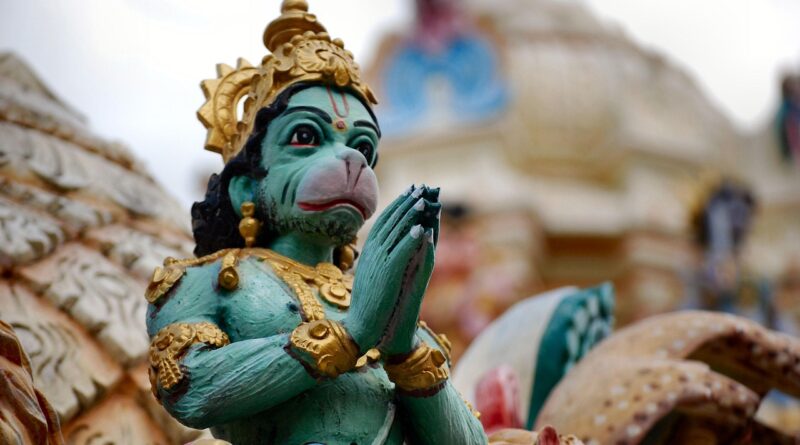
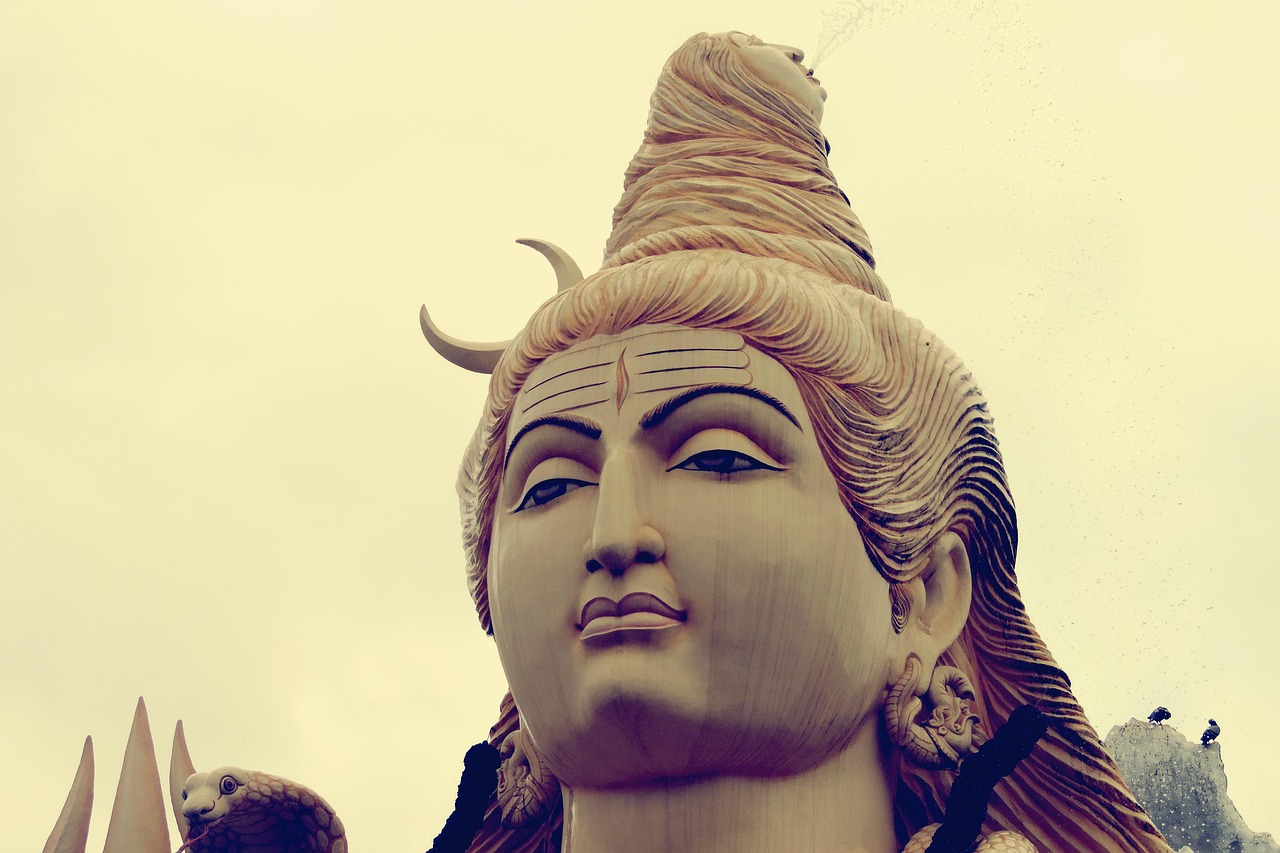
Designs involving deities from living traditions, including Hindu, Buddhist, Indigenous, and other sacred contexts, require extra care. A tattoo may be personally meaningful to one wearer but offensive or disrespectful to another community, especially when placed on the feet, lower legs, or areas considered inappropriate. If you are not part of the tradition, research the symbol’s role, avoid mixing sacred imagery casually, and consider using abstract references such as lotus, light, mandala structure, or a protective animal instead of a direct deity portrait. See also: tattoo care.
Styles that change the message
The same god tattoo idea can feel peaceful, intense, ancient, modern, or minimal depending on style. Choosing style before placement helps your artist decide line weight, shading depth, and scale.
- Fine line: Best for small symbols, short text, delicate halos, minimal crosses, tiny lightning bolts, and simple eyes. It feels quiet and personal, but very small details may soften over time.
- Black and gray realism: Strong for portraits, hands, angels, statues, clouds, and dramatic light. It usually needs more space and an artist experienced with smooth gradients.
- Blackwork: Good for bold symbols, sacred geometry, tridents, sun disks, helmets, ravens, and silhouettes. It reads clearly from a distance.
- Engraving or etching: Works well for classical gods, old-world religious art, and mythology scenes. It can mimic antique prints without requiring heavy realism.
- Neo-traditional: Useful for gods, animals, weapons, flowers, and color accents. It creates a bolder tattoo with readable shapes and controlled detail.
- Ornamental and geometric: Suitable for halos, mandalas, eyes, suns, and abstract divinity themes. It is often symmetrical, so placement must be measured carefully.
Placement tips for god tattoos
Placement affects both appearance and tone. A chest tattoo can feel devotional and private. A forearm tattoo is more visible and conversational. A back tattoo allows room for a full angel, temple, or mythological scene. A hand or neck tattoo is highly visible and should be chosen only after considering work, family, faith community, and long-term comfort.
Small placements
For wrists, ankles, behind the ear, fingers, or the nape, keep the design simple. Good small god tattoo ideas include a fine line cross, a single word, a tiny sun, a lightning bolt, a dove outline, a small trident, a minimal halo, or a simple eye. Avoid tiny faces, long text, and detailed wings because they can blur or lose readability.
Medium placements
Forearm, upper arm, calf, shoulder, and ribs are flexible choices. They can hold prayer hands, an owl, a trident with waves, a sun disk, a short scripture reference, a small angel, or a framed mythological symbol. These areas are often large enough for shading without forcing the tattoo into a full scene.
Large placements
Back, chest, thigh, and sleeve designs are better for portraits, statues, angels, battle scenes, temples, clouds, rays of light, and multi-symbol compositions. If you want a sleeve, set a clear hierarchy: one main god or symbol, two or three supporting elements, and background texture. Without hierarchy, spiritual tattoos can become visually noisy.
How to make the design respectful and durable
A god tattoo is permanent body art, so the planning stage should cover both cultural respect and practical safety. Public health sources such as the U.S. Food and Drug Administration warn that tattoos can involve risks including infection and allergic reaction, particularly when inks or procedures are unsafe. Choose a licensed professional where required, ask about sterile equipment, follow aftercare instructions, and do not rush the healing process.
Respect matters as much as technique. Do not use a sacred symbol only because it looks mysterious. Avoid combining unrelated religious symbols unless the combination reflects your actual belief or a carefully considered artistic concept. If a symbol belongs to a living tradition, learn how it is used, where it is commonly placed, and whether certain depictions are considered inappropriate.
- Bring reference images, but ask for an original composition rather than copying another person’s tattoo.
- Confirm text, translations, dates, and names before the stencil stage.
- Use a larger scale for faces, hands, wings, and detailed robes.
- Ask how the design may age after five or ten years.
- Consider whether the tattoo should be visible every day or kept more private.
Frequently asked questions
Are god tattoos only for religious people?
No. Some god tattoos are devotional, while others are symbolic, mythological, artistic, or philosophical. The important point is honesty. If the tattoo uses sacred imagery from a faith or culture, treat the source with respect and avoid presenting borrowed symbols as something they are not.
What is a good first god tattoo?
A good first choice is usually simple and clear: a small cross, a ray of light, a dove, a short word, a lightning bolt, an owl, a trident, or a sun symbol. These designs are easier to place, easier to read, and easier to expand later.
Where should I place a spiritual tattoo?
Private placements such as the chest, ribs, shoulder, or upper back can make a spiritual tattoo feel more personal. Visible placements such as the forearm or wrist work well for symbols you are comfortable explaining. For sacred imagery, avoid placements that may be considered disrespectful within the tradition connected to the design.
Can I mix gods from different mythologies in one tattoo?
You can, but it works best with a clear concept. For example, a sleeve about storms might combine lightning, waves, clouds, and protective symbols. Randomly mixing deities from unrelated traditions can look confused and may feel disrespectful if sacred images are used only as decoration.
How do I make sure my god tattoo is original?
Collect references for mood, style, and symbolism, then ask your tattoo artist to create a custom layout. Change the composition, scale, supporting elements, and placement so the final tattoo reflects your story rather than duplicating an image already worn by someone else.