Are Couple Tattoo Ideas Redefining How We Prove That Love Can Be Permanent
These Matching Tattoos Are Proof That Love Can Be Permanent
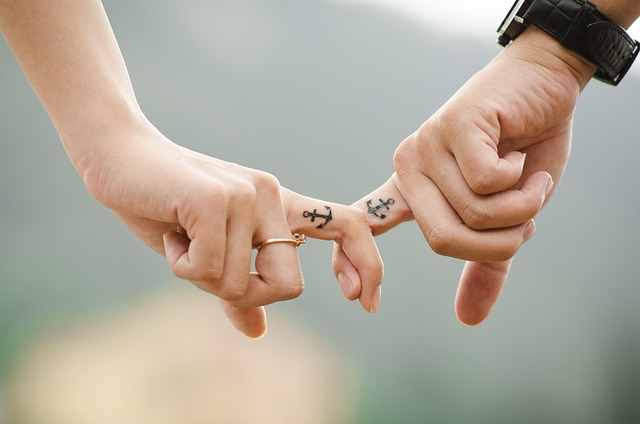
Couple tattoos have become modern emblems of intimacy, permanence, and shared identity. They serve as both personal symbols and public statements, merging art with emotion. The enduring ink beneath the skin mirrors the lasting nature of emotional bonds, even in a world where relationships often feel transient. For many couples, these designs are more than decoration—they are living narratives of connection and trust that evolve with time.
The Cultural Shift Behind Couple Tattoo Ideas
The rise of couple tattoos reflects deeper cultural transformations in how love and commitment are expressed. What once belonged to ritual and tribal identity has become a form of romantic storytelling etched into the body.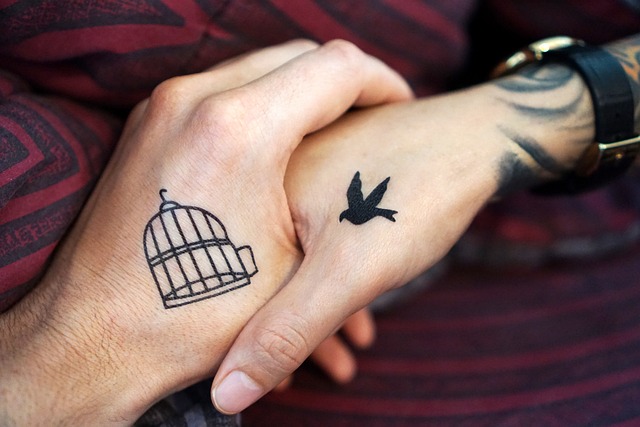
The Historical Context of Tattoos as Symbols of Commitment
Historically, tattoos were not about fashion but about belonging. In ancient Polynesian, Egyptian, and Celtic societies, matching marks symbolized kinship or devotion to a deity. Early examples of shared tattoos represented loyalty to family or tribe rather than romantic love. As societies evolved, these markings transitioned from collective identity to personal expression. The late 20th century saw tattoos move from subculture to mainstream art form, paralleling the democratization of self-expression. This shift made it natural for couples to use ink as a declaration of mutual commitment rather than social conformity.
Modern Interpretations of Love and Permanence
Today’s couples treat tattoos as emotional contracts—visible yet deeply private. In an age dominated by ephemeral digital communication, the permanence of ink challenges the fleeting nature of online affection. Platforms like Instagram amplify this visibility; a matching tattoo becomes both intimate artifact and social performance. The act transforms love into something tangible that resists deletion or revision. For many younger adults, it’s not rebellion but authenticity—a way to make feelings durable in an impermanent culture.
Psychological Dimensions of Couple Tattoos
Behind every shared design lies a complex psychological narrative about attachment, vulnerability, and trust. Tattoos become physical metaphors for emotional states that words often fail to capture.
The Emotional Motivations Behind Shared Body Art
Matching tattoos serve as tactile affirmations of intimacy and trust. Psychologists note that physical symbols reinforce relational security by providing constant visual reminders of connection. When two individuals share a design—whether minimalist lines or intricate motifs—it externalizes their internal bond. This visible connection satisfies a human need for belonging while creating a shared identity that transcends verbal affirmation.
Risk, Vulnerability, and the Concept of Permanence
Committing to shared ink mirrors emotional exposure within relationships. It requires balancing autonomy with unity—each person retains individuality while participating in a joint symbol. Some therapists argue that such gestures can strengthen commitment by fostering mutual accountability; others caution that they may create pressure if relationships change over time. Still, even when bonds dissolve, the tattoo remains as evidence of once-authentic emotion rather than regret.
Design Philosophy in Couple Tattoo Ideas
Designing couple tattoos is both an artistic and philosophical process. Each element—from line weight to symbolism—communicates layers of meaning beyond aesthetics.
Symbolism and Semiotics in Tattoo Design
Symbolic language drives most couple tattoo ideas. Infinity signs suggest timelessness; coordinates point to meaningful places; minimalist icons convey subtle devotion without overt sentimentality. Cultural motifs like Celtic knots symbolize interconnectedness, while Japanese kanji add spiritual resonance through linguistic nuance. Minimalist trends reflect modern restraint—love expressed through precision rather than excess.
The Role of Personalization and Artistic Collaboration
Tattoo artists play interpretive roles akin to storytellers translating emotion into imagery. Through collaborative sessions, couples articulate their experiences—anniversaries, travels, private jokes—and transform them into visual narratives. Customization ensures authenticity: no two designs carry identical histories even if stylistically similar. This process itself deepens relational intimacy because creation becomes shared authorship rather than individual decision-making.
Sociological Perspectives on Couple Tattoos as Identity Markers
In sociological terms, couple tattoos function as hybrid markers—personal yet public artifacts that blend individuality with partnership identity.
Tattoos as Public Declarations in a Digital Age
In today’s hyper-visual culture, body art extends digital self-presentation into physical space. Couples curate their identities across platforms where images define memory more than words do. A photograph featuring matching tattoos reinforces both collective belonging and permanence within social networks. It’s performative but also archival—a record preserved on skin long after algorithms change.
The Intersection of Individuality and Partnership Identity
Matching tattoos challenge traditional boundaries between self-expression and unity. Each participant negotiates meaning through design choice: one may emphasize symmetry; another prefers complementarity rather than duplication. Sociologists interpret this trend as part of “relational branding,” where partnerships develop distinct visual identities similar to logos representing joint narratives rather than merged selves.
Ethical and Professional Considerations in Couple Tattooing Practice
Professional tattooing involves more than technical skill; it demands ethical sensitivity toward clients’ emotional stakes.
Artistic Responsibility and Client Counseling
Experienced artists often act as informal counselors before committing ink to skin. Ethical practice includes discussing long-term implications—how designs might age physically or emotionally if relationships evolve differently than expected. Responsible professionals encourage flexible symbolism (like abstract shapes) over explicit names or portraits that could later cause distress.
Longevity, Maintenance, and Symbolic Evolution Over Time
Tattoos fade naturally; so do relationships—but maintenance can mirror care itself. Touch-ups become rituals reaffirming affection years later. When breakups occur, some individuals modify designs creatively instead of erasing them entirely—transforming shared history into personal growth symbols. This adaptability shows maturity: permanence doesn’t mean immutability but continuity through reinterpretation.
The Future Trajectory of Couple Tattoo Culture
As technology reshapes art forms globally, tattoo culture evolves alongside it—merging biology with digital innovation while redefining what permanence means in love.
Emerging Trends in Technology and Design Innovation
Tattoo ink research now focuses on safer pigments with enhanced longevity certified under ISO cosmetic safety standards (ISO 22716). Experimental augmented reality applications allow interactive tattoos visible through mobile devices—a fusion between static art and dynamic storytelling. Future developments may integrate biometric data linking body art with personalized digital memories or wearable interfaces bridging physical intimacy with technological connection.
Redefining Permanence in Contemporary Love Expressions
Modern romance increasingly values intention over duration; permanence becomes symbolic rather than literal endurance. Couple tattoos thus evolve from declarations into living archives reflecting phases of connection across time. Scholars foresee these practices merging art therapy with memory preservation—where love’s authenticity resides not in forever promises but in honest representation at each stage of life.
FAQ
Q1: Why are couple tattoos considered symbols of lasting love?
A: Because they represent enduring emotional bonds made visible through permanent art on the body.
Q2: What are common motifs used in couple tattoo ideas?
A: Infinity signs, coordinates, minimalist lines, Celtic knots, or complementary geometric forms are popular due to their layered meanings.
Q3: How do professionals advise couples before getting matching tattoos?
A: Artists typically discuss long-term implications and encourage flexible symbolism that can adapt if life circumstances change.
Q4: Can technology influence future tattoo trends?
A: Yes, advances like augmented reality integration or safer pigment innovations will expand creative possibilities for personalized designs.
Q5: Do all couples keep their matching tattoos after breaking up?
A: Not always; some modify them into new artworks representing personal growth rather than erase them completely.