
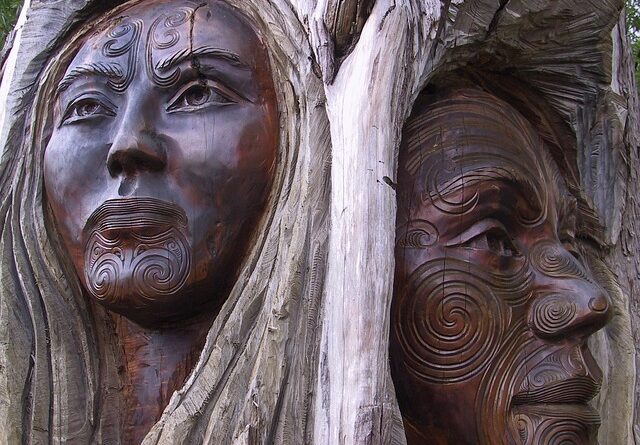
What Does Maori Face Tattoo Meaning Reveal About Cultural Resilience
The Facial Tattoos Sending a ’Very Clear Statement’ After Decades of Suppression
For centuries, Māori facial tattoos—known as tā moko—have embodied the deep connection between identity, ancestry, and spirituality. These markings were once silenced by colonial rule but are now reemerging as powerful declarations of resilience. Today, tā moko is more than cultural art; it is a living assertion of Māori sovereignty and pride. The revival of these tattoos marks a reclamation of voice and heritage after generations of suppression, symbolizing both survival and continuity in modern Aotearoa (New Zealand).
The Cultural Significance of Māori Facial Tattoos
Tā moko has long served as a visible record of personal history and tribal belonging. It communicates who a person is, where they come from, and the legacy they carry forward.
Understanding the Origins of Tā Moko
Tā moko represents a sacred form of identity and genealogy within Māori culture. Traditional tattooing was performed using chisels made from albatross bone or shark teeth to carve intricate grooves into the skin. Each pattern was unique to its bearer, reflecting lineage, social rank, and personal achievements. These designs were not merely aesthetic; they carried oral histories passed through generations, marking rites of passage such as adulthood or leadership ascension. The process itself was ceremonial—accompanied by chants that invoked ancestors—turning pain into a spiritual offering.
Symbolism Embedded in Māori Face Tattoo Meaning
The maori face tattoo meaning extends beyond physical beauty. Every curve and line represents whakapapa (ancestry) and mana (spiritual authority). Placement across the face conveys distinct messages: the forehead may denote wisdom or status; the cheeks can represent courage or lineage; the chin often signifies personal resolve or gendered roles. These symbols function like visual genealogies, translating one’s life story into art that cannot be erased by time. They remind both wearer and observer that identity is not written in words but inscribed in flesh.
Colonial Suppression and Cultural Silencing
When European colonizers arrived in the 19th century, tā moko became a target of cultural repression. What had been sacred was suddenly labeled barbaric.
The Impact of Colonization on Tā Moko Practices
Colonial authorities viewed Māori customs through ethnocentric lenses, branding traditional tattooing as primitive. Missionaries discouraged it under Christian moral codes, leading to widespread stigmatization. Legal restrictions followed—some banning tattooing altogether—and social discrimination pushed many practitioners underground. By the early 20th century, only fragments of this ancestral knowledge survived within isolated communities. Colonial suppression did not just erase art; it attacked self-definition.
The Loss of Cultural Identity Through Prohibition
The prohibition fractured intergenerational teaching lines. Masters could no longer pass their craft to apprentices without fear of punishment. Many Māori concealed their tattoos or avoided them entirely to escape persecution in workplaces and schools. Without visible cultural markers like tā moko, communal identity weakened over time. This absence left scars deeper than skin—it disrupted how people recognized themselves within their own heritage.
The Revival of Tā Moko in Contemporary Māori Society
In recent decades, tā moko has reemerged as an emblem of cultural restoration across Aotearoa. This revival intertwines artistry with political consciousness.
Reclaiming Ancestral Heritage Through Tattooing
The resurgence reflects renewed pride in Māori sovereignty and self-determination movements since the 1970s. Modern artists combine traditional symbolism with contemporary tools such as electric needles while retaining spiritual protocols like karakia (prayers). For younger generations, wearing tā moko is not rebellion but reclamation—a statement that ancestral knowledge endures despite colonization’s attempts to erase it.
The Role of Women in the Tā Moko Renaissance
Women have become central figures in this renaissance through moko kauae—the chin tattoo historically reserved for female leaders or elders. Its revival challenges colonial gender norms that once silenced women’s authority in public spaces. Today’s practitioners use moko kauae to express resilience and leadership rooted in whakapapa rather than Western ideals of femininity. Each line reaffirms matriarchal continuity that predates colonization itself.
Interpreting Māori Face Tattoo Meaning as a Statement of Resilience
The modern visibility of tā moko transforms public perception from taboo to testament—a living archive etched onto human skin.
Tā Moko as a Visual Assertion of Identity and Resistance
Displaying tā moko openly asserts survival after centuries of forced assimilation. It converts the body into a political statement: “We are still here.” In urban centers from Auckland to Wellington, professionals now wear facial tattoos proudly at workplaces once hostile to them. This visibility dismantles stereotypes while reclaiming public space for indigenous expression long denied under colonial structures.
Global Recognition and Cultural Integrity in Modern Contexts
As global fascination with indigenous aesthetics grows, debates around appropriation intensify. Some non-Māori seek similar designs without understanding their sacred context, prompting calls for education about consent and cultural ownership. Māori leaders emphasize that respect requires acknowledgment—tā moko cannot be reduced to fashion trends or commercial branding. Its integrity depends on preserving its spiritual essence within rightful custodianship.
The Continuing Evolution of Tā Moko as Living Tradition
Tā moko today stands at an intersection between preservation and innovation—a dialogue between ancestors and descendants carried through ink.
Balancing Tradition with Modern Expression
Contemporary artists reinterpret ancestral motifs to reflect personal journeys shaped by migration, urban life, or activism while maintaining core symbolism tied to iwi (tribal) identity. Digital platforms now showcase these works globally but also raise ethical concerns about misuse or decontextualization online. Responsible practitioners act as cultural stewards rather than influencers, reminding audiences that each mark carries obligations alongside pride.
FAQ
Q1: What does tā moko symbolize for Māori people?
A: Tā moko symbolizes ancestry, status, spirituality, and belonging within one’s tribe—it visually narrates whakapapa through permanent design on skin.
Q2: Why were traditional facial tattoos suppressed during colonization?
A: European colonizers deemed them uncivilized under missionary influence; legal bans followed, marginalizing Māori who practiced or displayed tā moko publicly.
Q3: How has tā moko been revived in modern times?
A: Revival began alongside broader indigenous rights movements; artists blend traditional patterns with modern tools while restoring ceremonial protocols.
Q4: What is the significance of women’s moko kauae?
A: Moko kauae honors female lineage and leadership; its resurgence reclaims matriarchal authority once diminished by colonial patriarchy.
Q5: How do Māori address concerns about cultural appropriation?
A: They advocate education on context and consent—ensuring tā moko remains sacred heritage rather than decorative imitation detached from meaning.