What Does a Maori Moko Tattoo Mean and Is It Okay to Wear?
What Makes a Maori Moko Tattoo More Than a Design?
A maori moko tattoo is not just a black pattern placed on skin. If you are looking at Māori tattoo ideas through global tattoo culture, start with this point: moko comes from a living Indigenous culture. It is not a trend board, festival outfit, or random sleeve idea.
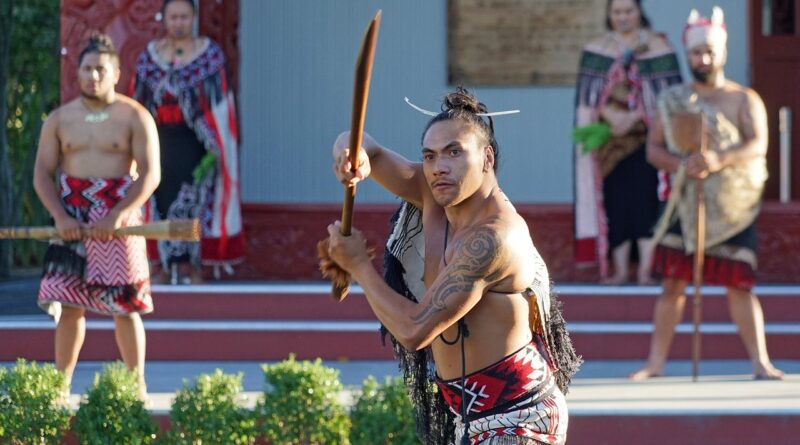
Māori people are the Indigenous people of Aotearoa New Zealand, and moko has long been linked with identity, ancestry, rank, memory, and duty. In 2023 Census data released by Stats NZ in 2024, 887,493 people identified with the Māori ethnic group, making up 17.8% of New Zealand’s census usually resident population. Stats NZ also reported 978,246 people of Māori descent. These numbers matter because moko is not an old museum style. It belongs to a large community that is still here and still using it.
A Living Mark of Whakapapa
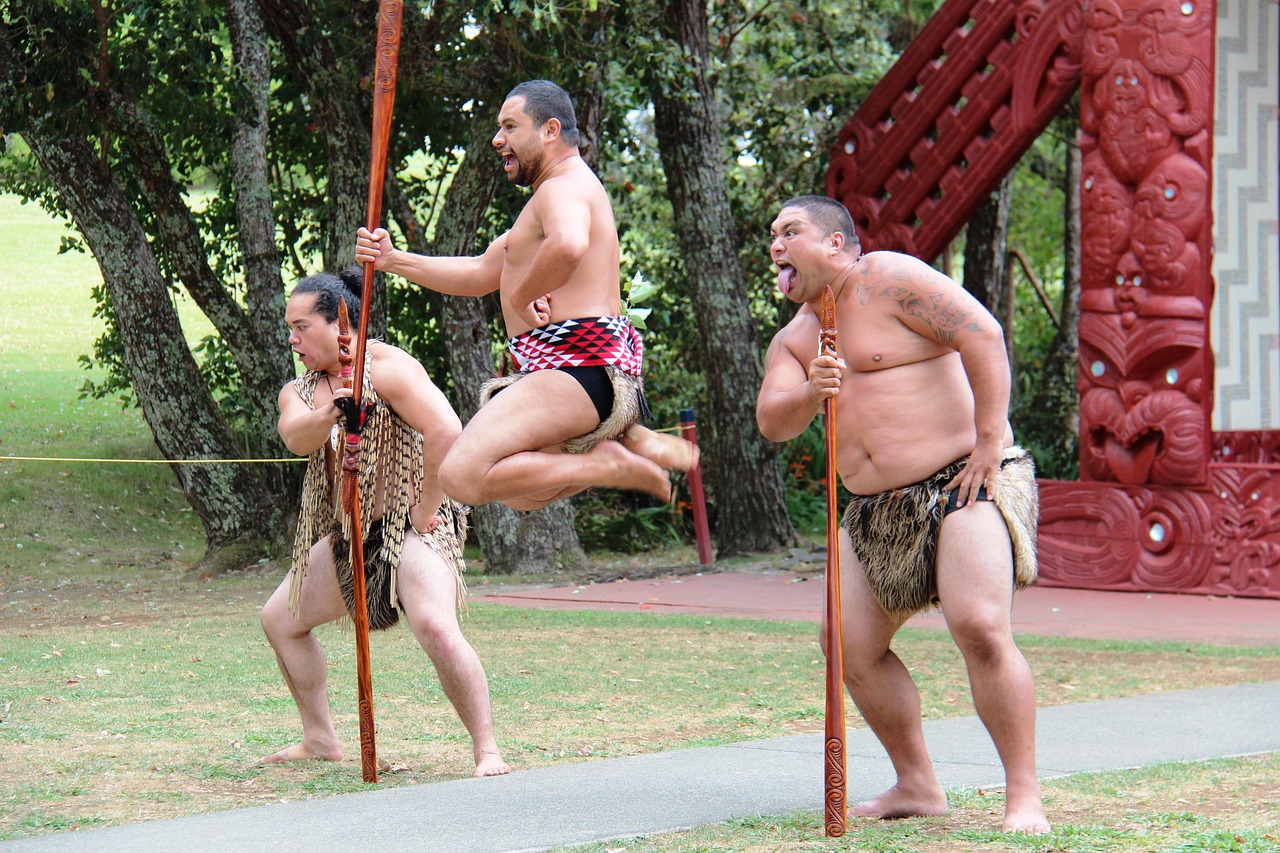
Whakapapa means genealogy, lineage, and the links between people, land, ancestors, and future generations. For many Māori wearers, moko can say where they come from and who they carry with them. That does not mean every line can be read like a fixed code. A true moko is often personal, built through relationships, and guided by tikanga, or Māori custom.
A Practice Linked to Mana and Tapu
Te Ara Encyclopedia of New Zealand, in Rawinia Higgins’ 2016 account of tā moko, explains that moko represented mana, meaning status, authority, and dignity. It was also linked with tapu, or sacred restriction. So the question is not only, “Does this look good?” A more useful question is, “Do you have the right relationship to wear this?” That small change matters.
A Revival with Public Evidence
Te Papa Tongarewa, New Zealand’s national museum, notes that interest in Pacific tattooing has grown worldwide since the 1980s. Its 2025 public programme Te Mātātuhi ki Te Papa, held from September 29 to October 1, celebrated moko kanohi, or facial moko, as a living art. Te Papa described live moko kanohi as rare because it usually happens in private ceremony. That tells you something practical: even when public interest is strong, the practice still asks for care.
How Did Tā Moko Begin?
Tā moko is often shortened to moko in normal conversation. Strictly speaking, tā can mean the act of marking, while moko means the mark itself. The history goes back a long way, with story, social order, and technique all mixed together. You do not need to learn every term before reading about the style, but you should know it did not begin as simple decorative flash.
Pacific Roots and Māori Methods
Tattooing appears across many Pacific cultures, but Māori developed their own method. Te Ara records that Māori used chisels and combs to cut more deeply into the skin, creating grooved scars rather than only placing pigment under the surface. Spiral forms also became closely linked with Māori art and carving. In plain tattoo language, the old method was closer to carving the skin than drawing on it.
Mataora and Niwareka
One known origin story tells of Mataora, a chief, and Niwareka, a tūrehu woman from the underworld. In the story, Mataora learns permanent moko from Uetonga, Niwareka’s father, after he understands the weakness of temporary face painting. The story is not only about technique. It also carries lessons about shame, repair, permanence, and conduct. That is a lot for one tattoo tradition to hold.
Mourning, Memory, and Permanent Marks
Te Ara also connects early moko practices with mourning. Women would cut themselves with shells or obsidian during grief and place soot in the wounds, making memory visible on the body. This background helps explain why many people object when moko is treated as a random “tribal” look. The marks grew from grief, status, story, and belonging. They were not made for quick copying.
What Do Common Moko Patterns and Placements Mean?
Many readers want a neat list of Māori tattoo meanings, such as “this spiral means strength” or “this line means family.” That kind of list is easy to post, but it can give the wrong idea. Moko is not a stock symbol sheet. Placement, wearer, ancestry, artist, occasion, and local knowledge all affect meaning.
Facial Moko and Moko Kauae
Facial moko, or moko kanohi, is one of the most important cultural forms. Moko kauae refers to the chin tattoo worn by Māori women. Te Ara notes that Māori women continued to receive moko kauae into the 1950s, and later revival movements brought moko back as an expression of Māori and tribal identity. When you see moko kauae today, it may carry beauty, leadership, memory, language, and family pride at the same time.
Pūhoro and Body Placement
Not all moko is placed on the face. Pūhoro, often linked with the thigh and lower body, appears in historical records. Other body placements can relate to movement, strength, change, or personal story, depending on the case. A curved black design on the thigh may look simple from across the room. Close up, it may point to a long design history and a clear cultural pathway.
Patterns Are Not a Pick-and-Mix Menu
Here is a direct warning. If a studio wall has a sheet labeled “authentic Māori symbols” with ten icons and fixed meanings, take your time before booking. Some modern kirituhi artists make good Māori-inspired work for non-Māori clients, but sacred moko patterns should not be copied like clip art. Reliable public sources do not give a universal database of every moko symbol and its meaning, and that matters. Some knowledge is held by people, not search engines.
How Was Traditional Tā Moko Applied?
The older process of making moko was hard on the body. It involved skill, ritual, blood, pigment, and support from others. Even if many current tattoos use machines, the older process explains why moko gained so much respect. The mark was not only seen. It was endured.
Uhi, Chisels, and Grooved Lines
Traditional tools were called uhi. Te Ara describes uhi as chisels, often made from seabird bone, used to create the deep grooves that made Māori moko different from many other Pacific tattoo methods. A tohunga tā moko, or expert tattoo practitioner, could become known for skill and style. Some were paid with taonga, meaning treasures such as weapons, cloaks, or greenstone, plus food.
Wai Ngārahu Pigment
The pigment, known as wai ngārahu, was often made from charcoal mixed with oils or plant liquids, then stored in carved containers. Te Ara’s technology section gives examples of materials from resinous trees and other natural sources. It may sound basic, but the process needed care. Good pigment had to stay dark, usable, and protected. Small detail, big result.
Modern Machines and Studio Reality
Needles became common by the First World War, and tattoo machines are now widely used by many practitioners. That does not make every machine-made Māori-style tattoo a moko. Tool choice is only one part of the issue. The wearer, artist, process, permission, and story still count. A clean machine line in a modern studio can be respectful, or it can be plain copying. The difference is decided before the needle touches skin. See also: tattoo care.
Is It Okay for You to Get a Maori Moko Tattoo?
This is the question many non-Māori readers are really asking. The honest answer is not a quick yes or no. If you are Māori and working with a knowledgeable artist, moko can be a strong way to carry whakapapa. If you are not Māori, getting sacred moko can offend people because the mark may claim identity, status, and ancestry that are not yours.
Māori Wearers and Personal Whakapapa
For Māori wearers, moko can involve family talks, iwi links, personal readiness, language, and ceremony. It may not be a fast walk-in tattoo. Some people wait years. Some speak with elders. Some choose a smaller form first. That slower pace is not gatekeeping for fun; it reflects the weight of the mark.
Non-Māori Clients and Kirituhi
Kirituhi is often described as Māori-style tattooing made for people who are not Māori, or for work that is not tied to the same sacred whakapapa duties as moko. The word is commonly used by current artists to separate open, decorative Māori-inspired work from culturally specific moko. If you are not Māori, kirituhi is usually the safer and more respectful route. It lets you enjoy the visual language without claiming Māori ancestry.
Respectful Questions Before Booking
Ask the artist clear questions. Do they know the difference between moko and kirituhi? Do they copy facial moko from photos? Can they explain what parts of the design are suitable for you? Are they Māori, or have they trained with Māori practitioners? If the answers sound loose, keep looking. A good artist will not be annoyed by careful questions.
How Can You Plan a Respectful Tattoo Inspired by Māori Art?
A respectful tattoo plan starts with restraint. That may sound odd in tattooing, where bigger often feels better, but restraint can stop you from wearing something that does not belong to you. Good Māori-inspired work does not need to pretend to be ancestral moko. It can stand on its own if the artist and wearer handle it properly.
Choose Kirituhi Instead of Sacred Moko
If you like the flow, contrast, and carved look of Māori design, ask for kirituhi. Make it clear that you do not want to copy a real person’s moko, especially facial moko or moko kauae. A kirituhi design can still look strong. It can speak about your life, travel, loss, or change without borrowing someone else’s lineage.
Work with a Culturally Skilled Artist
Look for artists who show cultural care in their portfolio notes, not only clean linework. A responsible artist may refuse certain placements or patterns. That refusal is often a good sign. It means the artist is not treating culture like items on a product shelf. In a real studio, the best answer is sometimes, “Not that one, but here is a better way.”
Keep the Story Honest
When someone asks about your tattoo, do not call it “my Māori moko” if it is kirituhi. Say it is Māori-inspired kirituhi made with respect, if that is true. Also avoid making up meanings. You do not need a dramatic story to make the tattoo matter. A quiet, honest answer usually works better.
FAQ
Q1: Is a Maori Moko Tattoo the Same as a Tribal Tattoo? A: No. “Tribal tattoo” is a broad and often careless label. Moko is a Māori cultural practice tied to whakapapa, mana, tapu, and identity. Treating it as generic tribal art removes the context that gives it meaning.
Q2: Can a Non-Māori Person Wear Moko? A: Sacred moko is generally for Māori people because it can carry ancestry and status. Non-Māori clients should ask about kirituhi, which is Māori-inspired tattooing that does not claim Māori whakapapa.
Q3: What Is the Difference Between Moko and Kirituhi? A: Moko is culturally specific and often tied to Māori identity, family, and custom. Kirituhi can use Māori-style visual language in a more open way, often for non-Māori wearers, when made by a knowledgeable artist.
Q4: Are Moko Patterns Public Symbols with Fixed Meanings? A: Not in a simple chart form. Some forms, placements, and motifs have known cultural links, but meaning depends on wearer, artist, lineage, and setting. Reliable public sources do not support a complete universal meaning list.
Q5: What Is the Most Respectful First Step? A: Learn the difference between moko and kirituhi, avoid copying facial moko, and speak with an artist who can explain cultural boundaries clearly. If the design feels rushed, pause. A tattoo can wait.