What Defines Ink Culture Tattoo In The Modern Artistic Landscape
The Evolution of Ink Culture in Contemporary Art
Tattoo art has moved far beyond its tribal beginnings. Today, it stands as a legitimate and complex visual language within contemporary art. The evolution of ink culture tattoo practices shows how craftsmanship, identity, and technology intersect in modern creativity. From ancient ritualistic marks to digital-age designs, tattoos now occupy both personal and institutional spaces, reflecting global artistic exchange and cultural transformation.
Historical Roots of Tattoo as an Art Form
The origins of tattooing reveal a deep relationship between human expression and the body as canvas. Early societies used tattoos for spiritual protection, lineage identification, or rites of passage. Over centuries, these markings evolved into aesthetic statements reflecting individuality and artistry.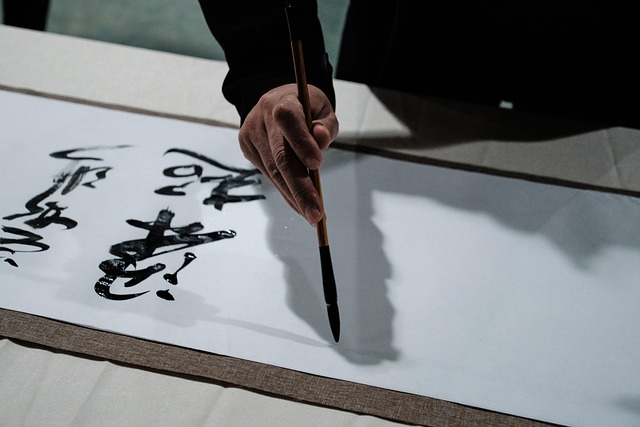
Tattoos Transitioned From Tribal and Ritualistic Markings to Recognized Art Expressions
In ancient Polynesian and Japanese traditions, tattoos carried symbolic codes tied to rank or spiritual belief. As trade routes expanded in the 18th and 19th centuries, sailors brought tattooing techniques across continents. By the late 20th century, Western artists began treating tattoos as fine art rather than rebellion.
Early Tattoo Practices Reflected Identity, Spirituality, and Community Belonging
Each culture developed distinct motifs—Maori moko patterns conveyed genealogy; Buddhist yantra tattoos offered protection; Native American designs marked bravery or belonging. These early forms show how ink culture tattoo traditions have always been intertwined with shared identity.
The Shift Toward Modern Tattooing Paralleled Broader Cultural Acceptance of Body Modification
By the 1990s, mainstream acceptance grew as tattoo parlors professionalized under health regulations. Academic research began recognizing tattooing as a serious art form rather than subculture. This shift mirrored broader movements toward self-expression through body modification.
The Influence of Globalization on Ink Culture
Globalization reshaped tattoo artistry through cultural exchange and digital communication. Artists now draw inspiration from multiple heritages while maintaining local authenticity.
Cross-Cultural Exchange Introduced New Styles and Techniques Into Tattoo Artistry
Japanese irezumi influenced Western realism; Polynesian linework merged with geometric minimalism. International travel allowed artists to study foreign traditions firsthand, leading to hybrid aesthetics that transcend regional boundaries.
Artists Blend Traditional Motifs With Contemporary Aesthetics to Create Hybrid Forms
Modern ink culture thrives on fusion—combining tribal patterns with watercolor effects or biomechanical realism with calligraphic strokes. This synthesis reflects both respect for heritage and innovation in technique.
International Conventions and Digital Platforms Have Expanded the Global Tattoo Network
Tattoo conventions in cities like London or Singapore attract thousands of professionals annually. Social media platforms showcase portfolios instantly across continents, accelerating stylistic evolution and client-artist collaboration worldwide.
Artistic Identity Within Ink Culture
Ink culture today is not only about aesthetics but also narrative authorship. Artists act as interpreters of human experience through permanent visual storytelling.
Tattoo Artists as Modern Visual Storytellers
Tattooists translate memory into imagery—portraits for remembrance, symbols for resilience, abstract forms for emotion. Each piece becomes a dialogue between artist’s vision and client’s story.
Collaboration Between Artist and Client Transforms Tattoos Into Co-Created Artworks
Unlike traditional painting where the artist controls the outcome entirely, tattooing relies on mutual trust. Clients bring personal narratives; artists interpret them through composition, color theory, and technical precision.
The Process Emphasizes Craftsmanship, Conceptual Depth, and Emotional Resonance
A successful tattoo balances design execution with meaning. Experienced artists study anatomy to align flow with body movement while ensuring that emotional tone matches visual impact.
The Relationship Between Fine Art and Tattoo Artistry
Tattoo art increasingly enters galleries and museums once reserved for conventional mediums like oil or sculpture.
Galleries Increasingly Recognize Tattoo Artists for Their Technical Skill and Creative Vision
Exhibitions now feature skin-based artworks alongside paintings or installations. This recognition highlights technical mastery comparable to traditional fine art disciplines.
Tattoo-Inspired Works Appear in Exhibitions, Challenging Distinctions Between High Art and Subculture
When artists like Dr. Woo or Roxx exhibit sketches derived from their tattoos, they blur boundaries between studio art and applied design—questioning what counts as “museum-worthy.”
The Dialogue Between Canvas-Based Art and Skin-Based Art Continues to Redefine Artistic Legitimacy
As collectors commission both painted works and tattoos from the same artist, legitimacy expands beyond medium into concept—the message defines value more than material surface.
Techniques and Aesthetic Innovations in Modern Tattooing
Technology has revolutionized how artists design and execute tattoos while new styles redefine aesthetic direction across global studios.
Technological Advancements Shaping the Craft
Digital tablets allow precise pre-visualization before needle meets skin. Modern rotary machines reduce vibration fatigue; sterilization systems meet ISO hygiene standards ensuring safety compliance globally. Pigment chemistry improvements extend color longevity without compromising biocompatibility.
Emerging Styles in Contemporary Ink Culture
The diversity of visual language within ink culture reveals how taste evolves with social values—from minimalist restraint to hyperreal illusionism.
Minimalist and Line-Based Tattoos
Minimalist designs emphasize clean geometry over complexity—thin lines forming constellations or abstract shapes appealing to clients seeking subtle symbolism rather than spectacle.
Realism and Hyperrealism in Skin Art
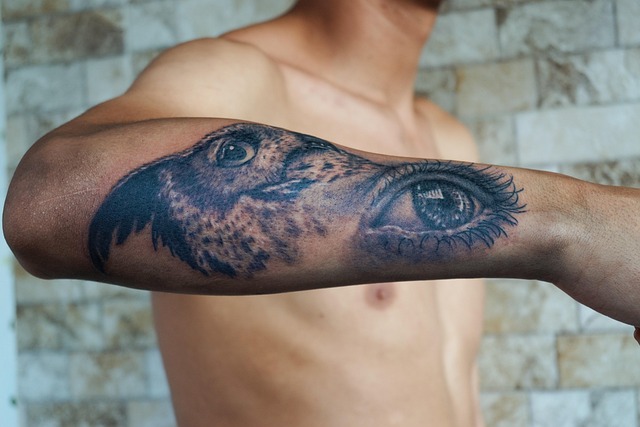
Hyperrealist portraits replicate photographic accuracy using layered shading gradients; this style demands advanced control over tonal transitions akin to classical drawing disciplines taught at art academies.
Neo-Traditional and Fusion Styles
Neo-traditional work updates classic motifs like roses or daggers with vivid hues inspired by comic illustration or street art aesthetics—bridging nostalgia with modern vibrancy.
Cultural Significance of Tattoos in the Modern Context
Beyond beauty lies meaning: tattoos serve as cultural texts inscribed onto living bodies within social frameworks shaped by heritage, memory, or ideology.
Tattoos as Symbols of Identity and Belonging
From LGBTQ+ pride emblems to ancestral scripts revived by diaspora communities, tattoos articulate belonging while asserting individuality—a duality central to contemporary identity politics.
The Role of Social Media in Shaping Ink Culture Perception
Instagram portfolios influence aesthetic trends globally; viral posts can elevate unknown artists overnight. Online forums also encourage critique cycles resembling academic peer review within visual arts communities.
Ethical Considerations and Professional Standards in Tattoo Practice
As ink culture professionalizes further, ethics become crucial—from hygiene protocols to intellectual property debates defining creative ownership on skin canvases.
Health Regulations and Safety Protocols
Compliance with sterilization standards based on ISO/IEC guidelines ensures safe procedures across studios worldwide. Continuous training maintains credibility amid evolving pigment safety research published by regulatory bodies such as the European Chemicals Agency (ECHA).
Intellectual Property in Tattoo Artistry
Legal recognition remains complex since tattoos exist on living bodies rather than static media. Contracts outlining reproduction rights protect both artist authorship integrity and client autonomy when works appear commercially (e.g., advertising or film).
The Future Direction of Ink Culture in the Artistic Landscape
Tattoo artistry continues adapting alongside digital innovation while gaining academic legitimacy within cultural studies programs worldwide.
Integration With Digital Media and Augmented Reality Design Concepts
Studios experiment with AR overlays allowing clients to preview placements virtually before application—bridging physical permanence with interactive visualization similar to architectural modeling tools used by designers today.
Academic Research and Institutional Recognition of Tattoo Artistry
Universities now analyze tattoos within anthropology or visual culture curricula as primary sources reflecting social change—from migration narratives to gender expression debates—cementing ink culture’s role within scholarly discourse on modern art systems.
FAQ
Q1: How has technology changed modern tattoo practices?
A: Digital sketch tools enable detailed planning; improved machines provide smoother lines; new pigments last longer without fading quickly.
Q2: Why are minimalist tattoos so popular today?
A: They offer elegance through simplicity—clean lines make strong statements without overwhelming detail—and suit diverse professional settings too.
Q3: Are tattoos considered fine art now?
A: Many galleries feature tattoo-based exhibitions recognizing their conceptual depth equal to painting or sculpture traditions once seen as exclusive high art domains.
Q4: What safety standards govern professional tattoo studios?
A: Studios follow strict sterilization rules aligned with ISO hygiene frameworks using disposable equipment where possible to maintain client safety globally recognized by public health authorities.
Q5: Could augmented reality redefine future tattoo experiences?
A: Yes, AR previews help visualize placement interactively before commitment; this technology might evolve toward dynamic designs blending digital projection with permanent ink layers later on.