
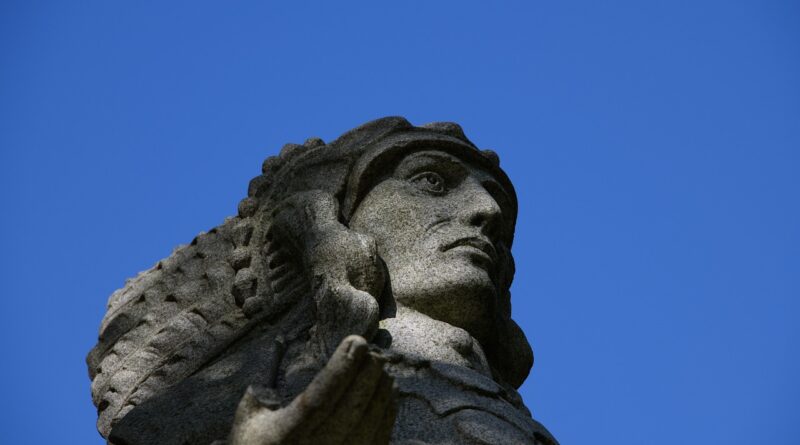
Native American chief tattoo meaning and respectful design considerations
What a Native American chief tattoo usually means
A Native American chief tattoo is often chosen to represent leadership, bravery, wisdom, protection, heritage, or respect for Indigenous cultures. The challenge is that the phrase is broad. In many tattoo references, it has been shaped by movies, sports mascots, flash sheets, and popular art rather than by the traditions of a specific Native nation. In tattoo culture, the wearer may read the image as “strength.” Many Native people may also see questions around stereotype, permission, sacred regalia, and cultural appropriation.
A more thoughtful approach starts with a specific question: what person, nation, object, or story does the tattoo refer to? A portrait of a documented Native leader, a generic war bonnet image, and a personal family tattoo are not the same choice. Each carries a different level of context and responsibility.
Why the word chief can be misleading
“Chief” is a familiar English word, but it can flatten many different Indigenous leadership systems into one visual idea. Native nations are not a single culture. The Bureau of Indian Affairs listed 575 federally recognized tribes as of January 30, 2026, and those nations have distinct histories, governments, languages, homelands, ceremonial practices, and artistic traditions. A tattoo that treats all Native identity as one face in a feathered headdress misses that diversity.
Sources such as the Smithsonian’s National Museum of the American Indian and its Native Knowledge 360° education materials repeatedly emphasize that Native peoples are contemporary communities, not only figures from the past. That matters in tattoo design. A “chief” tattoo styled like a sepia-toned relic can unintentionally suggest that Native people belong only to history. A more responsible design recognizes Indigenous nations, artists, veterans, teachers, language keepers, and families as present-day communities.
The term “Native American” is also not universally preferred. Some people use Native, Indigenous, American Indian, Alaska Native, First Nations, or the name of their specific tribal nation. In a tattoo, specificity is usually more respectful than a broad label. If the design is connected to ancestry, the nation, clan, family history, or individual person matters more than a generic category.
The headdress issue and why it matters
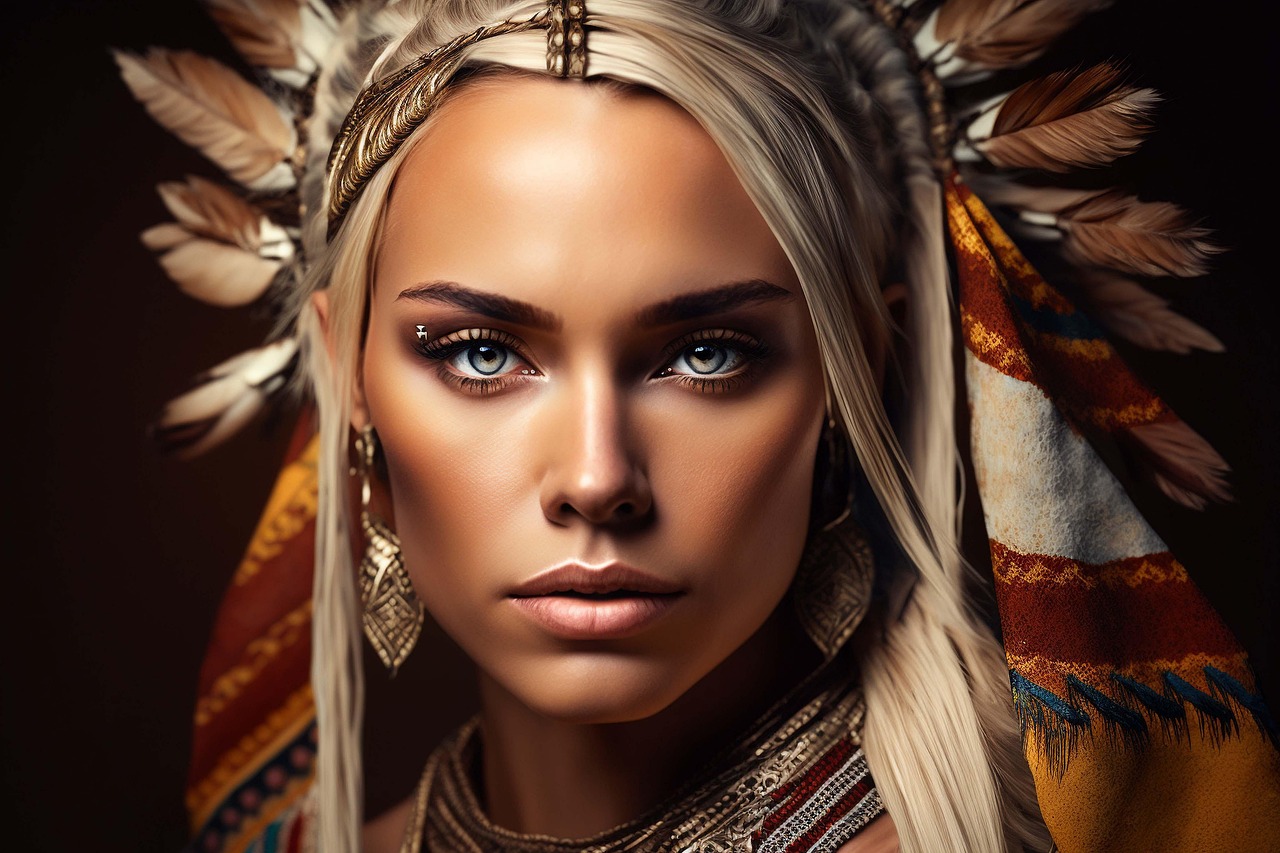
Many search results and tattoo flash designs for this theme show a face wearing a full feathered war bonnet. That image is one of the most sensitive parts of the subject. The National Museum of the American Indian has described eagle feather bonnets among Plains peoples as items connected with honor, courage, and community recognition, not as casual decoration. They were not worn by every Native person, not used by every nation, and not simply a symbol for “tribal style.”
This is where many Native American chief tattoo designs become controversial. A non-Native person may see a war bonnet as beautiful, powerful, or cinematic. A Native viewer may see sacred or earned regalia removed from its context, especially if it is combined with skulls, pin-up styling, alcohol imagery, fantasy weapons, or other elements that turn culture into costume. Organizations such as the National Congress of American Indians have also criticized unsanctioned Native-themed mascots and caricatures because they reduce Native peoples to stereotypes. The same concern can apply to tattoos when the design relies on a stock “Indian chief” image rather than an informed subject.
This does not mean every feather or every portrait carries the same meaning. It does mean a war bonnet should not be treated as a neutral accessory. If the tattoo’s main appeal is the dramatic silhouette of feathers, pause and ask whether the design is honoring a specific tradition or borrowing a sacred-looking image because it looks bold.
Common design directions and their cultural weight
People use the phrase Native American chief tattoo for several different tattoo ideas. Separating them makes the cultural and ethical questions clearer.
| Design direction | What it often tries to express | Key consideration |
|---|---|---|
| Generic chief portrait with war bonnet | Leadership, courage, warrior energy, old Americana style | High risk of stereotype if it is not tied to a real person, nation, or permission-based reference |
| Portrait of a documented historical leader | Respect for a named person and their legacy | Requires accurate reference, context, and care not to romanticize or distort that person’s life |
| Family or ancestry-based design | Connection to personal heritage, memory, or belonging | Specific tribal and family context matters; avoid replacing real heritage with generic pan-Indian imagery |
| Modern Indigenous artist-inspired piece | Support for living Native art and contemporary identity | Permission, commissioning, and proper credit are essential; do not copy artwork without consent |
| Symbolic alternative without sacred regalia | Resilience, land, memory, protection, personal values | Can be more flexible, but symbols still need research because meanings differ across cultures |
The highest-risk version is usually the unnamed face in a war bonnet, especially when it is copied from old flash or fantasy illustration. A lower-risk route starts with a specific reason, accurate context, and direct permission where needed. For readers comparing tattoo meanings across styles, the tattoo culture section offers broader context on how symbols change when they move between communities, studios, and popular media.
Questions to ask before choosing the design
A careful consultation with your tattoo artist should go beyond placement and shading. For culturally specific imagery, the research stage is part of the design process. These questions can help prevent a tattoo that looks polished but feels careless.
- Is the subject specific or generic? A named leader, a family member, or a commissioned work has a clearer context than a random “chief” reference image.
- Which Native nation or tradition is involved? If the answer is “all of them,” the design is probably too broad.
- Is the regalia earned, sacred, ceremonial, or restricted? If you do not know, research before committing it to skin.
- Am I using this image because it looks powerful, or because I understand its meaning? Aesthetic admiration is not the same as cultural understanding.
- Would a Native artist, cultural educator, or community member see this as respect or as costume? No single person speaks for all Native peoples, but informed feedback can reveal issues you may miss.
- Is the design copied from an artist, museum image, ceremony photo, or community artwork? Copyright, consent, and cultural permission are separate issues, and both matter.
For non-Native wearers, the most important question may be the simplest: why this image, and why on your body permanently? If the answer is only “it looks strong,” consider a design that represents strength without using someone else’s cultural regalia as shorthand.
How to make the concept more respectful
Respectful design is not about adding more feathers, more realism, or more “authentic-looking” details. It is about context and accountability. The following approaches can reduce the risk of turning a living culture into a decorative theme.
Choose specificity over stereotype
If the tattoo honors a historical figure, use accurate references and learn the person’s nation, time period, political role, and legacy. Avoid mixing unrelated clothing, weapons, patterns, and symbols because they look visually balanced. Combining elements from different nations may create a design that never existed in any real cultural setting.
Avoid sacred or restricted imagery when you lack permission
Some objects, marks, songs, ceremonies, and forms of regalia carry responsibilities within a community. If you are not sure whether an element is appropriate, leave it out or seek guidance from credible Native-led educational sources or from people connected to that specific tradition. Uncertainty is a reason to slow down, not a reason to guess. See also: tattoo care.
Consider commissioning Native artists
If your concept is connected to Indigenous art, one respectful option is to work with a Native artist whose style, nation, and permissions are clear. That does not mean every Native artist will accept every request. It does mean the process can shift from copying anonymous internet images to supporting living creators and listening to boundaries.
Use personal symbolism when the goal is personal meaning
If you want the tattoo to mean courage, leadership, protection, or endurance, there may be symbols from your own family, landscape, profession, or life story that carry those meanings without borrowing Native identity. Mountains, tools, animals, plants, memorial dates, abstract geometry, or portraits of your own relatives can communicate strength without implying cultural membership you do not have.
Style, placement, and composition notes
From a tattoo-design perspective, portraits with feathered regalia require space. Small versions often lose facial expression, feather separation, and smooth gradients as they age. If a client chooses a portrait-based piece after doing the cultural research, larger placements such as the upper arm, thigh, chest, or back usually allow cleaner detail than a small forearm or wrist tattoo.
Black and gray realism can make a portrait feel solemn and documentary, but it can also imitate old ethnographic photography if handled without context. American traditional versions are bold and readable, but they may echo older flash traditions that relied on stereotyped Native imagery. Neo-traditional work can create strong color and shape, but the artist still needs to avoid fantasy details that invent regalia. Style does not resolve the cultural question; it only changes how the question appears visually.
Good composition also avoids treating the face as a prop. Skulls, tomahawks, dreamcatchers, wolves, arrows, and feathers are often added automatically to make the tattoo feel “Native.” Yet many of these combinations are generic tattoo vocabulary rather than accurate cultural storytelling. Removing clichés can make the final tattoo stronger, quieter, and more intentional.
Frequently asked questions
Is it offensive to get a Native American chief tattoo?
It can be, depending on the wearer, the design, and the context. A generic “chief” in a war bonnet is more likely to be seen as stereotypical or appropriative, especially for a non-Native wearer. A design connected to documented ancestry, a named person, or permission-based collaboration may be viewed differently, but it still deserves careful research.
Can a non-Native person get this tattoo respectfully?
There is no universal answer because Native peoples and nations are diverse. A non-Native person should be especially cautious with sacred regalia, ceremonial imagery, and generic portraits. If the goal is admiration, consider learning first, supporting Native artists and cultural organizations, and choosing a design that does not claim identity or status.
What is a better alternative to a generic chief tattoo?
Better alternatives include a personal leadership symbol, a memorial portrait from your own family, landscape imagery tied to your life, or a commissioned design from a Native artist when appropriate. If your interest is Indigenous history, reading Native-led sources and supporting living communities may be more meaningful than placing a generalized image on your skin.
Are feathers or headdresses always inappropriate in tattoos?
Not always, but they require context. Feathered war bonnets are associated with particular Plains traditions and forms of honor; they are not universal Native accessories. A single feather, a ceremonial object, and a full war bonnet may carry different meanings in different communities. When the meaning is unclear, avoid treating it as decoration.
What should I bring to a tattoo consultation?
Bring the reason behind the tattoo, any specific historical or family references, notes on what you want to avoid, and a willingness to revise the idea. Do not bring only a copied image from social media and ask for a direct replica. A responsible artist should be open to discussing both visual quality and cultural context.
Final thoughts
A Native American chief tattoo is not just another portrait trend. It sits at the intersection of tattoo aesthetics, Indigenous representation, historical memory, and cultural boundaries. The most respectful designs are specific, researched, permission-conscious, and honest about the wearer’s relationship to the imagery. If the design depends on a generic headdress to communicate strength, there may be a stronger concept available. If it honors a real person, community, or family connection, the responsibility is to make that meaning clear rather than relying on stereotype.
The best decision is not the most dramatic image. It is the one you can explain with accuracy and respect years after the tattoo has healed.