
Culture and tattoos as markers of identity, memory, and belonging
Why culture and tattoos belong together
Culture and tattoos are difficult to separate because tattoos are rarely only decoration. Across history, people have used permanent marks to show family ties, spiritual protection, social status, grief, beauty, endurance, rebellion, and personal belief. In modern tattoo culture, the same design can carry different meanings depending on who wears it, who made it, where it comes from, and whether the wearer understands its background.
That is why a tattoo should be read as both artwork and cultural signal. Some tattoos are private memorials; others are public signs of belonging. Some come from living traditions with rules and responsibilities. Others are contemporary designs built from personal style, pop culture, or shared visual trends. Looking at culture and tattoos together helps collectors choose more thoughtful designs and helps viewers avoid shallow assumptions.
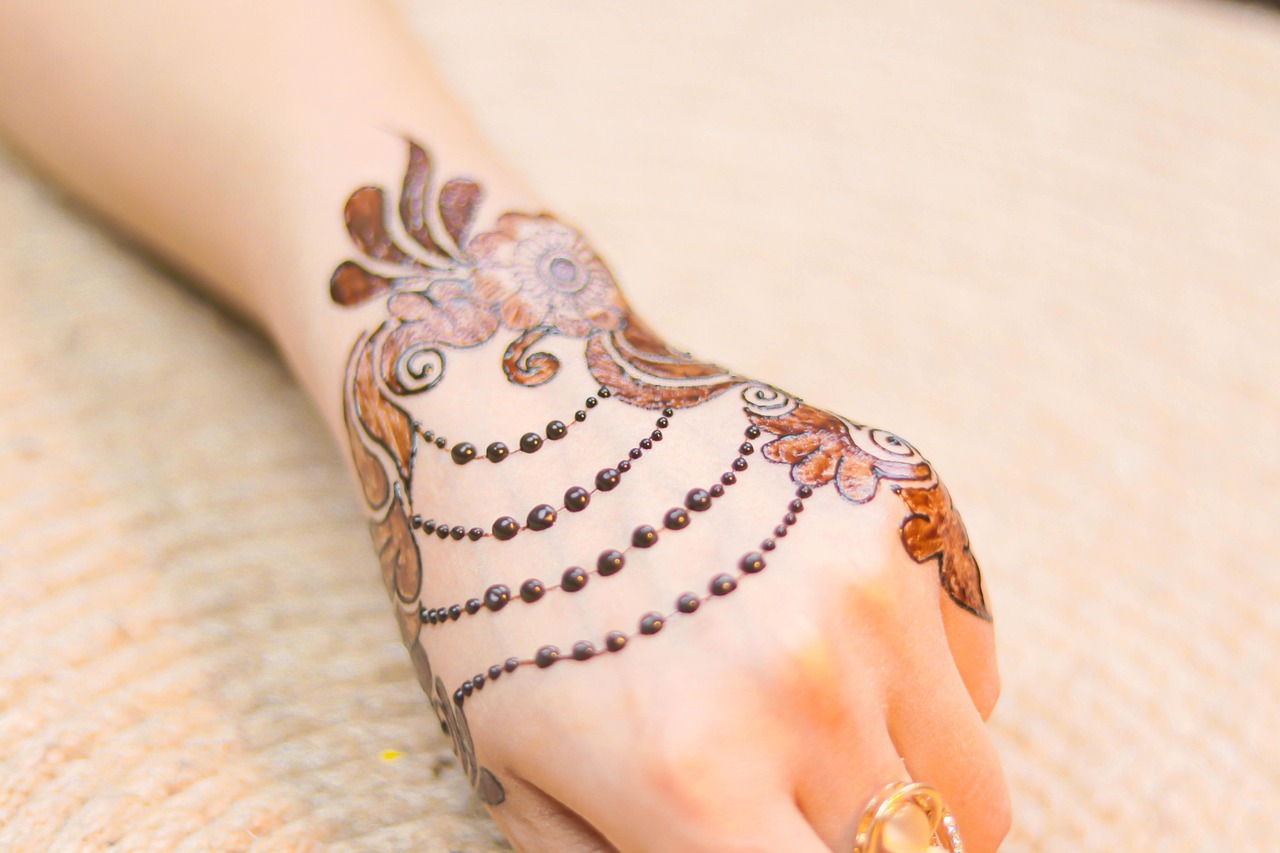
For more context on symbolism, history, and changing tattoo attitudes, readers can explore our tattoo culture coverage.
A short history of tattoos as cultural language
Tattooing is one of the oldest known forms of body modification, but its meanings have never been fixed. Archaeological, museum, and anthropological sources show that tattooing has appeared in many regions, including Europe, North Africa, the Pacific, the Americas, and parts of Asia. The Smithsonian Institution has described tattoos as marks that tell stories about individuals and cultures, a useful way to understand why the practice has survived across very different societies.
| Period or context | Cultural meaning | Important limitation |
|---|---|---|
| Ancient tattooed remains | Marks on mummified bodies, including Ötzi the Iceman, show that tattooing has deep prehistoric roots. | Archaeology can show marks and placement, but it cannot always prove the exact meaning intended by the wearer. |
| Polynesian tattooing | Many Pacific traditions connected tattooing with identity, rank, genealogy, skill, and social life. The English word tattoo is commonly traced to Polynesian terms recorded after European contact in the 18th century. | Polynesian cultures are diverse; one island tradition should not be treated as interchangeable with another. |
| Indigenous tattoo traditions | In many Native and Indigenous communities, tattooing has been connected to kinship, ceremony, healing, protection, and cultural continuity. | Some designs may be restricted, ceremonial, or linked to community permission. |
| Modern Western tattooing | Tattoos moved through maritime, military, circus, working-class, punk, biker, prison, fashion, and fine-art contexts before becoming widely visible in mainstream life. | Mainstream visibility does not mean all stigma has disappeared or that all designs are culturally neutral. |
This timeline matters because it prevents a common mistake: treating tattoo history as a straight line from early body marking to modern style. In reality, tattooing has moved through cycles of respect, restriction, revival, stigma, and reinvention.
What tattoos can communicate inside a culture
A tattoo can operate like a sentence, a family name, a prayer, a badge, a scar, or a memory. Its meaning depends on cultural grammar. A motif that looks abstract to an outsider may identify a clan, a migration story, a rite of passage, or a spiritual relationship to land and ancestors. In another setting, a small symbol may be intentionally personal and have no group meaning at all.
Identity and belonging
Many people use tattoos to make identity visible. This can include ethnic heritage, city pride, military service, chosen family, gender identity, music scenes, fan communities, or religious devotion. In these cases, the tattoo does more than decorate the body; it signals a connection. The wearer may be communicating where they come from, who shaped them, or which community they choose to stand with.
Memory and mourning
Memorial tattoos are among the clearest examples of personal meaning. The Pew Research Center survey conducted from July 10 to July 16, 2023, found that 69% of tattooed U.S. adults said honoring or remembering someone or something was a major or minor reason they had a tattoo. That finding helps explain why names, dates, handwriting, portraits, flowers, animals, and symbolic objects are common choices for portable memorials.
Belief and values
Tattoos can also express belief. In the same 2023 Pew survey, 47% of tattooed adults said making a statement about what they believe was a major or minor reason for getting tattooed. Belief does not always mean religion. It can include political values, recovery milestones, survival after illness, commitment to a cause, or a personal rule for living.
Why tattoos became more mainstream without losing cultural weight
In the United States, tattoos are now common enough to be part of everyday public life. Pew Research Center reported in 2023 that 32% of U.S. adults had at least one tattoo, including 22% who had more than one. Those numbers help explain why tattoos appear across offices, campuses, media, weddings, sports, fashion, and family spaces rather than only in subcultures.
Mainstream visibility, however, is not the same as complete acceptance. Some employers, families, religious groups, and social settings still judge visible tattoos differently, especially on the face, neck, or hands. Reactions can also vary by gender, race, age, profession, region, and design style. A fine-line botanical tattoo may be read as fashionable in one environment, while a large blackwork face piece may be read as confrontational in another. The tattoo itself matters, but so does the viewer’s cultural frame.
Modern tattoo culture is also shaped by digital images. Social platforms spread designs faster than traditional apprenticeship networks did. This has expanded access to styles such as micro realism, blackwork, ornamental, lettering, anime-inspired work, and neo-traditional design. It has also increased copying, trend fatigue, and confusion about the origins of sacred or community-specific motifs. The result is a tattoo world that is more connected and more visually inventive, but sometimes less patient with context.
Cultural appreciation, appropriation, and responsible design
One of the most important conversations in tattoo culture is the difference between appreciation and appropriation. Appreciation usually involves learning, credit, permission when needed, and respect for the people connected to a design. Appropriation happens when a person takes a culturally significant image mainly for appearance, status, or novelty while ignoring its history, restrictions, or living community.
Not every cultural design is closed to outsiders, and not every cross-cultural tattoo is disrespectful. Tattooing has always involved travel, exchange, adaptation, and hybrid style. The problem begins when collectors assume that public visibility equals public ownership. A motif shown in a museum, book, flash sheet, or social media post may still be tied to family, ritual, rank, mourning, initiation, or community authority.
- Ask where the design comes from. A good artist should be willing to discuss visual references and cultural background.
- Learn whether the motif is sacred, restricted, or ceremonial. If the answer is unclear, choose a different direction.
- Avoid copying living artists or community-specific marks. Inspiration is not the same as duplication.
- Work with artists connected to the tradition when possible. This is especially important for Indigenous, tribal, and ceremonial styles.
- Be honest about your relationship to the symbol. A design can be beautiful and still not be yours to wear.
This careful approach does not weaken creativity. It usually makes the final tattoo stronger because the design becomes more intentional, better researched, and less dependent on surface-level aesthetics. See also: tattoo care.
How health, permanence, and culture intersect
Cultural meaning is not the only responsibility involved in tattooing. A tattoo is also a physical procedure. The U.S. Food and Drug Administration describes tattooing as the insertion of ink into the skin using needles or other equipment that pierces the skin, and it has warned that contaminated inks and allergic reactions can create health problems. That safety context matters because cultural respect should include care for the body, the artist, and the studio environment.
Before getting a culturally meaningful tattoo, collectors should think beyond the image. Is the studio licensed where local rules require it? Does the artist use sterile equipment and fresh needles? Does the design placement affect work, family, or religious settings? Will the meaning still feel honest in ten years? These questions are practical, but they are also cultural. A tattoo becomes part of how a person is seen and how that person tells their own story.
Permanence also changes the emotional weight of a design. Fashion can move quickly, but tattoos age with the body. Lines spread, colors soften, and personal identity changes. A meaningful tattoo does not need to explain a whole life forever, but it should be chosen with enough care that the wearer can stand behind its origin and intention.
Reading tattoos with more nuance
One of the best ways to understand tattoos is to avoid instant interpretation. A visible tattoo may invite curiosity, but it does not automatically give strangers a right to the wearer’s story. Some people enjoy explaining their tattoos; others see them as private, painful, spiritual, or simply personal. Respectful curiosity means asking only when appropriate and accepting a short answer.
It is also important not to reduce tattooed people to stereotypes. A tattoo does not reliably reveal a person’s morality, professionalism, politics, or emotional stability. The same symbol may mean grief to one person, style to another, and heritage to a third. Tattoo culture is rich precisely because it holds public art and private meaning at the same time.
For artists, writers, and collectors, the better question is not simply “what does this tattoo mean?” A stronger question is: who gave it meaning, in what context, and with what responsibility? That shift turns tattoos from visual objects into cultural texts.
Frequently asked questions
What is the relationship between culture and tattoos?
Tattoos reflect culture because they carry symbols, values, memories, and social meanings on the body. They can mark identity, beauty, grief, belief, status, community, or resistance. Their meanings change across time and place.
Are all traditional tattoo designs restricted?
No. Some traditional motifs are shared, adapted, or openly taught, while others are restricted by family, rank, ceremony, gender, community, or spiritual use. If a design comes from a living culture, research and permission matter.
Why are tattoos more accepted now?
Tattoos have become more visible through celebrities, athletes, fashion, social media, and ordinary workplace diversity. Survey data also shows that many adults now have tattoos. Acceptance has grown, but stigma still exists in some settings.
How can I choose a culturally respectful tattoo?
Start by researching the origin of the design, avoiding sacred or restricted symbols, crediting influences, and choosing an artist who understands the style. If the design is tied to a community you do not belong to, be especially cautious.
Do tattoos mean the same thing everywhere?
No. A tattoo’s meaning depends on culture, wearer, artist, placement, design history, and audience. The same image can be decorative in one setting and deeply symbolic in another.