
What Is the Best Tattoo Care for a New Tattoo?
Why Does the Best Tattoo Care Start Before You Leave the Studio?
The best tattoo care is not about buying a costly jar and hoping it fixes everything. It starts with a clean studio, clear instructions from the artist, and a quiet first night at home. If you need the full routine saved in one place, keep this tattoo aftercare guide handy, because the first few days can make healing feel much easier or much harder.
Tattoos are common now, but they are still skin procedures. Pew Research Center reported in August 2023 that 32% of U.S. adults have at least one tattoo, including 22% with more than one. That does not mean aftercare can be skipped. A new tattoo is injured skin with pigment placed inside it, so steady basic care usually works better than trying too many products.
Clean Wrapping and Clear Artist Instructions
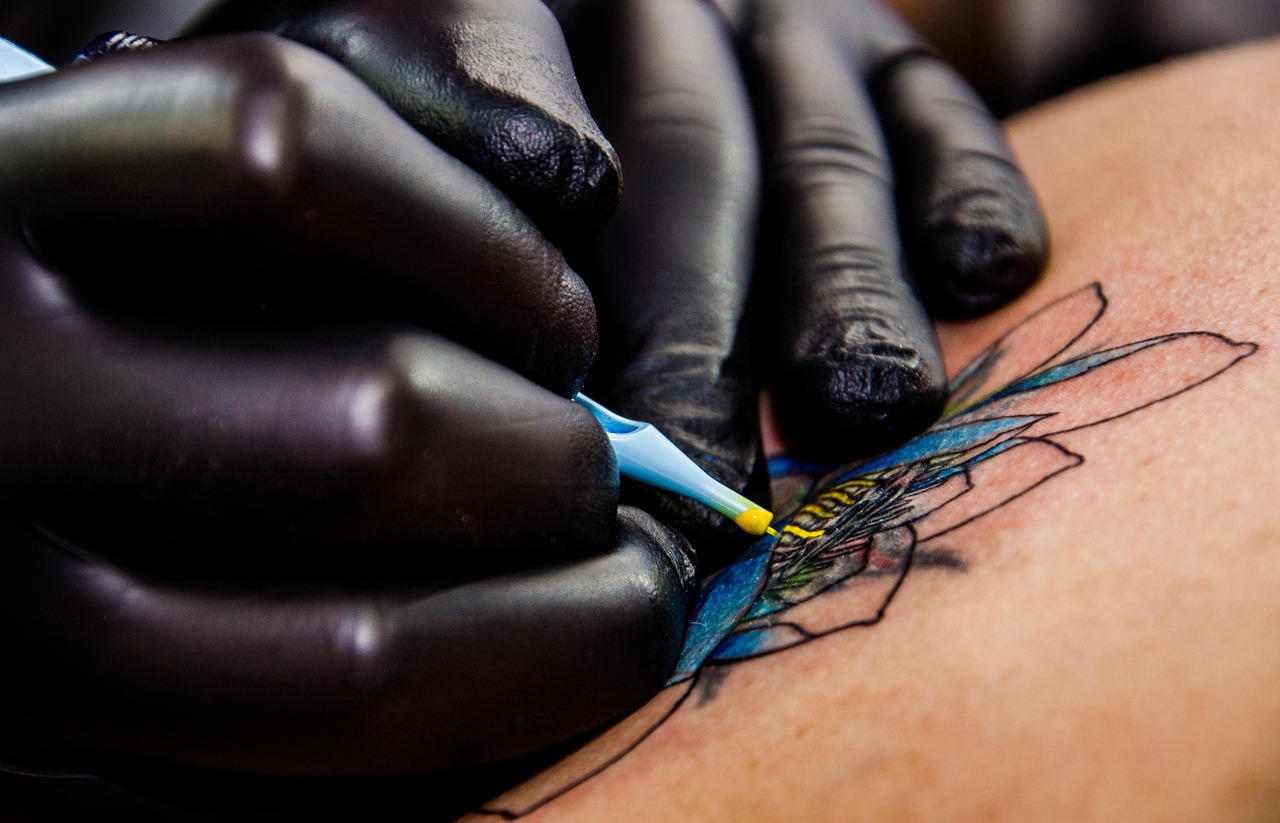
Before you leave the shop, your artist should cover the tattoo with a clean bandage or protective film. They should also tell you when to remove it, and that timing matters. Different artists use different wraps, so follow the instructions you were given. A second-skin film may stay on longer than a basic absorbent pad, but do not copy a random video if your artist already explained what to do.
A Fresh Tattoo Is a Skin Wound
The U.S. Food and Drug Administration explains that tattooing puts ink into the skin with needles, so the skin barrier is broken. Once the skin is open, germs have an easier way in. FDA safety pages also mention infections linked to contaminated inks and allergic reactions to ink ingredients. The practical point is simple: treat fresh ink like healing skin, not like finished decoration.
Simple Supplies at Home
You do not need a bathroom sink packed with products. For most people, mild fragrance-free soap, clean paper towels, a light fragrance-free moisturizer, clean loose clothing, and fresh sheets are enough. If the tattoo is on your calf and your dog likes sleeping against your legs, plan around that too. Pet hair, licking, and fresh tattoos do not go well together.
How Should You Clean a New Tattoo in the First 48 Hours?
The first 48 hours can look a bit rough because the tattoo may be shiny, red, swollen, or weeping a little fluid. Some plasma or ink on the wrap can happen and does not always mean there is a problem. Your job is to clean off surface fluid and normal dirt without rubbing the tattoo until it feels raw.
Clean Hands Before Every Touch
Wash your hands before you remove the wrap, wash the tattoo, apply moisturizer, or check the skin. It sounds basic, but it is one of the most useful habits during tattoo healing. Nails, phone screens, steering wheels, gym bags, and door handles pick up plenty of dirt during the day. If your hand is going near the tattoo, wash it first.
Gentle Washing Without Scrubbing
Use lukewarm water and mild soap. Let the water run over the tattoo, then use your fingertips to clean away residue with light pressure. Skip washcloths, bath sponges, exfoliating gloves, and strong antibacterial scrubs unless a qualified clinician told you to use them. Rough cleaning can irritate the skin and pull at early scabs, so keep it clean without treating it like a stain you need to scrub out.
Pat Drying and Air Time
After washing, pat the tattoo dry with a clean paper towel. Do not rub it with a towel, even if it looks like it can handle it. Let the skin sit in the air for a few minutes before applying any product, especially if it still feels damp. Too much moisture trapped under ointment can make the area sticky and uncomfortable, and a healing tattoo should not feel buried under a thick coating.
Which Moisturizer Routine Helps Fresh Ink Heal?
Moisturizer can help with comfort, but using more does not mean faster healing. A lot of difficult heals come from doing too much: heavy ointment, constant reapplying, or changing products every time the tattoo flakes. A plain, light, repeatable routine is usually the safer route.
Thin Layers Beat Heavy Coats
Apply a thin layer only when the tattoo feels dry or tight. The skin should not stay greasy for hours after you use it. If lint sticks to the tattoo, you probably used too much product. A small tattoo may need less than a pea-size amount, while a larger piece needs more, but it should still be spread thin because heavy ointment can soften scabs and make clothing stick.
Fragrance Free Products
Choose fragrance-free, dye-free products when you can. Fragrance can sting fresh skin, and colored lotions do not add anything useful to the healing process. No reliable public data proves that one aftercare brand is best for every tattoo, every skin type, and every climate. Dermatology and clinic guidance usually points to the same basic rule: gentle, non-irritating skin care is safer than strong scented products.
A Normal Flake and Itch Phase
Peeling, light scabbing, and itching often start after the first few days. Do not pick the flakes, and do not scratch the skin even if it is annoying. If one loose flake looks ugly, leave it alone and let it drop off by itself. Pulling flakes can take pigment with them and leave patchy spots, so use a light moisturizer, wear soft clothing, and keep your hands busy when the itch starts.
What Should You Avoid While a Tattoo Heals?
Good tattoo care is often about what you stay away from. You can wash it well and moisturize it correctly, then still irritate it with swimming, tight jeans, hard workouts, or direct sun. Give the skin a calmer healing window and it usually gives you fewer problems.
Swimming Pools, Lakes, and Hot Tubs
Avoid soaking until the tattoo is healed. That means no pools, lakes, oceans, hot tubs, long baths, or saunas while the skin is still open or peeling. The CDC reported tattoo-related nontuberculous mycobacterial skin infection clusters in multiple U.S. states in 2011 and 2012, and its report stressed sterile ink, sterile water, and hygienic practices. Putting fresh skin into shared or natural water adds risk without any real benefit.
Direct Sun and Early Sunscreen
Keep a fresh tattoo out of direct sun. Do not put sunscreen on open or peeling tattooed skin unless your clinician tells you to. Sunscreen is for healed skin, not broken skin. While the tattoo is healing, cover it with loose, clean fabric when you go outside, and once it is healed, use sunscreen to help keep lines and color clearer.
Tight Clothing, Pets, and Picking
Friction can make a healing tattoo sore and irritated. Tight waistbands, rough denim, bra straps, boots, and backpack straps can rub scabs before they are ready to come off. Pets can also cause trouble by licking the area or brushing hair against it. Picking is another common mistake because it feels harmless in the moment, but it can leave a light spot that may need a touch-up later. See also: tattoo culture.
When Are Redness, Pain, or Itching a Problem?
Some redness and tenderness are normal in the beginning. A large thigh piece may feel sore when you walk, and a forearm tattoo may feel warm on the first evening. Watch the direction it is going: normal healing should slowly calm down, not get worse day after day.
Normal Early Skin Changes
During the first few days, mild swelling, redness around the tattoo, warmth, soreness, and some clear fluid can happen. After that, the tattoo may look dull, flake, and itch. These changes usually follow a steady pattern. The tattoo can look worse before it looks better, which catches many first-timers off guard, but that cloudy stage is often temporary.
Warning Signs That Need Medical Care
Cleveland Clinic guidance lists warning signs such as fever, skin that feels hot, bad odor, significant drainage, pain that gets worse, spreading redness, and red streaks moving away from the tattoo. If you notice those signs, contact a healthcare professional. Do not wait for people on a tattoo forum to guess what is happening. Fast care can protect your health, and it may also help protect the tattoo.
Allergic Reactions Can Show Up Later
Allergic reactions do not always show up on the same timeline as infection. The American Academy of Dermatology notes that tattooed skin can react in different ways, even when the tattoo was done by a licensed artist and aftercare was followed. A raised, itchy, bumpy area in one color may suggest a reaction. Still, only a qualified professional can check it properly and tell you what to do next.
How Can You Keep a Healed Tattoo Bright for Years?
Once the tattoo is healed, your job changes. You are no longer caring for open skin; you are looking after skin that carries ink. Long-term care is not hard, but it matters for fine lines, color work, and tattoos in places that get sun every day.
Daily Sunscreen on Healed Skin
The American Academy of Dermatology recommends broad-spectrum, water-resistant sunscreen with SPF 30 or higher for tattooed skin exposed to sun. That advice is mainly about skin safety, but it also helps the tattoo look better over time. UV exposure can fade pigment and soften contrast. Sunscreen may feel boring, but a burned shoulder tattoo looks worse.
Moisturized Skin Looks Cleaner
Dry skin can make tattoos look flat and dull. A simple lotion after showers can make healed blackwork look deeper and color pieces look cleaner. The ink has not changed in a few minutes. The skin is just more hydrated, so it reflects light better, a bit like wiping dust off a framed print.
Long Term Habits That Protect Lines
Keep skin in good condition with sun protection, regular moisture, enough water, and basic care during rough activities. If your work involves heavy gear, cover healed tattoos when there is constant rubbing. If you lift weights, wipe shared equipment before use, especially if a tattoo is still new. Small habits add up, and they are easier than dealing with a damaged heal.
FAQ
Q1: How Long Does a New Tattoo Usually Take to Heal? A: The surface often looks healed in about 2 to 4 weeks, but deeper skin may keep settling after that. Large pieces, heavy shading, and sensitive areas can take more time.
Q2: Can You Shower With a Fresh Tattoo? A: Yes, short showers are usually fine after the first wrap is removed. Use lukewarm water, avoid direct hard pressure, wash gently, and pat dry. Do not soak the tattoo in a bath.
Q3: What Is the Best Tattoo Care Product? A: There is no single best product for everyone. For most people, a mild fragrance-free moisturizer used in a thin layer is a safer choice than heavy scented creams or random home remedies.
Q4: When Can You Put Sunscreen on a Tattoo? A: Use sunscreen only after the tattoo is fully healed and the skin is closed, smooth, and no longer peeling. For healed tattoos, choose broad-spectrum SPF 30 or higher.
Q5: Should You See a Doctor for an Infected Tattoo? A: Yes. If you have fever, spreading redness, heat, odor, pus-like drainage, red streaks, or worsening pain, contact a healthcare professional. Infection can need medical treatment.