
Tattoo care moisturizer guide for clean, comfortable healing
What a tattoo care moisturizer should do
A good tattoo care moisturizer supports the skin while a fresh tattoo settles, peels, and becomes less tender. It should ease tightness and surface dryness without smothering the area, irritating broken skin, or replacing basic hygiene. The safest general approach is straightforward: keep the tattoo clean, let it breathe, and apply a thin layer of a fragrance-free, water-based lotion or cream when the skin starts to feel dry. Dermatology guidance from the American Academy of Dermatology favors water-based lotion or cream for dry tattooed skin, while public health and clinical sources consistently warn that infection, allergic reactions, and irritation can look similar in the early days.
For the full routine beyond moisturizing, see our tattoo aftercare guide. This article focuses on the moisturizer decision: when to start, what to choose, how much to use, and when dryness may be a sign that you need professional advice rather than more lotion.
Why moisturizer matters after a tattoo
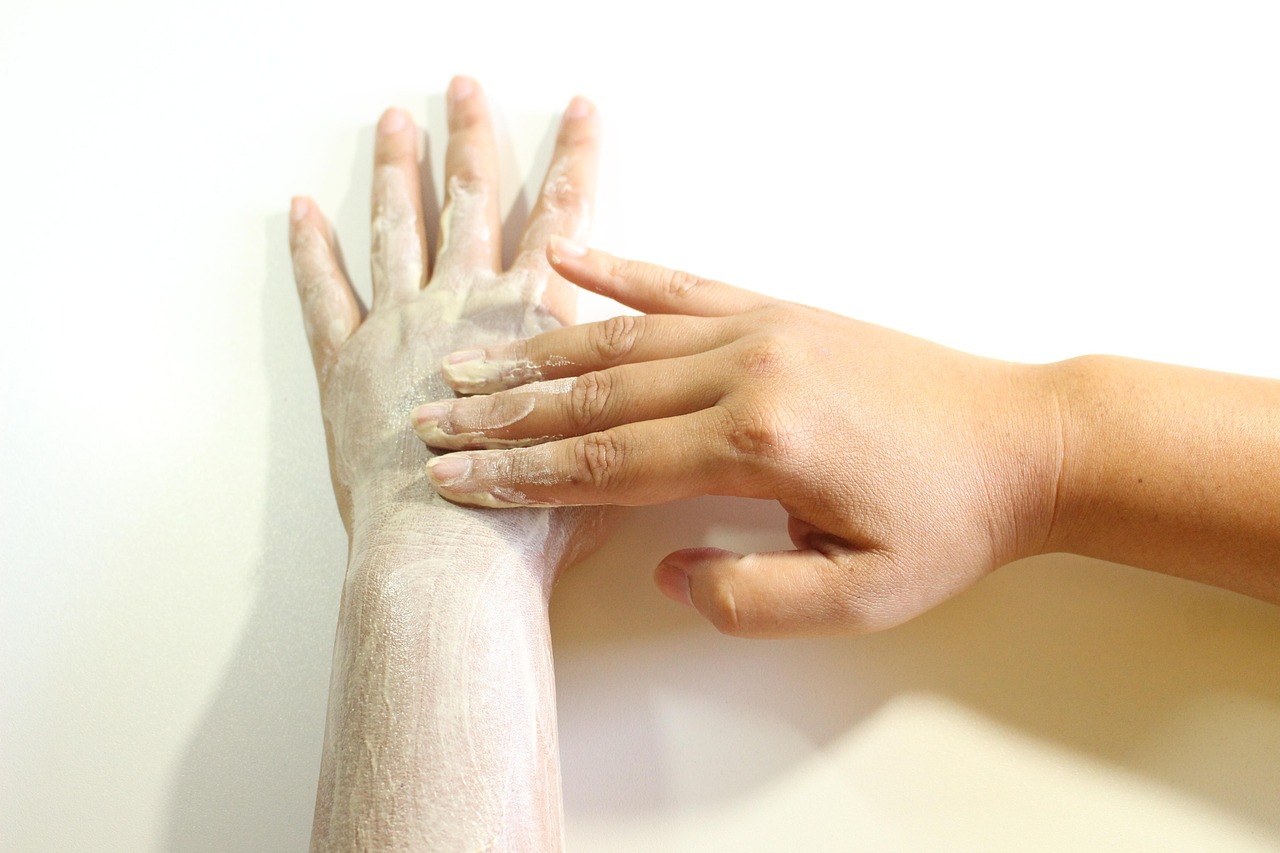
A tattoo is created by repeatedly puncturing the skin and depositing pigment below the surface. That process temporarily disrupts the skin barrier. In the first stage, the area may feel warm, tight, shiny, or tender. As the surface begins to close and shed, dryness and flaking are common. Moisturizer helps soften the outer layer of skin and reduce the pulling sensation that can lead people to scratch or pick.
Moisturizer does not sterilize a tattoo, guarantee faster healing, or correct poor aftercare. It works best as one part of a basic routine: clean hands, gentle washing, careful drying, and a light application only when needed. Too little moisture can leave the tattoo uncomfortably tight. Too much can make the skin look swollen or sticky and can trap the area under a heavy layer of product.
The goal is balance. A healing tattoo should not be caked in cream, but it also should not be allowed to crack from avoidable dryness. If the tattoo feels comfortable and is not visibly dry, adding more moisturizer is not automatically helpful.
When to start applying moisturizer
The right starting point depends on the bandage type and the instructions from the artist. A traditional wrap is often removed much sooner than an adhesive dermal bandage, sometimes called second skin. If an adhesive film is used, do not apply moisturizer under it. Wait until the bandage is removed according to the artist’s directions, then wash and dry the tattoo before applying any product.
After the first wash, many people begin with a very thin layer of moisturizer once the tattoo no longer feels overly wet or weepy. If plasma, excess ink, or fluid is still collecting on the surface, the priority is gentle cleaning and careful drying, not sealing the area under cream. Once the tattoo feels clean and slightly dry, moisturizer can help reduce tightness.
Some medical tattooing aftercare materials advise waiting until the area has healed for several days before daily moisturizing. Decorative tattoo aftercare often starts earlier, but the principle is similar: avoid trapping fluid, avoid harsh products, and use only enough moisturizer to relieve dryness. If your artist’s instructions differ from general advice, follow the artist unless you see signs of infection, allergy, or worsening irritation. In those cases, contact a qualified healthcare professional.
How to choose a tattoo care moisturizer
The best choice is usually not the most complex product. A suitable moisturizer for a healing tattoo is plain, gentle, and easy to spread in a thin layer. Look for products labeled fragrance-free and made for sensitive skin. A cream or lotion that absorbs without leaving a greasy film is easier to control than a heavy balm.
Ingredients and labels to look for
- Fragrance-free labeling: Fragrance is a common irritant in skin care, especially on compromised skin. Fragrance-free is clearer than simply unscented, because unscented products may still contain masking fragrance.
- Water-based lotion or cream: Dermatology guidance commonly recommends water-based products for dry tattooed skin because they are lighter and less occlusive than greasy ointments.
- Sensitive-skin positioning: This is not a medical guarantee, but products designed for sensitive skin are more likely to avoid strong perfumes, dyes, and harsh additives.
- Simple ingredient list: Fewer extras can make it easier to identify what caused a reaction if the skin becomes irritated.
Ingredients and product types to avoid
- Fragrance, perfume, or essential oils: Lavender, tea tree, citrus, peppermint, and similar oils can irritate healing skin even when they are marketed as natural.
- Exfoliating acids and retinoids: Avoid alpha hydroxy acids, beta hydroxy acids, retinol, and resurfacing products until the tattoo is fully healed and settled.
- Alcohol-heavy gels or toners: These can sting and dry the surface, making peeling feel worse.
- Glitter, tint, shimmer, or bronzing products: Decorative skin products are not appropriate for a healing tattoo.
- Routine antibiotic ointments without instructions: Medicated ointments should not be used casually. Some ingredients can cause contact dermatitis, and unnecessary use may complicate care.
Petroleum jelly needs a separate note. Some artists may recommend a specific ointment for a short early stage, but thick petroleum-based products are not automatically the best daily moisturizer for a fresh tattoo. Dermatology and public health materials often favor lighter water-based lotions or warn against heavy petroleum jelly because it can trap moisture and block the surface. If your artist recommends an ointment, use the amount and duration provided rather than applying a heavy layer throughout the day.
How much moisturizer to use and how often
Use less than you think you need. After washing your hands and gently cleaning the tattoo, pat the area dry with a clean towel or paper towel. Let it air-dry briefly if it still feels damp. Then apply a pea-sized amount for a small tattoo, or a small amount spread gradually for a larger piece. The tattoo should look lightly hydrated, not shiny, white, or greasy.
If product remains on top of the skin after a few minutes, you probably used too much. Blot the excess gently with clean tissue rather than rubbing. Over-moisturizing can make the tattoo feel soggy, increase irritation, and lead to too much touching during healing.
A practical schedule is to moisturize after cleaning and whenever the tattoo feels uncomfortably tight or visibly dry. For many people, that means two or three light applications per day during the peeling phase. Skin type, climate, tattoo size, body placement, clothing friction, and season all matter. A forearm tattoo in humid weather may need less moisturizer than a shin tattoo under dry winter clothing.
Do not moisturize before workouts, swimming, or sun exposure as a substitute for protection. During early healing, avoid soaking the tattoo, hot tubs, pools, and direct sun. Once healed, moisturizer can support skin comfort, but sunscreen and sun avoidance are more important for reducing fading from UV exposure.
Moisturizer choices by healing stage
The moisturizer decision changes as the tattoo moves from fresh wound to settled skin. The table below is a practical comparison, not a fixed medical timeline. Healing speed varies by tattoo size, placement, immune response, and how much the area is rubbed by clothing. See also: tattoo culture.
| Stage | What the tattoo may feel like | Moisturizer approach | What to avoid |
|---|---|---|---|
| First day after bandage removal | Tender, warm, slightly wet, or tight | Clean gently, dry carefully, and use only a very thin layer if the skin feels dry | Heavy coating, rewrapping without instructions, scented lotion |
| Early peeling stage | Dry, flaky, itchy, or tight | Use fragrance-free lotion or cream in light applications to reduce tightness | Picking flakes, scratching, exfoliating products |
| Late peeling stage | Dull-looking surface, mild dryness, less tenderness | Continue light moisturizer until the skin feels normal | Assuming dullness means the tattoo is damaged; it often improves as skin settles |
| Fully healed skin | No open areas, no scabs, no tenderness | Use regular fragrance-free moisturizer as part of skin care, especially in dry weather | Skipping sun protection on exposed tattoos |
During peeling, flakes may carry a little pigment-colored residue. That can be normal because the top layer of skin is shedding. What is not normal is deep cracking, spreading redness, pus, severe swelling, fever, or pain that increases instead of improving. In those cases, do not try to solve the problem by adding more moisturizer.
When dryness is not just dryness
Fresh tattoos can itch and peel, but certain symptoms need closer attention. The U.S. Food and Drug Administration has reported that tattoo-related problems can include infections and allergic reactions. These issues may be difficult to tell apart at first because redness, swelling, bumps, and tenderness can overlap.
Dryness is usually mild and improves after a thin layer of moisturizer. Irritation may sting, burn, or worsen after a specific product is applied. An allergic reaction may appear as a persistent rash, raised bumps, intense itching, or swelling that does not follow the expected healing pattern. Infection may involve spreading redness, increasing pain, warmth, pus, fever, chills, or red streaking near the tattoo.
If symptoms are severe, spreading, or accompanied by fever, seek medical care promptly. If the skin reacts immediately after a new moisturizer, stop using that product and return to basic gentle washing until you can get advice. Do not cover a worsening rash with more balm, and do not use steroid creams or antibiotics on a fresh tattoo unless a clinician tells you to.
People with eczema, psoriasis, diabetes, immune suppression, a history of keloids, or previous tattoo reactions should be more cautious. A gentle moisturizer is still important, but personal medical history can change what is safe. When in doubt, ask a dermatologist or qualified healthcare professional before experimenting with products.
Common moisturizer mistakes that affect healing
- Applying too much at once: A thick layer can trap moisture and make the tattoo feel sticky or irritated.
- Switching products repeatedly: If the skin becomes red or itchy, using several new creams makes it harder to identify the cause.
- Using body butter too early: Rich butters may be fine for fully healed skin, but they can be too heavy for a fresh tattoo.
- Confusing natural with gentle: Essential oils and botanical extracts can still irritate healing skin.
- Moisturizing dirty skin: Cream should go on clean, dry skin, not over sweat, plasma, or debris.
- Scratching through clothing: Moisturizer can reduce tightness, but it cannot protect the tattoo from repeated friction.
The simplest routine is often the most reliable. Wash gently, dry carefully, moisturize lightly, and leave the tattoo alone as much as possible. A product that keeps the skin comfortable without stinging, greasiness, or redness is doing its job.
Frequently asked questions
Can I use regular lotion on a new tattoo?
Yes, if it is fragrance-free, gentle, and suitable for sensitive skin. Avoid perfumed body lotions, shimmer lotions, tanning lotions, and products with exfoliating acids or retinoids. Apply only a thin layer after the tattoo is clean and dry.
Is ointment better than lotion for tattoo aftercare?
Not always. Some artists recommend a small amount of ointment for a short early period, but many tattoos do well with a light, fragrance-free lotion or cream once dryness begins. Heavy ointment can be overused, so follow specific instructions and avoid keeping the tattoo greasy.
How do I know if I am over-moisturizing my tattoo?
Signs include a shiny or sticky surface, product that does not absorb, extra softness around scabs, clogged bumps, or irritation that worsens after application. Use a smaller amount and give the skin more time to breathe.
Should I moisturize a tattoo after it is fully healed?
Yes. Moisturizing healed tattooed skin can reduce dryness and help the tattoo look clearer because dry skin scatters light and makes lines appear dull. Long term, sun protection matters even more for preserving the appearance of exposed tattoos.
What should I do if moisturizer burns when I apply it?
Mild sensitivity can happen, but burning is a warning sign. Stop using that product, rinse gently if needed, and return to basic care. If burning continues, redness spreads, or swelling develops, contact a healthcare professional.