Is the Best Tattoo Cream for Healing the Key to Long-Lasting Ink Results
Proper Aftercare Can Help Your New Tattoo Last Longer — Here’s What Experts Recommend
A tattoo’s longevity depends less on the artist’s skill and more on how the skin heals afterward. The biological process that follows inking defines whether pigments stay crisp or fade unevenly. Proper aftercare, including the use of the best tattoo cream for healing, supports this recovery by maintaining moisture, preventing infection, and stabilizing pigment within the dermis. Professionals agree that consistent care during the first few weeks sets the foundation for years of color retention. Neglecting this phase often leads to dullness, patchy fading, or even scarring—issues that no amount of touch-up can fully reverse.
The Relationship Between Tattoo Healing and Long-Term Ink Retention
Tattoo artists often describe healing as a collaboration between their technique and the client’s biology. Once ink enters the skin, the body treats it as a controlled injury, triggering cellular repair mechanisms that determine pigment stability.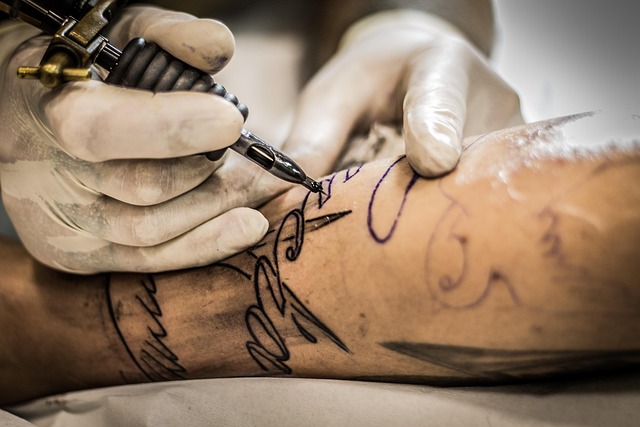
Understanding the Biological Process of Tattoo Healing
After tattooing, the skin passes through inflammation, tissue repair, and regeneration phases. During inflammation, white blood cells remove debris while fibroblasts begin collagen production. Tissue repair follows as new epithelial cells migrate to close micro-wounds. Finally, regeneration restores skin integrity while encapsulating pigment particles in fibroblasts within the dermis. Proper wound management prevents scarring and pigment loss; when healing is too rapid or disrupted by infection, ink particles may migrate or break down prematurely. Healing speed and quality directly influence how well ink settles into its permanent layer.
How Improper Healing Affects Tattoo Longevity
When healing goes wrong—through infection, scratching, or over-drying—the results are visible for life. Infections or excessive dryness can cause fading or patchy color retention because damaged tissue expels pigment before stabilization occurs. Overuse of harsh antiseptics or alcohol-based products interferes with pigment stability by stripping natural oils essential for dermal balance. Environmental factors such as UV exposure during healing accelerate ink degradation since ultraviolet light fragments pigment molecules before they are fully encapsulated.
The Role of Tattoo Creams in the Healing Process
Tattoo creams serve more than a cosmetic role; they act as a controlled barrier that regulates moisture and microbial exposure while supporting natural cell turnover.
Active Ingredients That Promote Skin Recovery
Professional-grade creams typically contain emollients like shea butter and panthenol to maintain hydration without clogging pores. These ingredients replenish lipids lost during trauma and keep new epidermal layers flexible. Antibacterial agents such as chlorhexidine or natural alternatives like tea tree oil reduce infection risk without disturbing beneficial flora. Vitamins A, C, and E play critical roles in collagen synthesis and oxidative protection—key factors in regenerating healthy tissue around embedded pigments.
Moisture Management for Optimal Ink Preservation
Balanced hydration is vital during recovery. Excess dryness leads to thick scabs that can pull out pigment when detached prematurely. Conversely, over-moisturizing suffocates skin and delays epithelial closure. Occlusive creams form a protective film against contaminants while lightweight formulations allow oxygen exchange necessary for proper healing. Many professionals recommend applying thin layers two to three times daily during the first week to sustain equilibrium.
Evaluating the “Best” Tattoo Cream for Healing from a Professional Perspective
Selecting an effective aftercare product requires more than reading labels; it involves assessing formulation science and clinical safety data relevant to wound care.
Criteria for Assessing Product Efficacy
Dermatological testing ensures that each ingredient meets safety standards under controlled conditions. Transparency about composition allows professionals to identify potential allergens or irritants before recommending products to clients with sensitive skin types. Non-comedogenic and fragrance-free formulations reduce irritation risks common in newly tattooed areas where pores remain open longer than usual. Texture consistency also matters: thicker ointments provide strong occlusion but may impede absorption if layered excessively.
Comparing Commonly Used Formulations in Professional Practice
Petroleum-Based Creams
Petroleum-based ointments remain popular due to their affordability and strong occlusive properties that seal moisture effectively. However, they can trap heat or bacteria if applied too heavily, especially in humid climates where airflow is limited.
Natural Balm Formulations
Natural balms blend botanical extracts like calendula or chamomile with plant oils such as coconut or jojoba. These soothe inflammation while promoting elasticity—a benefit particularly noticeable on large tattoos across joints where movement stresses healing tissue.
Medical-Grade Ointments
Medical-grade options are formulated specifically for post-procedural use with proven antimicrobial properties validated through clinical trials. They minimize infection risk while supporting faster epithelial regeneration compared with conventional moisturizers.
Integrating Aftercare Protocols into Professional Tattoo Practice
Professional studios treat aftercare education as part of service quality control rather than an optional courtesy.
Educating Clients on Proper Application Techniques
Artists should instruct clients to cleanse tattoos gently with mild soap before applying any cream to prevent contamination from sweat or dust particles. Demonstrating appropriate quantities helps avoid over-moisturizing—a common mistake that prolongs weeping stages and softens scabs excessively. Reinforcing consistency through written instructions encourages uniform healing outcomes across sessions.
Monitoring Client Healing Progress Post-Tattoo Session
Follow-up visits allow practitioners to assess how individual skin types respond to chosen aftercare routines. Some clients exhibit hypersensitivity requiring hypoallergenic alternatives; others may need adjustments based on climate or activity level. Monitoring pigment retention during these visits provides valuable feedback for refining studio protocols over time.
Long-Term Maintenance Beyond Initial Healing Phase
Once surface recovery ends—typically after three weeks—long-term maintenance begins to preserve vibrancy against environmental wear.
Transitioning from Healing Creams to Daily Skincare Products
After full closure of micro-wounds, switching from heavy ointments to lighter moisturizers sustains elasticity without clogging pores. Non-greasy lotions enriched with ceramides help maintain barrier integrity while preventing flakiness that dulls color saturation over time.
Preventive Measures Against Fading Over Time
Sun exposure remains tattoos’ greatest enemy even years later. Using broad-spectrum sunscreen daily shields pigments from UV-induced oxidation that breaks molecular bonds within dyes. Avoiding abrasive exfoliants preserves surface smoothness since repeated friction gradually erodes upper epidermal layers containing fine pigment traces.
Scientific Insights into Skin Regeneration and Pigment Stability
Recent dermatological research has deepened understanding of why some tattoos retain clarity decades later while others blur within months.
How Cellular Renewal Influences Tattoo Appearance Over Time
Epidermal turnover naturally replaces surface cells every 28–40 days depending on age and lifestyle factors such as smoking or diet quality. This continuous renewal subtly affects visual sharpness though dermal pigments remain intact beneath basal layers. Stable dermal pigment distribution depends on balanced collagen remodeling—too much fibrosis can scatter light unevenly across healed areas leading to haze effects visible under bright lighting.
Research Trends in Advanced Aftercare Formulations
Emerging studies highlight bioactive peptides capable of accelerating tissue repair by stimulating fibroblast proliferation without excessive scar formation. Nanotechnology-based delivery systems further improve ingredient penetration efficiency by transporting vitamins and antioxidants deeper into target layers where they can interact directly with cellular pathways responsible for regeneration speed and pigment fixation stability.
FAQ
Q1: How long does tattoo healing typically take?
A: Most tattoos heal at surface level within 2–3 weeks but internal stabilization continues up to three months depending on skin type and care quality.
Q2: Can using too much cream slow down healing?
A: Yes, excessive application traps moisture leading to maceration which delays closure of micro-wounds and increases risk of bacterial growth.
Q3: What makes a product qualify as the best tattoo cream for healing?
A: A balanced formula combining mild emollients, antibacterial protection, vitamin enrichment, and breathable texture defines top-performing options recommended by professionals.
Q4: When should sunscreen be applied after getting a tattoo?
A: Sunscreen should only be used once full epithelial recovery occurs—typically after three weeks—to prevent irritation from active ingredients penetrating open pores.
Q5: Why do some tattoos fade faster than others?
A: Factors include improper initial healing, frequent sun exposure without protection, low-quality pigments, or inadequate long-term hydration habits that weaken skin resilience over time.