
Is Tattoo Care Balm Better Than Lotion for Fresh Ink?
A good tattoo care balm can make fresh ink feel less tight and less dry, especially during the peeling stage. It still cannot carry the whole healing process by itself. Clean hands, mild washing, loose clothing, and correct timing are just as important. For a wider step-by-step routine, see this tattoo aftercare guide before you set up your daily plan.
For the first few weeks, tattooed skin is not the same as normal dry skin. The skin has been punctured many times, it may leak a little at the start, and it can get upset when too much product is used. For that reason, the safer balm choice is usually simple, fragrance-free, and applied in a very thin layer. The aim is comfort and clean healing, not a shiny coat that stays on the skin all day.
What Is Tattoo Care Balm Supposed To Do?
Tattoo care balm should help the skin while it repairs itself. It should not replace washing, professional aftercare instructions, or medical care when something looks wrong. Treat it as one small part of the routine, not the whole answer.
A Thin Comfort Layer
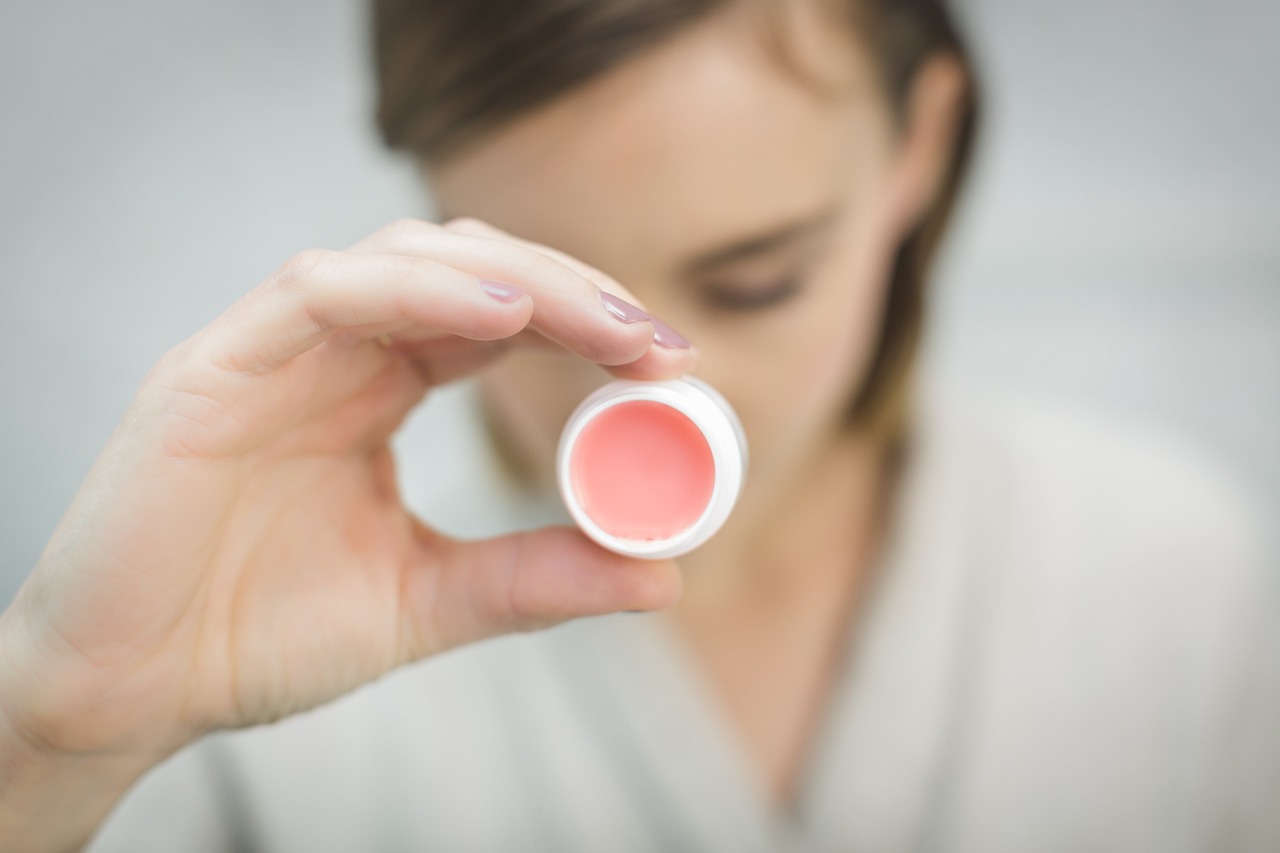
After washing, a fresh tattoo often feels tight. A light balm layer can ease that dry, pulling feeling, so you are not as tempted to scratch it. Keep the layer thin. If the tattoo still looks shiny, sticky, or wet long after application, there is too much product on the skin.
Moisture Support for Flaking Skin
Flaking is normal as the top layer heals. Cleveland Clinic guidance, updated in 2026, includes washing and moisturizing as part of routine tattoo care, often twice daily during the early weeks. Moisture helps the skin stay flexible, and that can make itching easier to handle. It does not mean flakes should be rubbed or peeled off.
A Simple Routine, Not a Cure
Balm does not kill every germ, fix poor studio hygiene, or stop an allergy to ink. The U.S. Food and Drug Administration has reported infections linked to contaminated tattoo inks, even when containers were sealed. That point is worth remembering because product care and studio safety both affect the final result.
How Do You Choose a Balm for Fresh Ink?
The label matters more than the tin, tube, or artwork on the pack. A small tin with a nice design is not automatically safer than a plain tube. For fresh work, choose a balm with a calm ingredient list that is easier on irritated skin.
Fragrance-Free Comes First
Fragrance can bother newly tattooed skin. Look for “fragrance-free,” not only “unscented,” because unscented products may still contain masking fragrance. If your skin reacts to lotions, shaving products, or laundry detergent, this detail matters even more.
Light Texture Beats Heavy Smearing
A balm should spread thinly without hard rubbing. Fresh tattooed skin does not need pressure, because rubbing can disturb flakes and make the area more irritated. Warm a rice-grain amount between clean fingers, tap it on, then spread it gently. For a palm-size tattoo, a pea-size amount may already be enough.
Short Ingredient Lists Are Easier
Simple formulas are easier to judge. Common balm ingredients may include shea butter, plant oils, panthenol, glycerin, or waxes. Natural does not always mean gentle, though. Essential oils, botanical extracts, and bee products can bother some people. If a formula reads like a garden catalog, do not take it at face value.
When Should You Start Using Tattoo Care Balm?
Timing depends on your artist’s bandage method. Traditional wrap, absorbent pads, and second-skin film all come with different instructions. Follow the artist’s timing first because they know the size, placement, color load, and skin trauma of your tattoo.
Follow the Artist’s Bandage Timing
Do not put balm under a bandage unless your artist told you to do that. Some films are designed to stay on for a set period. Pulling them off early can irritate skin, while leaving a leaking or loose bandage too long can trap fluid and debris. If the bandage fills, peels, or smells strange, contact the studio for advice.
Wash Before Each Small Application
Apply balm only after gentle cleaning and drying. Use clean hands, mild fragrance-free soap, and lukewarm water. Pat the area dry with a clean paper towel, then wait a few minutes so the skin is not wet. Balm over dirty or damp skin can feel greasy and may trap debris.
Use Less Than You Think
Many healing problems start with too much product. A tattoo should not be buried in balm. If lint sticks to it, clothes cling to it, or the surface looks like lip gloss, wipe the excess gently with clean tissue. A thin layer is usually enough to help dryness without smothering the area.
Can Tattoo Care Balm Help Color Stay Clear?
Balm will not turn weak ink into a clean piece, and it cannot undo sun damage later. Still, steady care can help the skin heal with less dryness, less scratching, and fewer avoidable problems. Clear color often comes from basic habits done consistently.
Moisturized Skin Looks Smoother
Dry skin can scatter light and make a tattoo look dull, especially during peeling. Once the tattoo has settled, regular moisture can keep the skin surface smoother. The American Academy of Dermatology advises applying a water-based lotion or cream when tattooed skin feels dry. That advice is about keeping tattooed skin healthy and vibrant over time.
Sun Protection Matters More Later
After the tattoo is fully healed, sun care becomes a bigger part of daily maintenance. The American Academy of Dermatology recommends broad-spectrum, water-resistant sunscreen with SPF 30 or higher and reapplication at least every two hours outdoors. A balm without sunscreen will not protect ink from ultraviolet light. For fresh tattoos, keep them out of direct sun until healed. See also: tattoo culture.
Picking Scabs Can Hurt Line Work
Picking is where many people lose patience. A sleeve under a hoodie, a calf tattoo rubbing on jeans, or a wrist piece near a watch can itch at the worst time. Do not pick. Pulling flakes too soon may take pigment with them or leave patchy spots. Loose clothing and a very small balm layer can make this stage easier to get through.
What Ingredients Should You Avoid or Treat Carefully?
No public database reliably ranks every tattoo balm by safety, and formulas change. So it is better to know which ingredient types need caution. If you have eczema, allergies, diabetes, immune issues, or a history of keloids, ask a healthcare professional before relying on general advice.
Heavy Perfume and Essential Oils
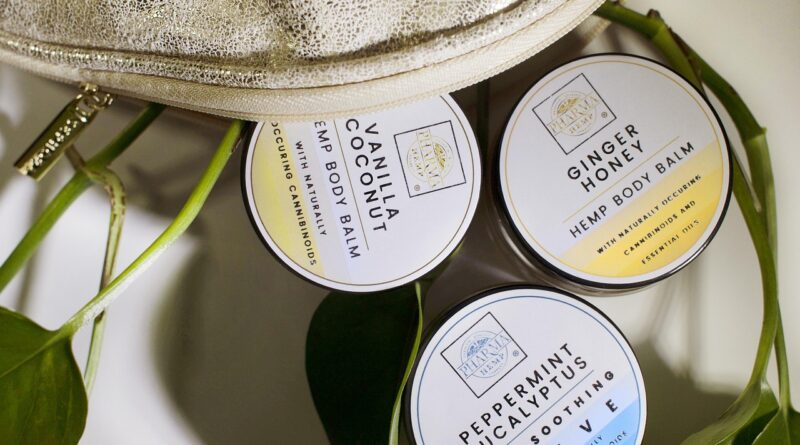
Perfume, menthol, peppermint, tea tree oil, citrus oils, and strong herbal blends can feel cooling at first. On broken or healing skin, they may irritate the area instead of helping it. A balm does not need to smell nice to work. For fresh ink, no strong smell is often the better sign.
Thick Petroleum Use on Fresh Ink
Petroleum-based products are handled differently in tattoo care. Some artists use them briefly, while others avoid them on fresh work. The American Academy of Dermatology warns that petroleum-based products, such as petroleum jelly, can cause tattoo ink to fade on tattooed skin. For fresh tattoos, ask your artist before using heavy petroleum products, and never cake them on.
Numbing Additives Without Advice
Skip balms with lidocaine, benzocaine, or strong cooling agents unless a professional specifically approves them. Numbing ingredients can hide pain that you should notice, and they may irritate sensitive skin. Pain that gets worse instead of better is not something to cover up with a stronger balm.
When Should You Call a Professional?
Normal healing can look rough for a while. Redness, mild swelling, tenderness, light oozing, itching, and flaking may happen. Even so, there is a line between normal healing and a problem that needs help. Do not wait for online comments to decide what to do with a hot, painful tattoo.
Spreading Redness or Heat
If redness spreads outward, the area feels hot, or pain increases after the first couple of days, contact your tattoo artist and a healthcare professional. Mayo Clinic notes that tattooing breaks the skin, which means infections and other health problems can develop afterward. Calling early can stop a small issue from turning into a longer one.
Rash, Bumps, or Fever
The FDA advises contacting a healthcare professional if a tattoo does not seem to heal, if a rash appears near it, or if fever develops. More serious infections may include high fever, chills, sweats, and the need for strong treatment. A rash can also point to an allergic reaction, and ink reactions may last because the pigment remains in the skin.
Slow Healing Beyond the Normal Window
Cleveland Clinic guidance says the top skin layer is typically healed around the two-month mark, while deeper layers may take several more months. If your tattoo stays open, weeps, forms thick yellow crust, or keeps getting worse, do not keep switching balms. Get it checked instead.
FAQ
Q1: Is Tattoo Care Balm Better Than Lotion?
A: It depends on the stage and your skin. Balm can feel better during early dryness because it is richer, while a light fragrance-free lotion may suit later daily care. Use a thin layer either way.
Q2: How Often Should You Apply Tattoo Care Balm?
A: Many people use it after washing, often one to two times daily, but your artist’s instructions come first. Apply it only when the tattoo feels dry or tight. Too much balm can irritate the area.
Q3: Can You Use Tattoo Care Balm on an Old Tattoo?
A: Yes, if the formula suits your skin. On healed tattoos, balm can reduce dryness and make the skin look smoother. Sun protection still matters more for long-term color care.
Q4: Should Tattoo Care Balm Sting?
A: No. Mild tenderness from the tattoo itself can happen, but the balm should not burn or sting. If it does, wash it off gently and stop using it.
Q5: What Is the Safest Tattoo Care Balm Choice for Sensitive Skin?
A: Choose a fragrance-free balm with a short ingredient list and no strong essential oils, dyes, or numbing additives. If you have a history of allergies or keloids, ask a dermatologist before using a new product on fresh ink.