
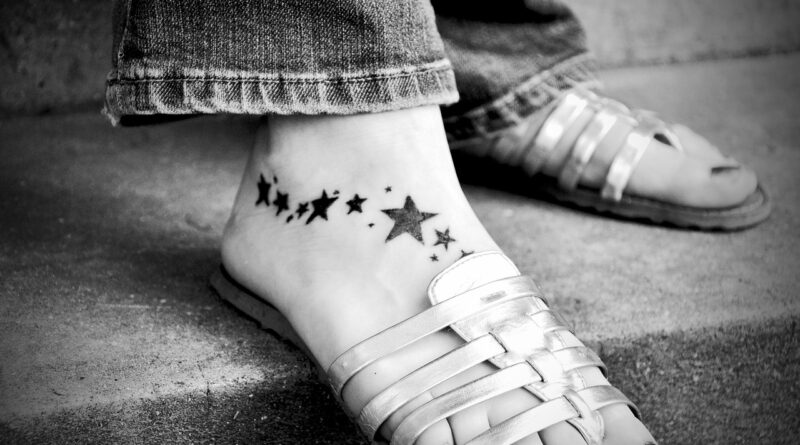
How Should You Handle Leg Tattoo Care Without Ruining the Healing?
Why Is Leg Tattoo Care Different from Other Tattoo Aftercare?
Good leg tattoo care starts with a simple point: your leg keeps moving even when the tattooed skin needs a break. The calf tightens, the shin brushes pants, the thigh rubs when you walk, and the ankle may puff up after a long workday. For the base routine, read this tattoo aftercare guide, then use the notes below for leg-specific issues like clothing, stairs, socks, shoes, and gym habits.
Tattoos are common now, so clear aftercare matters. Pew Research Center reported in August 2023 that 32% of U.S. adults had at least one tattoo, and 22% had more than one. A small care mistake can still affect a large visible piece on the thigh, calf, knee, or shin, so it is worth handling the first weeks with care. (pewresearch.org)
Leg Movement Adds Daily Friction
A leg tattoo sits on skin that stretches and shifts all day. A thigh piece moves when you sit, a calf tattoo pulls when you climb stairs, and a knee tattoo bends even during a normal shop run. This does not mean you need to stay in bed. It means the first few days should be kept plain and low pressure. Short walks are usually fine, but a long hike, heavy squats, or a packed concert can leave the area hot, sweaty, and sore.
Lower-Leg Swelling Can Slow Comfort
Lower-leg tattoos, especially around the ankle and shin, often feel tighter later in the day because fluid settles lower in the body. You may see a sock mark, feel heaviness, or notice light puffiness after standing for hours. Resting with the leg raised a little can make it more comfortable. Mild swelling is one thing, but swelling that gets worse, turns sharply painful, or comes with spreading redness should be treated as a warning sign.
Clothing and Shoes Create Extra Contact
Fresh leg tattoos rub against jeans, leggings, work pants, socks, boots, bedsheets, and sometimes pet hair. Loose, clean clothing sounds like basic advice, but it really helps during healing. For a thigh tattoo, soft shorts may work better than tight denim. For an ankle tattoo, low shoes may be easier than stiff boots. If your job requires uniforms or safety gear, try to book the appointment before days off when you can.
What Should You Do in the First 24 Hours?
The first day matters because tattooing breaks the skin barrier. The goal is not to keep touching the tattoo or checking it every hour. The real goal is to keep dirty hands, sweat, and unclean surfaces away from it. The FDA warns that infections can come from unhygienic practices or tattoo ink contaminated with bacteria, mold, or other microorganisms. CDC guidance from a 2012 multistate tattoo-associated infection report also stressed sterile ink, sterile water, and proper hygienic practice during tattooing. (fda.gov)
Clean Hands Before Any Touch
Wash your hands well before you touch the wrap or the skin around it. After an appointment, your hands may touch car doors, phones, payment terminals, keys, rideshare seats, and food bags before you even notice. Try not to lift the wrap or poke at the tattoo just to check it. Looking is fine, but extra touching is where many problems begin.
Careful Wrap Removal
Follow your artist’s timing for removing the bandage or second-skin film. Traditional wrap may come off sooner, while adhesive tattoo film may stay on longer if it is sealed well and feels comfortable. If the film leaks, rolls open, fills with too much fluid, or pulls on the skin, ask your artist before guessing. When it is time to remove it, peel slowly. If it sticks, use lukewarm shower water to loosen the edge instead of ripping it off dry.
Gentle Washing and Drying
After the first wrap comes off, wash the tattoo with clean hands, lukewarm water, and mild fragrance-free soap. Do not use a washcloth, scrub pad, or rough towel on fresh skin. Pat it dry with a clean paper towel or a fresh towel used only for that area. Let the skin sit for a short moment before applying product. A wet, shiny coat of ointment is too much, and a fresh tattoo does not need to look glazed.
How Should You Wash and Moisturize a Leg Tattoo?
A simple routine usually works better than a complicated one. Cleveland Clinic aftercare guidance recommends gently washing with soap and water twice a day and using a simple moisturizer or recommended ointment to help keep the tattoo from drying, cracking, or bleeding. The same source notes that surface healing can take weeks, while deeper skin layers may take several months. (health.clevelandclinic.org)
Mild Soap and Lukewarm Water
Use lukewarm water, not hot water. Hot water can make the leg feel more swollen and may sting fresh skin. A mild, fragrance-free liquid soap is usually the safer choice. Skip alcohol, hydrogen peroxide, strong acne washes, exfoliating acids, and scented body wash. These may feel extra clean, but fresh tattooed skin is already irritated. Clean skin is the aim, not stripped skin.
Thin Moisture Not Heavy Grease
Moisturizer should ease dryness, not cover the tattoo in grease. Use a thin layer and rub it in gently without pulling the skin. If your pants stick to the tattoo or the surface looks soggy, you likely used too much. During peeling, the flakes may look dull or cloudy. That does not mean the ink is falling out. Most of the time, it is only dead surface skin lifting away.
A Simple Twice-Daily Rhythm
Morning and night works for many people: wash, pat dry, wait briefly, then apply a thin layer. If you sweat during the day, rinse the area when you can and dry it well. Do not keep adding lotion over sweat and dust. For leg pieces under work clothes, cleaning the tattoo after you get home can make a clear difference.
What Should You Avoid While a Leg Tattoo Heals?
Avoiding certain things is the boring part of aftercare, but it protects the final result. The first weeks are not the time for lake water, tanning beds, tight boots, heavy leg day, or a fresh razor blade. Treat it as a short break from a few habits, not a major lifestyle change.
Swimming and Soaking
Skip pools, hot tubs, lakes, oceans, baths, and long soaking showers until the tattoo is fully closed and no longer peeling or scabbing. A quick shower is not the same as soaking. Shower water runs off, while soaking keeps the tattoo wet and exposed. Public water also adds a hygiene risk, and a new piece is not worth that risk.
Sun and Heat
Keep a healing leg tattoo out of direct sun. Fresh tattooed skin can burn faster, feel more sore, and heal with extra irritation. Once the tattoo is fully healed, the American Academy of Dermatology recommends broad-spectrum, water-resistant sunscreen with SPF 30 or higher on tattooed skin in the sun. This step is simple, but it matters if your leg is exposed often. (aad.org)
Scratching Picking and Shaving
Itching is common during healing, but picking is where damage often happens. Let flakes and scabs fall off on their own, even if one small edge looks ready. Do not shave over the tattoo until the skin is smooth, settled, and free from peeling. A razor can reopen small spots and move bacteria into the skin. If leg hair grows back during healing, leave it alone for now. A fuzzy calf for two weeks is not a real problem. See also: tattoo culture.
When Should You Worry About Infection or a Bad Reaction?
Some redness, warmth, swelling, tenderness, and clear fluid can be normal early on. The pattern is what matters. A healing tattoo should slowly feel calmer, not hotter and more painful each day. If symptoms move the wrong way, do not hide them with more ointment or wait a week because you feel awkward messaging the artist.
Redness That Spreads
A small red edge can happen after tattooing. Redness that spreads is different. If the red area grows outward, feels hot, throbs, or forms streaks, contact a healthcare professional. This is especially important for lower-leg tattoos because swelling can cover early signs until the area feels tight and painful.
Pus Fever or Severe Pain
Yellow or green discharge, a bad smell, fever, chills, or pain that keeps getting worse needs medical attention. Do not drain bumps at home. Do not use random antibiotic creams unless a clinician tells you to. A tattoo artist can explain what normal healing often looks like, but infection treatment should come from a licensed medical professional.
Rashes Bumps and Allergic Signs
A rash, raised bumps, strong itching, or swelling in one ink color may point to irritation or an allergic reaction. The FDA notes that people can develop infections or other reactions after tattooing and may need medical treatment. If the reaction is serious, spreads fast, or sits near a joint where movement hurts, get care sooner rather than later. Waiting too long can make the problem harder to handle. (fda.gov)
How Do You Keep a Leg Tattoo Looking Good Long Term?
Once the tattoo heals, care gets easier. The focus moves from wound care to normal skin care. Healthy skin helps lines stay clearer and color look better. A leg tattoo also gets plenty of sun in summer, so long-term habits matter more than many people expect.
Sunscreen After Healing
After the tattoo is fully healed, use sunscreen when your leg is exposed outdoors. Reapply during long days outside, especially if you sweat, swim, or wipe your skin with a towel. Sunscreen is not only about fading. It also protects the skin around the tattoo. The American Academy of Dermatology also notes that tattooed skin can make early signs of skin cancer harder to see, so watch any changing spot, mole, or patch. (aad.org)
Moisturized Skin and Gentle Clothing
Dry skin can make healed tattoos look flat or dull. A plain water-based lotion after showering can help the leg look smoother without making the tattoo greasy. If you often wear boots, shin guards, compression gear, or tight jeans, give the skin a break when possible. Constant rubbing will not ruin a healed tattoo overnight, but it can keep the skin irritated.
Smart Touch-Ups and Routine Checks
Some leg tattoos need small touch-ups after healing, especially near the knee, ankle, or other high-movement areas. Wait until the tattoo is fully settled and follow your artist’s touch-up policy. Also check the tattoo during normal skin checks. If a spot changes shape, bleeds, crusts without a clear reason, or looks different from the rest of your skin, book a medical visit.
FAQ
Q1: How Long Should Leg Tattoo Care Last? A: Basic aftercare usually lasts a few weeks, but deeper skin recovery can take longer. Keep washing and moisturizing while the tattoo flakes or feels dry, then move back to normal skin care once it is smooth and closed.
Q2: Can You Wear Jeans After a Leg Tattoo? A: Loose jeans may be fine after the first tender days, but tight denim can rub, hold sweat, and stick to peeling skin. Soft shorts or loose pants are better when you have the choice.
Q3: Can You Work Out After Getting a Leg Tattoo? A: Light walking is usually fine, but hard leg workouts, heavy sweating, and shared gym equipment are better avoided early. Ask your artist for timing based on size, placement, and wrap type.
Q4: When Can You Shave Over a Leg Tattoo? A: Wait until the tattoo is fully healed, smooth, and free from scabs or peeling. If the skin still feels tender or shiny, give it more time.
Q5: What Is the Biggest Leg Tattoo Care Mistake? A: The biggest mistake is doing too much: too much lotion, too much touching, too much sun, too much gym time, or too much tight clothing. Simple, clean, patient care usually gives the best result.