
How Should You Care for an Arm Tattoo for the Best Healing Results
Why Does Arm Tattoo Care Matter So Much?
arm tattoo care starts as soon as the bandage is on, because a new tattoo is also a fresh skin wound. The arm may seem like an easy spot to heal, but it touches sleeves, desks, gym gear, bedding, watch straps, and car seat belts all day. Steady care helps the color settle and lowers the chance of irritation. For a wider routine beyond arm placement, use the tattoo aftercare guide together with the written instructions from your artist.
Fresh Ink Is Broken Skin
A tattoo machine puts pigment under the top layer of skin through many small punctures. So the first few days are not only about keeping the design looking neat. They are about keeping a wound clean while the skin builds its barrier again. The U.S. Food and Drug Administration notes in its public tattoo safety guidance that tattoos may cause infections, allergic reactions, rashes, and other skin problems. Most people heal without trouble, but poor handling can turn a good forearm tattoo into a painful problem.
The Arm Moves All Day
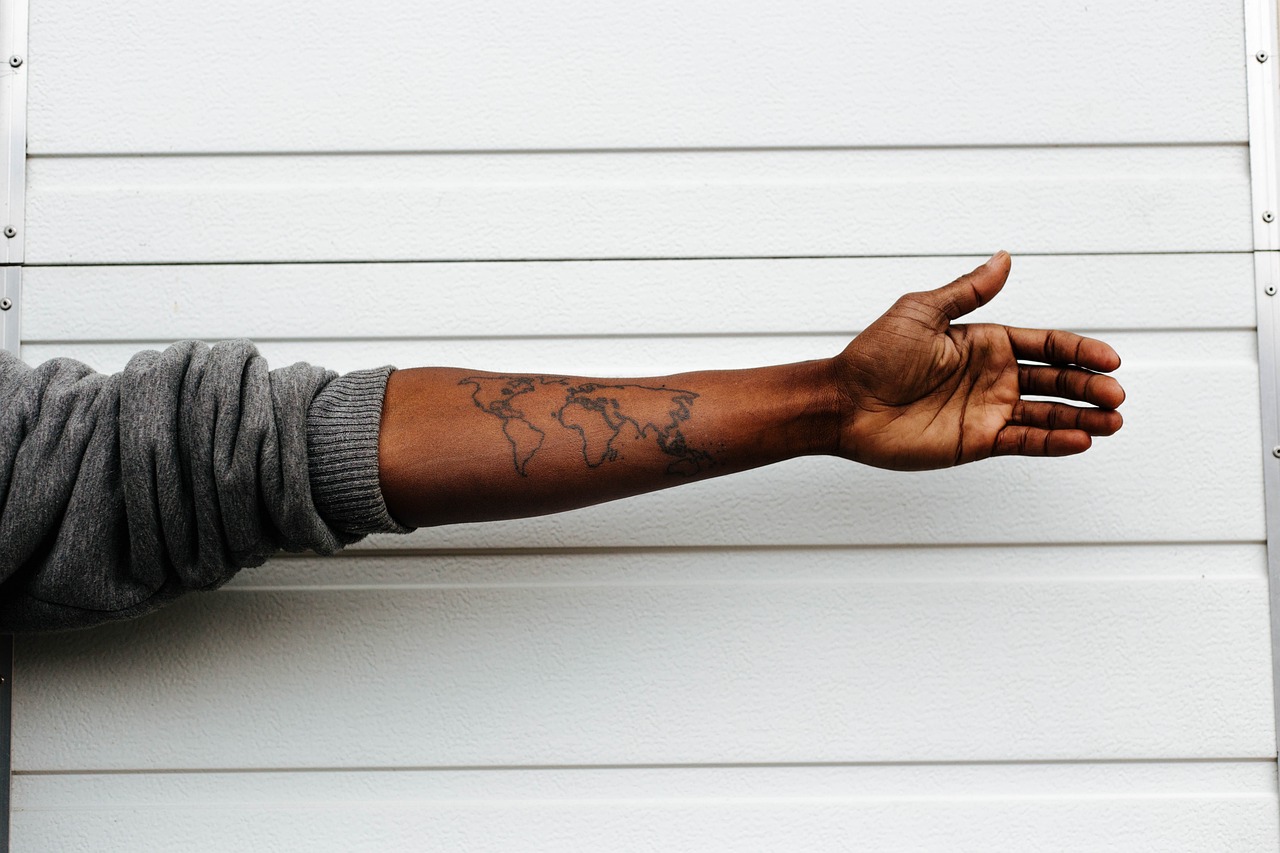
Your arm bends, stretches, sweats, and brushes against surfaces more than you may notice. A bicep tattoo can rub under a T-shirt sleeve, while a wrist tattoo can hit keyboards, bracelets, and cuffs. An inner arm tattoo sits on warmer, softer skin and may stay sore a little longer. That is why arm placement needs steady care, not fussy care. Keep it clean, keep product light, and do not keep checking it every hour. Simple care usually gives the skin a better chance to heal.
Good Care Protects Long-Term Color
The healing period affects how clean the tattoo looks later. If you pick flakes, soak the tattoo too early, or let tight clothes scrape it, loose pigment may come away and leave uneven spots. Sun exposure is another issue for long-term color. The American Academy of Dermatology recommends broad-spectrum, water-resistant SPF 30 or higher on tattooed skin once it is healed. That advice is not for a fresh open tattoo, but it matters after healing if you want the color to hold up.
What Should You Do in the First 24 Hours?
The first day is when small mistakes happen. People lift the wrap too soon, touch the tattoo without washing their hands, or put on too much ointment because they are worried. Keep the routine plain and calm. Your artist knows the bandage type used on your skin, so follow that timing before anything else.
Keep the Bandage on as Directed
Leave the original bandage or tattoo film on for the time your artist gave you. Traditional wrap may only stay on for a few hours, while a breathable tattoo film may stay longer depending on the brand and the artist’s method. Do not remove it early just to show people. The cover protects your fresh arm tattoo from rubbing, dirt in the air, and bumps on the way home.
Wash Hands Before Touching
Before removing the cover, wash your hands well with soap and water. Peel the bandage back slowly, and do not pull hard if it sticks. Use clean lukewarm water to loosen it if needed. A little ink, plasma, or fluid under the wrap can look odd, but it is common on the first day and does not mean you should scrub the tattoo.
Clean Gently and Pat Dry
Wash the tattoo with lukewarm water and a mild fragrance-free soap. Use clean fingers, not a washcloth, sponge, or loofah. Rinse away slippery residue, then pat the area dry with a clean paper towel or fresh towel. Do not rub it. Cleveland Clinic aftercare guidance says gentle washing and moisture are key early steps, and smaller arm tattoos often heal faster than large back or chest work. Faster healing still needs proper care.
How Should You Wash and Moisturize an Arm Tattoo?
For most arm tattoos, washing twice a day is enough. Some artists may suggest one extra wash after heavy sweating or dirty work. The point is to remove buildup without drying the skin out. If the tattoo starts feeling tight, hot, or overworked, the routine may be too much.
Use Mild Fragrance-Free Soap
Choose a plain liquid soap without fragrance, dyes, exfoliating beads, or strong acids. Scented bath products can sting and may irritate the skin. Bar soap is not always a problem, but shared bar soap can pick up bathroom grime. Wash with your fingers in small circles, rinse well, and keep shower water gentle. A hard shower spray can feel sharp on day two.
Apply a Thin Moisture Layer
After the tattoo is dry, apply a very thin layer of the product your artist recommends. The skin should look lightly moisturized, not shiny or greasy. Too much ointment can trap sweat and lint, especially on inner arms where the skin stays warmer. After the first few days, many people move to an unscented lotion, but the timing depends on the tattoo and the artist’s advice. If it still feels sticky after five minutes, you likely used too much.
Avoid Over-Cleaning and Heavy Ointment
Doing more is not always better for a healing tattoo. Washing six times a day can dry the skin and push it toward heavier scabbing. Thick ointment can soften scabs too much and catch dust from clothing or bedding. A simple rule works well: wash, dry, use a thin layer, then leave it alone. If a sleeve keeps rubbing the area, change to looser clothing instead of adding more product again and again.
What Should You Avoid While Your Arm Tattoo Heals?
A healing arm tattoo does not need you to stop normal life, but it does need limits. The first two to three weeks are the main period for avoiding soaking, direct sun, rubbing, and dirty contact. Your artist may extend that time for large color work, heavy blackwork, or skin that reacts easily.
No Swimming or Soaking
Short, gentle showers are fine. Baths, pools, hot tubs, lakes, and oceans are not the same. The Centers for Disease Control and Prevention says germs in pools and natural water can make people sick, and it advises people to stay out of water when they have open cuts or wounds. A new tattoo is open skin, so do not soak it until it is fully healed. Even a clean-looking pool is still not worth the risk.
Limit Sun and Heat
Fresh tattoos and direct sun do not mix well. Do not put sunscreen on an open or peeling tattoo unless a medical professional tells you to. Use loose, clean fabric to cover the area and stay out of strong sun while it heals. Heat can also add to swelling, so take care with saunas, very hot showers, and long outdoor workouts. Once the tattoo is healed, use SPF 30 or higher as the American Academy of Dermatology recommends.
Skip Scratching and Tight Sleeves
Itching often starts when the tattoo begins to flake. Do not scratch it, even if the itch shows up during work, travel, or sleep. You can tap lightly near the area or use a thin lotion layer if your artist allows it. Tight athletic sleeves, wool sweaters, watchbands, and compression gear can pull flakes off before the skin is ready. Loose cotton may not look special, but it works. See also: tattoo culture.
When Is an Arm Tattoo Healing Normally?
Normal healing does not always look neat. Your arm may look shiny, dull, flaky, or slightly wrinkled at different points. That can make a first tattoo feel worrying, but the trend matters more than one moment. If soreness and swelling slowly go down, the tattoo is usually moving in the right direction.
Days 1 to 3 Redness and Tenderness
During the first three days, some redness, warmth, mild swelling, and tenderness can be normal. The arm may feel like it has a sunburn. A small amount of fluid or ink staining can show on the first bandage. Keep the tattoo clean and avoid hard workouts that make the area throb. If the redness spreads fast or the pain gets worse instead of easing, do not ignore it.
Days 4 to 14 Peeling and Itching
Peeling often starts around day four or a bit later. The tattoo may look cloudy, dry, or slightly faded while the top layer sheds. Do not panic, and do not pick at it. This is the stage where people often damage linework by trying to help flakes come off. Let the flakes release on their own during washing and normal movement. A forearm tattoo may peel faster than an inner bicep tattoo because the skin and rubbing are different.
Weeks 3 to 8 Settling Skin
By week three, many arm tattoos look healed on the surface. The deeper skin may still be settling, though. Cleveland Clinic guidance notes that scabs and flakiness often improve around three weeks, while the top skin layer may look fully healed closer to the two-month mark. That is why touch-ups are usually not judged right away. Give the skin time before deciding that a line is too light.
When Should You Worry About Infection or Allergic Reaction?
Most redness and itching fade with basic care, but some signs need medical help. Tattoo infections are not only a cosmetic issue. A 2021 systematic review in Medicina Clínica summarized earlier studies estimating tattoo-related skin infection in about 0.5% to 6% of tattooed people, while also noting that published cases may not show the full picture. The real risk depends on studio practice, ink safety, skin condition, and aftercare.
Warning Signs Need Medical Care
Seek medical advice if you notice spreading redness, worsening swelling, strong pain, pus, red streaks, fever, or skin that feels hot and irritated. Do not try to drain bumps yourself, and do not cover pus with thick ointment. Sacramento County Environmental Management Department’s public aftercare advice lists severe redness, swelling, tenderness, red streaks, elevated body temperature, and purulent drainage as infection signs that call for care. It is better to ask early than wait until the skin looks worse.
Allergies Can Appear Later
An allergic reaction may show up as a rash, strong itching, bumps, or swelling. The FDA warns that ink reactions can happen, and some may appear later instead of on day one. Red pigment is known in tattoo circles for being difficult for some people, but reactions can happen with many colors. If one color rises, burns, or itches more than the rest, contact your artist and a health professional.
Contaminated Ink Is a Real Risk
Aftercare helps, but it cannot make unsafe ink or poor studio hygiene safe. The FDA’s June 2023 draft guidance on tattoo ink manufacturing states that contaminated tattoo ink can cause infections and serious injuries, including blisters, granulomas, and permanent scarring. Choose a licensed studio, ask about sterile needles, and follow the aftercare sheet you are given. A clean start makes the rest of the healing process easier.
FAQ
Q1: How Long Should Arm Tattoo Care Last? A: Treat your arm tattoo as healing for at least two to three weeks, then keep protecting it from strong sun. Large pieces or heavy shading may take longer before the skin feels fully settled.
Q2: Can You Work Out After Getting an Arm Tattoo? A: Light activity is usually fine if it does not rub, stretch, or soak the tattoo with sweat. Avoid heavy arm workouts for the first few days, and wash the area gently after sweating.
Q3: When Can You Wear Tight Sleeves Again? A: Wait until peeling and tenderness are gone. Tight sleeves can pull flakes off too early, so loose clean clothing is safer during the first one to two weeks.
Q4: Should You Cover an Arm Tattoo at Night? A: Follow your artist’s advice. If the original wrap is off, many tattoos heal best uncovered with clean bedding and loose clothing, unless your artist gave you a second-skin plan.
Q5: What Is the Biggest Arm Tattoo Care Mistake? A: Picking or scratching is one of the biggest mistakes. Soaking too soon and using too much ointment are also common problems. Keep the care simple, clean, and steady.