

Forearm tattoo care from day one to fully healed skin
Why forearm tattoo care needs a slightly different plan
Forearm tattoo care means protecting a fresh skin wound while allowing the arm to move normally. The basics are straightforward: follow your artist’s instructions, wash with clean hands and a mild fragrance-free cleanser, pat dry, moisturize lightly, avoid soaking, protect the tattoo from friction, and keep it out of direct sun while it heals.
The forearm is easier to see and clean than the back, ribs, or other hard-to-reach placements. It is also more exposed. Sleeves, watches, gym equipment, desk edges, sunlight, and frequent arm movement can all irritate healing skin. That makes consistent aftercare more important than a complicated product routine.
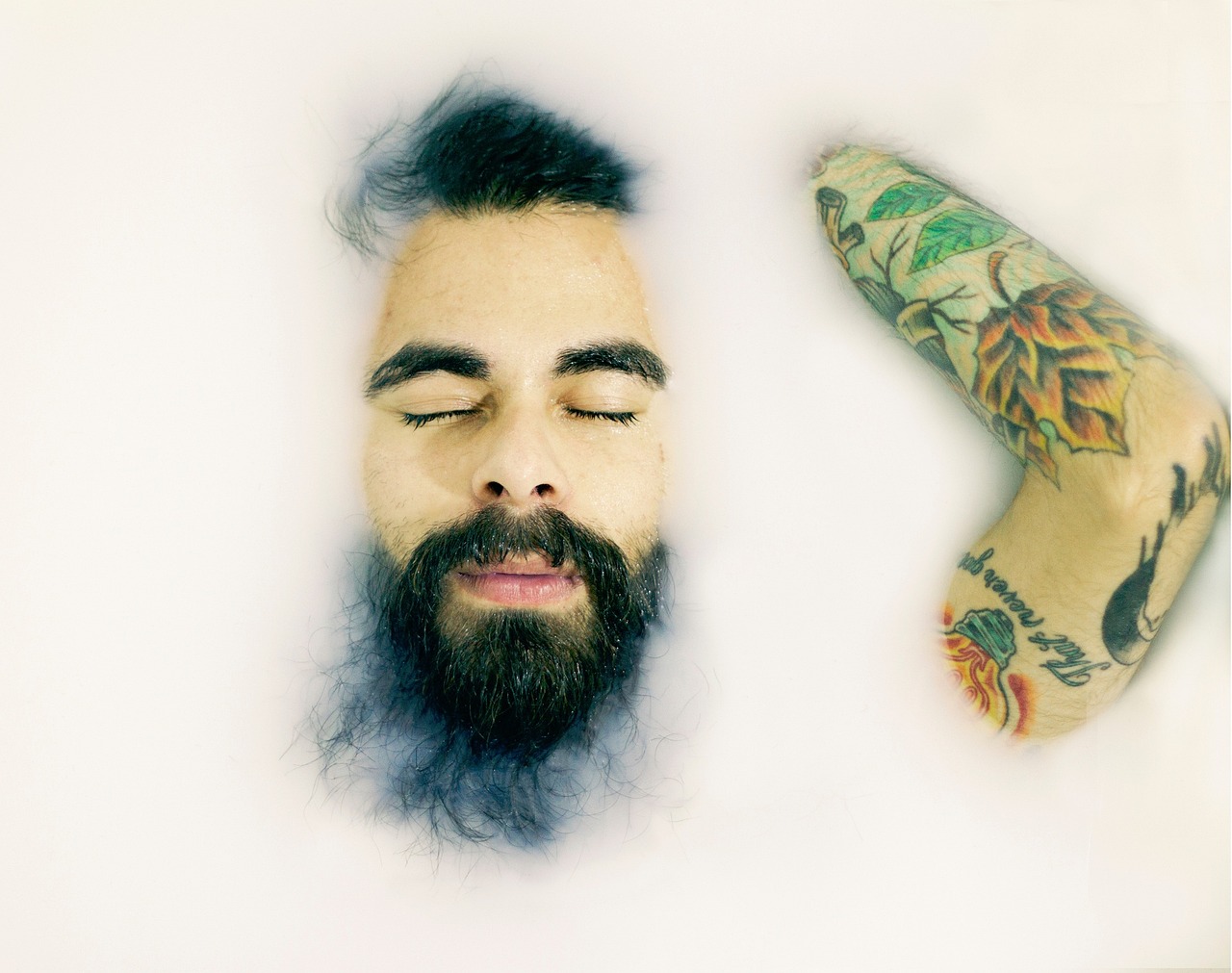
A new tattoo breaks the skin barrier, so the early goal is not to “speed up” healing. It is to reduce avoidable irritation and lower the chance of infection, heavy scabbing, color loss, or delayed healing. Dermatology sources such as the American Academy of Dermatology, Cleveland Clinic, Mayo Clinic, and the U.S. Food and Drug Administration describe infection, allergic reactions, scarring, and sun damage as realistic concerns after tattooing. This article applies that general guidance to the specific challenges of a forearm tattoo.
If you need a broader overview before focusing on arm placement, start with this tattoo aftercare guide, then use the steps below for forearm-specific care.
The first 24 hours after a forearm tattoo
The first day sets the tone for the rest of healing. A fresh forearm tattoo may leak a small amount of plasma, excess ink, or blood. Mild swelling, warmth, redness, and tenderness around the tattoo can be normal early on, especially after a larger piece, heavy shading, or color packing. The important question is whether symptoms improve over time rather than intensify.
Leave the initial bandage or second-skin dressing on for the amount of time your artist recommends. Artists use different dressings, and the correct removal time depends on the film, tattoo size, how much the area weeps, and your skin. Do not rewrap the tattoo with household plastic unless your artist has specifically told you to do so. Trapping moisture, sweat, and bacteria against a fresh tattoo can create avoidable problems.
When it is time to remove the covering, wash your hands first. Gently rinse the tattoo with lukewarm water, then use a small amount of mild, fragrance-free soap. Avoid scrubbing, washcloths, exfoliating gloves, and strong pressure. After rinsing, pat the area dry with a clean paper towel or a clean soft towel that will not shed lint. Let the skin air-dry briefly before applying aftercare product.
Use only a thin layer of the product recommended by your artist. A forearm tattoo should not look greasy, shiny, or coated. Too much ointment or lotion can soften scabs, trap debris, and make sleeves stick to the skin. The right amount usually leaves the tattoo comfortable but not wet.
A practical healing timeline for forearm tattoos
Healing does not follow the same schedule for everyone. Tattoo size, ink density, placement near the wrist or elbow, immune response, skin type, and aftercare habits all affect the timeline. Still, most forearm tattoos move through a predictable surface-healing pattern.
| Stage | What you may notice | Care priority |
|---|---|---|
| Day 0 to 1 | Tenderness, swelling, redness, weeping, mild warmth | Keep the original dressing on as instructed, then wash gently and apply a very thin layer of aftercare product |
| Days 2 to 4 | Less weeping, tightness, early dryness, possible dullness in the tattoo | Wash once or twice daily, moisturize lightly, avoid friction from sleeves, watches, and workouts |
| Days 5 to 14 | Flaking, peeling, itchiness, light scabbing, uneven texture | Do not pick or scratch; keep the skin lightly moisturized and protect it from rubbing |
| Weeks 2 to 4 | Peeling slows, surface looks smoother, tattoo may still appear slightly cloudy | Continue gentle care until the skin feels fully closed and calm |
| After surface healing | Skin feels normal, but deeper settling may continue | Use sun protection and regular moisturizing to help the tattoo age well |
Peeling does not mean your tattoo is falling out. It is part of surface skin renewal. The risk comes from interfering with it. Picking flakes or scabs can pull pigment, create patchy areas, and increase the chance of scarring. If a flake catches on clothing, trim the loose edge carefully with clean scissors rather than pulling it away from the skin.
How to wash and moisturize without overdoing it
Forearm tattoos are easy to reach, which helps with cleaning. It also makes them easy to over-handle. Repeated washing, constant lotion, and checking the tattoo every hour can irritate healing skin. Aim for steady, minimal care.
Washing
Wash your hands before touching the tattoo. Use lukewarm water, not hot water, which can increase irritation and make swelling feel worse. Apply a mild fragrance-free cleanser and move your fingertips gently across the tattoo. Rinse away all soap residue, then pat dry. Many artists recommend washing once or twice daily after the first cleaning, plus after obvious contamination such as heavy sweat or accidental contact with dirt.
Moisturizing
Moisturizer should reduce tightness, not smother the tattoo. The American Academy of Dermatology advises using a water-based lotion or cream when tattooed skin feels dry. For a fresh tattoo, choose a fragrance-free product unless your artist recommends something else. Avoid scented body lotions, exfoliating acids, retinoids, alcohol-heavy products, and random kitchen oils during healing.
If the tattoo becomes sticky, shiny, or develops soft raised areas after moisturizing, you may be using too much. Wash gently, pat dry, and use less next time. If the skin becomes extremely dry, cracks, or bleeds, ask your artist or a healthcare professional for guidance rather than adding several products at once.
Forearm-specific risks from clothing, work, sleep, and exercise
The forearm is active all day. It bends, rests on surfaces, brushes against fabric, and catches sunlight. Good aftercare means planning around those normal habits instead of treating the area as if it will stay untouched.
Clothing and accessories
Choose loose, clean sleeves during the first stage of healing. Tight cuffs, compression sleeves, wool, rough denim, watch straps, bracelets, and fitness trackers can rub the tattoo repeatedly. If the tattoo is near the wrist, skip tight bands until the skin is no longer tender or peeling. If you must wear long sleeves for work, use breathable fabric and change clothing if it becomes sweaty or dirty.
Desk work and manual work
Forearm tattoos often touch keyboards, desks, counters, boxes, steering wheels, tools, and gloves. Try not to rest the fresh tattoo directly on shared surfaces. If your job involves dust, grease, chemicals, animals, food handling, or outdoor labor, ask your artist how to protect the area without sealing it in moisture for long periods. A clean breathable barrier may be useful in some situations, but an airtight wrap worn too long can create problems. See also: tattoo culture.
Sleep
Use clean bedding and avoid sleeping with the fresh tattoo pressed into sheets, pets, or another person’s skin. If the tattoo sticks lightly to fabric, do not rip it away. Moisten the area with clean lukewarm water until the fabric releases, then wash and dry the tattoo gently.
Exercise
Light movement is usually fine, but heavy workouts can add sweat, friction, swelling, and accidental contact. Avoid exercises that drag the forearm across benches, mats, boxing gloves, barbells, turf, or shared gym equipment while the tattoo is fresh. If you sweat heavily, wash the tattoo gently afterward. Avoid swimming pools, hot tubs, lakes, baths, and saunas until the tattoo is fully healed, because soaking can soften healing skin and expose it to microbes.
Sun protection and long-term color care
Sun exposure is one of the biggest long-term challenges for forearm tattoos because the area is often uncovered. During healing, keep the tattoo out of direct sun. Do not apply sunscreen to an open, peeling, or scabbing tattoo unless a qualified professional has told you to; sunscreen is for intact skin, not a fresh wound.
Once the tattoo is fully healed, sun protection becomes part of regular tattoo care. The American Academy of Dermatology recommends broad-spectrum, water-resistant sunscreen with SPF 30 or higher for tattooed skin when exposed to the sun. Covering the forearm with UPF clothing or a loose long sleeve is also useful during long outdoor sessions.
Moisturizing after the tattoo has healed can help the skin look smoother, but it does not replace sun protection. A tattoo that is repeatedly sunburned is more likely to look dull over time. This matters especially for black-and-gray realism, fine-line work, color gradients, and pieces with small details.
Normal healing signs vs warning signs
Some discomfort is expected after tattooing. A forearm tattoo may feel sore, tight, itchy, dry, or slightly raised during healing. It may also look cloudy or less sharp while peeling. These changes should gradually improve.
Warning signs need prompt attention. Contact your artist for tattoo-specific advice if you are unsure whether the appearance is normal, but contact a healthcare professional promptly if symptoms suggest infection or an allergic reaction. Concerning signs include spreading redness, worsening swelling after the first couple of days, increasing pain, pus, red streaking, fever, chills, a bad smell, or skin that becomes hot and increasingly tender. The FDA and major medical sources note that infections and allergic reactions can occur after tattoos, and some reactions can appear later rather than immediately.
Also be careful with raised scars. Mayo Clinic and other medical sources describe keloids as a possible response to skin injury, including tattooing. If you already know you form keloids or thick scars, discuss that history before getting additional work, especially on visible areas like the forearm.
Common forearm tattoo care mistakes to avoid
- Picking flakes or scabs: Let peeling skin detach naturally.
- Using too much ointment: A heavy coating can keep the area overly wet and irritated.
- Returning to swimming too soon: Wait until the tattoo is fully healed and no scabs or peeling remain.
- Letting sleeves rub all day: Choose soft, loose, clean fabric while the tattoo is tender.
- Wearing a watch over a wrist-side tattoo: Friction and trapped sweat can delay healing.
- Applying sunscreen too early: Use sun avoidance and loose clothing first; use sunscreen after the skin has closed.
- Ignoring worsening symptoms: Normal healing should trend better, not worse.
Frequently asked questions
How long does a forearm tattoo take to heal?
The surface often looks much better within two to four weeks, but the timeline varies. A small fine-line tattoo may calm down quickly, while a large shaded or color piece can peel and feel sensitive for longer. Continue aftercare until the skin is smooth, closed, and no longer flaking.
Can I wear long sleeves over a new forearm tattoo?
Yes, if the fabric is clean, soft, loose, and breathable. Avoid tight cuffs, rough material, and clothing that sticks to the tattoo. Change sweaty or dirty sleeves as soon as possible.
When can I work out after a forearm tattoo?
Ask your artist because the answer depends on the size and location of the tattoo. In general, avoid workouts that cause heavy sweat, rubbing, stretching, or contact with shared equipment during the earliest healing stage. If you exercise lightly, clean the area afterward.
Should I cover my forearm tattoo in the sun?
Yes. Keep a fresh tattoo out of direct sun while it heals. After it has fully healed, use SPF 30 or higher broad-spectrum sunscreen or protective clothing when the forearm will be exposed.
Is itching normal?
Mild itching is common as the tattoo dries and peels. Do not scratch it. Light moisturizer, loose clothing, and cool indoor conditions can help. If itching comes with spreading rash, blisters, severe swelling, or worsening redness, seek professional advice.
The bottom line
A forearm tattoo is not hard to care for, but it is easy to irritate because it is exposed throughout the day. Keep the routine simple: clean hands, gentle washing, light moisturizing, loose clothing, no soaking, no picking, and no sun on healing skin. Once healed, sunscreen and steady skin care do more for long-term appearance than any complicated product routine. If pain, heat, swelling, redness, or drainage gets worse instead of better, treat it as a health issue rather than a normal part of tattoo healing.