

Back tattoo care guide for cleaning, sleeping, and healing
Back tattoo care starts with clean skin, low friction, and patience
Back tattoo care takes more planning than care for a smaller tattoo. The area is hard to see, easy to rub with clothing, and often pressed against bedding, car seats, or chairs. The basics still apply: follow your artist’s bandage instructions, wash the tattoo gently with clean hands, keep it lightly moisturized when appropriate, avoid soaking and direct sun while it heals, and watch for irritation that is getting worse rather than better.
A fresh tattoo is a controlled skin wound with pigment placed into the skin. In the first few days, the goal is not to make the tattoo look shiny. It is to protect the skin barrier while it closes. Large back pieces, spine tattoos, shoulder blade designs, and lower back tattoos may heal at different speeds because clothing, sweat, sleep position, and movement affect each area differently.
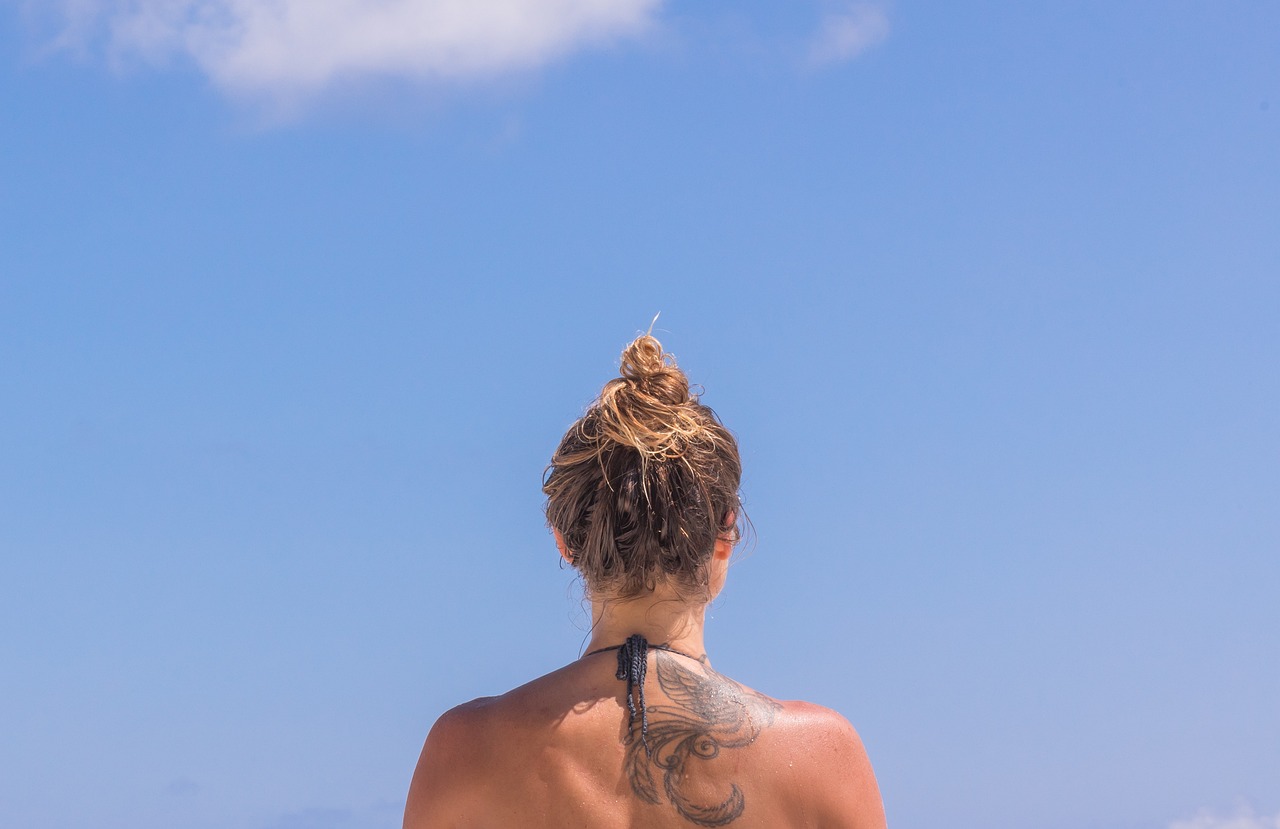
This guide focuses on practical care for back tattoos after you leave the studio. For a broader routine covering new tattoos in general, see our tattoo aftercare guide.
Why back tattoos need a slightly different aftercare plan
The back gives artists a wide, relatively flat canvas, but that advantage creates aftercare challenges. A back tattoo can be large enough that you cannot comfortably reach every edge when cleaning or moisturizing. It may also sit under shirt fabric all day, press against a car seat, rub against bra bands or backpack straps, and collect sweat during sleep or exercise.
The main issue is not that back tattoos are automatically more dangerous. It is that small problems are easier to miss. You may not notice that one corner is too dry, one section has stuck to fabric, or a strap is irritating a line until the area feels sore. If possible, use a clean mirror or ask someone you trust to check the tattoo without touching it. Any help with moisturizing should happen only after thorough handwashing.
Dermatology and public health guidance generally points to the same fundamentals: keep the area clean, avoid unnecessary irritation, avoid soaking the tattoo before it is healed, and seek medical advice if there are signs of infection or an unusual reaction. For back tattoos, the challenge is turning those broad rules into daily habits.
A realistic back tattoo healing timeline
Healing time varies by tattoo size, shading density, placement, skin type, and the aftercare method your artist recommends. A small upper back tattoo may settle faster than a full back piece with heavy color packing. Use the timeline below as a practical guide, not as a guarantee that every tattoo will heal on the same schedule.
| Stage | What may be normal | Back-specific care focus |
|---|---|---|
| First day | Redness, warmth, tenderness, plasma or light fluid under the bandage | Keep the original dressing in place for the time your artist gave you and avoid pressure from tight clothing or seats |
| Days 1 to 3 | Soreness, mild swelling, light weeping, sensitivity when stretching | Wash gently, pat dry, apply a very thin layer of aftercare product, and wear loose clean fabric |
| Days 4 to 14 | Dryness, flaking, peeling, itching, duller-looking ink | Do not scratch or pick. Keep friction low around shoulders, waistbands, bra lines, and backpacks |
| Weeks 3 to 4 and beyond | Surface may look healed while deeper skin is still settling | Resume activities gradually, protect from sun, and keep monitoring any persistent bumps, rash, or tenderness |
A tattoo often looks worse before it looks better. Peeling and a cloudy surface can be part of normal healing. What is not normal is worsening pain, spreading redness, heat that increases instead of fades, pus-like drainage, fever, or a rash that continues to expand.
How to clean and moisturize a fresh back tattoo
Your artist’s instructions should come first because bandage type matters. Traditional wrap, absorbent pads, and adhesive second-skin films are not handled the same way. If your artist used an adhesive film, do not remove it early unless it leaks, peels open, traps dirty fluid, causes a reaction, or your artist tells you to change it.
Washing without overworking the skin
When it is time to wash the tattoo, use clean hands, lukewarm water, and a mild fragrance-free cleanser. Do not scrub with a washcloth, sponge, loofah, or exfoliating glove. Those tools can pull at tender skin and introduce bacteria. If the tattoo is hard to reach, let clean water run over the area and use your fingertips only where you can comfortably reach.
After washing, pat the tattoo dry with a clean paper towel or a freshly laundered soft towel. Do not rub. For a large back tattoo, air drying for a few minutes before dressing can help reduce trapped moisture. Avoid standing in a dusty room, near pets, or against furniture while the skin is exposed.
Moisturizing without smothering the tattoo
Use a thin layer of the product your artist recommended, or a simple fragrance-free lotion once the tattoo reaches the stage where lotion is appropriate. The goal is comfort and flexibility, not a glossy coating. Too much ointment can trap moisture and debris, especially across the back where clothing rests against the skin.
If you cannot reach part of the tattoo, do not twist aggressively and scrape the skin. Use a clean applicator only if it can be sanitized and controlled, or ask someone with clean hands to apply a small amount. Never share jars or dip unwashed fingers into aftercare products.
Sleeping, clothing, and daily movement
Sleep is one of the biggest back tattoo care challenges because the tattoo may be pressed into sheets for hours. For the first few nights, sleep on clean bedding and avoid letting pets sleep against the fresh tattoo. If you normally sleep on your back, try side sleeping or a slightly angled position if it is comfortable. For a full back tattoo, complete pressure avoidance may not be realistic, so focus on cleanliness, breathable fabric, and gentle movement.
If your shirt or sheet sticks to the tattoo, do not yank it away. Moisten the fabric with clean lukewarm water until it releases. Pulling dry fabric from healing skin can remove flakes too early and irritate the tattoo.
Choose clothing that reduces friction
Loose, clean cotton shirts are usually easier on a healing back tattoo than tight synthetic fabrics. Darker clothing can be practical during the first days because a fresh tattoo may release small amounts of fluid or excess ink. Avoid rough seams, compression tops, and fabrics that shed lint.
Placement matters. Upper back and shoulder blade tattoos can be irritated by backpack straps, seat belts, and gym bags. Mid-back tattoos may rub against fitted shirts and chairs. Lower back tattoos can be irritated by waistbands, belts, leggings, and denim. If your tattoo crosses a bra line, ask your artist what they recommend for your specific placement. When possible, choose a soft, clean, loose option that does not press directly on the tattoo.
Be careful with workouts and sweat
Exercise increases sweat, friction, and movement. A light walk is different from a long gym session, hot yoga class, cycling workout, or contact sport. During the early healing phase, avoid activities that make the back tattoo rub repeatedly or stay wet with sweat. If you do sweat, wash and dry the tattoo gently as soon as practical. See also: tattoo culture.
Back tattoos across the shoulders and spine can feel tight during stretching. Move normally, but do not force deep stretches that pull the skin sharply while it is scabbing or peeling.
What to avoid while a back tattoo heals
Many healing problems come from doing too much. A back tattoo does not need heavy cleaning, harsh products, or constant touching. It needs a stable environment where the skin can close and flakes can shed naturally.
| Avoid | Why it matters | What to do instead |
|---|---|---|
| Swimming, baths, hot tubs, and soaking | Soaking can soften healing skin and expose the tattoo to microbes | Take short showers and keep the tattoo from sitting under strong water pressure |
| Direct sun on a fresh tattoo | Fresh tattooed skin is vulnerable to irritation and healed ink can fade with UV exposure | Cover with loose clothing while healing; use broad-spectrum SPF 30 or higher after the skin has healed |
| Scratching or picking flakes | Picking can irritate skin and may disturb healing areas | Use light moisturizer if approved by your artist and tap around the area instead of scratching |
| Heavy ointment layers | Too much product can trap moisture and make clothing stick | Apply a thin, even layer only when needed |
| Alcohol, hydrogen peroxide, or harsh exfoliants | Harsh products can dry or irritate healing skin | Use mild cleanser and lukewarm water |
| Backpacks and tight straps | Repeated rubbing can inflame lines and scabs | Use hand-carried bags or adjust straps away from the tattoo when possible |
One common question is whether sunscreen can be used on a new back tattoo. On a fresh tattoo that is still open, peeling, scabbing, or sensitive, covering with loose clothing is usually the safer sun strategy. Once the tattoo has fully healed, dermatology guidance commonly recommends broad-spectrum, water-resistant sunscreen with SPF 30 or higher to help reduce fading and protect skin.
Normal healing versus signs that need attention
Some discomfort is expected. A fresh tattoo may feel warm, tight, swollen, itchy, or tender. It may peel like a sunburn and look dull for a while. These symptoms should move in the right direction. The key question is not whether the tattoo feels different from normal skin; it is whether the area is improving.
Contact a healthcare professional promptly if you notice spreading redness, worsening swelling, increasing warmth, severe pain, pus-like drainage, red streaking, fever, chills, or a rash that spreads beyond the tattoo. Also seek advice for persistent bumps, blisters, or intense itching, especially if the reaction appears in one ink color or develops after the first few days.
It is worth knowing that not every tattoo problem is caused by poor aftercare. Public health sources, including the U.S. Food and Drug Administration, have warned that tattoo inks can sometimes be contaminated, even when containers appear sealed. Studio hygiene, ink handling, individual skin response, allergies, and aftercare all play roles. If something looks wrong, do not rely only on internet images or advice from friends; get an appropriate medical opinion.
If you are unsure whether the tattoo is simply irritated by clothing or showing early infection signs, reduce friction immediately, keep the area clean, and contact your artist or a clinician. Do not apply antibiotic ointment, steroid cream, or home remedies unless a qualified professional advises it for your situation.
Long-term care after the back tattoo has healed
After the surface has fully healed, your care routine shifts from wound protection to skin maintenance. Moisturize dry skin, avoid tanning beds, and use sun protection when the tattoo is exposed. UV exposure is one of the clearest long-term factors that can make tattooed skin look faded or uneven over time.
Because back tattoos are hard to inspect, make a habit of checking them in good light. If the tattoo covers moles, scars, or areas with many freckles, pay attention to changes in the surrounding skin. Dermatology organizations caution that tattoos can make it harder to notice early skin changes, so do not ignore a spot that changes shape, color, size, or behavior.
Touch-ups should wait until the tattoo is fully healed and the artist can see how the pigment settled. For a large back piece completed in sessions, follow the artist’s timing between appointments. Returning too soon can overwork skin that has not recovered.
Frequently asked questions
Can I shower after getting a back tattoo?
Yes, once your artist says it is okay to remove or wet the bandage. Keep showers short, use lukewarm water, and avoid blasting the tattoo with strong water pressure. Do not soak in a bath, pool, hot tub, lake, or ocean until the tattoo is healed.
How should I sleep with a new back tattoo?
Use clean sheets and try to avoid direct pressure when possible. Side sleeping may help for upper or lower back tattoos, but a full back piece may still touch bedding. The priority is clean fabric, gentle movement, and not tearing away anything that sticks.
Can I wear a bra after a back tattoo?
It depends on placement. If the tattoo sits under straps or the band, friction may irritate it. Ask your artist before leaving the studio and consider soft, loose, clean alternatives during the early healing period if they are practical for you.
When can I work out after a back tattoo?
Light movement may be fine, but avoid workouts that create heavy sweat, repeated back friction, stretching, or pressure during the first stage of healing. Resume gradually and clean the tattoo gently if you sweat.
Is itching normal while a back tattoo heals?
Mild itching is common during peeling and dryness. Do not scratch. If itching is severe, comes with spreading redness, bumps, blisters, or swelling, or does not improve, get professional advice.