
A practical tattoo care routine for the first month and beyond
A simple routine for clean healing
A good tattoo care routine is straightforward: keep the new tattoo clean, lightly moisturized, protected from friction, and away from sun and soaking water until the skin has fully healed. A fresh tattoo is a controlled skin injury, so the first few weeks are mostly about consistency rather than complicated products. Wash gently, dry carefully, apply only a thin layer of a suitable moisturizer or artist-recommended ointment, and avoid picking at flakes or scabs. After the surface has healed, long-term care shifts toward sunscreen, hydration, and monitoring the skin. This guide is educational and should not replace instructions from your licensed tattoo artist or a healthcare professional.
If you want a shorter checklist before reading the full guide, see our related tattoo aftercare resource for quick care reminders.
Why a routine matters after a tattoo
Tattooing places pigment into the skin with needles, which temporarily disrupts the skin barrier. Aftercare is therefore about both the artwork and basic wound hygiene. Redness, warmth, mild swelling, and tenderness can be normal soon after a session, particularly with large pieces or tattoos in areas that move often. The concern is when symptoms worsen instead of gradually improving.
Public health and dermatology sources, including the U.S. Food and Drug Administration and the American Academy of Dermatology, consistently emphasize two points. Infections and allergic reactions can happen after tattooing, and the long-term appearance of a tattoo is affected by skin health, ultraviolet exposure, and how irritation is managed during healing. A routine cannot guarantee a perfect heal, but it can reduce common avoidable problems such as over-washing, heavy ointment buildup, early sun exposure, and picking at peeling skin.
The right routine should also be realistic. Most people do not need a shelf full of products. They need clean hands, mild fragrance-free soap, clean towels or disposable paper towels, a light moisturizer approved by the artist, loose clothing, and patience.
The first 24 hours
The first day is when many aftercare mistakes happen because the tattoo may feel tender, swollen, or leaky. Your artist should apply an initial bandage or protective film and explain when to remove it. Follow that timing, because studios use different coverings. Traditional wraps are often removed sooner, while medical-style adhesive films may be left on longer if they stay sealed and comfortable.
Before removing the cover
Wash your hands thoroughly before touching the tattoo or the covering. If the bandage sticks, do not rip it off. Loosen it slowly in a clean environment. If an adhesive film causes intense itching, spreading redness, blisters beyond the tattooed area, or a rash that looks like an adhesive reaction, contact your artist and consider medical advice if symptoms are significant.
First wash
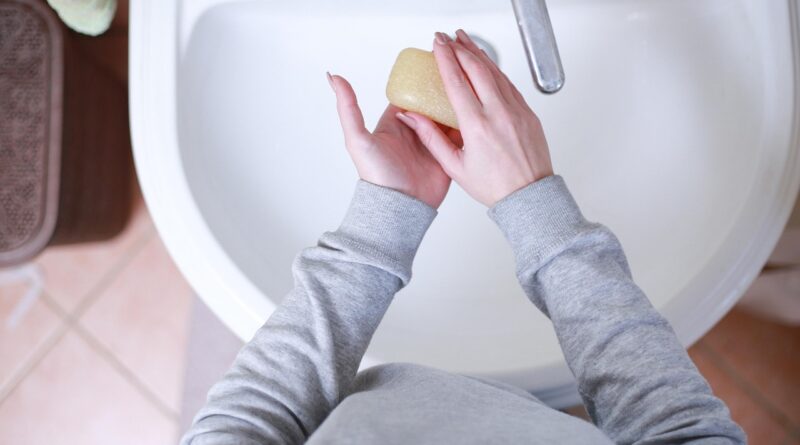
Use lukewarm water and a mild, fragrance-free cleanser. Do not scrub. Let the water loosen dried plasma or excess ink, then clean the area gently with your fingertips. Rinse well so no soap remains on the skin. Pat dry with a clean paper towel or a freshly laundered towel reserved for the tattoo. Avoid rubbing, because friction can irritate already sensitive skin.
First moisturizer layer
Once the area is dry, apply a very thin layer of the product your artist recommends. The tattoo should not look wet, greasy, or covered in a thick film. Too much ointment can trap moisture and debris, while too little care can leave the skin tight and prone to cracking. If the product beads up heavily or stains clothing, you probably used too much.
Day-by-day tattoo care routine
Healing time varies by tattoo size, placement, shading, color saturation, skin type, and overall health. Many tattoos look mostly settled after two to four weeks, but deeper skin recovery can continue longer. Use the timeline below as a practical guide, not a rigid medical rule.
| Stage | What you may notice | Routine focus | What to avoid |
|---|---|---|---|
| Day 1 | Tenderness, redness, swelling, fluid, excess ink | Follow covering instructions, wash gently, apply a thin product layer | Touching with unwashed hands, rewrapping without guidance, heavy ointment |
| Days 2-3 | Less fluid, tightness, early dryness | Wash once or twice daily as instructed, moisturize lightly | Scrubbing, scented lotions, gym equipment contact, tight clothing |
| Days 4-7 | Peeling, flaking, itching | Keep skin comfortable with light moisturizer | Picking flakes, scratching, shaving over the tattoo |
| Week 2 | Reduced peeling, dull or cloudy surface | Continue gentle cleansing and hydration | Swimming, soaking, tanning, harsh exfoliants |
| Weeks 3-4 | Surface may look healed, texture improves | Transition to normal gentle skin care if fully closed | Assuming sun exposure is harmless, ignoring lingering irritation |
| After healing | Stable color and texture | Use sunscreen, moisturize as needed, monitor skin changes | Tanning beds, repeated sunburn, abrasive skin treatments over the tattoo |
A common routine is to wash the tattoo gently once or twice a day during early healing and moisturize lightly when the skin feels dry. Some artists prefer a specific ointment for the first few days, then a fragrance-free lotion. Others recommend moving to lotion sooner. The main point is to avoid overcomplicating the process or changing products repeatedly because of normal peeling.
Products that usually make sense
The safest product choices are simple: mild, fragrance-free, non-abrasive, and easy to rinse. Fresh tattoos do not need acids, retinoids, exfoliating scrubs, essential oils, tanning lotions, or heavily perfumed creams. Even products that are fine for normal skin may sting or irritate a healing tattoo.
Cleanser
Choose a gentle fragrance-free liquid cleanser or mild soap. Wash with fingertips rather than a washcloth, sponge, or brush. Avoid antibacterial soaps unless your artist or clinician specifically recommends one, because harsh formulas may dry or irritate healing skin.
Moisturizer
A light, fragrance-free lotion or cream is usually appropriate once the tattoo is no longer actively weeping. Dermatology guidance commonly favors water-based moisturizers for tattooed skin that feels dry. Petroleum-heavy products can be too occlusive for some healing tattoos and may not be ideal for long-term color care, although individual artists may recommend small amounts of certain ointments during the earliest phase. If your artist gives product-specific instructions, follow them unless your skin reacts poorly.
Clothing and bedding
Loose, clean clothing matters more than many people expect. Tight waistbands, bra straps, sleeves, socks, or athletic compression wear can rub away flakes before they are ready to shed. For sleep, use clean sheets and avoid letting pets sleep directly on or lick a fresh tattoo. If the tattoo sticks lightly to fabric, loosen it with clean water instead of pulling.
What not to do while the tattoo heals
Most aftercare problems come from doing too much or returning to normal activities too quickly. During the open and peeling stages, avoid anything that adds contamination, friction, heat, or ultraviolet stress. See also: tattoo culture.
- Do not soak the tattoo. Showers are usually fine, but baths, hot tubs, pools, lakes, oceans, and long soaking sessions should wait until the tattoo is fully healed.
- Do not pick scabs or flakes. Peeling skin should come off naturally. Pulling it away can irritate the skin and may affect the final appearance.
- Do not expose a fresh tattoo to direct sun. Freshly tattooed skin is vulnerable. Cover it with loose clothing rather than applying sunscreen to broken or actively peeling skin.
- Do not shave over the tattoo until healed. Razors can lift healing skin and introduce irritation.
- Do not use alcohol, hydrogen peroxide, or harsh antiseptics as routine care. These can dry and irritate the area unless a clinician has told you otherwise.
- Do not restart intense workouts too quickly if they rub or soak the tattoo in sweat. Sweat itself is not the only issue; friction, shared gym surfaces, and tight clothing can add risk.
If your job involves dust, chemicals, sun, pool water, or heavy sweating, plan the tattoo timing carefully. A tattoo on the hand, wrist, foot, ankle, rib, or joint area may need extra protection because those areas move often or come into contact with clothing and surfaces.
Sun protection after the surface has healed
Sun care is part of tattoo care, not an optional beauty step. Ultraviolet exposure can fade some tattoo pigments over time and can also damage the surrounding skin. Once the tattoo is fully healed and the skin is closed, use a broad-spectrum, water-resistant sunscreen with SPF 30 or higher when the tattoo will be exposed. Apply it before going outside and reapply during prolonged exposure, especially after sweating or swimming.
Before the tattoo has healed, sunscreen is not the main solution. The better choice is shade and loose, clean clothing that blocks direct sunlight without rubbing the skin. Do not use tanning beds on new or healed tattoos. Tanning increases ultraviolet exposure and can make tattooed skin harder to monitor for changes.
There is also a health reason to look closely at tattooed skin. Dark ink, dense designs, and large color fields may make it more difficult to notice changing moles or early skin changes. If you have many moles, a history of skin cancer, or a changing spot within a tattoo, ask a dermatologist to evaluate it rather than assuming the tattoo explains the change.
Warning signs that need attention
Some discomfort is expected, but the overall trend should be improvement. If the tattoo becomes more painful, more swollen, or more inflamed after the first few days, treat that as a signal to check in with your artist and, when appropriate, a healthcare professional. The FDA notes that tattoo reactions can include infections, allergic reactions, rashes, bumps, and symptoms that may appear soon after tattooing or later.
| Symptom | Why it matters | Suggested response |
|---|---|---|
| Spreading redness, increasing warmth, or worsening swelling | May suggest infection or significant inflammation | Contact a healthcare professional, especially if it worsens quickly |
| Pus, bad odor, or open painful areas | Can indicate infection | Seek medical advice promptly |
| Fever, chills, sweats, or feeling very unwell | May indicate a more serious infection | Get urgent medical care |
| Rash, bumps, or intense itching limited to one color | May suggest an ink reaction or allergy | Contact a clinician and tell your artist the ink color involved |
| Raised scar tissue that keeps growing | May be keloid or hypertrophic scarring | Ask a dermatologist, especially if you have a history of keloids |
If you suspect an ink-related reaction, keep details such as the studio, date, ink colors, and any batch information your artist can provide. In the United States, the FDA accepts reports of adverse reactions related to tattoo ink and permanent makeup. Reporting does not replace medical care, but it can help regulators identify broader product safety issues.
Frequently asked questions
How often should I wash a new tattoo?
Many aftercare instructions recommend gentle washing once or twice daily during early healing, but your artist’s directions should come first. Wash more only if the tattoo becomes dirty or sweaty, and avoid repeated cleansing that leaves the skin tight or irritated.
When can I swim after getting a tattoo?
Wait until the tattoo is fully healed, with no open areas, scabs, peeling, or tenderness. For many people this means at least a few weeks, but timing varies. Pools, hot tubs, lakes, and oceans add both soaking and contamination risks.
Can I put sunscreen on a new tattoo?
Do not apply sunscreen to broken, weeping, scabbing, or actively peeling skin unless a healthcare professional gives specific advice. While the tattoo is fresh, use shade and loose clothing. After healing, sunscreen becomes one of the best long-term habits for preserving the tattoo and protecting the skin.
Is peeling normal?
Yes. Peeling and flaking are common as the skin repairs itself. The key is not to pick, scratch, or scrub. Use a light moisturizer if the area feels dry or itchy, and contact your artist or a clinician if peeling is accompanied by worsening pain, pus, fever, or spreading redness.
Should every tattoo use the same routine?
No. A small linework tattoo on the forearm may heal differently from a saturated color piece on the ribs or a tattoo near a joint. Climate, clothing, skin sensitivity, and medical history also matter. Use the same core principles, but follow the artist’s instructions for the specific tattoo.
The routine to remember
The most reliable tattoo care routine is not complicated. Keep the tattoo clean, use a thin layer of suitable moisturizer, avoid soaking and sun during healing, do not pick, and watch for symptoms that move in the wrong direction. Once healed, protect the tattoo like the skin it is part of: moisturize when dry, use broad-spectrum sunscreen outdoors, and pay attention to changes in the skin. Good aftercare supports safer healing and helps the tattoo stay clearer for longer.