
Redemption tattoo care guide for new tattoos
How Redemption tattoo care fits into aftercare
Redemption tattoo care is often searched by people comparing natural tattoo balm or wash options for a new tattoo. It can be part of an aftercare routine, but only when it is used lightly, cleanly, and in line with your artist’s instructions. A fresh tattoo is a controlled skin wound. The main goals are to keep it clean, limit contamination, avoid over-moisturizing, and watch for signs of infection or an unusual reaction.
This guide explains how to use Redemption-style tattoo aftercare without treating it as a cure-all. Product choice matters, but technique matters more. A thin layer of balm on clean, dry skin is very different from repeatedly covering a tattoo with ointment. If your artist gave you written instructions, follow those first, especially if your tattoo was covered with a medical-style adhesive film.

For a broader routine covering washing, dressing removal, peeling, and long-term maintenance, see our full tattoo aftercare guide.
What Redemption tattoo care is used for
Redemption is a tattoo aftercare and tattoo process brand generally associated with balm-style products, washes, and artist-focused skin care during and after tattooing. The brand presents its products as plant-based or natural alternatives to heavier petroleum-based approaches. For someone healing a tattoo, the practical question is not whether a product sounds natural, but whether it helps the skin stay comfortable without trapping dirt, sweat, or excess moisture.
Most tattoo aftercare products fall into a few categories:
- Cleansers: used to remove plasma, excess ink, sweat, and surface debris without harsh scrubbing.
- Balms or ointments: used in very small amounts to reduce dryness and friction during the early healing stage.
- Lotions or creams: often introduced after the tattoo starts to settle and peel, depending on the artist’s advice.
- Protective films: adhesive coverings used by some artists for the first several hours or days.
Redemption tattoo care is most often discussed as a balm or wash option. It should not be treated as a substitute for hygiene, medical advice, or professional aftercare instructions. The best use case is narrow and practical: clean hands, a clean tattoo, a very thin layer, and no picking or overworking the skin.
A simple routine for using Redemption tattoo care
Aftercare instructions vary because tattoos vary. A small linework tattoo on the wrist does not heal exactly like a full-color thigh piece or a large back session. Still, most safe routines have the same foundation: gentle cleaning, careful drying, light moisturizing, and close observation.
Start with your artist’s wrap instructions
Do not remove the initial bandage early just because you want to apply a balm. Your artist chose a wrap method based on the tattoo, placement, session length, and expected fluid buildup. Traditional plastic wrap is usually removed sooner than adhesive tattoo film, but timing should come from your artist, not from a generic online schedule.
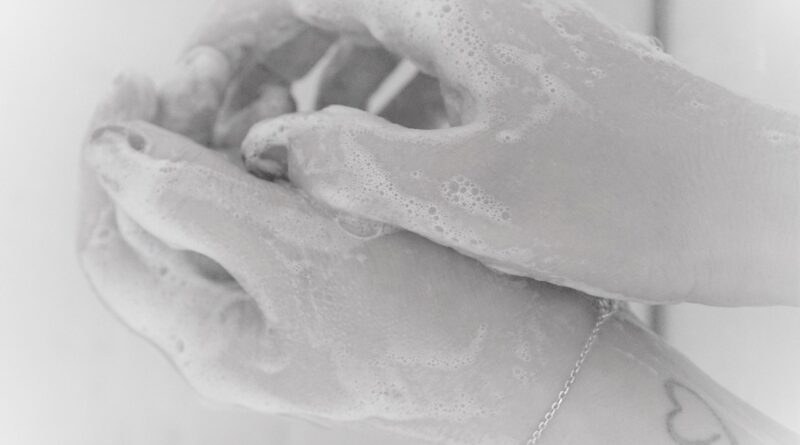
Once the wrap is removed, wash your hands first. Then clean the tattoo gently with lukewarm water and a mild, fragrance-free cleanser or the wash your artist recommended. Avoid hot water, washcloths, loofahs, exfoliating gloves, and strong water pressure. The goal is to clean the surface, not scrub or polish it.
Let the tattoo dry before applying balm
After washing, pat the area dry with a clean paper towel or let it air dry briefly in a clean environment. Do not rub. Applying balm over wet skin can trap moisture and make the tattoo feel soggy, especially in areas that bend or sweat. A tattoo that stays too wet for too long may become more irritated and harder to manage.
Apply less than you think you need
The most common mistake with balm-style aftercare is using too much. A fresh tattoo should not look greasy, shiny, or heavily coated after application. Warm a small amount between clean fingers and spread it in a thin layer. If you can see thick residue sitting on top, blot the excess with a clean paper towel.
Think of balm as friction control, not a sealant. The tattoo still needs to breathe, stay clean, and move through the normal stages of healing. Reapply only when the skin feels uncomfortably dry or as directed by your artist.
Healing timeline and what is normal
A new tattoo can change quickly during the first two weeks. Knowing the usual pattern helps you avoid overreacting to normal healing while still taking warning signs seriously.
| Stage | What may happen | Care focus |
|---|---|---|
| First 24 hours | Redness, mild swelling, warmth, plasma, and excess ink may appear. | Follow wrap instructions, wash gently when directed, and avoid touching. |
| Days 2 to 4 | The tattoo may feel tight, tender, or slightly dry. | Use a thin layer of aftercare product only after cleaning and drying. |
| Days 4 to 10 | Peeling, flaking, and itching commonly begin. | Do not pick, scratch, shave over, or soak the tattoo. |
| Weeks 2 to 4 | The surface may look healed while deeper skin continues settling. | Switch to light moisture if advised and protect from sun exposure. |
Mild redness, soreness, and peeling can be normal. Heavy scabbing, worsening pain, spreading redness, pus, fever, or red streaking are not routine aftercare issues. The U.S. Food and Drug Administration has reported infections and allergic reactions related to tattoos, including concerns involving contaminated inks. Dermatology guidance also emphasizes that reactions can appear soon after tattooing or later. If symptoms are getting worse instead of improving, contact a health professional.
Common mistakes when using tattoo balm
Redemption tattoo care, like any balm, can be helpful when used correctly and frustrating when used carelessly. Many healing problems come from the routine around the product rather than the product alone.
Using too much product
A thick layer can collect lint, pet hair, sweat, and bacteria from the environment. It may also make clothing stick to the tattoo. If the skin looks coated or feels slippery long after application, use less next time.
Applying product with unwashed hands
A balm jar or tube is not automatically clean once it has been in a bathroom, gym bag, or tattoo station area. Wash your hands before touching the tattoo or the product. If the container design requires dipping fingers into it, be especially careful.
Mixing too many products
Switching between several balms, soaps, lotions, oils, and sprays makes it harder to identify what caused irritation. A simple routine is easier to monitor. If your skin reacts, stop adding new products and ask your artist or a clinician what to do.
Confusing natural with non-irritating
Natural ingredients can still irritate some people. Essential oils, botanical extracts, and plant butters may be fine for one person and uncomfortable for another. If you know you have sensitive skin or allergies, review the ingredients before use and consider asking your artist about alternatives.
Redemption versus lotion, petroleum products, and dry healing
There is no single aftercare product that fits every tattoo and every skin type. The better comparison is not “which product is best,” but “which approach matches this tattoo, this skin, and this stage of healing?” See also: tattoo culture.
Redemption-style balm
A balm may be useful in the early healing window because it can reduce dryness and friction with a small amount of product. The main risk is over-application. If the tattoo becomes shiny, sticky, or constantly damp, the layer is too heavy.
Fragrance-free lotion
Water-based, fragrance-free lotions are often used once the tattoo is past the wet or weeping stage and begins to feel dry or tight. The American Academy of Dermatology advises using a water-based lotion or cream when tattooed skin feels dry and avoiding petroleum-based products for long-term tattoo appearance because they may contribute to fading.
Petroleum-heavy ointments
Some artists still recommend petroleum-style ointments in limited situations, while others avoid them. The concern is that heavy occlusive products can be overused easily. If your artist recommends one, clarify how much to use and when to stop.
Dry healing
Dry healing minimizes product use. Some collectors prefer it, but it may be uncomfortable in high-friction areas or for larger pieces. If the skin cracks, becomes excessively tight, or is repeatedly irritated by clothing, ask your artist whether light moisturizing would be better.
When to stop using Redemption tattoo care
Aftercare products are usually temporary. Once the tattoo has stopped peeling and the surface skin feels stable, many people transition from balm to a light, fragrance-free moisturizer. Continuing to use a heavy balm long after the tattoo has settled is usually unnecessary unless the surrounding skin is very dry and tolerates it well.
Stop using the product and seek advice if you notice burning that gets worse after application, a spreading rash, blisters, unusual swelling, or persistent redness in the exact area where the product is applied. These symptoms do not automatically prove an allergy, but they are a reason to pause and reassess.
You should also get medical guidance if the tattoo becomes increasingly painful, produces pus, smells unusual, feels hot beyond the first short healing window, or is accompanied by fever or chills. Tattoo infections and allergic reactions can look similar early on, so guessing is not always safe.
Long-term tattoo care after the first month
Once the tattoo is healed, the focus shifts from wound care to skin maintenance. Moisturized skin can make tattooed areas look clearer, but sun protection is the bigger long-term factor. Ultraviolet exposure can fade tattoo pigments over time, and dermatology organizations commonly advise broad-spectrum, water-resistant sunscreen with SPF 30 or higher when healed tattooed skin is exposed to the sun.
Do not apply sunscreen to a fresh, unhealed tattoo unless a medical professional specifically instructs you to do so. During early healing, keep the tattoo covered with loose, clean clothing and avoid direct sun. After healing, use sunscreen consistently, reapply according to label directions, and remember that swimming, sweating, and towel drying reduce protection.
Long-term care also means paying attention to skin changes. Tattoos can make it harder to see moles or changing spots beneath ink. If a tattooed area develops a new bump, persistent rash, unusual color change, or changing mole, have it checked by a dermatologist.
Frequently asked questions
Can I use Redemption tattoo care on the first day?
Only after your artist says it is time to remove the wrap and clean the tattoo. Do not apply balm under a fresh bandage unless your artist specifically instructed you to do so. Once the tattoo is washed and dry, use only a very thin layer.
How many times a day should I apply it?
There is no universal number that works for every tattoo. Many routines involve cleaning and light moisturizing a few times daily in the early stage, but your artist’s instructions should come first. The better rule is to avoid both extremes: do not let the tattoo become painfully dry, and do not keep it greasy.
Is Redemption tattoo care safe for sensitive skin?
It may work well for some people with sensitive skin, but no aftercare product is irritation-proof. Review the ingredient list, avoid products that contain known personal allergens, and stop use if irritation clearly worsens after application.
Can I use it with second skin or adhesive film?
Do not put balm under adhesive film unless your artist specifically told you to. Adhesive tattoo films are designed to work in a particular way, and adding balm can interfere with adhesion or trap unwanted moisture.
What if my tattoo looks infected while using Redemption?
Do not assume the product is fixing the problem. Worsening pain, spreading redness, pus, fever, chills, or heat around the tattoo should be assessed by a health professional. You can also notify your tattoo artist so they can document the issue and advise on next steps.
Bottom line
Redemption tattoo care can fit into a safe tattoo healing routine when it is used sparingly on clean, dry skin. It is not a shortcut around proper washing, clean hands, loose clothing, sun avoidance, and careful monitoring. The strongest aftercare plan is simple: follow your artist’s instructions, use a thin layer if balm is recommended, avoid picking or soaking, and seek medical advice when symptoms move beyond normal healing.