
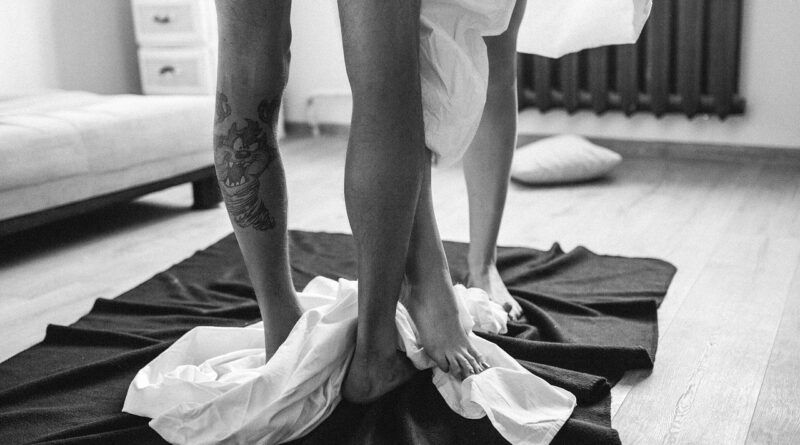
Leg tattoo position guide for pain, visibility, and design flow
How to choose a leg tattoo position
The right leg tattoo position comes down to a few practical questions: how visible you want the tattoo to be, how the design fits the shape of the leg, how much discomfort you are prepared for, and how easily you can protect the area while it heals. Thighs usually offer the most space and privacy. Calves suit vertical and wraparound designs. Shins create a strong front-facing impact, and ankles tend to work better for smaller pieces. Knees and knee ditches can look striking, but they are more demanding placements because the skin bends often and may feel more sensitive.
If you are still comparing areas of the body, start with a broader tattoo placements overview, then narrow the choice to the leg area that best fits your design, lifestyle, and aftercare plan.
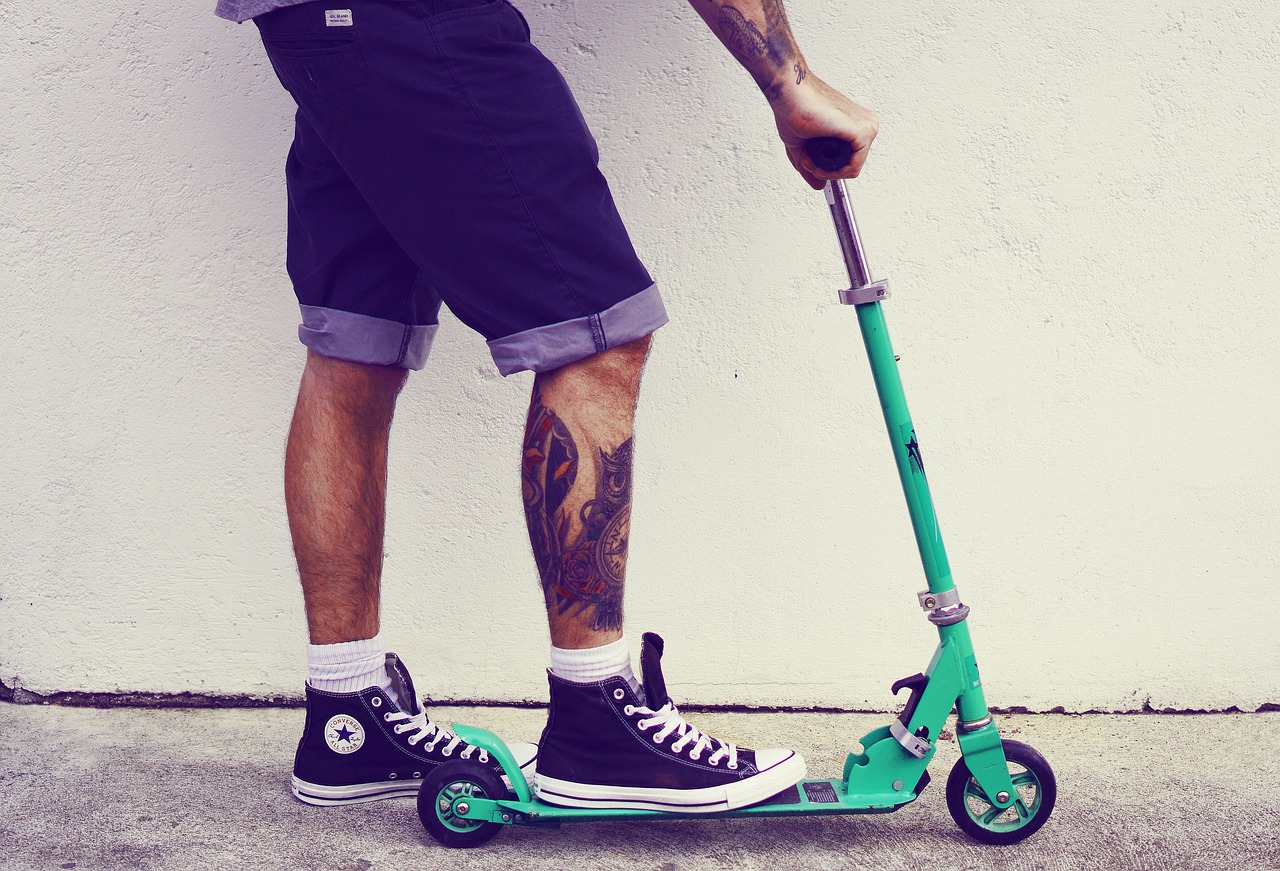
Leg placement map and what each area is good for
The leg gives artists a large, flexible canvas, but each zone behaves differently. A placement that works well for a fine-line flower may not suit a large blackwork animal. A design that looks balanced while standing may also change when the knee bends or the calf muscle flexes. It is better to think of the leg as a set of connected surfaces rather than one flat panel.
| Leg tattoo position | Best suited for | Visibility | Planning notes |
|---|---|---|---|
| Upper thigh | Large florals, script, ornamental pieces, portraits, abstract work | Low to moderate | Good for privacy and scale; consider how the design sits when seated. |
| Outer thigh | Bold illustrative work, animals, large decorative shapes | Moderate | Often easier to show with shorts or skirts while still easy to cover. |
| Front thigh | Statement designs, symmetrical pieces, lettering, framed compositions | Moderate | Strong viewing angle from the front; plan around clothing lines. |
| Back thigh | Subtle designs, script, soft florals, paired tattoos | Low to moderate | Can be elegant but harder for the wearer to see without a mirror. |
| Calf | Vertical designs, traditional motifs, animals, mandalas, wraparound work | Moderate to high | Curved muscle shape can add movement to the artwork. |
| Shin | Bold front-facing designs, geometric work, dark illustrative pieces | High | Very visible in shorts; the bony surface may feel more intense. |
| Ankle | Small symbols, bands, fine-line ornaments, minimal tattoos | Moderate | Footwear friction matters during healing. |
| Knee | Mandala, spiderweb, ornamental circle, bold traditional shapes | High | Movement and skin texture make careful design planning important. |
| Full leg or leg sleeve | Story-based designs, Japanese-inspired work, blackwork, biomechanical concepts | High when uncovered | Needs long-term planning for flow, gaps, and future additions. |
Pain and sensitivity by leg area
Pain is personal, so no placement can be ranked with certainty for every body. Still, tattoo artists and clients often describe some consistent patterns. Areas with more muscle and padding, such as the outer thigh or outer calf, are often considered more manageable. Areas closer to bone, joints, or thinner skin, such as the shin, ankle, knee, and back of the knee, are often reported as more intense.
The upper thigh can be a good first large tattoo location because it has room for detail and can be covered easily. The inner thigh, however, may feel more sensitive than the outer thigh because the skin is softer and the area is more prone to friction. The calf usually provides a balanced option: enough surface area for meaningful artwork, enough visibility to show the tattoo, and a shape that supports vertical designs.
The shin is different. It creates a clean, direct viewing surface, but the bone underneath leaves less cushion. The ankle also has thin skin and is affected by socks and shoes during healing. Knee tattoos require extra patience because the skin folds, stretches, and moves repeatedly throughout the day. These placements do not need to be avoided; they simply call for the right design, session length, and aftercare plan.
Visibility, work dress codes, and daily clothing
A leg tattoo can be easy to hide or hard to miss depending on where it sits. If privacy matters, the upper thigh is usually the most flexible choice because it is covered by most everyday clothing. If you want a design that appears naturally in warm weather, the calf, shin, and outer ankle are more visible options.
Before choosing a leg tattoo position, think about your normal wardrobe, not just how the tattoo looks in a reference photo. Do you wear shorts often? Do you need business attire at work? Do you wear tight gym leggings, tall boots, compression socks, or uniforms? Clothing affects visibility, but it can also rub against a fresh tattoo. Public health and dermatology sources, including the FDA, Mayo Clinic, and dermatology associations, consistently describe tattooing as a process that breaks the skin barrier, so clean aftercare and irritation control matter while the area heals.
For a fresh leg tattoo, friction is one of the main practical issues. A thigh tattoo may rub against tight jeans or seams. An ankle tattoo may be irritated by socks, shoe collars, or boots. A calf tattoo may be easier to protect in loose pants, although tight athletic wear can still create pressure and sweat. If your schedule includes travel, beach trips, heavy training, or outdoor work, it may be better to wait until you can give the tattoo a calmer healing window.
Design flow and body movement
Good leg placement is not only about choosing a spot. It is about matching the artwork to the way the leg moves. The thigh has broad, rounded planes that can hold larger compositions. The calf has a natural vertical curve that suits designs with upward or downward motion. The shin reads like a front panel, which makes it useful for centered, symmetrical, or bold pieces. The ankle works well for small designs because the surface area is limited and often interrupted by footwear.
Vertical designs
Vertical artwork often works well on the calf, shin, and side of the leg. Examples include snakes, vines, daggers, ornamental lines, script columns, and long floral stems. These designs can lengthen the look of the leg and follow the body rather than fighting against it.
Wraparound designs
Wraparound tattoos can look natural on the calf, ankle, or thigh, but they need careful planning. Bands, botanical rings, and ornamental wraps should be checked from several angles so the design does not appear accidentally uneven. A perfect circle on paper may not look perfect on a curved leg.
Large illustrated pieces
Large animals, portraits, fantasy scenes, and blackwork panels usually need the thigh or calf. These placements give the artist more room for line weight, shading, and negative space. If the design is too complex for a small ankle or knee area, shrinking it may reduce clarity over time.
Choosing between thigh, calf, shin, ankle, and knee
Each common leg tattoo position has a different balance of comfort, visibility, and design potential. The thigh is the most adaptable choice for large pieces and private tattoos. It allows bigger artwork without making the tattoo constantly visible, and it gives the artist room to adjust the design to the body. For many people, the outer thigh is a practical starting point for a substantial leg tattoo.
The calf is a strong middle-ground option. It is visible in shorts, easier to display than the thigh, and often large enough for detailed work. Because the calf muscle is curved, designs can feel dynamic when they follow the shape instead of sitting like a flat sticker. The back of the calf may feel more discreet, while the outer calf is easier for others to see from the side. See also: tattoo care.
The shin is more direct and graphic. It suits bold images that benefit from a straight-on view, but it is less forgiving of small alignment issues. If you choose a shin tattoo, ask the artist to check the stencil while you are standing naturally, not only while sitting or lying down.
The ankle is best for smaller, cleaner designs. It can look delicate and easy to style, but it is also close to shoes, socks, and floor-level dirt exposure. The knee is the most specialized of these options. It can make a memorable centerpiece, especially in ornamental or traditional styles, but the skin texture and movement mean the design must be built for that location from the start.
Aftercare planning for leg tattoos
Aftercare instructions should come from the licensed artist who performs the tattoo, because products, bandage systems, and local regulations can differ. As a general principle, reliable health sources such as the FDA and Mayo Clinic note that tattoos can involve infection and allergic reaction risks. This does not mean tattoos are unsafe for everyone; it means a fresh tattoo should be treated as healing skin, not finished decoration.
For leg tattoos, the practical aftercare questions are specific. Can you avoid tight clothing over the tattoo? Can you keep the area clean during work or commuting? Will your shoes rub the ankle? Will gym equipment, sweating, or kneeling put pressure on the area? A lower-leg tattoo may be harder to keep away from dust, pet hair, public seats, and footwear. A thigh tattoo may be easier to cover loosely, but it can still be irritated by tight seams or workouts.
- Plan the appointment for a period when you can wear loose, breathable clothing.
- Avoid scheduling a leg tattoo immediately before swimming, beach trips, intense training, or long hikes.
- Ask your artist how to manage bandages, washing, moisturizing, and clothing contact.
- Watch for warning signs such as worsening redness, unusual swelling, pus, fever, or pain that does not improve, and seek medical advice if they appear.
- Protect healed tattoos from excessive sun exposure to help preserve contrast and color.
These points are not a substitute for medical care. If a tattoo reaction looks unusual or severe, a healthcare professional is a better source than online troubleshooting.
A simple decision checklist
If you are undecided, use a placement checklist before booking. It helps prevent choosing a spot only because it looks good in one reference photo.
- Define the purpose. Is the tattoo personal and mostly private, or do you want it to be visible?
- Match the design shape. Tall designs often suit calf or shin placement; wide designs usually need thigh space.
- Consider pain tolerance. If this is your first tattoo, a padded area may be easier than the knee, ankle, or shin.
- Check clothing friction. Think about jeans, gym wear, socks, boots, and uniforms.
- Plan for movement. Designs crossing the knee or wrapping around the calf should be tested while standing and bending.
- Leave room for future work. If you may want a leg sleeve later, avoid placing a small tattoo where it blocks a larger composition.
- Review the stencil carefully. Look from the front, side, and back before the tattoo begins.
The most successful leg tattoos usually look intentional from more than one angle. A good position should support the artwork when you stand, walk, sit, and dress normally.
Frequently asked questions
What is the most discreet leg tattoo position?
The upper thigh is usually the most discreet because it is covered by most clothing. Back thigh placement can also be subtle, although it is harder for the wearer to see without a mirror.
What leg tattoo position is good for a first tattoo?
The outer thigh or outer calf is often a practical choice for a first leg tattoo because these areas offer enough space for clear design work and are easier to cover than the shin or ankle. Pain still varies from person to person.
Are shin tattoos more painful than calf tattoos?
Many people describe shin tattoos as more intense because the area is close to bone, while the calf has more muscle. This is a common experience pattern, not a rule for every person.
Should a leg tattoo face inward or outward?
It depends on the design and how you want it viewed. Outer-facing tattoos are more visible to others, while inward-facing tattoos can feel more personal. For portraits, animals, and figures, ask the artist about direction so the subject does not look awkward when your leg is in a natural stance.
Can I get a leg tattoo before a vacation?
It is usually better not to schedule a fresh leg tattoo right before a vacation that involves swimming, sun exposure, sand, hiking, or tight travel clothing. A calmer healing period gives you more control over cleanliness, friction, and irritation.