

Rose tattoo realism and how to plan a lifelike floral design
What rose tattoo realism means
Rose tattoo realism is a style that makes a rose look dimensional, soft, and believable on skin rather than symbolic, simplified, or cartoon-like. The effect depends on value control, petal structure, negative space, and the right amount of detail for the body area. A strong realistic rose tattoo does not simply copy a photograph. It translates the flower into a design that can move with the body, heal clearly, and still read well years later.
For anyone comparing tattoo styles, rose realism sits between fine art illustration and technical body placement. The rose is familiar enough to carry classic meanings such as love, memory, beauty, grief, growth, or resilience, while the realism approach gives the design a more personal and atmospheric feel. The key planning question is not only “What rose do I like?” It is “How much detail can this placement, size, skin tone, and artist realistically support?”
Why roses work so well in realism tattoos
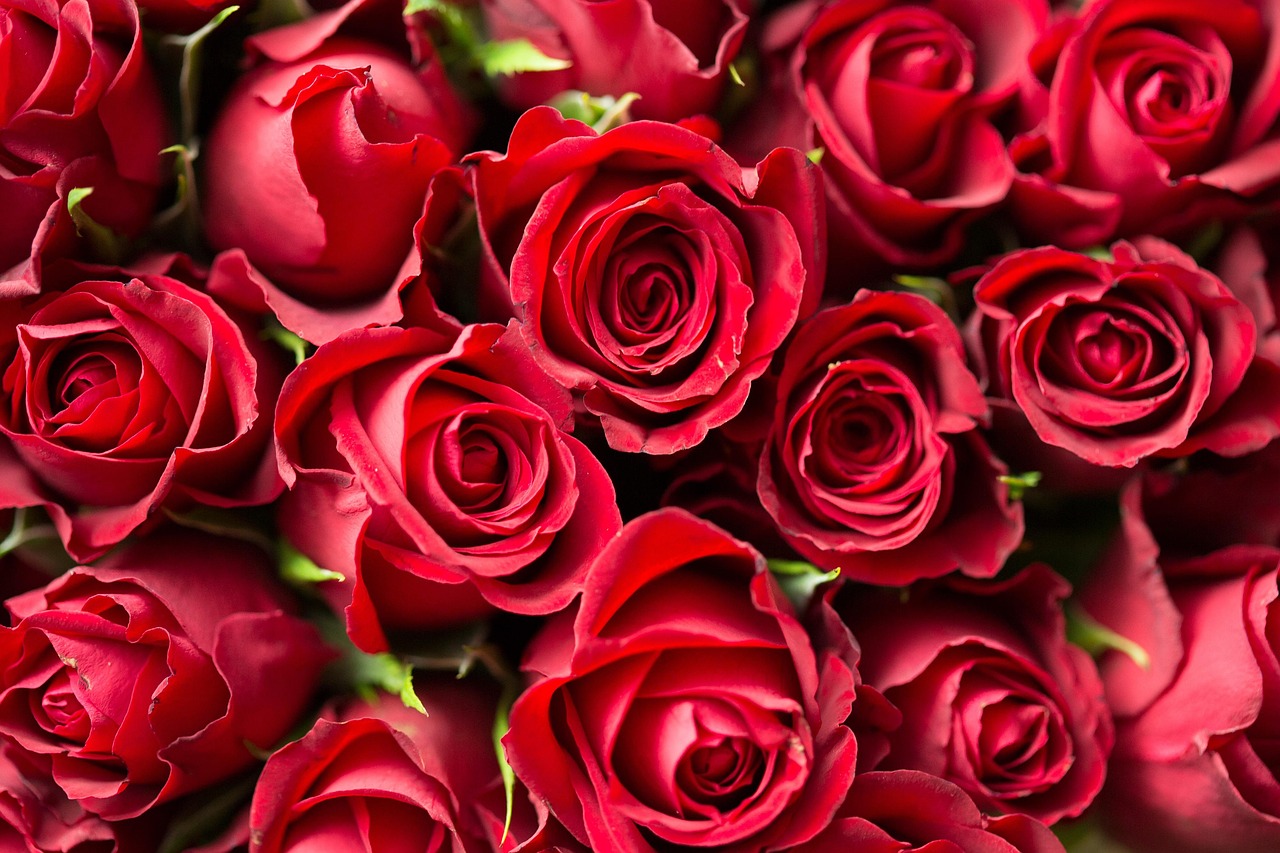
Roses suit realism because their natural form already has contrast. The outer petals open broadly, the inner petals curl tightly, and leaves and thorns can add sharper textures around the softer flower shapes. This gives an artist several ways to build depth without relying on heavy outlines.
In realistic tattooing, depth usually comes from three visual decisions. The artist needs a clear light source so the petals do not look flat. The rose needs a readable value range, from pale highlights to darker shadows. The composition also needs breathing room. If every petal is shaded with the same intensity, the result can look muddy after healing. If highlights are protected through skin breaks and softer tones, the flower has a better chance of staying dimensional.
This is why realistic roses often appear in black and grey sleeves, forearm pieces, shoulder caps, hand tattoos, chest panels, and memorial designs. The subject can stand alone, frame another image, or soften a larger composition that includes portraits, clocks, skulls, butterflies, daggers, script, or ornamental elements.
Black and grey versus color realism
One of the first design choices is whether the rose should be black and grey, full color, or mostly black and grey with selective color. None is automatically better. The right option depends on the intended mood, the surrounding tattoos, and how much maintenance the wearer is comfortable with over time.
| Approach | Visual effect | Planning considerations |
|---|---|---|
| Black and grey realism | Soft, sculptural, dramatic, and often more understated | Needs strong contrast and clear highlights so petals remain readable |
| Full color realism | More botanical, romantic, and photo-inspired | Color choices should suit skin tone and should not depend only on tiny details |
| Selective color | Creates focus while keeping most of the design muted | Works well when the rose is the focal point in a larger black and grey piece |
Black and grey rose realism often relies on smooth gradients, dark leaves, and carefully preserved highlights. It can work well on many body areas because the design is built from contrast rather than hue. Color realism can be striking, especially for red, pink, yellow, or white roses, but it still needs thoughtful saturation and value. A red rose, for example, should have contrast inside the petals; otherwise, the color may look bright at first but flat from a distance.
White roses need particular planning. A “white” rose tattoo is usually not made by filling the rose with white ink alone. Artists often create the appearance of pale petals through contrast, shadow, skin tone, and selective highlights. This should be discussed before the stencil is finalized.
Size and placement affect how realistic the rose can be
Realism needs room. A small rose can still be beautiful, but it cannot hold the same number of petal folds, soft shadows, leaf textures, and dewdrop effects as a larger tattoo. When the design is too small for the reference, delicate details may blur together as the tattoo settles.
Placement matters because skin does not behave like paper. Flatter areas, such as the outer forearm, upper arm, shoulder, thigh, calf, and upper back, often give the artist more control over symmetry and shading. Curved or high-motion areas, such as hands, fingers, elbows, knees, ribs, and the side of the wrist, can still work, but the composition usually needs adjustment to reduce distortion.
A practical rule is to prioritize the rose’s silhouette first, then the major petal groups, and then the fine details. If the design still reads clearly as a rose from several feet away, the smaller textures have a stronger foundation. If it only works up close, the tattoo may lose impact once healed.
- Forearm: Good for a vertical rose, stem, leaves, or a rose combined with script.
- Shoulder or upper arm: Strong for rounded compositions and larger petal structure.
- Chest: Useful for dramatic single roses, paired roses, or memorial pieces.
- Thigh or calf: Allows more space for botanical detail and smoother gradients.
- Hand: Visually bold, but detail retention and fading should be discussed carefully with the artist.
If you are still comparing approaches, the broader tattoo styles section can help you see how realism differs from traditional, neo traditional, illustrative, fine line, and blackwork designs.
How to brief an artist for a realistic rose tattoo
A realistic rose tattoo is usually strongest when the artist receives clear direction, not a rigid instruction to copy a single image. Bring references that show the mood, angle, and level of detail you like, but leave room for the artist to adapt the flower to your body and the final size. A rose photographed straight on may not be the best choice for a narrow forearm. A side-angle bloom may flow better with the muscle and make the petals easier to read.
Useful reference notes include whether you prefer a fresh open rose, a closed bud, a wilted rose, a rose with leaves, a long stem, thorns, water droplets, or a rose combined with another subject. It also helps to explain the emotional tone. A memorial rose may call for softer contrast and a calmer composition, while a gothic rose with a skull or dagger may need darker shadows and sharper edges.
Questions to ask before booking
- Do you have healed examples of realistic roses or floral realism?
- How large should this design be to keep the petals readable?
- Would black and grey, color, or selective color work better for my skin tone and placement?
- Which parts of the reference should be simplified for long-term clarity?
- How many sessions might the tattoo require?
- What aftercare instructions do you recommend for this placement?
Healed photos are especially important. Fresh realism can look impressive because the contrast is at its peak, but healed work shows whether the artist’s gradients, highlights, and fine textures remain clear after the skin settles.
Design details that make a realistic rose look believable
The most convincing rose realism usually comes from restraint. A tattoo does not need every petal from the reference photo. It needs the right petals emphasized in the right order. The center of the rose can be tighter and darker, while the outer petals can open into softer shading. Leaves can frame the flower, but they should not compete with the bloom unless the design is intentionally botanical. See also: tattoo care.
Edges are another important detail. Real roses do not have uniform outlines around every petal. Some edges are sharp where a petal catches light; others disappear into shadow. Realism artists use this variation to avoid a flat, sticker-like appearance. Too many hard outlines can push the tattoo toward an illustrative or traditional style, which may still be attractive but changes the visual language.
Background elements should support the rose rather than rescue it. Smoke, geometric shapes, ornamental frames, script, clocks, or dark wash can add context, but they should not hide weak petal structure. A strong realistic rose should still work if the background is removed.
Common mistakes to avoid
- Choosing a design that is too small for the amount of petal detail requested.
- Using a low-contrast reference where the rose shape is hard to read.
- Adding too many symbolic elements without a clear focal point.
- Placing tiny realism on areas that fade or distort quickly.
- Assuming color alone will create depth without strong values.
Safety, healing, and long-term clarity
Planning a realistic rose is also a safety and aftercare decision. The U.S. Food and Drug Administration issued final tattoo ink guidance on October 24, 2024, focused on microbial contamination risks in tattoo inks. The agency also reported that firms conducted 18 voluntary recalls of contaminated tattoo inks from 2003 through 2024. For clients, the practical takeaway is to choose a professional studio that uses reputable inks, sterile equipment, and clear hygiene procedures.
The American Academy of Dermatology notes that some redness, soreness, itching, flaking, and scabbing can be part of normal healing. Warning signs are different: spreading or darkening redness, pain that worsens instead of improving, pus, open sores, fever, chills, or a painful rash should be taken seriously. A medical professional or board-certified dermatologist is the right source for diagnosis and treatment if those symptoms appear.
Long-term clarity depends on both the original tattoo and how the skin is cared for afterward. Follow the artist’s aftercare instructions, avoid picking scabs, keep the tattoo clean during healing, and avoid soaking it until the artist says it is safe. Once the tattoo is fully healed, sun protection matters. Dermatology guidance commonly recommends broad-spectrum, water-resistant sunscreen with SPF 30 or higher for exposed skin. For a realism tattoo, reducing sun damage helps preserve contrast, especially in soft gradients and color work.
Frequently asked questions
Is rose tattoo realism better in black and grey or color?
Neither option is universally better. Black and grey is often chosen for depth, drama, and compatibility with other tattoos. Color can feel more botanical and expressive, but it needs careful value planning so the rose does not rely on brightness alone.
How small can a realistic rose tattoo be?
A small realistic rose is possible, but the design must be simplified. If you want many petals, leaves, dewdrops, and soft shadows, a larger size gives the artist more room to keep the rose readable after healing.
Do realistic rose tattoos age well?
They can age well when they are sized properly, built with enough contrast, placed thoughtfully, and protected from excessive sun exposure. Designs that depend on extremely tiny details or very low contrast may lose clarity faster.
What should I bring to a rose realism consultation?
Bring several reference images for mood, angle, and detail level, plus examples of tattoos you like from the artist’s portfolio. Be ready to discuss size, placement, black and grey versus color, and whether the rose will stand alone or connect to future tattoos.
Can a realistic rose cover an old tattoo?
Sometimes, but it depends on the old tattoo’s size, darkness, placement, and scar tissue. Roses can be useful in cover-up planning because petals and leaves create organic shapes, but a qualified artist should assess the existing tattoo in person.
Final planning thoughts
A successful rose realism tattoo starts with a clear visual hierarchy: strong silhouette, believable light, readable petal structure, and details that support rather than overwhelm the flower. The most polished designs are rarely the ones with the most information packed into the smallest space. They are the ones that respect the body, the skin, and the limits of the medium.
Before committing, compare healed portfolios, ask practical questions, and be open to simplification. A realistic rose should feel lifelike, but it also has to work as a tattoo. When the design balances artistry with placement, scale, and aftercare, rose tattoo realism can produce a floral piece with depth, emotion, and lasting visual strength.