

Wing tattoo ideas with meanings, placements and style tips
How to choose wing tattoo ideas that fit your story and body
Wing tattoo ideas usually start with one of four intentions: freedom, protection, remembrance or transformation. The best design is not always the most detailed one. It is the design that fits your reason for getting tattooed, works with the body area you are prepared to use and remains readable as the tattoo ages. A full-back angel wing piece sends a different message from a small single feather behind the ear, even though both belong to the same visual family.
Before choosing a stencil, think through scale, symmetry, visibility, style and whether the tattoo should stand alone or connect with a larger theme. If you are still comparing directions, browse more tattoo ideas before narrowing the concept.
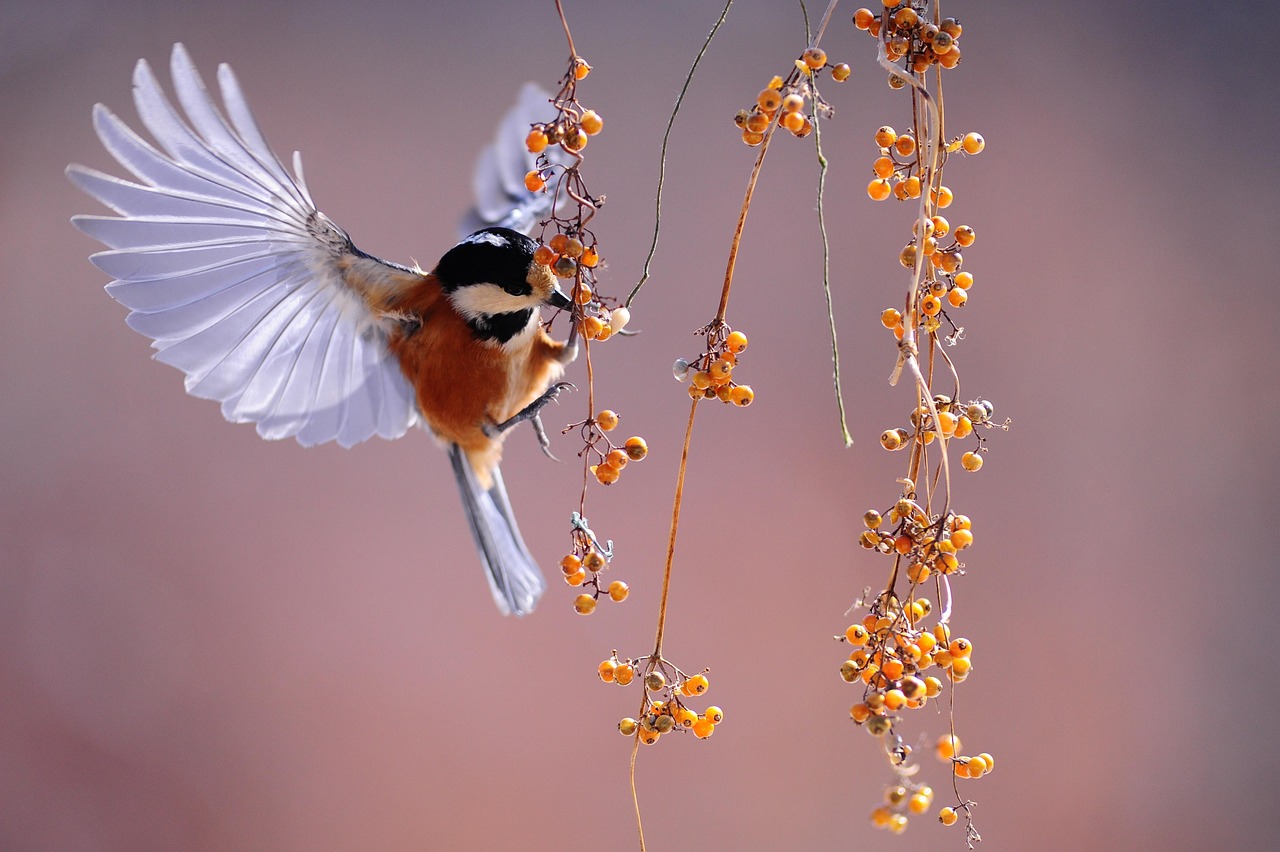
This guide focuses on practical design choices rather than one-size-fits-all recommendations. Wings can look soft, sacred, fierce, gothic, minimalist or abstract depending on line weight, feather structure, shading and placement. The goal is to help you decide what type of wing tattoo belongs on your skin, not just what looks good in a reference image.
Popular wing tattoo meanings
Wing tattoos are versatile because the symbol is simple, but the emotional meaning can vary widely. Two people can choose a wing for completely different reasons, so it helps to define your meaning before you decide on size or style.
- Freedom and independence: Open wings, flying birds and upward-angled feathers often suggest movement, escape or a new phase of life.
- Protection and guidance: Angel wings, guardian motifs and wings placed near the shoulders can suggest care, faith or the feeling of being watched over.
- Memorial and remembrance: A wing paired with initials, a date, a halo, a small name banner or a delicate feather can become a tribute without becoming visually crowded.
- Strength and ambition: Eagle wings, hawk wings and wide blackwork wings can feel bold, focused and assertive.
- Transformation: Butterfly wings, moth wings and fantasy wings often work for people who want a design about change, recovery or personal growth.
- Balance between light and dark: One angel wing and one darker wing, or a clean wing paired with smoke, thorns or broken feathers, can express contrast and complexity.
The meaning does not have to be obvious to everyone. A small wing tattoo can be deeply personal, while a large back piece may be chosen mainly for its visual impact. What matters is that the symbol remains clear enough for you to connect with it after the initial excitement fades.
Wing tattoo styles to consider
Angel wing tattoos
Angel wings are among the most recognizable wing tattoo ideas because they immediately suggest protection, memory, spirituality or grace. They work well as symmetrical back tattoos, shoulder pieces, chest designs or smaller forearm tattoos. A realistic angel wing needs enough space for layered feathers and soft shading. If the tattoo is too small, the feathers can merge into a gray shape over time, so a simplified fine-line version is often a better option for wrists, ankles or behind the ear.
Bird, eagle and raven wing tattoos
Bird wings feel more earthly and dynamic than angel wings. Eagle wings often carry a bold, commanding mood, especially with strong black shading and sharp feather tips. Raven or crow wings can feel mysterious, gothic or literary, particularly when paired with moons, branches or smoke. Swallow and dove wings are lighter choices for people who want movement, hope or peace without a heavy visual tone.
Butterfly, moth and fantasy wing tattoos
Butterfly wings are a natural fit for transformation themes. They can be delicate, colorful, symmetrical or abstract. Moth wings feel more nocturnal and understated, especially in black and gray. Fantasy wings, including fairy, dragon or stylized insect wings, are useful when you want a design that feels imaginative rather than symbolic in a traditional sense. These styles often benefit from negative space, ornamental patterns or selective color instead of dense shading across the whole piece.
Minimalist and fine-line wing tattoos
Minimalist wing tattoos rely on restraint. A single outline, a tiny pair of wings, a feathered curve or a micro wing near the collarbone can look elegant when the design is intentionally simple. The challenge is clarity. Very small feathers, tiny script and tight interior detail can blur as skin changes over time, so the design should use clean spacing and avoid unnecessary texture.
Blackwork, geometric and ornamental wing tattoos
Blackwork wings can look strong and graphic, particularly on the chest, upper arm, calf or upper back. Geometric wings use symmetry, lines, dots and repeated shapes to create a more contemporary look. Ornamental wings borrow from jewelry, mandalas or decorative frames. These approaches are especially useful when you like the wing silhouette but want something less literal than realistic feathers.
Placement ideas by size, visibility and movement
Placement changes the meaning and impact of a wing tattoo. Wings are directional designs, so they usually look better when the flow follows the natural movement of the body. A wing that curves with the shoulder blade often feels more integrated than the same design placed flat on a narrow area.
| Placement | Works well for | Design notes |
|---|---|---|
| Upper back or full back | Large angel wings, symmetrical wings, memorial designs | Offers the most space for feather detail and dramatic balance, but requires commitment and may take multiple sessions for complex work. |
| Shoulder blade | Single wings, soft angel wings, bird wings | Good for designs that curve naturally with the back and can be hidden under many shirts. |
| Forearm | Fine-line wings, feather wings, small bird wings | Visible and easy to show, but the design should be readable from different angles. |
| Chest or sternum | Symmetrical wings, heart-and-wing designs, ornamental wings | Creates a strong centered look; plan carefully around anatomy and clothing lines. |
| Ribs or side body | Long vertical wings, feathers, abstract wings | Allows elegant movement, though the area can be sensitive and may need a simpler layout. |
| Wrist, ankle or behind the ear | Micro wings, single feathers, outline wings | Best for simplified designs with minimal interior detail. |
| Thigh or calf | Bird wings, gothic wings, fantasy wings | Provides enough space for medium detail while staying easier to cover than arms or neck. |
If you want a tattoo that is easier to hide for work or family settings, back, ribs, thigh and upper chest placements are usually more flexible than hands, neck or forearms. If you want the tattoo to be part of your daily style, forearm, wrist, collarbone and ankle placements make more sense.
Design details that make wing tattoos work
A wing tattoo succeeds or fails in the details. Feathers should have a clear direction, because random feather lines can make the wing look stiff. The longest feathers usually need to point with the body’s natural movement, while shorter feathers can create depth closer to the base of the wing. See also: tattoo care.
- Use negative space: Open skin between feather groups helps the tattoo breathe and prevents the design from becoming a dark block.
- Decide on symmetry early: Perfectly matched wings feel formal and iconic. Slightly uneven wings can feel more organic, but the difference should look intentional.
- Match detail to size: Large wings can carry layered feathers, highlights and shadow. Small wings usually need bold outlines or simplified forms.
- Be careful with names and dates: Text can work, especially in memorial tattoos, but too much lettering can distract from the wing shape.
- Think about aging: Very pale gray shading, tiny lines and crowded micro details may lose definition faster than a design with clearer contrast.
Color can also change the tone. Black and gray is classic and often easier to integrate with future tattoos. Soft blue, gold or red accents can add emotion without turning the piece into a full-color tattoo. Watercolor wings can look expressive, but they need a strong underlying structure so the tattoo does not depend only on soft color edges.
Planning, safety and long-term care
A wing tattoo is a permanent body modification, so planning should include health and aftercare, not only the artwork. The FDA has reported infections linked to contaminated tattoo inks and allergic reactions to ink, while Mayo Clinic lists skin infections and allergic reactions among tattoo risks. These risks do not mean you need to avoid tattoos altogether, but they do mean you should choose a licensed studio, review hygiene practices and avoid rushed decisions. (fda.gov)
Before your appointment, ask the artist whether the design size is realistic for the level of detail you want. Bring references for mood, feather shape and placement, but avoid asking for a direct copy of another person’s tattoo. A professional artist can adjust the wing angle, contrast and spacing so the tattoo fits your body rather than looking pasted on.
Aftercare affects how the final tattoo looks. Dermatology guidance from the American Academy of Dermatology recommends protecting tattooed skin from the sun with a broad-spectrum, water-resistant sunscreen of SPF 30 or higher once the tattoo is healed. Cleveland Clinic also notes that poor aftercare can contribute to healing problems such as infection, scarring or smudging. Follow the aftercare instructions from your tattoo artist and seek medical advice if redness, swelling, pain, discharge or fever becomes concerning. (aad.org)
Long-term care matters most for tattoos with fine feather detail. Keep the skin moisturized, protect healed tattoos from strong sun exposure and consider touch-ups only when the tattoo is fully settled. Good care will not make a weak design strong, but it can help a well-planned wing tattoo stay clearer for longer.
Frequently asked questions
Where is the most popular place for a wing tattoo?
The back and shoulder blade are classic placements because wings naturally follow the structure of the shoulders. Forearms, ribs, collarbones, ankles and wrists are also common for smaller or more discreet wing tattoos. The right placement depends on whether you want drama, privacy or daily visibility.
Do wing tattoos need to be symmetrical?
No. Symmetry works well for angel wings, chest pieces and full-back tattoos, but a single wing can look more personal and less formal. Asymmetry can also help a tattoo fit curved areas such as the shoulder, ribs or calf. The key is making the imbalance look deliberate.
Can a small wing tattoo still have detail?
Yes, but detail must be selective. A small wing can show a few feather divisions, a clean outline or a soft shadow, but it should not try to include every barb and layer of a realistic wing. Simple structure usually ages better than cramped micro-detail.
Are wing tattoos painful?
Pain varies by person and placement. Bony or thin-skinned areas such as ribs, sternum, ankle, collarbone and shoulder blade may feel more intense than fleshier areas like the upper arm or thigh. Size and session length also matter; a large shaded back piece is a very different experience from a small outline wing.
What should I tell my tattoo artist before getting a wing tattoo?
Explain the meaning, preferred style, size range, visibility needs and any future tattoo plans. Show references for feather shape and mood, but ask what needs to change for your body. A good consultation should refine the wing rather than simply transfer an image from a screen to skin.