

Summer tattoo care for fresh and healed ink
How summer changes tattoo aftercare
Summer tattoo care has two jobs. First, protect a fresh tattoo while the skin barrier is still closing. Then, once the tattoo is fully healed, protect the ink and surrounding skin from UV exposure, dryness, and irritation.
A new tattoo should not be treated like normal skin just because it looks settled after a few days. Direct sun, swimming pools, lakes, oceans, hot tubs, heavy sweating, tight clothing, and repeated friction can all interfere with healing. Once the tattoo is healed, the priority shifts to long-term protection with shade, clothing, and broad-spectrum sunscreen. For basic cleaning and moisturizing steps that apply year-round, start with this tattoo aftercare guide, then adjust your routine for heat, water, and outdoor plans.
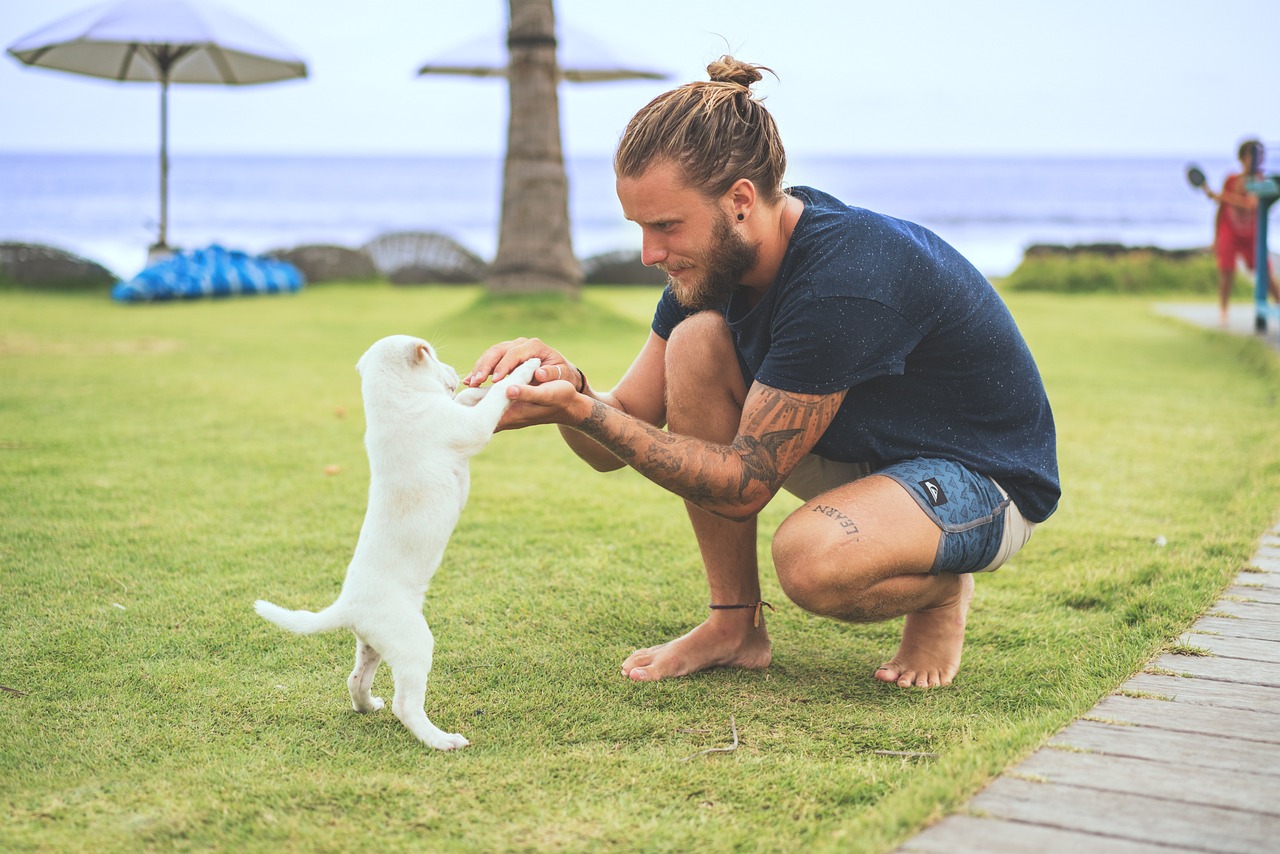
The summer risks that matter most
A fresh tattoo is a controlled skin injury. In the early stage, the outer skin is still closing, fluid may appear, and peeling or flaking can follow. Summer does not change how skin heals, but it increases exposure: more sun, more sweat, more outdoor clothing changes, more travel, and more pressure to swim before the tattoo is ready.
UV exposure can irritate fresh skin and fade healed ink
Dermatology guidance commonly recommends keeping a new tattoo out of direct sun while it heals. This is not only about preserving color. Newly tattooed skin can be more sensitive, and sunburn on a fresh tattoo may increase discomfort, swelling, peeling, and uneven healing.
For healed tattoos, UV exposure is one of the clearest long-term fading factors. The American Academy of Dermatology recommends broad-spectrum, water-resistant sunscreen with SPF 30 or higher for tattooed skin when it is exposed to sun. The FDA also explains that broad-spectrum sunscreens help protect against both UVA and UVB radiation, while water-resistant labels indicate a tested protection window during swimming or sweating.
Water exposure is different from a quick shower
Gentle washing is part of normal aftercare. Soaking is different. Pools, lakes, rivers, oceans, hot tubs, and long baths keep healing skin wet for too long and may expose it to microbes or irritants. CDC swimming guidance advises staying out of water with open cuts or wounds, especially after procedures. A new tattoo fits that caution until the surface has healed.
Chlorine, salt water, sand, and lake water can also dry or irritate a tattoo, even when infection risk is low. A short, careful shower is not the same as swimming or sitting in water.
Heat, sweat, and friction can slow the calm stage of healing
Sweat itself is not the main problem. Irritation is more likely when sweat is trapped under tight clothing, athletic gear, or a wrap. Repeated rubbing from waistbands, backpack straps, sandals, wetsuits, compression sleeves, or festival clothing can disturb peeling skin and scabs. Heat can also make swelling and itching feel worse.
The practical answer is not to stop all activity for weeks. Choose lower-friction clothing, clean the tattoo gently after sweating, and avoid activities that repeatedly rub or soak the area while it is still sensitive.
A realistic summer timeline for a new tattoo
Healing speed varies by tattoo size, placement, color saturation, skin type, and how much friction the area gets. A fine-line forearm tattoo may feel settled sooner than a large color thigh piece or a tattoo near a joint. Use the timeline below as a practical framework, not a guarantee. If your tattoo artist or clinician gives stricter instructions, follow those.
| Stage | What is happening | Summer care focus |
|---|---|---|
| First 24 hours | The tattoo may be tender, warm, and lightly weeping fluid. | Keep the original bandage on for the recommended time, avoid direct sun, avoid workouts that cause heavy sweating, and do not swim. |
| Days 2 to 7 | The skin is closing but may still feel sensitive, tight, or shiny. | Wash gently, pat dry, use a thin layer of recommended moisturizer, wear loose breathable clothing, and stay out of pools, oceans, lakes, and hot tubs. |
| Peeling stage | Flakes or light scabs may appear as the outer skin renews. | Do not pick or scrub. Avoid friction from gear and clothing. Keep the tattoo shaded instead of applying sunscreen too early. |
| After the surface has fully healed | No open areas, scabs, peeling, or unusual tenderness remain. | Use sunscreen for outdoor exposure, reapply after sweating or water, and continue moisturizing if the skin feels dry. |
Many tattoos need about two to four weeks before they can reasonably be considered surface-healed, but the visible timeline is not the whole story. If there is still peeling, scabbing, cracking, tenderness, or shiny fragile skin, treat the tattoo as not ready for swimming, tanning, or sunscreen. When in doubt, wait longer.
How to handle beach, pool, gym, and festival plans
The hardest part of summer tattoo care is often decision-making. People may want to attend an event, sit poolside, or go to the beach while promising not to swim. A safer approach is to judge the plan by exposure type: sun, water, heat, sweat, friction, and access to clean washing.
At the beach
A beach combines several healing problems: direct UV, heat, sand, salt water, sweat, and limited access to clean washing. For a fresh tattoo, the best plan is to keep it out of direct sun, avoid entering the water, and prevent sand from touching it. Loose, clean, breathable clothing is usually better than leaving the tattoo exposed.
Do not use plastic wrap as a sun shield. It can trap heat and moisture, and it is not a substitute for medical aftercare instructions.
At the pool
Do not swim with a fresh tattoo, even in a clean-looking pool. Pool chemicals may irritate healing skin, and public water still carries hygiene variables. Sitting poolside may be possible if the tattoo is covered with loose clothing, kept dry, and protected from direct sun. If the tattoo gets splashed, wash it gently with clean water as soon as practical and pat it dry with a clean towel.
At the gym or during outdoor sports
Light activity is different from heavy sweating, contact, or friction. If the tattoo is new, avoid movements that repeatedly stretch or rub the area. A calf tattoo may be irritated by long runs in tight socks; a shoulder tattoo may not tolerate backpack straps well; a rib tattoo may be aggravated by tight compression wear.
After sweating, wash the tattoo gently, dry it well, and change out of damp clothing. If an activity will rub the tattoo for an hour, skip it or modify it until peeling is finished. See also: tattoo culture.
At festivals, travel days, and outdoor work
Plan ahead if you will be away from home. Bring clean water, gentle soap when available, unscented moisturizer, clean loose clothing, and a spare clean towel or paper towel for patting dry. Avoid crowded situations where people may bump or brush the tattoo.
If you will be outdoors for hours, shade and fabric are the most reliable protection for a fresh tattoo. For healed tattoos, sunscreen becomes part of the plan, but shade and clothing still reduce total UV exposure.
Sunscreen rules for healed tattoos
Sunscreen is useful for healed tattoos, not for a tattoo that is still open, peeling, scabbing, or unusually tender. Applying sunscreen too early can sting, clog, or irritate healing skin. Before using sunscreen, the tattoo should feel like normal skin on the surface, with no flaking, scabs, open spots, or raw patches.
For healed ink, choose a broad-spectrum sunscreen. Many dermatology resources recommend SPF 30 or higher for outdoor exposure, especially when the goal is to protect tattoo color and skin health. Water-resistant formulas can help for swimming or sweating, but water-resistant does not mean waterproof. FDA sunscreen labeling distinguishes products that maintain protection for a tested time, commonly 40 or 80 minutes, under water or sweat conditions. Reapply according to the product label, and generally reapply at least every two hours outdoors and after swimming, sweating, or towel drying.
If your tattooed skin is sensitive, consider fragrance-free formulas and patch-test on a small area before a long day outside. Mineral sunscreens can leave a visible cast on dark ink, while chemical sunscreens may feel lighter. The right choice is the one you will apply generously and reapply consistently. A thin, forgotten layer is less useful than a well-applied product combined with shade and clothing.
What not to do in summer tattoo care
- Do not tan a new tattoo. A tan is a sign of UV injury, and a burn on healing skin can be especially disruptive.
- Do not swim before the tattoo is fully healed, even if the water looks clean or the tattoo is covered.
- Do not apply sunscreen to open, scabbing, or peeling tattooed skin unless a healthcare professional specifically advises it.
- Do not pick flakes or scabs to make the tattoo look better for an event or photo.
- Do not use heavy ointment layers in hot weather. Too much product can trap sweat and make the area feel sticky or irritated.
- Do not rely on second-skin film as permission to swim or sunbathe. Follow the product instructions and your artist’s guidance.
- Do not ignore worsening pain, spreading redness, pus, fever, chills, or red streaks.
When to get professional advice
Some redness, mild swelling, tenderness, and peeling can be normal in the early healing period. The concern is progression. If redness spreads instead of improving, if the tattoo becomes increasingly painful or hot, or if you see pus, blisters, red streaks, fever, swollen glands, or an expanding rash, seek medical advice promptly.
The FDA has reported infections and allergic reactions associated with tattoos and tattoo inks, and reactions can sometimes resemble infection. That is one reason it is better not to guess when symptoms are getting worse.
Also contact your tattoo artist if the tattoo is healing unevenly, if a second-skin bandage leaks, rolls, or traps fluid in a way that worries you, or if you are unsure when to return to swimming or sunscreen. Artists can advise on the normal healing appearance for their work, while clinicians should handle signs of infection, allergy, or systemic symptoms.
Frequently asked questions
Can I put sunscreen on a new tattoo?
Generally, do not put sunscreen on a fresh tattoo that is still healing. Keep it shaded and covered with loose, clean clothing instead. Once the surface is fully healed with no peeling, scabbing, or raw spots, sunscreen becomes important for UV protection.
How long should I wait before swimming after a tattoo?
Wait until the tattoo is fully healed on the surface. For many people, that may be around two to four weeks, but size, location, technique, and personal healing all matter. Do not swim if there is any scabbing, peeling, cracking, tenderness, or open skin.
Is ocean water better than pool water for a new tattoo?
No. Ocean water can contain salt, sand, and microbes, while pools contain chemicals and shared-water hygiene risks. Neither is appropriate for a fresh tattoo. Short showers and careful washing are different from soaking or swimming.
Can sweat ruin a tattoo?
Sweat from normal life usually will not ruin a tattoo if you clean the area gently and keep it dry afterward. The bigger issues are heavy sweating combined with heat, tight clothing, friction, and delayed cleaning. Modify workouts during the most sensitive stage.
What is the best summer protection for healed tattoos?
The best protection is layered: shade, sun-protective clothing when practical, and broad-spectrum sunscreen on exposed healed tattoos. Reapply after swimming, sweating, or towel drying, and moisturize if the skin becomes dry after sun or water exposure.