
Mayan indian tattoo meanings and respectful design ideas
What a Mayan indian tattoo should mean before it becomes a design
A Mayan indian tattoo can be visually powerful, but the phrase needs context before it becomes a stencil. Many scholars and cultural institutions use Maya for the people, culture, art, and civilization, while Mayan is often reserved for the language family. The word Indian is also complicated. The Smithsonian National Museum of the American Indian advises using the specific name a Native or Indigenous community uses for itself whenever possible. For tattoo planning, the better question is not only what looks ancient, but which Maya source, period, place, and meaning the design is referencing.
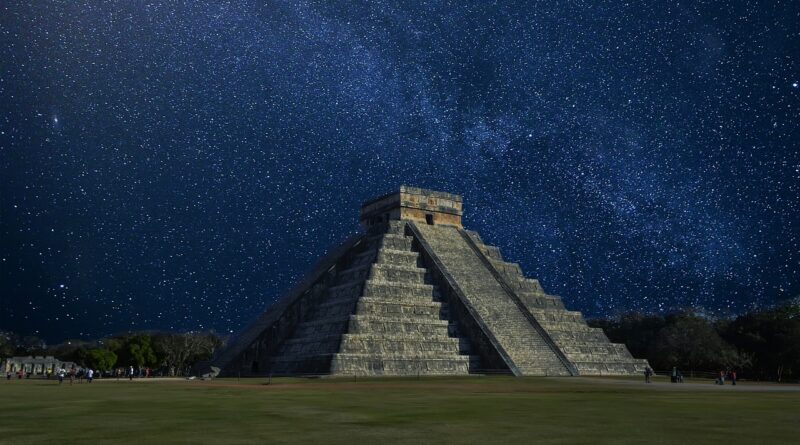
A stronger design respects the difference between ancient Maya imagery, living Maya identity, and modern tattoo aesthetics. Maya-inspired work may draw from glyphs, calendar signs, maize imagery, jaguars, serpents, geometric bands, body-paint patterns, and architectural forms. None of these elements is context-free. If you want more background on tattoo symbolism and cultural style, browse our tattoo culture section.
The historical record is real, but not simple
There is evidence that the ancient Maya used the body as a cultural surface, but modern summaries often compress different practices into one word. Body painting, scarification, piercing, cranial shaping, dental inlay, and tattooing were not the same thing. Archaeology Magazine’s July/August 2020 discussion of Maya body art notes that painted skin appears often in Maya art, with red, white, black, brown, and blue used in different visual contexts. It also reports that tattooing and scarification were more permanent ways to alter appearance, with the strongest Classic-period visual evidence coming from areas such as the northern lowlands, Jaina Island, and Palenque.
A major update came in 2025, when W. James Stemp, Lorne Voorhis, Christophe Helmke, Cameron S. Griffith, and Jaime J. Awe published a study in Journal of Archaeological Science: Reports proposing that two retouched chert burin spalls from Actun Uayazba Kab, or Handprint Cave, in Belize were ancient Maya tattooing implements. A Nature research highlight dated April 29, 2025 described the finds as the first identified possible tattoo-making tools for the ancient Maya. The careful word is possible: the interpretation is based on tool form, use-wear traces, residues, and archaeological context, not on preserved tattooed skin.
Colonial-era Spanish accounts, including Diego de Landa’s sixteenth-century writing about Yucatán, also describe tattooing among Maya communities. Those accounts associate tattooing with pain, bravery, adulthood, and sometimes punishment. They are useful as historical evidence, but they were written within a colonial setting and should not be treated as neutral explanations of Maya belief.
Popular Maya-inspired tattoo motifs and what they can suggest
No single symbol has one universal meaning across all Maya time periods and communities. The Maya world included many cities, regions, languages, social roles, and religious contexts. The table below gives design-oriented interpretations while keeping those limits clear.
| Motif | Possible design meaning | Important limit |
|---|---|---|
| Glyph-inspired forms | Writing, names, time, lineage, memory | Maya glyphs are not a simple alphabet. Do not copy unread symbols as decoration if they may form a name, title, or sacred phrase. |
| Calendar day signs | Time, cycles, birth dates, personal identity | The sacred calendar is still culturally meaningful. Verify the exact sign and avoid fake calendar graphics. |
| Maize imagery | Life, nourishment, renewal, ancestry | Maize is not a generic plant symbol. It has deep mythic and cultural weight in Maya thought. |
| Jaguar imagery | Night, power, rulership, danger, elite identity | Jaguar meanings vary by scene. Avoid turning the animal into a vague warrior stereotype. |
| Serpent forms | Vision, sky, transformation, contact between realms | Specific serpent imagery can be tied to royal or ritual scenes. |
| Scrolls around the mouth | Breath, speech, presence, high-status identity in some Classic imagery | Archaeology-based interpretations are scene-specific. Do not assume every mouth scroll is a tattoo. |
| Geometric bands and blackwork | A modern way to reference Maya visual rhythm, architecture, or body-paint structure | This is usually an inspired contemporary design, not a direct reconstruction of an ancient tattoo. |
Design ideas that work better than copying a random glyph
The safest and often most effective Maya-inspired tattoos are researched compositions, not isolated symbols pulled from image search. A skilled artist can translate historical influence into a design that reads well on skin, ages properly, and does not claim to be something it is not.
A glyph-inspired panel
Instead of choosing a random block of glyphs, build a panel inspired by the square proportions, line weight, and visual density of Maya writing. If the design is meant to show an actual name, date, or phrase, consult a qualified Maya epigrapher or a community-based source. A decorative glyph-like panel should be described honestly as inspired design, not as authentic writing.
A maize and earth composition
Maize is one of the strongest motifs for a tattoo about life, ancestry, nourishment, or renewal. It can be drawn as a sprouting plant, a stylized ear of corn, or a central figure framed with geometry. This idea can work in black and gray, fine-line, or earthy color palettes, as long as the composition has enough space to remain clear over time.
A jaguar with restraint
A jaguar tattoo can easily drift into aggressive fantasy art. A more careful version studies Maya visual conventions: profile views, spots used as pattern, controlled negative space, and architectural borders. The result can suggest night, strength, and mystery without claiming a specific royal or ritual identity.
Calendar-inspired personal work
Some people want a tattoo connected to a birth date. This can be meaningful, but it requires accuracy. The Maya calendar tradition is complex, and online converters are not all equal. If the tattoo matters to you, confirm the date through a reputable educational or cultural source and keep a record of what the sign means.
Architectural and textile-inspired borders
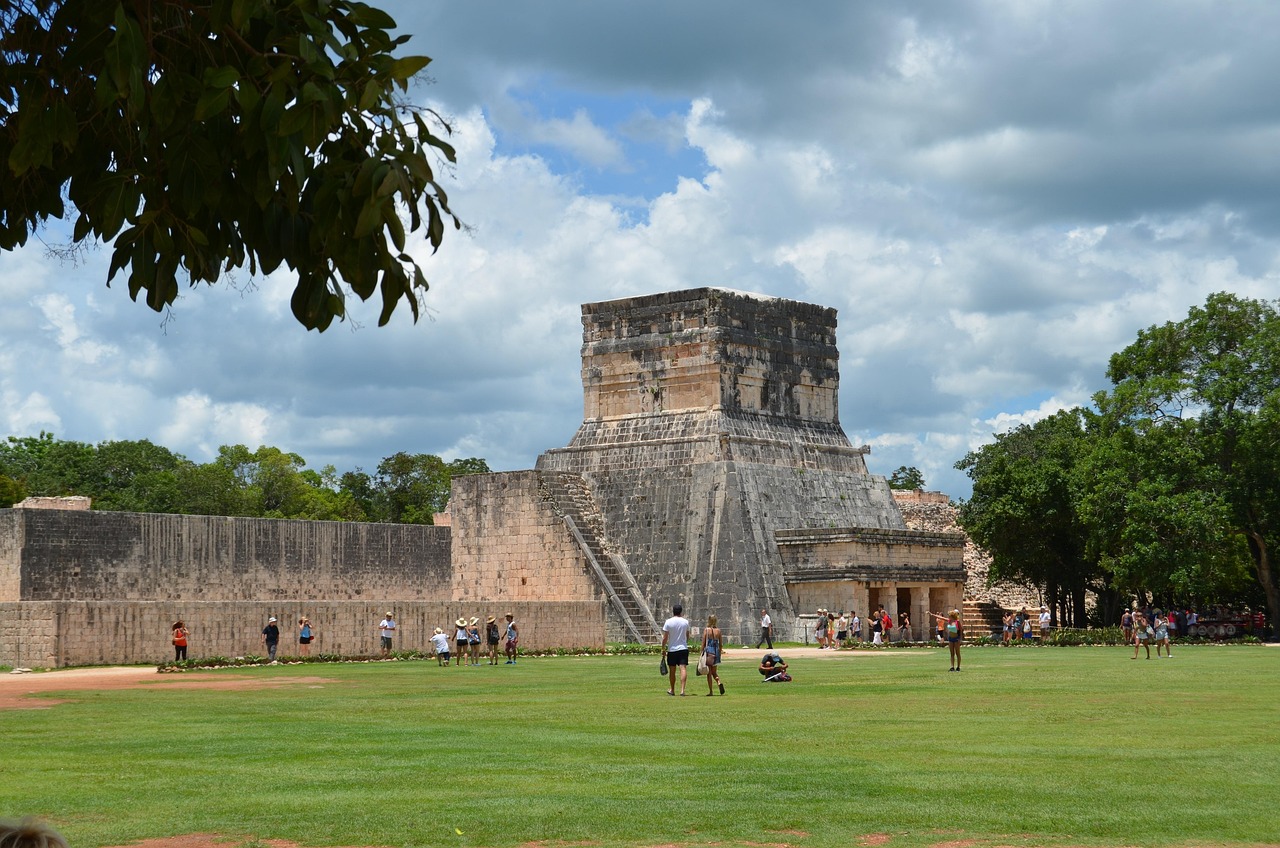
For clients who want a Maya visual influence without using sacred or readable symbols, border work is a strong option. Steps, terraces, woven-feeling geometry, temple silhouettes, and repeating blackwork can create a clear cultural reference while leaving space between appreciation and appropriation.
Respectful choices for Maya-inspired tattoos
Respect begins with precision. The ancient Maya were not a vanished fantasy civilization, and Maya people are not a single tribe frozen in the past. The Smithsonian’s Living Maya Time project states that more than seven million Maya live in their original homelands of Mesoamerica and around the world, with more than thirty living Maya languages. That matters because a tattoo that treats Maya culture as extinct can be inaccurate even when the art is technically well drawn. See also: tattoo care.
- Use better language. If you are writing about the design, use Maya-inspired tattoo, Maya glyph tattoo, or the specific community name when you know it.
- Do not mix Maya and Aztec symbols. The Aztec Sun Stone is frequently mislabeled online as a Maya calendar. It is not a Maya design.
- Avoid sacred names and unreadable text. A glyph can represent a sound, word, title, place, date, or name. Treat it like writing, not wallpaper.
- Separate heritage work from aesthetic work. A person with Maya ancestry may approach a design differently from someone drawn mainly to the visual style.
- Credit the influence honestly. Saying a tattoo is inspired by Maya art is better than claiming it is an exact ancient tattoo when the evidence does not support that.
- Choose an artist who researches. Look for clean linework, experience with geometric composition, and willingness to revise inaccurate references.
Placement, scale, and aging on skin
Maya-inspired tattoos often use dense linework, stepped geometry, and small internal details. Those elements need enough room to heal cleanly. A tiny glyph on the wrist may look sharp on the stencil but blur over time, especially if the design has many interior cuts or dots. For glyph panels, placements such as the upper arm, shoulder blade, calf, sternum, thigh, and back usually allow better readability.
Blackwork is often the most durable choice for Maya-inspired designs because high contrast supports both geometric edges and carved-stone effects. Color can work, especially red, black, earthy brown, and blue accents, but it should serve the composition rather than imitate museum objects too literally. If you are referencing body paint, remember that painted skin in Maya art was often temporary and role-specific. A tattoo based on body paint is therefore a modern translation, not necessarily a copy of a permanent ancient mark.
Ask your artist to simplify details before the stencil stage. A strong tattoo may use fewer glyph blocks, wider negative space, and clearer borders than the historical image that inspired it. Accuracy matters, but skin is not ceramic, stucco, or carved stone.
Frequently asked questions
Is Mayan indian tattoo the right term?
It is a common search phrase, but it is not the most precise term. Maya tattoo or Maya-inspired tattoo is usually better. If you know the specific community, language, or region connected to the design, use that name instead of a broad label.
Did the ancient Maya really have tattoos?
There is historical and archaeological evidence for tattooing, but it should be described carefully. Maya art and colonial accounts point to tattooing and scarification, and a 2025 archaeological study proposed two chert tools from a Belize cave as tattooing implements. However, preserved tattooed Maya skin is not the basis of the evidence.
Can I get a Maya glyph as a tattoo?
Yes, but do not treat glyphs as random patterns. A glyph may carry phonetic, calendrical, personal, or political meaning. If the design is meant to say something, verify it with a qualified source. If it is decorative, describe it as glyph-inspired rather than readable Maya writing.
What is the most respectful Maya tattoo idea for someone without Maya heritage?
A researched, clearly inspired design is usually safer than copying a sacred, funerary, royal, or readable symbol. Geometric borders, architectural rhythm, maize-inspired renewal themes, or a carefully contextualized jaguar can work when the design avoids false claims of identity.
Are Maya and Aztec tattoo designs the same?
No. They come from different cultures, places, histories, and visual systems. A common mistake is using the Aztec Sun Stone while calling it a Maya calendar tattoo. If you want a Maya design, check the source image before it reaches the stencil.
The takeaway
A Mayan indian tattoo search can lead to meaningful art, but only when the design moves beyond generic ancient imagery. The best Maya-inspired tattoos are specific, researched, readable as tattoos, and honest about what is known and what is interpretation. Treat Maya symbols as part of a living cultural world, not a decorative archive, and the final tattoo will have more depth than any copied design sheet can offer.