
What Is the Best Female Tattoo Placement for Your First Ink?
How Do You Choose a Female Tattoo Placement That Fits Real Life?
Choosing a female tattoo placement is not only about where a design looks nice on a stencil. It is also about how the tattoo sits when you walk, dress, work, sleep, train, and get older. A small moon on the wrist, a floral hip piece, or a fine-line quote along the ribs can all look good, but each spot comes with its own level of visibility, pain, and aftercare.
Tattoos are now common, not a small side trend. Pew Research Center reported in August 2023 that 32% of U.S. adults had at least one tattoo, and 38% of women had a tattoo compared with 27% of men. The same survey found that 56% of women ages 18 to 29 and 53% of women ages 30 to 49 had at least one tattoo, so placement choices are now part of normal personal style, not a niche decision. (pewresearch.org)

Lifestyle and Visibility
Start with your normal week. If you meet clients, wear uniforms, or work in a strict office, a wrist, finger, neck, or hand tattoo can draw more attention than you want on an ordinary workday. Upper ribs, hip, thigh, sternum, upper back, and inner arm spots give you more choice. You can show them with certain clothes and cover them without planning every outfit around the tattoo.
Pain Level and Skin Sensitivity
Pain is different for every client, and there is no solid public dataset that ranks every tattoo placement by pain for women. Even so, tattoo artists often say bony areas and thin-skin spots feel sharper. Ribs, feet, spine, sternum, elbow, and ankle can be hard for many people. Outer upper arm, outer thigh, calf, and shoulder are often easier for first-timers to handle.
Long-Term Shape and Movement
Your skin moves more than you may think. Areas that stretch, bend, or rub often need more careful design planning. The side of the finger fades faster for many people because hands are washed, rubbed, and used all day. The hip and stomach can also change with weight shifts, pregnancy, or muscle gain. This does not mean you must avoid those spots. It means the design should have enough room to age with your body.
Which Female Tattoo Placements Look Subtle Yet Personal?
Subtle placements work well when you want your tattoo to feel personal instead of loud. They are often chosen for first tattoos, memorial details, tiny florals, birth years, angel numbers, and small symbols. The main point is to pick a spot that looks clean but is not too hard to heal or too likely to blur.
Inner Wrist and Fine Lines
The inner wrist is a common choice because you can see it during the day. It works for small symbols, initials, short words, and fine-line designs. It also looks good in photos, especially with jewelry. Keep the design simple, because tiny letters with tight spacing can blur over time. Ask the artist to leave enough space between lines so the tattoo stays readable.
Rib and Side Body Designs
Rib tattoos feel private and clean. A small quote, botanical stem, butterfly, or ornamental line can follow the side body in a natural way. The tradeoff is pain, because ribs sit close to bone. Breathing also moves the skin while the artist is working. For a first tattoo, a small rib piece is usually more realistic than a large shaded panel.
Back of Neck and Behind Ear
The back of the neck and behind the ear are small-area placements. They work for stars, small flowers, symbols, numbers, or micro script. Hair can cover them, and updos can show them. That small reveal is why many clients like these spots. Be careful with detailed artwork here, because the space is limited and the skin can be sensitive.
What Female Tattoo Placements Work Best for Statement Pieces?
A statement tattoo needs enough space. It also needs a body area where the design can be read without looking squeezed. If you want a dragon, large rose, ornamental mandala, portrait, snake, peony, phoenix, or full script passage, placement is just as important as the artwork.
Forearm Art That Reads Clearly
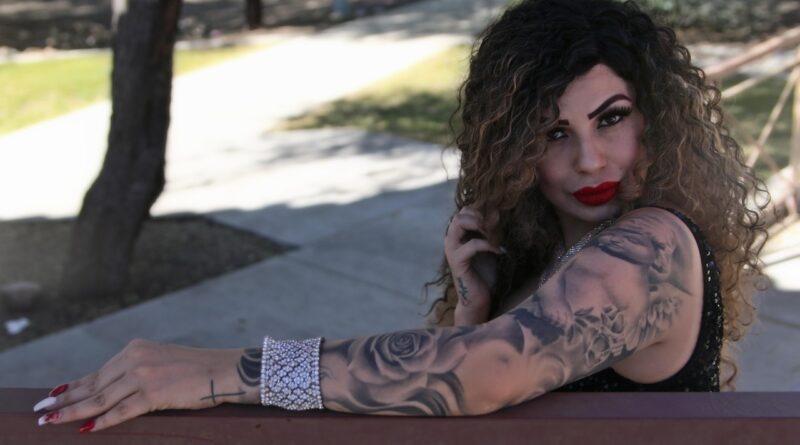
The forearm is one of the easier places to show detail. It is visible, fairly flat, and works well for linework, script, florals, and symbolic pieces. Outer forearm tattoos look more direct, while inner forearm tattoos feel a little more personal. If you use your hands a lot at work, the forearm still tends to heal better than fingers or palms because it gets less direct friction.
Shoulder and Upper Arm Flow
The shoulder and upper arm give the artist room to fit the tattoo to the body’s curve. This area works for floral wraps, ornamental shoulder caps, animals, suns, moons, and abstract designs. It is also easy to cover with a T-shirt. If you may want a sleeve later, say that before the first piece starts. Future spacing matters, and it is easier to plan early.
Thigh and Hip Space
The thigh gives a lot of room and is often more comfortable than ribs or feet. It suits large florals, script, vintage designs, butterflies, snakes, and fine-line scenes. Hip tattoos feel more private and feminine, but waistbands can rub during healing. Wear loose clothing during the first part of aftercare. Sweatpants may not be stylish, but they can make the healing period easier.
How Should Pain, Healing, and Safety Shape Your Placement?
A good placement still has to heal well. Before booking, think about friction, sweat, sun, shaving, gym habits, and how you sleep. A tattoo is made by putting ink through pierced skin, so the skin needs calm conditions after the session.
Thin Skin and Bony Areas Hurt More
Ribs, sternum, spine, ankle, foot, elbow, and kneecap usually feel stronger because there is less cushion. Softer areas like the outer thigh and upper arm can feel easier to manage. If you are nervous, choose a design that can be finished in one shorter session. A two-inch fine-line piece is a very different appointment from a five-hour shaded thigh tattoo.
Clean Studios and Safe Ink Matter
The U.S. Food and Drug Administration notes that tattoo inks and pigments are overseen as cosmetics, and it has received reports of infections from contaminated inks and allergic reactions to inks. The FDA also states that even sealed containers can carry bacteria or other microorganisms, so studio hygiene and professional sourcing matter. (fda.gov)
- Choose a licensed studio that opens sterile needles in front of you.
- Ask how the artist tracks ink brand, color, lot, and batch information.
- Avoid do-it-yourself kits, especially for hand, face, or intimate placements.
- Contact a health professional if redness, swelling, fever, rash, or unusual pain appears.
Sun Care Keeps Ink Brighter
Sun exposure affects placement more than many people expect. The American Academy of Dermatology advises protecting tattooed skin with broad-spectrum, water-resistant SPF 30 or higher, applied before sun exposure and reapplied at least every two hours. It also notes that UV light can fade some tattoo inks. For shoulder, collarbone, forearm, ankle, and back tattoos, sunscreen becomes part of regular care after healing. (aad.org) See also: tattoo care.
Where Should You Place Tattoos for Work, Family, and Fashion?
Placement becomes easier when you picture real situations. A job interview, a beach trip, a wedding guest dress, or a family dinner can all change how visible the tattoo feels. The best spot gives you control. You choose when the tattoo is seen and when it stays private.
Easy Cover Spots for Office Days
Upper arm, upper back, ribs, hip, thigh, shoulder blade, and ankle are easy to cover for most workplaces. Wrist and forearm tattoos can still work if your office is relaxed, but they are harder to hide in warm weather. Neck, hand, and finger tattoos are the least private. Think carefully before choosing them as your first placement.
Placement With Clothes You Actually Wear
Your regular clothes should guide the spot. If you often wear sleeveless tops, a shoulder tattoo will show a lot. If you wear high-waisted jeans every day, a fresh hip tattoo may rub while it heals. If you like open sandals, ankle and foot tattoos will be seen more than you may expect. Placement should fit the wardrobe you really use, not the one you imagine for photos.
Travel, Weddings, and Photos
Some placements work well in photos. Collarbone tattoos suit open necklines, and back tattoos show clearly in low-back or open-back dresses. Thigh tattoos work with swimwear and festival outfits. If you have a big event coming, book early. Many artists recommend avoiding swimming, heavy sun, and tight clothing during early healing, so a fresh tattoo one week before vacation is usually poor timing.
How Can You Match Placement With Design Size and Meaning?
Meaning should work with the body, not fight it. A placement can make a tattoo feel softer, stronger, more private, or more direct. Pew Research Center found in 2023 that 69% of tattooed U.S. adults said honoring or remembering someone or something was a reason for their tattoo, while 47% cited making a statement about beliefs and 32% cited improving appearance. That mix shows why placement carries emotion as well as visual value. (pewresearch.org)
Small Symbols Need Calm Skin
Small tattoos usually look best on areas that do not distort too much. Inner wrist, upper arm, ankle, shoulder, and back of neck can all work well. Do not make tiny details too small. A small star is fine, but a miniature garden with five flowers, initials, and a date may turn into a soft blur later.
Script Needs Room to Breathe
Script tattoos need spacing. Forearm, ribs, collarbone, spine, and upper back are common choices because they give the words a clean line. Very small cursive on the finger or behind the ear may look nice on day one but lose clarity faster. If the phrase matters, let it stay readable. There is no need to squeeze a life motto into half an inch.
Memorial Tattoos Deserve Daily Comfort
A memorial tattoo should feel comfortable to live with. Some people want to see it every day on the wrist or forearm. Others prefer a private place near the ribs, heart, or shoulder blade. Choose the level of visibility that supports you. If the design carries grief, love, faith, or family history, rushing the placement usually does not help.
FAQ
Q1: What Is the Most Popular Female Tattoo Placement? A: There is no single verified global ranking for women’s tattoo placements. In studio practice, wrists, forearms, ribs, shoulders, ankles, hips, thighs, and collarbones are common because they balance style, visibility, and design space.
Q2: What Is the Least Painful Tattoo Placement for Women? A: Many clients find the outer upper arm, outer thigh, calf, and shoulder more manageable because these areas have more cushion. Pain still depends on your body, session length, shading, and stress level.
Q3: Where Should You Put a First Tattoo if You Need to Hide It? A: Upper arm, ribs, hip, thigh, shoulder blade, and upper back are practical choices. They are easy to cover with normal clothes but still easy to show when you want.
Q4: Are Finger Tattoos a Good Female Tattoo Placement? A: Finger tattoos can look stylish, but they often fade faster because hands wash, rub, and move all day. They are better for simple symbols and for people who accept touch-ups.
Q5: How Long Should You Wait Before Showing a New Tattoo in the Sun? A: Follow your artist’s aftercare first. After the skin fully heals, protect it with broad-spectrum SPF 30 or higher, especially on exposed placements like the forearm, shoulder, ankle, and collarbone.