
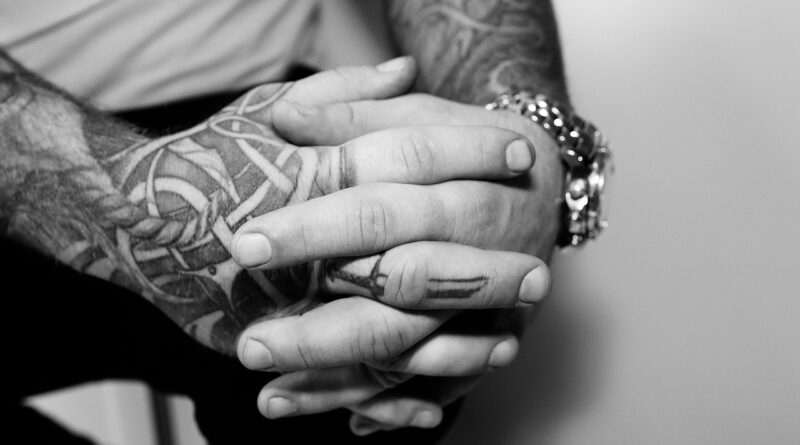
Why Are Black Culture Tattoos More Than Just Beautiful Ink?
Why Do Black Culture Tattoos Carry So Much Meaning?
Black culture tattoos are not just decoration for many clients. They often sit next to memory, identity, grief, pride, style, and faith at the same time. If you are looking into this part of tattoo culture, start with a basic question: what does this image mean before it goes on your skin? A good tattoo can read well from across the room and still hold a story that only your family, your block, or your own life can fully understand.
Memory Lives Close to the Skin
Memorial work is one of the main reasons people get tattoos, and it comes up a lot in Black culture tattoos. Pew Research Center reported in August 2023 that 69% of tattooed U.S. adults said honoring or remembering someone or something was a major or minor reason for at least one tattoo. In a studio, that may be a grandmother’s birth year, a child’s name, a portrait, a church phrase, a pair of praying hands, or a flower from a funeral program. Details need checking here, because a date in the wrong format, a misspelled middle name, or a rushed portrait can hurt more than people expect.
Belief Becomes a Visible Statement
Black culture tattoos also show values. In the same 2023 Pew survey, 56% of tattooed Black adults said making a statement about what they believe was a reason for their tattoo. That number gives useful background, but it does not mean every design is political. A belief tattoo might quote scripture, honor a civil rights figure, mark survival after illness, or show loyalty to a family name. The tattoo does not need to explain itself to every stranger. It just needs to still feel true after the trend has passed.
Beauty Still Has a Voice
Meaning and beauty can sit together. Pew also found that 42% of tattooed Black adults said improving personal appearance was a reason for their tattoos. Style is part of culture too, so this point should not be ignored. A clean sternum design, a fine-line collarbone piece, or a bold blackwork sleeve can be about confidence as much as symbolism. Sometimes the honest reason is simple: it looks good and it feels like you. That is fair, as long as the design respects the references it uses.
How Do African and Diaspora Roots Shape Modern Designs?
Modern Black tattoo culture draws from many places: African visual systems, African American history, Caribbean memory, Afro-Latin identity, hip-hop, church life, barbershop style, fashion, and family archives. No single image can stand for all Black people. Pew Research Center’s 2023 U.S. Black population fact sheet estimated that 48.3 million people in the United States identified as Black, including more than 5 million who were foreign born. That range of background is one reason careful design choices matter.
Ancestral Marks and Body Language
The Smithsonian National Museum of African Art has described the body in African art as a primary canvas for inscriptions such as scarification and tattooing, tied to meaning, memory, and identity. This does not mean every modern tattoo should copy a traditional mark. It means body marking has long roots in many societies, and skin has often worked like a living page. If you choose a design inspired by African body art, treat it as more than a pattern. Ask where it comes from, who used it, and whether it was tied to rank, ceremony, family, protection, or beauty.
Symbols Need Real Research
Adinkra symbols, cowrie shells, African masks, continent outlines, and script from African languages can all make strong tattoos. They can also be used badly when copied from random flash sheets. A Sankofa symbol, for example, points to learning from the past in Akan visual culture, but it should not be dropped into a design just to fill empty space. Before booking, bring your artist clear references from museum pages, books, or cultural organizations. If a source cannot explain a symbol beyond “tribal,” keep looking.
Diaspora Stories Can Share One Skin
Many Black culture tattoos bring several histories together. A sleeve might include a family portrait, a Caribbean island map, cotton flowers, a jazz trumpet, and a Bible verse. That kind of mix can work when each element has space. It gets hard to read when ten big ideas fight for attention in one small area. A good artist may suggest moving themes across the arm, chest, or back. Listen to that advice, because skin is not a poster board and even a good story needs room.
Which Design Ideas Work Well for Black Culture Tattoos?
The best design is not always the most complicated one. Strong Black culture tattoos usually have one clear center: a person, a word, a place, a symbol, or a feeling. There is no reliable public database that counts how many Black culture tattoo designs are made each year by motif, so claims like “the most popular Black tattoo of the year” should be handled with care. Even so, studio portfolios and client conversations point to several common directions.
Portraits, Names, and Memorial Script
Portrait tattoos can honor parents, children, grandparents, artists, athletes, or leaders. For darker skin tones, portrait work often needs solid contrast, clean shading, and enough size to age well. Tiny faces lose detail faster, especially after years of sun and normal skin changes. Names and script can carry the same weight, but script also needs space. Before approving the stencil, check every letter in a mirror and in a normal photo. It sounds plain, but this five-minute check can save years of annoyance.
African Symbols, Maps, and Pattern Work
Designs connected to African heritage often use maps, textiles, geometric borders, cowries, masks, or symbolic animals. These ideas can look good in black ink with clear negative space. The design usually works better when it has one main point instead of too many small references. Useful planning ideas include:
- Choose one main symbol instead of stacking several unrelated icons.
- Ask what the symbol means in its original setting.
- Let pattern work frame the body rather than cover every inch.
- Keep tiny details out of high-friction spots like fingers and inner wrists.
Music, Faith, and Neighborhood References
Black culture tattoos often carry sound and place. A music note can point to gospel, jazz, blues, R&B, hip-hop, or a specific song played at home every Sunday. A street sign, area code, skyline, or train line can mark where you were shaped. Faith tattoos are still common too, from psalms to crosses to angels. The main issue is avoiding a design that looks like a copy of hundreds of others. Add one detail from real life, such as a handwritten phrase, a local flower, a family nickname, or a small object tied to an actual memory.
How Should You Plan a Tattoo on Melanated Skin?
Tattooing melanated skin is not about limiting your choices. It is about planning for contrast, healing, and long-term readability. Good artists know that skin tone changes how ink looks after it heals. Bright colors may not match the paper mockup, and pale colors can settle close to the skin tone. That is not a problem. It is part of the work.
Contrast Matters More Than Hype
High contrast usually holds better over time than low contrast. Black ink, deep red, dark green, rich blue, and warm earth tones can work well, but results depend on your skin tone, placement, artist, and aftercare. White ink highlights can look sharp at first, then settle softly or fade. If an artist says every color will heal exactly like the mockup, slow down and ask more questions. Skin is living tissue. Ink changes after swelling goes down, after peeling ends, and after the first summer of sun.
Portfolio Photos on Similar Skin Tones
Ask to see healed photos on skin close to yours, not only fresh tattoos taken under clean studio lights. Fresh tattoos are swollen, glossy, and full of contrast, so they do not tell the whole story. Healed photos show what the work really looks like after time passes. Look for smooth shading, clear lines, and readable details after a few months. If a portfolio has no melanated skin at all, it does not automatically mean the artist cannot do the job. It does mean you should ask more questions before booking.
Test Spots and Honest Color Talk
For larger color pieces, a small test spot can help you see how certain inks heal. Not every artist offers this, and not every tattoo needs it, but it can be useful for big sleeves, coverups, or first-time color work. Be direct about past scars, eczema, keloids, allergies, or slow healing. A professional artist should not shame you for that information. They should adjust the plan, suggest a safer placement, or tell you when to check with a dermatologist first. See also: tattoo care.
What Safety Issues Should You Ask About Before Booking?
A good tattoo still breaks the skin, so safety is part of the design process. This is not the fun part of planning, but it is the part that protects your body. Black culture tattoos often carry family meaning, and nobody wants a memorial piece connected with an avoidable infection or scar.
Licensing, Sterile Water, and Fresh Needles
The CDC reported tattoo-associated nontuberculous mycobacterial infection clusters in 2011 and 2012, with 22 confirmed cases across several states; contaminated ink and nonsterile dilution were part of the investigation. Earlier CDC reporting from 2004 to 2005 described 44 tattoo-related MRSA cases linked to unlicensed tattooists in three states. The point is practical, not meant to scare you. Choose a licensed studio, ask about single-use needles, watch for fresh gloves, and avoid bargain setups in homes, parties, or hotel rooms.
Keloid Risk and Scar History
The American Academy of Dermatology notes that, in the United States, Black people between ages 10 and 30 have the greatest risk of developing keloids. A tattoo does not automatically cause a keloid, but it is still a skin injury, so your scar history matters. If your chest, shoulders, jawline, or ears have raised scars, talk to a dermatologist before tattooing those areas. Changing placement is better than spending years managing a raised scar over a design you cared about.
Aftercare That Fits Real Life
The FDA says redness, warmth, and swelling can happen after tattooing, but a rash, bumps, poor healing, or fever should be discussed with a health care professional. Aftercare needs to fit your normal routine, not an ideal week that you cannot actually manage. If you work in a warehouse, train hard, wear tight uniforms, or care for small kids, tell your artist. You may need breathable clothing, softer washing, less friction, or a different appointment date. The best aftercare plan is the one you can really follow.
How Can You Avoid Cultural Mistakes With Black Culture Tattoos?
Cultural mistakes often happen when someone treats a meaningful image like a sticker. Black culture tattoos deserve more care than that. You do not need a museum paper for every rose, but you should know the difference between personal tribute, shared cultural pride, and borrowing something sacred without context.
Context Before Aesthetic
Start with meaning, then talk about style. If a symbol comes from a specific ethnic group, religious practice, or initiation tradition, ask whether it is appropriate for your use. Some designs are open, some are personal, and some are not yours to wear. The answer may also depend on your own background. Taking time here can turn a thin idea into a better tattoo.
Personal Links Over Random Icons
A tattoo usually gets stronger when it connects to your real life. Instead of choosing a generic “queen” design, you might use your mother’s favorite flower with a crown worked into the stem. Instead of a random Africa map, you might mark the country, island, or migration story tied to your family. If that history is still being researched, leave space in the design. Skin can hold chapters, and not every chapter needs to be finished at the first appointment.
Artist Collaboration With Clear Boundaries
Bring references, but let the artist draw. A tattoo artist is not a copy machine, and a strong custom piece needs trust. At the same time, set clear boundaries around faces, names, sacred symbols, and spelling. If the artist pushes a cultural detail that feels wrong, say it before the stencil goes on. Good collaboration should feel direct and respectful, even if it takes a little longer. That extra time is often where the better tattoo shows up.
FAQ
Q1: Are Black Culture Tattoos Only for Black People? A: Some designs are personal or culturally specific, while others can be appreciated more widely. If you are not part of the culture, choose with respect, avoid sacred or private symbols, and know the history before wearing the image.
Q2: What Colors Look Best on Melanated Skin? A: Black ink and rich, high-contrast colors often read well, but results vary by skin tone and artist skill. Ask for healed portfolio photos on similar skin before choosing a palette.
Q3: Are African Symbols Safe to Use in a Tattoo? A: Many can be used respectfully, but only after proper research. Learn the symbol’s origin, meaning, and cultural setting instead of copying a random online graphic.
Q4: Should You Choose a Black Tattoo Artist? A: A Black artist may bring useful lived context, especially for cultural themes and melanated skin. Skill, healed work, hygiene, communication, and respect still matter most.
Q5: How Do You Make a Black Culture Tattoo Age Well? A: Keep the design clear, use enough size for detail, choose strong contrast, protect it from sun, follow aftercare, and return for touchups only after full healing.