

Which Tattoo Styles with Examples Will Actually Suit You Best?
Why Do Tattoo Styles with Examples Matter Before You Book?
Choosing tattoo styles with examples is easier than picking a design from a saved folder and hoping it works. A style decides how the tattoo uses line, color, shading, open skin, and size. If you are still comparing ideas, start with this guide and the wider tattoo styles category, so your next studio visit is based on clear references instead of guesswork.
Style Sets the Visual Rules
Every tattoo style has its own rules. American traditional uses bold outlines and solid color blocks, while Fine line relies on thin, clean marks. Realism needs soft shading and enough skin area to show detail. Once you know the style, it is easier to judge whether a rose, tiger, date, portrait, or sleeve idea will still look clear after healing.
Examples Make Size and Placement Clear
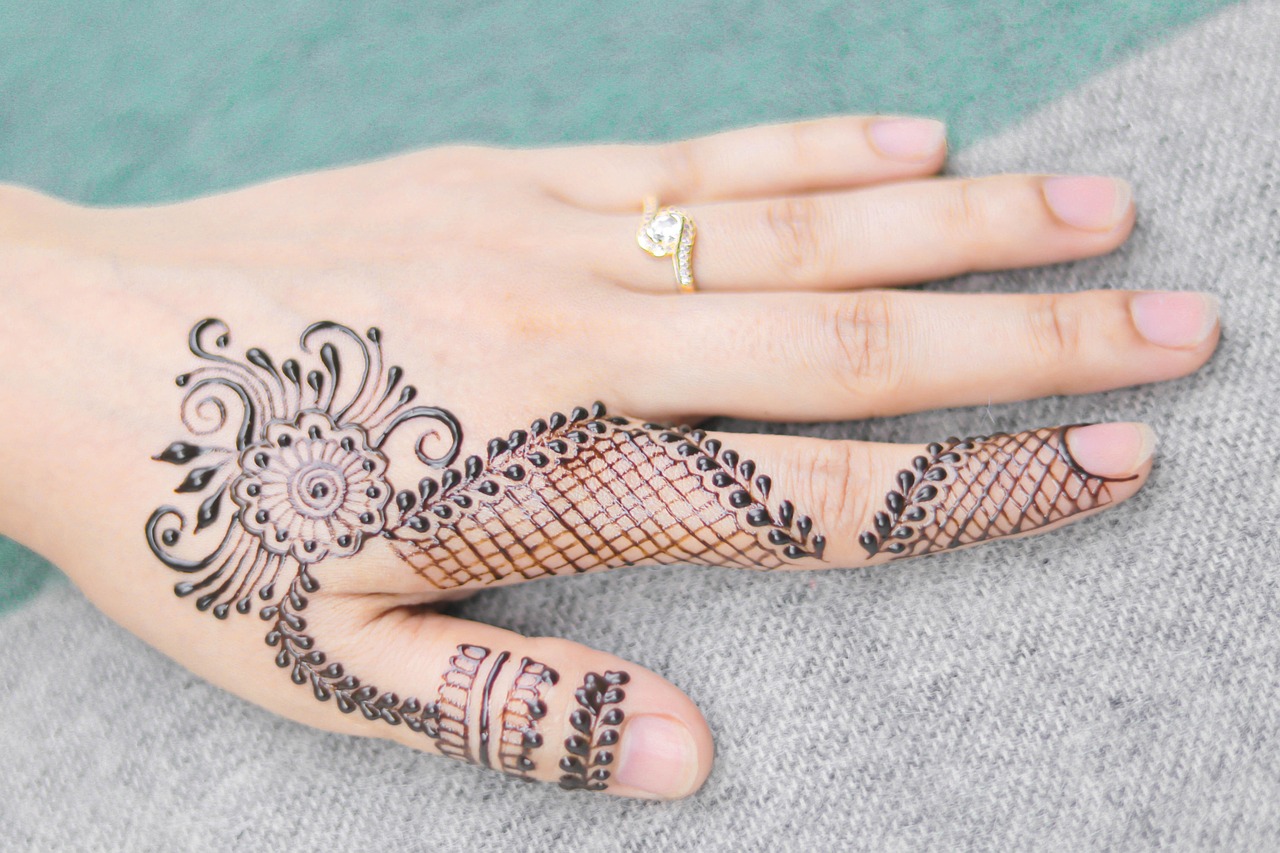
A design that works as a seven-inch forearm tattoo may not work as a one-inch finger tattoo. Examples help you see scale before the stencil is made. A small crescent moon can sit well near the ankle, but a detailed wolf face needs more room. Bring two or three examples to your artist, then let the artist adjust size, spacing, and flow for your body.
Source Data Shows Tattoos Are Mainstream
Pew Research Center surveyed 8,480 U.S. adults from July 10 to July 16, 2023, and reported that 32% of adults had at least one tattoo, including 22% with more than one. Pew also found that 69% of tattooed adults got tattooed to honor or remember someone or something. The point is simple: style is not only decoration. It often connects with memory, identity, and personal taste. There is no reliable public dataset that ranks every tattoo style across all studios, so style popularity claims should be treated as trend talk, not hard fact.
Which Classic Tattoo Styles Stay Readable for Years?
Classic tattoo styles stay popular because they are easy to read on skin. They use strong shapes, clear contrast, and layouts that tattooers have tested for years. If you want a tattoo that can be seen clearly from across a room, these styles are worth checking before you follow a short-video trend.
American Traditional for Bold Symbols
American traditional works well for swallows, roses, daggers, eagles, ships, panthers, and heart banners. The look is direct but not boring: thick black outlines, limited colors, and strong silhouettes. A palm-sized rose on the calf or a dagger through a heart on the upper arm can stay clear over time. The design holds up because contrast is built into the style from the start.
Japanese Irezumi for Large Flowing Stories
Japanese-style tattooing fits sleeves, back pieces, chest panels, and thigh work. Common examples include koi moving through waves, dragons with clouds, peonies, tigers, snakes, and masks. Good Japanese Irezumi does not place motifs on the skin like separate stickers. The background flow matters because it helps the whole tattoo move with the shoulder, ribs, or arm.
Black and Grey Realism for Portrait Depth
Black and grey realism suits portraits, statues, lions, roses, clocks, religious imagery, and memorial tattoos. This style needs enough space for smooth shading and expression. A parent portrait squeezed into two inches will usually lose detail. Ask to see healed examples, not only fresh photos. Realism depends on soft gradients, and those gradients can look different after several months.
Which Modern Tattoo Styles Fit a Cleaner Look?
Modern styles often suit people who want less visual weight. They can look quiet, personal, and easy to wear with daily clothes. Clean does not mean easy, though. The smaller and lighter the tattoo is, the more every tiny line matters.
Fine Line for Quiet Detail
Fine line tattoos use thin needles and a light look on the skin. Good examples include small florals, pet outlines, birth flowers, tiny script, and delicate ornaments along the collarbone or inner arm. This style can look clean and personal. It should not be filled with too many small details. Skin is not paper, and thin lines can soften as they heal.
Minimalist for Small Daily Symbols
Minimalist tattoos suit people who want a mark that feels personal without drawing too much attention. Examples include a small mountain range, one clean wave, a simple sun, a two-word phrase, or matching sibling symbols. The main skill is knowing what to leave out. A minimalist tattoo can fail when too many ideas are pushed into a tiny space. Simple shapes usually age better than crowded ones.
Geometric and Dotwork for Pattern Lovers
Geometric and dotwork tattoos use symmetry, repeated shapes, mandalas, lines, and dots to build texture. A sternum mandala, forearm band, or shoulder pattern can look sharp when the stencil fits the body. The artist has to plan for curves, muscle movement, and breathing. This is not a style to rush. One uneven line near the center can bother you for years.
Which Expressive Tattoo Styles Bring More Color and Motion?
If you like strong personality, color-led styles may fit better than a small black symbol. These styles can feel playful, bold, or painterly. They still need good contrast. Color without structure can look muddy after sun exposure and normal skin aging.
Watercolor for Soft Edges
Watercolor tattoos copy paint washes, splashes, and soft color changes. Examples include a hummingbird with blue and purple splatter, a flower with loose pink edges, or an abstract brush mark behind a black outline. There is no solid public data proving one style ages worse than another. For watercolor, healed portfolios and clear contrast are more useful than online claims.
Neo Traditional for Rich Color
Neo traditional keeps the bold base of old-school tattooing and adds fuller palettes, deeper shading, and more decorative detail. Popular examples include foxes, moths, snakes, lady heads, beetles, jewels, and floral frames. It is a good choice if you want color and detail without losing readability. From a few feet away, the tattoo should still have a clear shape.
New School for Cartoon Energy
New school tattoos are loud on purpose. They use exaggerated proportions, bright color, bold outlines, and comic-like movement. A playful frog, gaming-inspired character, graffiti-style skull, or oversized food tattoo can fit this style. It is not for everyone, and that is part of the appeal. New School suits people who enjoy humor and high visual energy. The design should feel intentional, not random. A good artist will still build it with solid structure under the fun parts. See also: tattoo care.
How Should You Match a Style to Placement and Skin?
Placement changes the whole design. A tattoo style that looks right on the forearm may not suit the ribs, fingers, or neck. Skin tone, work setting, sun exposure, and pain tolerance also matter. The goal is not to pick the most talked-about style. The goal is to pick a style that can live well on your body.
Large Areas Need Bigger Structure
Backs, thighs, chests, and full arms can carry bigger stories. Japanese, realism, ornamental, blackwork, and neo traditional designs often use this space well. A dragon sleeve needs room for the head, claws, scales, clouds, and movement. If the layout is planned properly, blank skin becomes part of the design. It should not feel like leftover space.
Small Spots Need Simple Shapes
Fingers, wrists, behind the ear, ankles, and ribs often need simpler designs. A tiny script name, mini star, small flower, or one-line symbol can work in these areas. Very small detail may blur over time. Spots with friction, frequent washing, or heavy sun can fade faster in daily life. That is why many artists warn clients against over-detailed finger tattoos.
Skin Tone and Aging Affect Contrast
High contrast usually stays easier to read than low contrast. On deeper skin tones, bold black, rich color choices, and enough negative space can help the design stand out. On very light skin, pale colors may look bright at first but soften later. Your skin also changes with age and sun exposure. Ask your artist for healed examples on skin tones close to yours. That one step can prevent a lot of regret.
What Should You Check Before Choosing an Artist?
The right artist matters more than the style label. A great Fine line artist may not be the right person for a full Japanese back piece. A strong traditional tattooer may not be the best match for a soft portrait. Match the artist to the work, not just to the nearest open appointment.
Portfolio Match Comes First
Look for repeated proof in the artist’s work. One good photo is not enough. You want to see steady results across bodies, placements, and healed tattoos. A useful portfolio check includes:
- Fresh and healed photos in the style you want.
- Clean line work at close range.
- Designs that fit the body part, not just the camera angle.
- Examples on skin tones similar to yours when possible.
Health and Ink Safety Still Matter
The U.S. Food and Drug Administration states in its tattoo safety guidance that tattoo inks and pigments are subject to FDA oversight as cosmetics, and that it has received reports of infections from contaminated inks and allergic reactions to inks. The FDA also notes that sealed ink can still harbor microorganisms. It also states that no pigments are approved by the FDA for injection into the skin for cosmetic purposes. Before you book, ask about sterile needles, single-use supplies, ink labels, licensing, and cleaning practices.
Aftercare Protects the Final Look
The American Academy of Dermatology warns that tattoo reactions may appear right away or weeks, years, even decades later. It lists spreading redness, worsening pain, pus, fever, chills, and open sores as signs that need medical care. Follow your artist’s aftercare instructions and avoid swimming during early healing. Do not pick scabs, and protect healed tattoos from heavy sun.
FAQ
Q1: What Tattoo Style Is Best for a First Tattoo? A: American traditional, minimalist, fine line, and small blackwork designs are common first choices because they are easier to plan and place. The best option depends on your pain tolerance, placement, budget, and how visible you want the tattoo to be.
Q2: Which Tattoo Styles Age Best? A: Styles with clear outlines, strong contrast, and enough spacing usually age more clearly. American traditional, blackwork, and many neo traditional designs often hold readability well. Artist skill, skin, sun exposure, and aftercare still matter as much as the style name.
Q3: Are Fine Line Tattoos a Bad Idea? A: No, but they need realistic expectations. Fine line tattoos can look beautiful on low-friction areas with simple designs. They may soften over time, so avoid packing tiny lettering, faces, or detailed scenery into a very small space.
Q4: How Many Examples Should You Bring to a Tattoo Appointment? A: Bring three to five examples that show style, mood, and placement. Do not ask for a direct copy. Use examples to explain what you like, such as line weight, color, subject, or layout, then let the artist create a custom design.
Q5: Is There Reliable Data Showing the Most Popular Tattoo Style? A: There is reliable public data showing how common tattoos are, such as Pew Research Center’s 2023 U.S. survey, but there is no neutral public dataset that ranks every tattoo style across studios. For style choice, healed portfolios are more useful than popularity claims.