
What Is the Best Tattoo Skin Care Routine for Fresh and Healed Ink?
Why Does Tattoo Skin Care Matter After You Get Inked?
Tattoo skin care begins as soon as you leave the chair, because fresh ink is sitting in skin that needles have just opened. For a step-by-step routine after your session, keep this tattoo aftercare guide close during the first week. Good care does not need many products. It mostly comes down to clean hands, gentle washing, light moisture, less rubbing, and noticing when the skin does not look right.
Tattoos are not rare anymore. Pew Research Center reported from a survey conducted July 10 to July 16, 2023, that 32% of U.S. adults have at least one tattoo, based on 8,480 adults. That means clear skin care advice matters for many people, from someone with a small wrist tattoo to collectors with full sleeves. (pewresearch.org)
Your Tattoo Starts as a Controlled Skin Injury
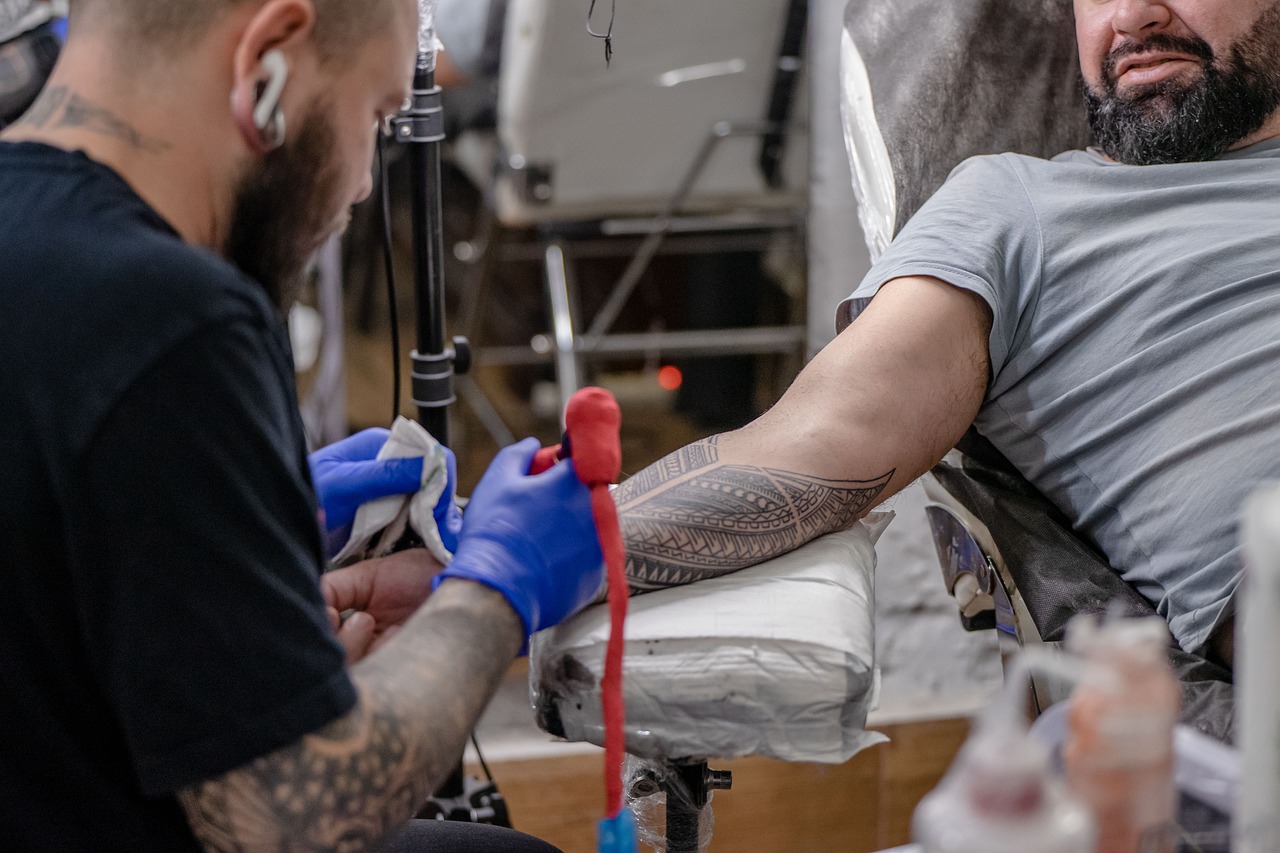
A professional tattoo is planned work, but it still breaks the skin barrier. The FDA explains that tattooing puts ink into the skin with needles or similar equipment. Once that barrier is open, germs have a route in, so the first few days should be handled more like care for a shallow wound than care for finished artwork. (fda.gov)
Clean Healing Keeps Lines and Color More Stable
Clean healing helps the tattoo settle with fewer setbacks. Cleveland Clinic notes that poor aftercare can lead to infection, rashes, scarring, or smudged-looking tattoos, and it recommends gentle washing and moisturizing during healing. That advice may sound simple, but in daily use, simple steps are usually the ones that keep the skin on track. (health.clevelandclinic.org)
Long-Term Care Protects the Artwork and the Skin
After the peeling stage, the work changes. You are no longer caring for an open wound, but the tattoo is still sitting in living skin. Dryness, sunburn, tanning beds, and harsh product choices can make healed ink look flat sooner than expected. The tattoo may be permanent, but the skin around it changes every day.
What Should You Do in the First 24 Hours?
The first 24 hours matter because the skin is still fresh and easy to irritate. Your artist may use plastic wrap, a sterile absorbent pad, or a clear adhesive film. Follow the timing from the artist because placement, tattoo size, skin type, and bleeding can change the plan. A small ankle tattoo and a packed blackwork shoulder piece will not heal in exactly the same way.
Leave the Bandage on for the Time Given
The first cover helps protect the tattoo from dust, clothing, car seats, backpacks, and hands that should not be touching it. Do not keep lifting it to check the tattoo. If the bandage leaks heavily, slides off, or fills with more fluid than your artist said to expect, contact the studio and ask what to do. Guessing on day one can create problems that were easy to avoid.
Wash Your Hands Before Touching It
Before you remove the cover, wash your hands with soap and water. This small step prevents many avoidable issues. Rings, phone screens, gym bags, and steering wheels carry more dirt than most people think about. If you need to touch the tattoo, clean hands should come first every time.
Clean With Mild Soap and Lukewarm Water
When it is time to wash, use lukewarm water and mild, fragrance-free soap. Move slowly with clean fingertips. Do not scrub with a towel, loofah, sponge, or exfoliating glove. Rinse away surface fluid, extra ointment, and dried plasma, and keep the water comfortable because hot water can sting and add irritation.
How Should You Wash and Moisturize a New Tattoo?
Most new tattoos do well with a simple pattern: wash, dry, apply a light layer of moisturizer, then leave the skin alone. More product does not mean better healing. The aim is skin that feels comfortable, not wet, shiny, or covered under a thick layer.
Pat Dry With a Clean Paper Towel
After washing, pat the tattoo dry instead of rubbing it. A clean paper towel is often safer than a bath towel during early healing because household towels may carry lint, detergent residue, pet hair, or bacteria. Let the skin sit in the air for a short time before applying moisturizer. It should not be dripping when product goes on.
Use a Thin Layer of Fragrance-Free Lotion
Choose a gentle, fragrance-free lotion or the aftercare product your artist recommends. Apply a thin layer, then leave it alone. If the tattoo looks greasy or your shirt sticks to it, you likely used too much. The skin needs moisture, but it also needs air and time to rebuild its normal surface.
Avoid Over-Moisturizing and Heavy Petroleum
The American Academy of Dermatology warns that petroleum-based products, such as petroleum jelly, can cause tattoo ink to fade. Some artists may use certain ointments for a short period, so follow the instructions you were given. Still, heavy petroleum should not be treated as a daily tattoo lotion for every situation. A small, light amount is usually better than a shiny coat. (aad.org)
Which Daily Habits and Mistakes Affect Healing?
Aftercare is not only about what comes out of a bottle. Clothes, workouts, shower habits, pets, and sleep position all touch the healing process. Real life gets messy: a sleeve catches a scab, a dog jumps on your leg, or you forget and press a fresh shoulder tattoo against a gym bench. These small things can add up over a few days.
Loose Clothing Reduces Rubbing
Wear clean, loose clothing over the tattoo when you can. Tight denim over a thigh tattoo or a firm bra strap over a shoulder piece can rub the surface for hours. Friction may irritate the skin, disturb flakes, and make the area feel warmer than it should. Soft cotton is plain, but it does the job.
Showers Are Safer Than Soaking
Short showers are usually easier on a new tattoo than baths. Avoid soaking the tattoo in bathtubs, pools, lakes, hot tubs, and ocean water until it has fully healed. Soaking can soften scabs and expose the area to germs. Sweaty workouts can also irritate fresh ink, especially under tight athletic clothing.
Picking Scabs Can Pull Pigment
Flaking and light scabbing can look rough for a few days. Let it happen instead of picking at it. Pulling scabs can remove pigment, leave patchy spots, and raise the chance of scarring. Even if a flake is hanging by a small edge, leave it until the skin lets go on its own. See also: tattoo culture.
When Should You Worry About Infection or Allergy?
Some redness, swelling, warmth, and soreness can be normal in the early stage, especially after a large tattoo or a long session. The concern starts when symptoms get worse instead of better, spread beyond the tattoo, or come with fluid, fever, or strong pain. At that point, waiting it out is not a smart move. It is safer to get medical advice.
Redness That Spreads Needs Attention
The CDC says cellulitis, a bacterial infection of deeper skin layers, can involve redness, swelling, pain, and warmth. It also says people should seek medical attention right away if redness spreads quickly or fever or chills develop. For a tattoo, redness moving outside the design is a warning sign, not just normal tattoo color. (cdc.gov)
Pus Fever or Worsening Pain Are Warning Signs
Call a health professional if you notice pus, red streaks, a bad smell, worsening pain, swollen lymph nodes, fever, chills, or skin that keeps getting hotter. Do not put alcohol, peroxide, or random antibiotic creams on the tattoo unless a clinician tells you to use them. Those products can irritate skin or make it harder to see what is really going on. A quick call is better than covering up the problem.
Ink Reactions Can Look Different From Infection
Reactions are not always caused by poor aftercare. The FDA has received reports of illnesses tied to microbially contaminated tattoo inks, and it reported that from 2003 through 2024, firms conducted 18 voluntary recalls of tattoo inks contaminated with microorganisms. Allergic reactions can also happen, sometimes showing as bumps, itching, or rash in one color area. If the reaction stays in one ink color or keeps returning, ask a health professional to look at it. (fda.gov)
How Do You Care for a Fully Healed Tattoo?
Once the skin is closed and smooth, the routine can be easier, but it should not stop. Healed tattoos usually need the same care as healthy skin: sun protection, regular moisture, and a quick check from time to time. In practice, expensive ink often holds up better because of ordinary daily habits, not because of complicated products.
SPF 30 or Higher Belongs in Your Routine
The American Academy of Dermatology recommends broad-spectrum, water-resistant sunscreen with SPF 30 or higher when tattooed skin is in the sun. The CDC reported in a 2026 MMWR article using 2024 U.S. adult data that about 88 million adults get at least one sunburn each year, and about 18 million get four or more. Sunburn is painful, and it can also make tattooed skin peel and age faster. For exposed healed tattoos, sunscreen should be part of normal outdoor care. (aad.org)
Simple Moisturizer Helps Skin Look Even
A healed tattoo looks clearer when the surrounding skin is not dry and flaky. Use a simple daily moisturizer after showering or whenever the skin feels tight. You do not need a full shelf of products. Fragrance-free lotion, enough water, and less sun exposure will help more than most costly creams.
Skin Checks Still Matter Around Tattoos
Look at your tattooed skin during normal grooming. The AAD notes that a tattoo can make early signs of skin cancer harder to see. Watch for changing spots, unusual bumps, bleeding areas, or moles that shift in shape or color. If something looks different and keeps changing, have a dermatologist check it.
FAQ
Q1: How Long Does a New Tattoo Need Special Skin Care? A: Most tattoos need focused care for about 2 to 4 weeks, but larger pieces, heavy shading, and sensitive areas may take longer. Keep following your artist’s advice until the skin feels smooth and fully closed.
Q2: Can You Put Lotion on a Tattoo the Same Day? A: Usually yes, after the first proper wash, but use only a thin layer of the product your artist recommends. If you have an adhesive film, your artist may tell you to wait until it comes off.
Q3: Is It Normal for a Tattoo to Peel? A: Yes, light peeling and flaking are common. Do not pull flakes off. Keep the area clean, use light moisture, and let the skin shed on its own.
Q4: When Can You Swim After a Tattoo? A: Wait until the tattoo is fully healed, with no scabs, peeling, open spots, or tenderness. For many people, that means at least 2 to 4 weeks, but your artist’s guidance should come first.
Q5: What Is the Best Long-Term Tattoo Skin Care Habit? A: Daily sun protection is the main one. Use SPF 30 or higher on exposed healed tattoos, moisturize dry skin, and check tattooed areas for lasting skin changes.