

What Does a Koi Fish Tattoo Mean and Is It Right for You?
What Does a Koi Fish Tattoo Usually Mean?
If you searched for koi fish meaning tattoo, you probably want more than a nice-looking fish. You want a design that says something clear when people notice it, and you also want it to still feel right after a few years. In Japanese and wider East Asian art, the carp is linked with courage, steady work, success, and moving through pressure. For more symbol guides, visit the tattoo meanings section.
Tattoos are also personal, even when they are easy for other people to see. Pew Research Center reported in August 2023 that 32% of U.S. adults have at least one tattoo, and 47% of tattooed adults said at least one tattoo was meant to make a statement about what they believe. That fits the koi design well, because most people do not pick it as plain decoration. Source: Pew Research Center, August 2023. (pewresearch.org)
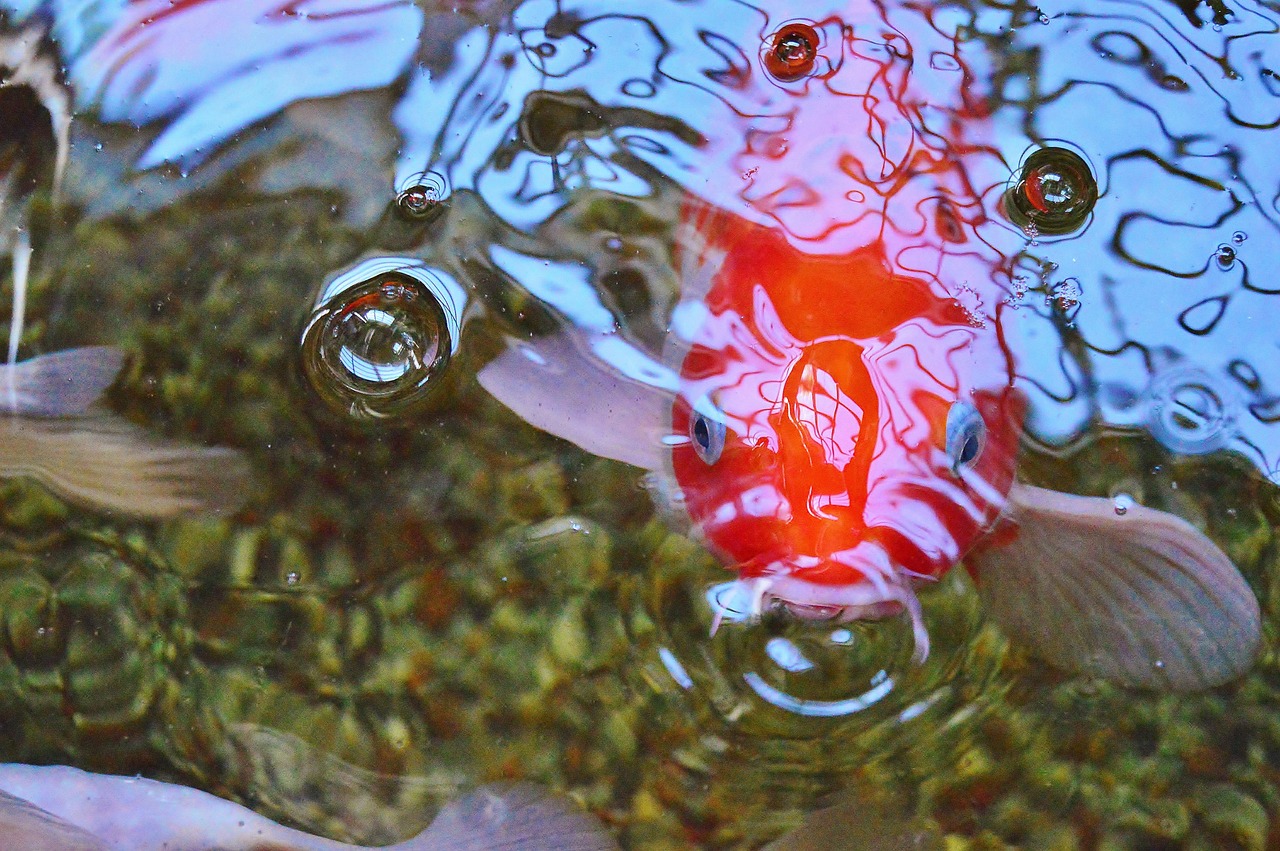
Resilience Through Hard Times
The most common koi tattoo meaning is resilience. A koi fighting current feels close to normal life problems, such as debt, grief, study pressure, divorce, recovery, a hard job, or the rough first months after starting again. It is not a soft symbol. It says you kept going when things were not easy.
Ambition and Personal Growth
A koi can also stand for ambition. The British Museum notes that an ascending carp became a symbol of courage in Japan and connects the motif with the Dragon Gate legend, where a carp climbs the rapids and becomes a dragon. In tattoo language, the koi works well for goals, exams, business growth, or a new rank earned over time. Source: British Museum collection notes. (britishmuseum.org)
Good Fortune and Family Pride
Many people choose koi for luck, family honor, or quiet pride. It is a good option when you want a positive meaning but do not want words on the skin. The design can look strong without feeling loud. Water, flowers, or a simple black and gray style can keep it clean.
Does Direction Change the Koi Fish Tattoo Meaning?
Direction matters because koi are movement symbols. A still fish can look good, but a swimming koi gives the tattoo a story. Before booking, decide whether your tattoo should show struggle, rest, or a full life cycle.
Upstream Movement for Challenge
An upstream koi usually means you are still working through something. This is the old and clear choice for someone in the middle of a challenge, not someone looking back after everything is finished. On the forearm, calf, ribs, or shoulder, the line of the body can help the fish look like it is pushing forward. That movement is often what makes the design read well.
Downstream Movement for Peace
A downstream koi can mean the hardest part has passed. It can point to peace, acceptance, or the reward after years of work. Some clients choose this direction after graduation, a health scare, retirement from a demanding career, or leaving a bad season behind. The meaning is still strong, but it feels calmer.
Circular Motion for Balance
Two koi moving in a circle can suggest balance, partnership, yin and yang, or the way life repeats. It is a popular choice for couples, siblings, parents, and people who want a design with steady motion. It also fits round areas, such as the shoulder cap or upper back. The shape helps the tattoo sit naturally on the body.
Which Koi Fish Tattoo Colors Fit Your Story?
Color changes the feel very fast. A red koi and a black koi can use the same outline but still look like two different tattoos. Traditional color rules are not strict rules, but they give you a useful place to start.
Black Koi for Survival
Black koi tattoos often stand for survival, discipline, and personal strength. They suit people who want a serious tattoo without bright color. Black also ages well when the artist uses firm lines, enough skin breaks, and clean shading. If you want low maintenance over the years, black and gray is often a safe route.
Red and Orange Koi for Drive
Red, orange, and gold koi feel warmer. They can point to love, courage, energy, wealth, or the push to win. In a sleeve, these colors sit well against blue waves or gray wind bars. One small point from studio practice: red ink can react more on some skin, so ask your artist about pigment history if your skin is sensitive.
Blue and White Koi for Calm
Blue and white koi feel calmer and more reflective. They can fit themes like peace, loyalty, patience, or a fresh start. A blue koi also pairs well with water because the palette feels natural. It usually looks less crowded than a design with too many colors.
- Black koi: survival, strength, discipline.
- Red or orange koi: love, bravery, energy.
- Gold koi: fortune, success, achievement.
- Blue koi: calm, loyalty, steady growth.
- White koi: renewal, clarity, a clean chapter.
Where Should You Place a Koi Fish Tattoo?
Placement is not only about pain or visibility. A koi has a body, fins, water, and direction, so it needs room to sit properly. No reliable public dataset ranks koi tattoo placements by popularity, so the most useful advice comes from design logic and regular studio practice rather than a national statistic.
Arm and Leg Designs With Flow
Arms and legs work well for koi because the fish can follow the limb. A koi swimming up the forearm or calf is easy to read from a few feet away. For a half sleeve, waves around the elbow or shoulder can help the fish feel connected to the body. Without that support, the koi may look pasted on.
Back and Chest Designs With Space
The back, chest, and thigh give the artist more space for a large koi, detailed scales, lotus flowers, rocks, and water. If you want a Japanese-inspired piece with more impact, bigger usually works better. Small scales packed too close together can blur over time. More space gives the lines and shading room to age.
Small Wrist or Ankle Designs With Care
A small koi can work, but it needs a simple plan. Use fewer scales, a clear outline, and maybe one wave line. A tiny koi with ten meanings, three flowers, and a dragon squeezed beside it will not age well. In many cases, the better tattoo is the one that knows when to stop. See also: tattoo care.
What Symbols Pair Well With a Koi Fish Tattoo?
Pairing symbols can add meaning, but too many symbols can make the message unclear. Choose one main story first, then add details that support it. The koi should still be the main part of the design.
Lotus Flowers for Clean Renewal
A lotus with koi often points to renewal, patience, and beauty that comes from difficult places. It is a strong match for recovery stories or major life changes. The flower softens the fish without making the tattoo feel weak. It also gives the artist a natural way to break up water and scales.
Waves and Water for Life Pressure
Waves give the koi a place to swim. They can mean pressure, emotion, movement, or time. The Birmingham Museum of Art describes carp leaping up waterfalls as symbols of perseverance, fortitude, and scholastic accomplishment, which supports the old link between moving water and earned success. Source: Birmingham Museum of Art. (artsbma.org)
Dragons for Finished Transformation
A dragon paired with a koi can show the end of the Dragon Gate story: effort turned into power. This idea works better as a larger tattoo because both figures need space. If the dragon is too small, it may look like a random creature instead of the result of the koi journey. Ask the artist to plan the flow before adding both symbols.
How Can You Plan a Koi Tattoo That Ages Well?
A meaningful tattoo still needs solid work. Koi designs carry detail, so line weight, color packing, and skin safety matter. A good idea done too small or too quickly can turn into a fuzzy fish after a few summers.
Choose an Artist With Strong Line Work
Look for healed photos, not only fresh ones. Fresh tattoos often look shiny and clean on the day they are done. Healed photos show whether scales, eyes, and water lines stayed readable. For Japanese-style koi, check whether the artist can draw movement, not just copy a stencil.
Ask About Ink and Skin Safety
The FDA says it has received reports of infections from contaminated tattoo inks and allergic reactions to inks. The agency also notes that tattooing breaks the skin barrier, so clean practice is not a nice extra; it is basic safety. Ask simple questions about ink, needles, gloves, and setup before you sit down. Source: U.S. Food and Drug Administration, tattoo safety guidance. (fda.gov)
Protect the Tattoo During Healing
Mayo Clinic advises choosing a reputable studio and watching for infection, allergic reaction, or other skin problems after a tattoo. Follow your artist’s aftercare sheet, keep the tattoo clean, avoid picking scabs, and keep it out of sun and pools while it heals. Good healing keeps the lines clearer and the color more even. Source: Mayo Clinic, tattoo risks and precautions. (mayoclinic.org)
FAQ
Q1: Does a koi fish tattoo have to face up? A: No. An upward koi often means struggle and ambition, while a downward koi can mean peace after a challenge. Pick the direction that fits your story.
Q2: Is a koi fish tattoo only for Japanese-style tattoos? A: No. Koi work in Japanese, blackwork, fine line, neo-traditional, watercolor, and minimalist styles. The symbol has East Asian roots, so choose it with respect and avoid mixing random cultural marks.
Q3: What is the best color for a first koi tattoo? A: Black and gray is a safe first choice because it ages well and fits many skin tones. If you want a brighter meaning, red, orange, gold, or blue can work with the right artist.
Q4: Can two koi fish mean love? A: Yes. Two koi can suggest love, partnership, balance, or family bonds. Many people use two koi for couples, parents, siblings, or two sides of one personality.
Q5: How big should a koi fish tattoo be? A: Medium to large usually works best. A koi needs space for the head, fins, scales, and water. If you want a small tattoo, keep the design clean and skip heavy detail.