What Makes a Mexican Day of Dead Tattoo Meaningful and Timeless?
Why Does a Mexican Day of Dead Tattoo Carry So Much Meaning?
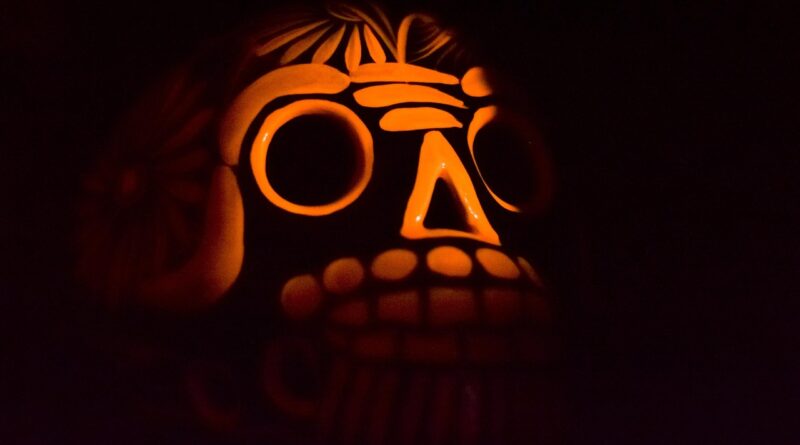
A Mexican day of dead tattoo sits where memory, family, art, and identity meet. If you follow modern tattoo culture, you have probably seen sugar skulls, marigolds, Catrina portraits, candles, and names worked into sleeves or small memorial pieces. The better ones are not random skull designs. They usually have a clear reason behind them.
Día de Muertos, often called Day of the Dead in English, is not Mexican Halloween. UNESCO inscribed the Indigenous festivity dedicated to the dead on its Representative List of the Intangible Cultural Heritage of Humanity in 2008, after an earlier proclamation in 2003. UNESCO describes the celebration as a time when deceased relatives and loved ones are remembered through a symbolic return to the living world. That background matters when the images are turned into permanent skin art.
A Memorial First
For many people, the tattoo starts with one name, one photograph, or one family story. The skull, flower, or candle comes after that. This also matches wider tattoo behavior. Pew Research Center reported in August 2023 that 32% of U.S. adults have at least one tattoo, and among tattooed adults, 69% said honoring or remembering someone or something was a reason for getting tattooed. A Mexican Day of Dead tattoo fits that memorial need in a direct way.
A Living Cultural Practice
The design should feel connected to a living practice, not just a label from a museum wall. Families build ofrendas, visit graves, place flowers, cook food, light candles, and tell stories. Some homes keep the altar simple, while others fill it with photos, fruit, bread, salt, water, papel picado, and small personal objects. A tattoo can take ideas from that visual world, but it still needs space for the person being remembered.
A Public Design With Private Weight
This is where the design gets a little hard to handle. The tattoo may be seen by strangers, but the grief behind it is often not easy to explain in a quick talk. A forearm sugar skull may look decorative from a distance. Close up, the date, favorite flower, initials, or tiny guitar beside the skull may carry the real story. That quiet layer is often what helps the tattoo hold up over time.
Which Symbols Belong in a Day of the Dead Tattoo?
The symbols you choose should do more than cover empty skin. A good Day of the Dead tattoo design needs a clear order, so the face, flowers, altar pieces, and lettering do not fight with each other. The eye should know where to look first. If you pack in too many symbols, a personal idea can start to look like a crowded sticker sheet.
Calaveras and Sugar Skulls
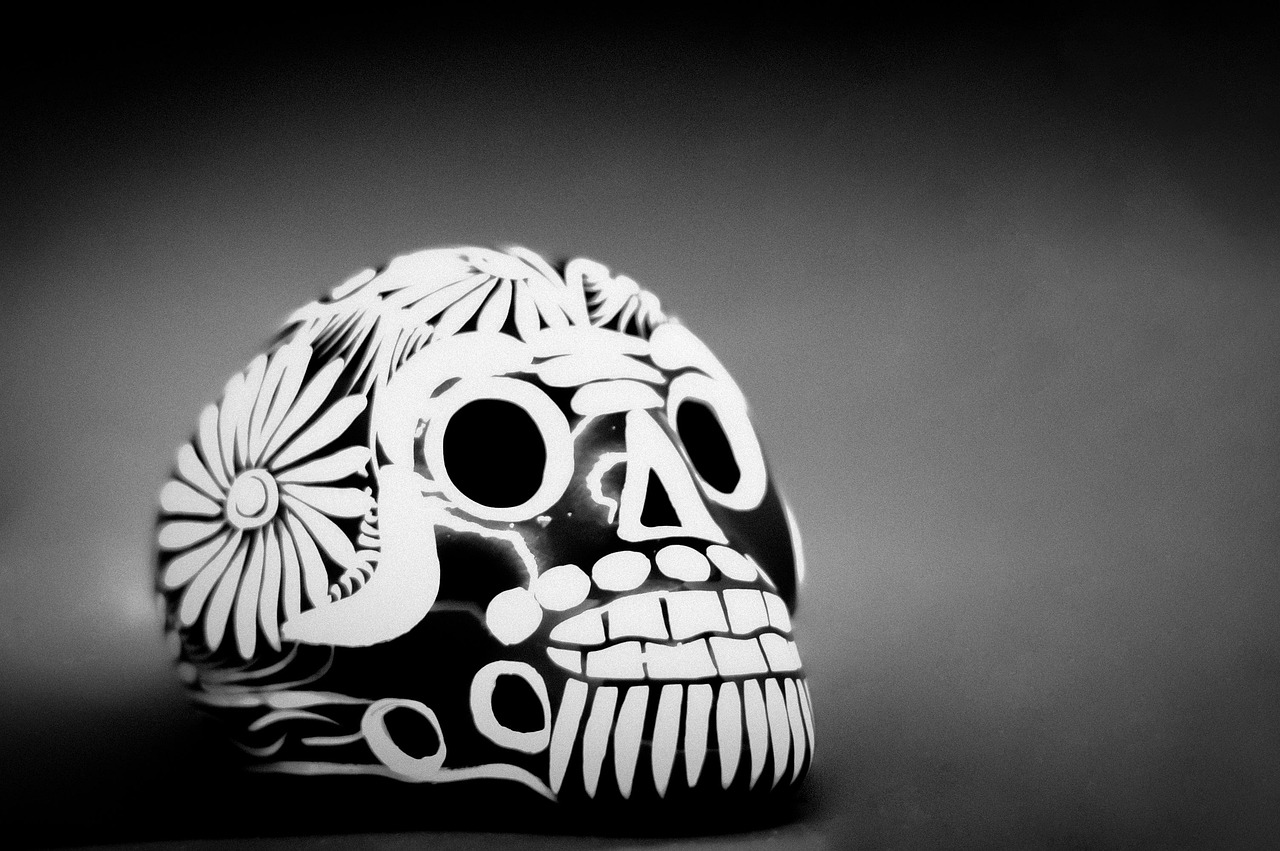
Calaveras are among the most recognized Day of the Dead symbols. The Library of Congress notes that calavera imagery has both Indigenous and Spanish Catholic roots in the holiday’s history. In tattoo work, a calavera can feel playful, serious, clean, or close to a portrait. Sugar skull style usually works better when it stays away from generic clip art and uses details that mean something, such as a loved one’s favorite color, a birth flower, or a small pattern from family textiles.
Marigolds, Candles, and Ofrendas
Marigolds, especially cempasúchil, are often linked with the path that guides spirits back. The Smithsonian has described marigolds on ofrendas as bright, fragrant markers tied to remembrance. In a tattoo, petals can frame a skull, run along a wrist, or soften a darker portrait. Candles add a calm feeling and a useful vertical shape. An ofrenda element, like a framed photo or small plate of pan de muerto, can make the design feel closer to the person it is about.
Papel Picado, Portraits, and Names
Papel picado gives the piece movement and a handmade feel. Portraits bring more pressure, because they need a skilled artist and enough skin space. Names and dates are simpler, but the lettering still has to be clear. Before you add text, check spelling, accents, and family preferences. A small missing accent in Spanish might bother you for years. It sounds minor, but tattoos keep minor things too.
- Use one main symbol as the anchor.
- Add two or three support symbols, not ten.
- Keep names and dates readable at real-life viewing distance.
- Ask whether each detail tells a story or only fills empty space.
How Can You Respect the Culture Behind the Design?
Respect does not mean every person needs the same background to value the imagery. It does mean you should not flatten a family-centered tradition into party makeup, horror art, or a costume skull. The main question is simple enough: are you honoring someone, or are you only borrowing a strong look?
Research Before Reference
Start with reliable cultural sources, then give your artist a short note about what the piece means to you. UNESCO, the Smithsonian, the Library of Congress, and museum programs focused on Mexican art all describe Día de Muertos as a remembrance practice with deep community roots. That reading helps you avoid odd mixes, such as horror gore, random Aztec-style graphics, and Halloween pumpkins pushed into one design. It also helps the artist understand why certain details should stay out.
Family Memory Over Costume Style
A respectful tattoo usually puts memory before show. If the piece honors a grandmother, a father, a friend, or a child, let that relationship guide the design. A favorite song lyric, a small rose, a baseball number, or a coffee cup may say more than another decorative swirl. Tattoos can be beautiful, of course, but they should not feel empty.
Better Spanish and Local Details
If you use Spanish words, have them checked by a fluent speaker. Día de Muertos, Día de los Muertos, and Day of the Dead appear in different settings, but spelling and accent marks still matter. Local details matter as well. Traditions in Oaxaca, Michoacán, Mexico City, the Yucatán, and Mexican American communities do not all look the same. Pew Research Center reported in 2025 that roughly 40 million people of Mexican origin lived in the U.S. in 2024, representing 57% of the nation’s Hispanic population. That is a large living community, not a loose style category.
What Style Works Best for a Mexican Day of Dead Tattoo?
Style changes the mood quickly. The same calavera can look soft, sacred, glamorous, funny, or fierce depending on line weight, shading, color, and placement. Pick the meaning first, then choose the style. Doing it the other way around often makes the tattoo look good on paper but weak in personal meaning.
Black and Gray Realism
Black and gray works well for portraits, candles, smoke, stone textures, and older family-photo references. It can make the tattoo feel serious and calm. It also suits many memorial pieces because the palette does not compete with the subject. If you choose realism, give the artist enough room to work. A realistic Catrina face squeezed into two inches will lose detail after healing.
Colorful Neo Traditional Work
Color works well for marigolds, papel picado, painted skulls, and folk-art patterns. Neo traditional tattoos often use strong outlines and solid colors, which can help the piece stay readable for years. Orange, deep red, teal, purple, black, and warm yellow are common choices. Skin tone, sun exposure, and aftercare still affect how color settles, so ask your artist what has healed well in their own portfolio.
Fine Line, Lettering, and Small Pieces
Fine line can work for a small marigold, candle, name, or simple skull. It is less forgiving when the idea includes a busy altar scene. If you want a small tattoo, keep the idea small too. A clean candle with initials may look better than a tiny full ofrenda that turns fuzzy from three feet away. Simple does not mean careless. Sometimes it is the most honest choice. See also: tattoo care.
Where Should You Place This Tattoo?
Placement affects how often the tattoo is seen, how much detail it can hold, and how private the memory feels. There is no reliable public database that counts how many Mexican Day of Dead tattoos are placed on each body area. So placement advice should come from anatomy, design size, work rules, and your own comfort.
Forearm and Upper Arm
The forearm is popular because it gives enough flat space for skulls, flowers, names, and candles. It is also easy to see, which can feel comforting if the tattoo honors someone you miss. The upper arm gives more privacy and works well for round designs, Catrina faces, or half-sleeve layouts. If you plan to build a sleeve later, tell your artist early so the first piece does not block future work.
Chest, Shoulder, and Back
The chest can feel close to the heart, so it suits memorial tattoos for many people. The shoulder handles curved layouts well, especially flowers around a skull or portrait. The back gives the most room for an ofrenda scene, but you will not see it much in daily life. That may be right for some people and frustrating for others.
Hands, Neck, and Visible Areas
Highly visible spots bring more attention. Pew Research Center found in 2023 that 80% of U.S. adults believe society has become more accepting of people with tattoos over the past two decades. Even so, hand and neck tattoos can affect job interviews, family reactions, and daily conversations. If this is your first tattoo, a less visible area may save you stress later.
How Should You Plan the Design With Your Artist?
A strong tattoo plan is not a huge folder of good-looking pictures. It is a clear story, a workable size, and an artist whose healed work matches the style you want. Good artists can draw, but they cannot guess every detail in your head. Give them direction they can actually use.
One Main Story
Decide what the tattoo is really about. Is it for a parent, a child, your heritage, your grief, your survival, or your love of Mexican art? Say it in plain words. A short story helps the artist choose what to emphasize. If everything has the same weight, the design often becomes flat and hard to read.
A Clean Reference Folder
Bring five to eight reference images, not fifty. Include one for mood, one for color, one for lettering, one for flower shape, and one for any portrait or object. Add notes about what you do not want. For example: no horror blood, no cartoon skull, no sexy Catrina pose, no misspelled Spanish, no tiny unreadable dates. This saves time in the consultation and helps the artist build the first sketch with fewer wrong turns.
Size, Healing, and Color Choices
Ask your artist how the tattoo may look after one year, five years, and ten years. Thin lines spread, tiny dots soften, and bright colors can fade if you skip sunscreen. Large black areas can overpower delicate lettering if they sit too close. This talk may not feel exciting, but it is the part that helps a meaningful tattoo avoid regret.
FAQ
Q1: Is a Mexican Day of Dead Tattoo Only for People With Mexican Heritage? A: Not always, but the design should be handled with care. If the tattoo honors a loved one, respects Día de Muertos symbolism, and avoids costume-like stereotypes, it can be thoughtful. Research and honest intent matter.
Q2: What Is the Best Symbol for a Memorial Tattoo? A: A photo-inspired portrait, calavera, candle, marigold, or name can all work. The best symbol is the one tied to the person or memory, not the one that looks most dramatic online.
Q3: Should a Day of the Dead Tattoo Be Color or Black and Gray? A: Color suits marigolds, sugar skulls, and papel picado. Black and gray suits portraits, candles, and quieter memorial pieces. Choose the mood first, then choose the palette.
Q4: How Can You Avoid Cultural Disrespect in the Design? A: Keep the focus on remembrance, use correct language, avoid mixing it with Halloween horror, and work with an artist who takes cultural research seriously. If possible, ask someone familiar with the tradition to review the idea.
Q5: What Should You Ask the Tattoo Artist Before Booking? A: Ask to see healed work, discuss size and placement, confirm their experience with skulls, portraits, flowers, and lettering, and ask how the design will age. A good consultation can save a lot of regret later.